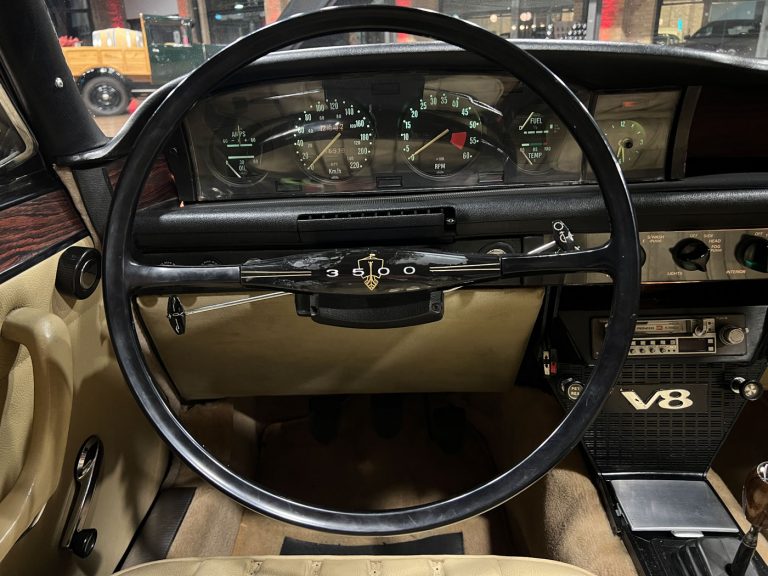
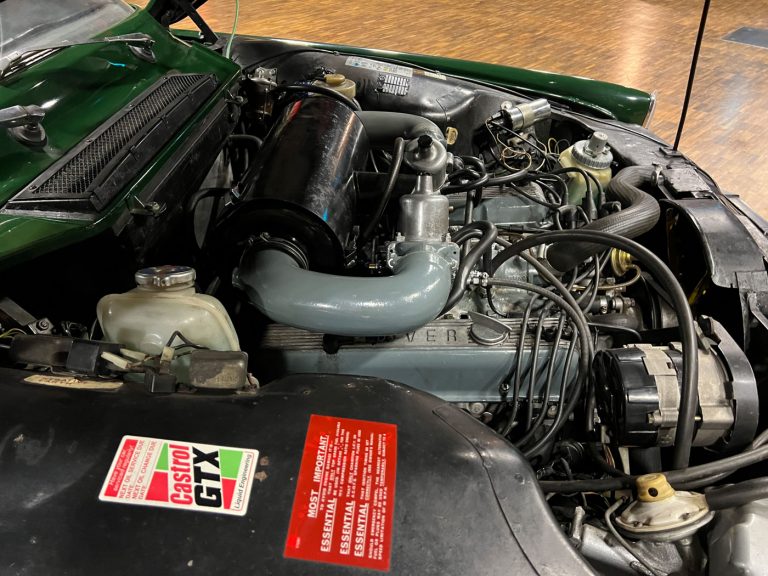
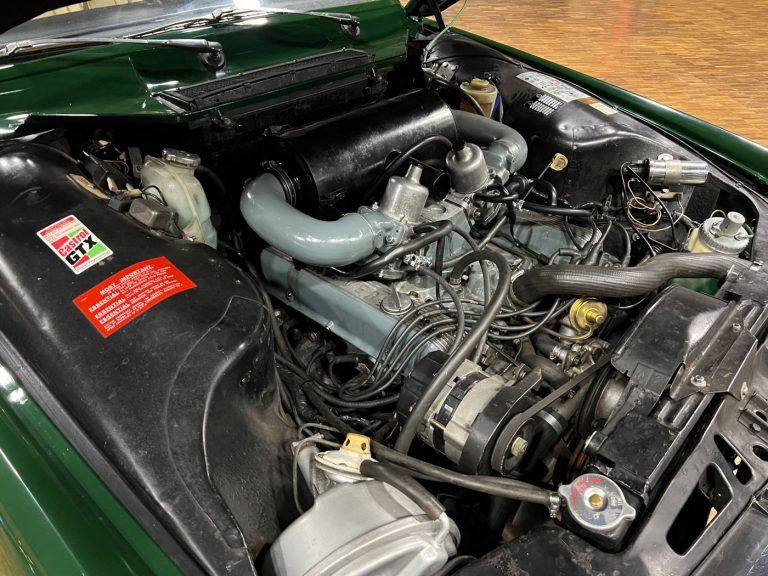
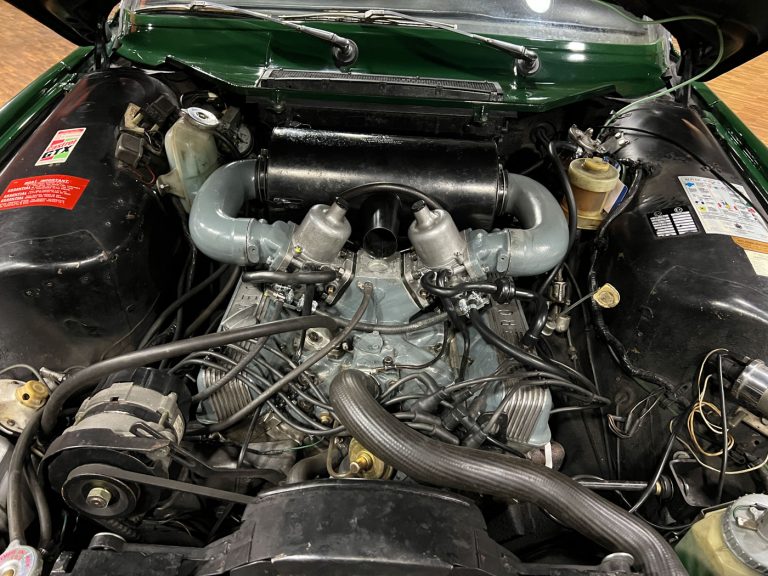
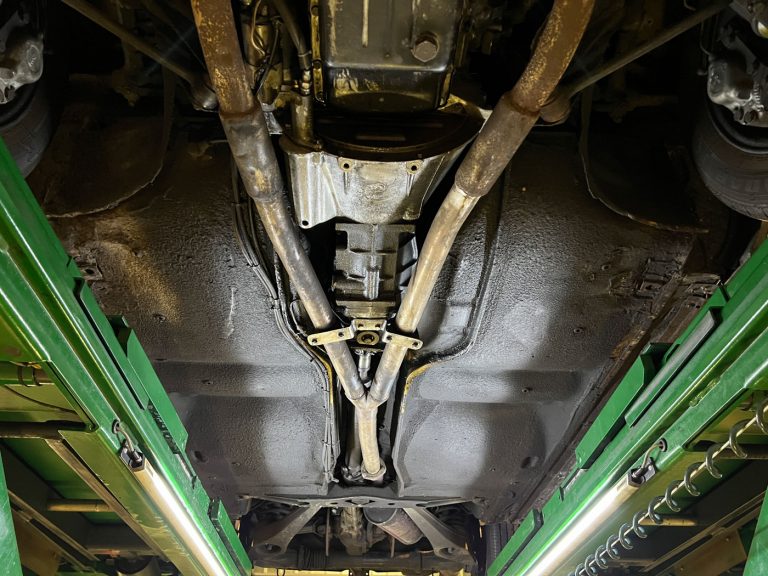
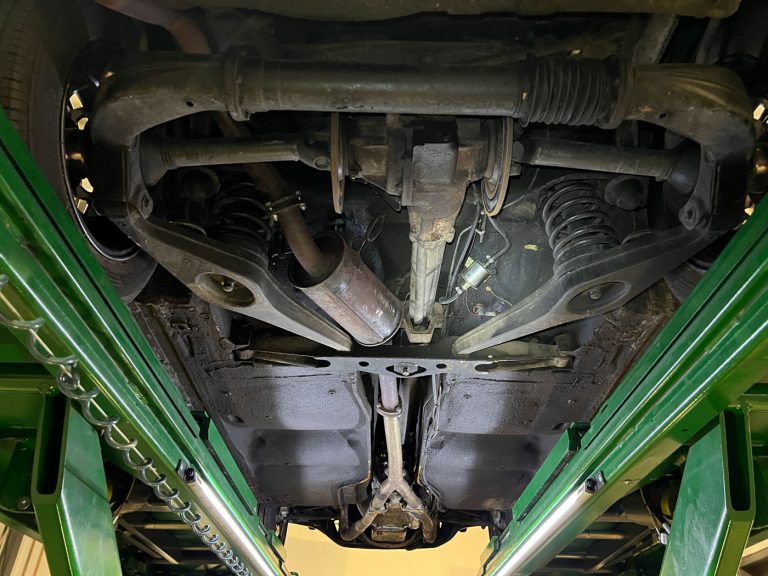
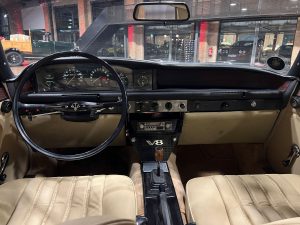
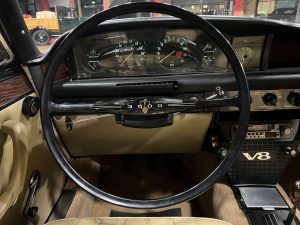
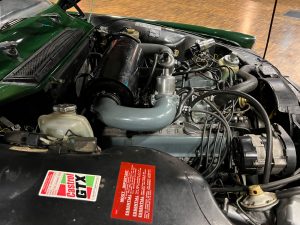
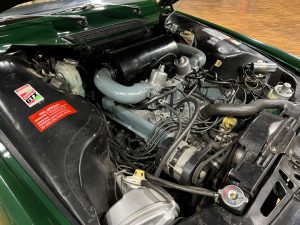
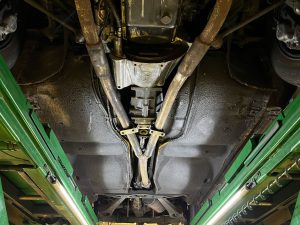
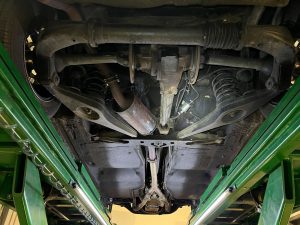
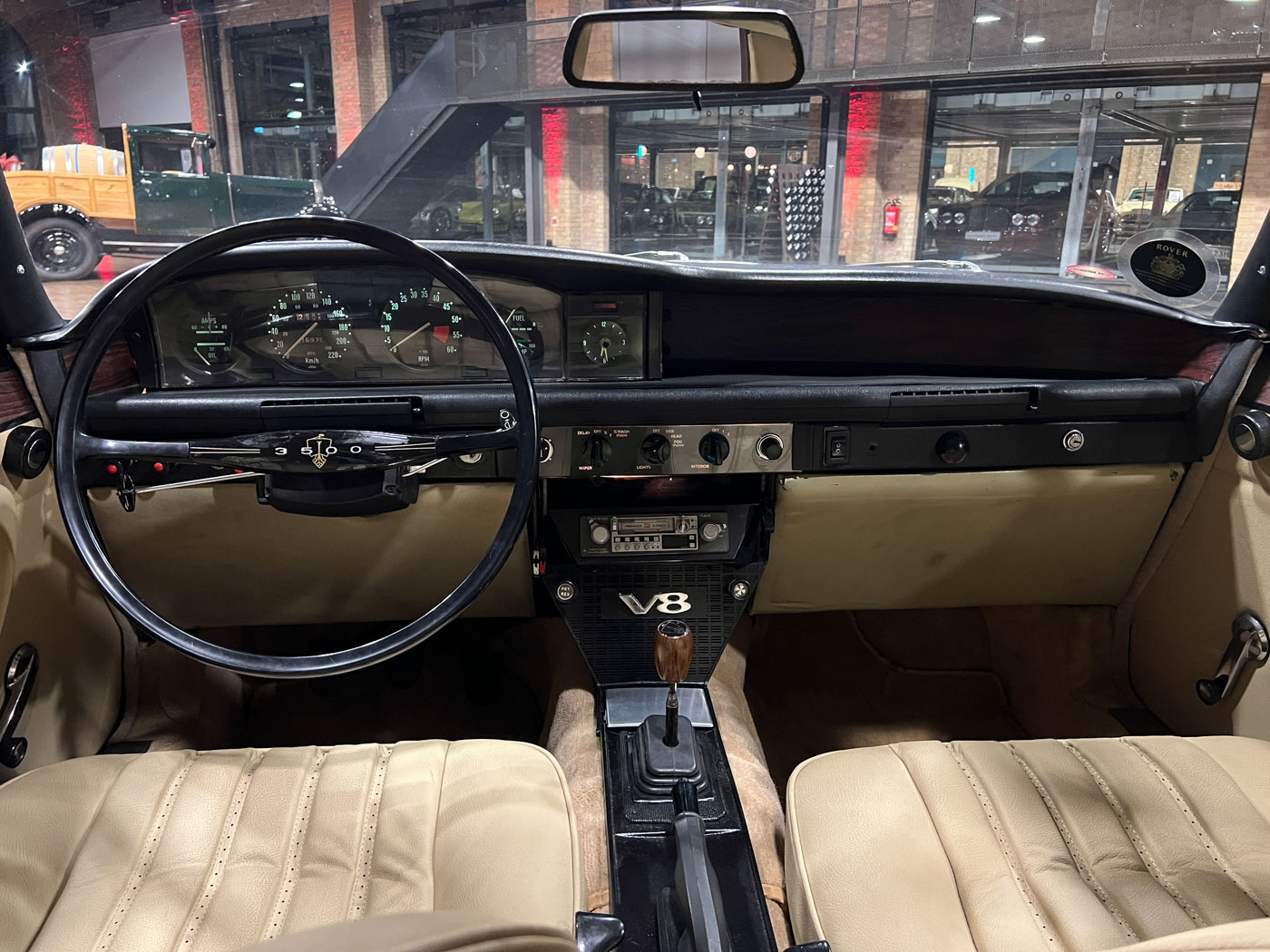
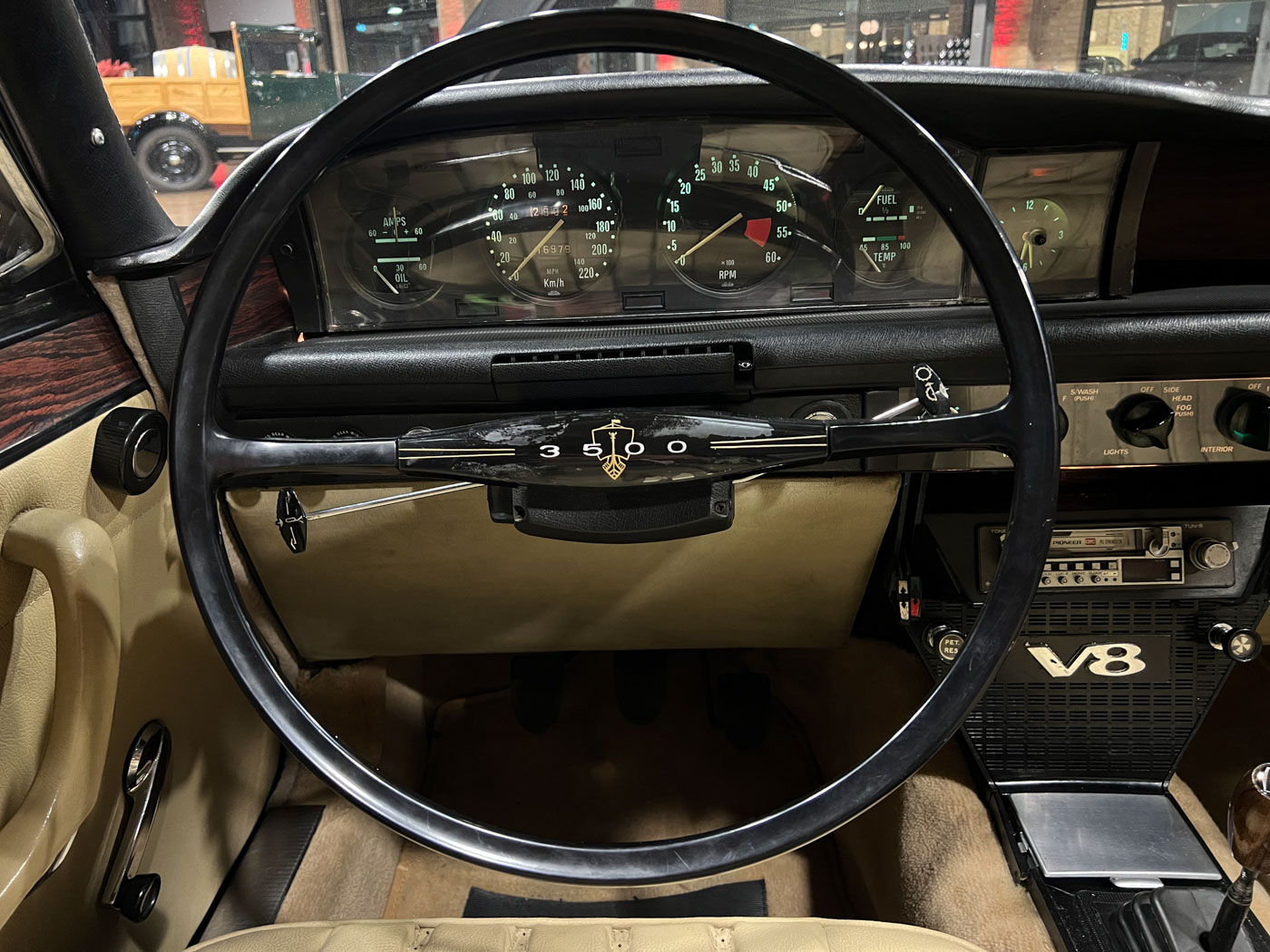
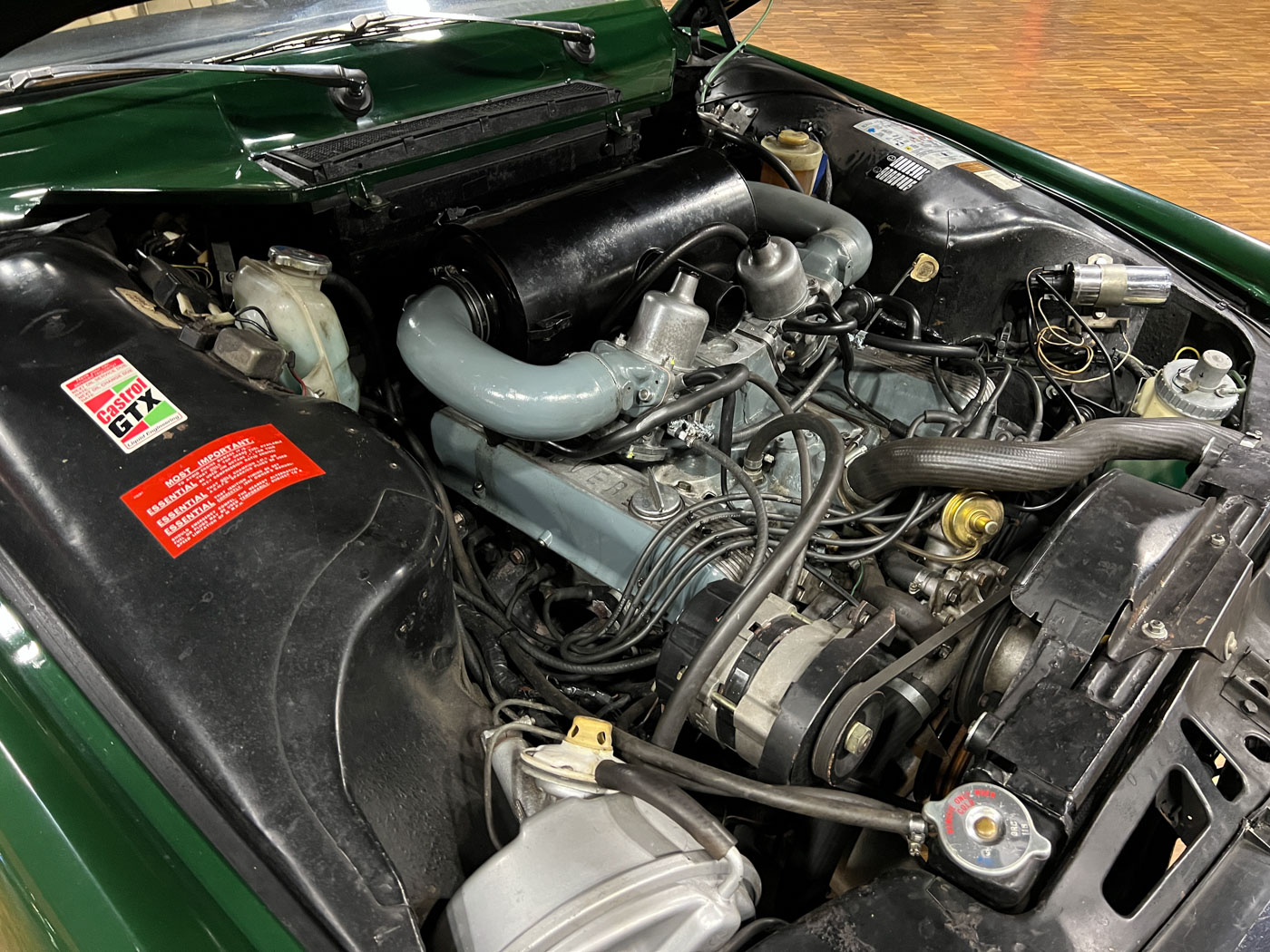
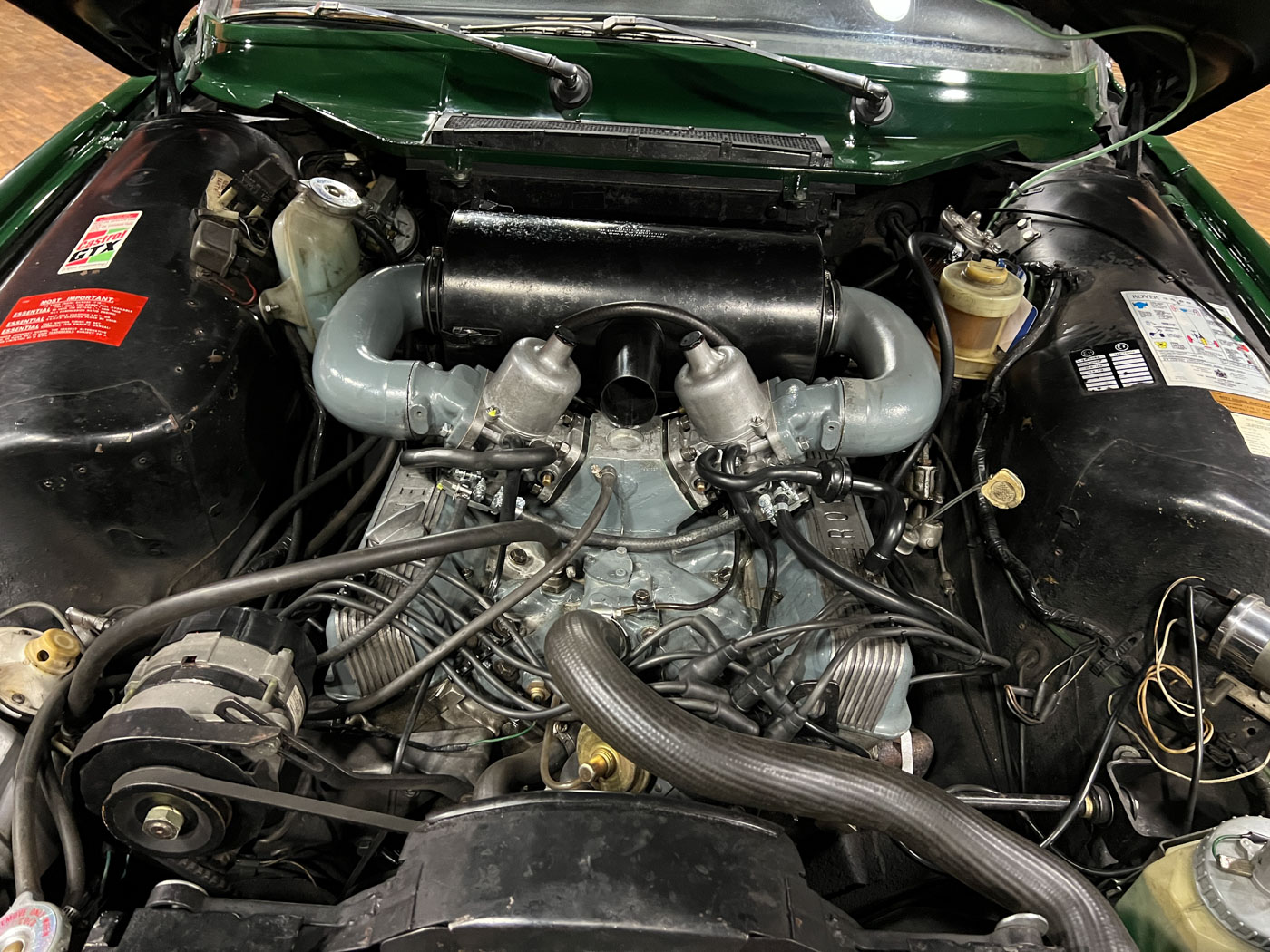
In September 1963, Rover presented the P6 model range, its sixth product line since World War II. Initially, the sedan was only available with the then newly developed two-liter four-cylinder engine. This Rover 2000 was promptly voted Car of the Year in 1964. The body construction was very similar to that of the Citroën DS, as the Rover, like the DS, had a three-dimensional, self-supporting frame in which all the outer sheet metal parts were simply bolted on and therefore not load-bearing components. Rover invested an extremely high level of development effort in the design of both the front and rear axles. The front axle features a longitudinal upper control arm and a transverse lower control arm, along with a longitudinal coil spring located in the upper wheel arch. This design required considerable length but little width, which was the goal, as the car was later intended to be mass-produced with a gas turbine as its engine. It would have been the first production car with a gas turbine. Today we know that none of the gas turbine projects for production cars came to fruition. Thus, the Rover P6 had to make do with conventional gasoline engines throughout its production run. Since the engine compartment, which was designed for a gas turbine, wasn’t filled by the four-cylinder engine, a V8 was introduced in 1968. This V8 was based on a Buick engine, which, however, was extensively modified for European conditions. The P6 was now available as either the Rover 2000 or the Rover 3500. Because there was no suitable manual transmission for the V8’s enormous torque, the Rover 3500 was initially only available with an automatic gearbox. It wasn’t until 1971 that a manual transmission was offered for the V8, and the car was then called the Rover 3500 S. In 1973, the displacement of the four-cylinder engine was increased to 2.2 liters, and the car was marketed as the Rover 2200. The P6 was then produced as the Rover 2200 and Rover 3500 until 1977.
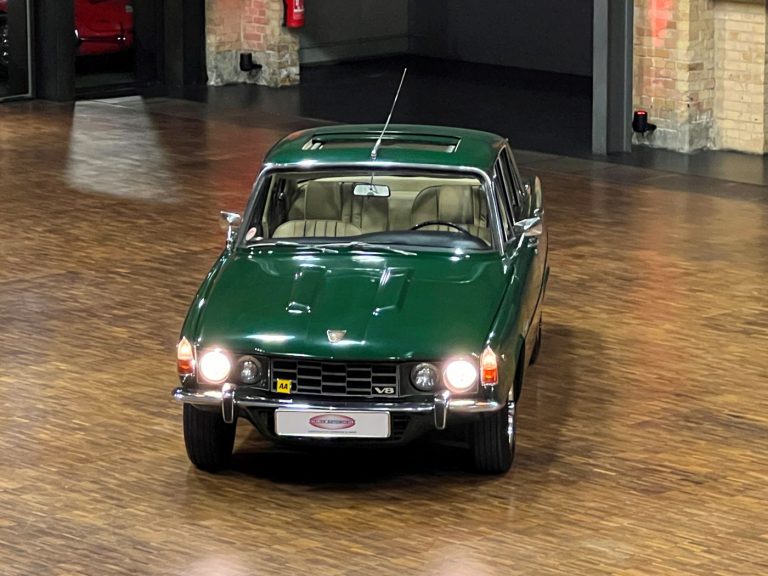
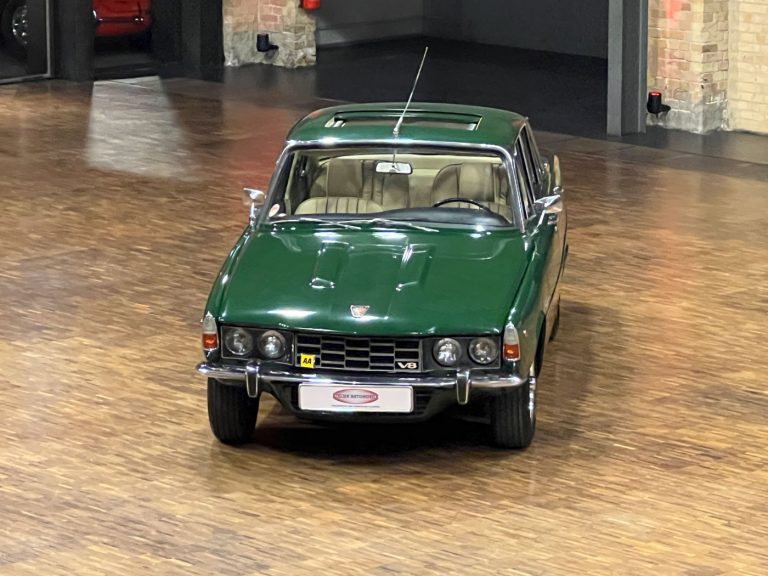
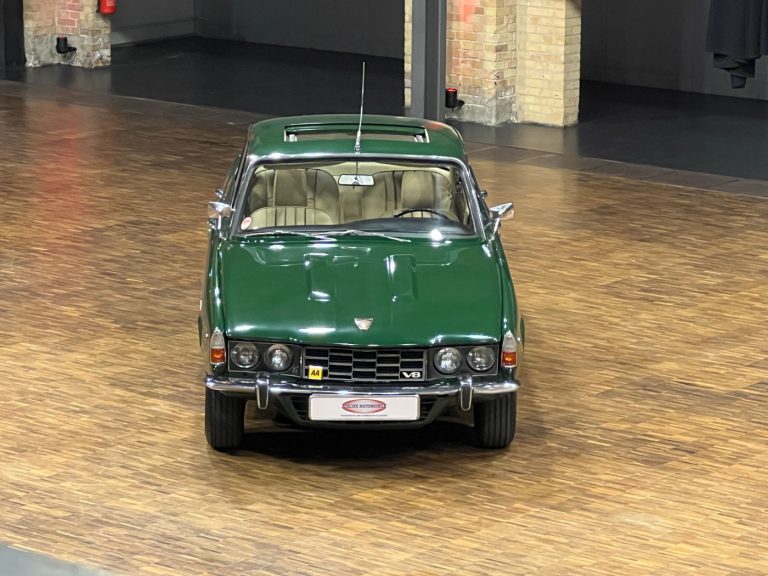
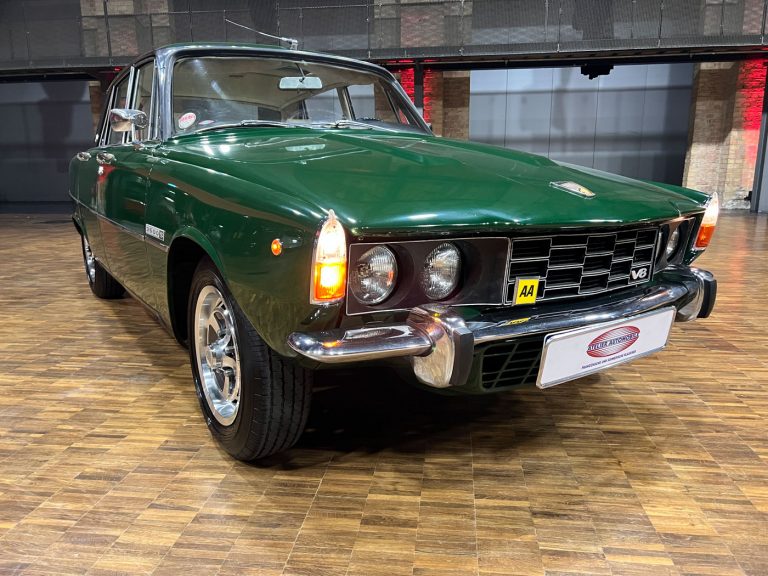
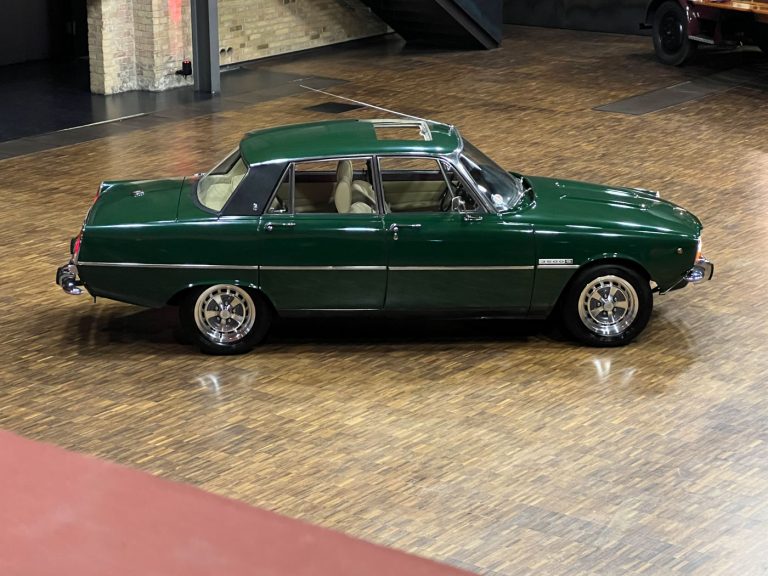
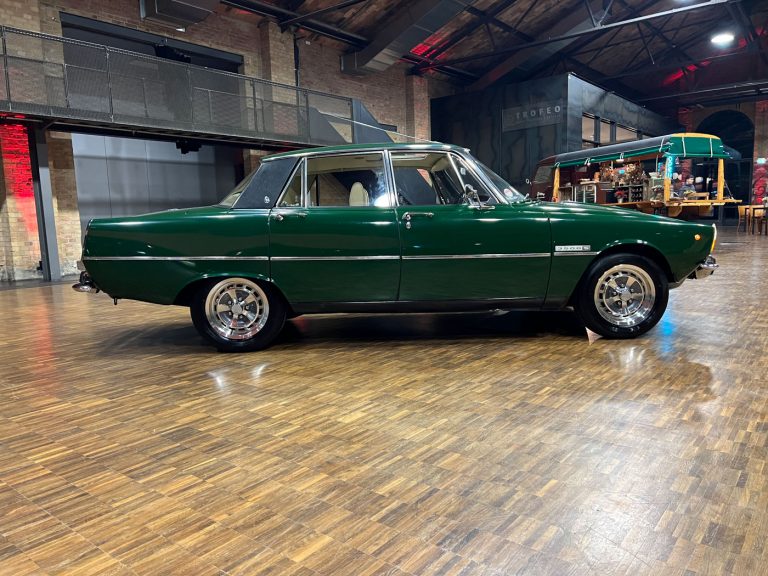
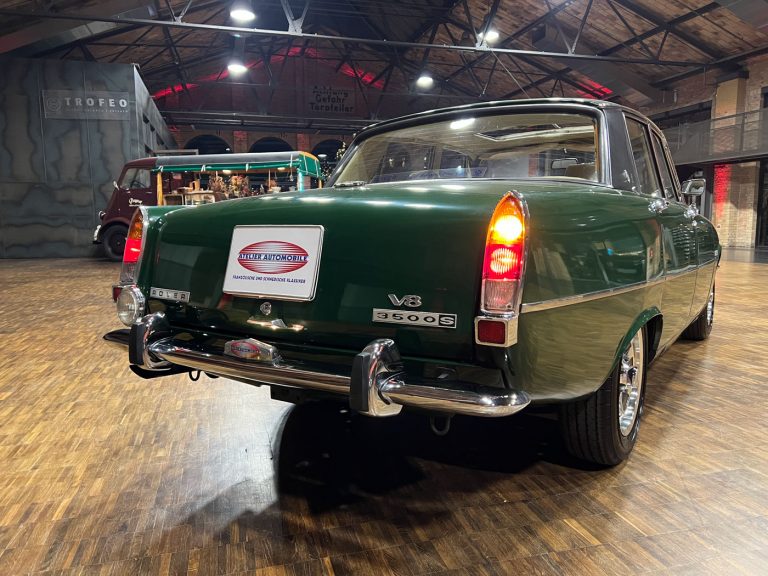
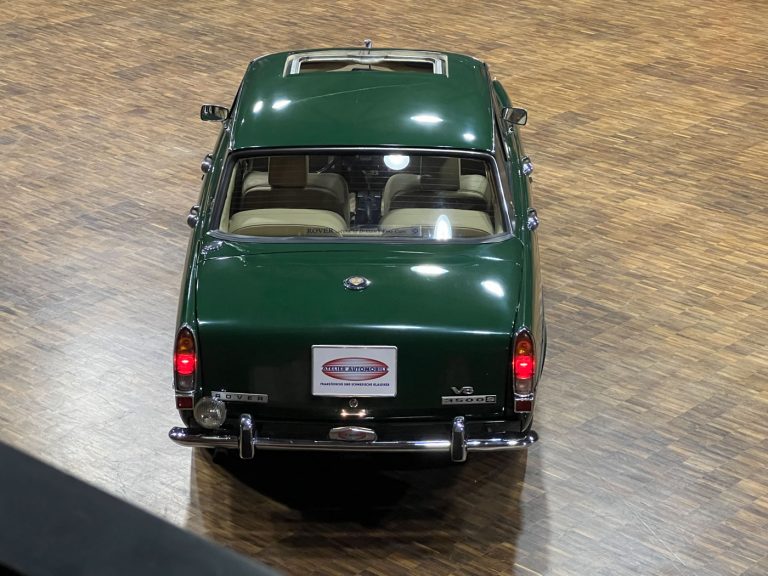
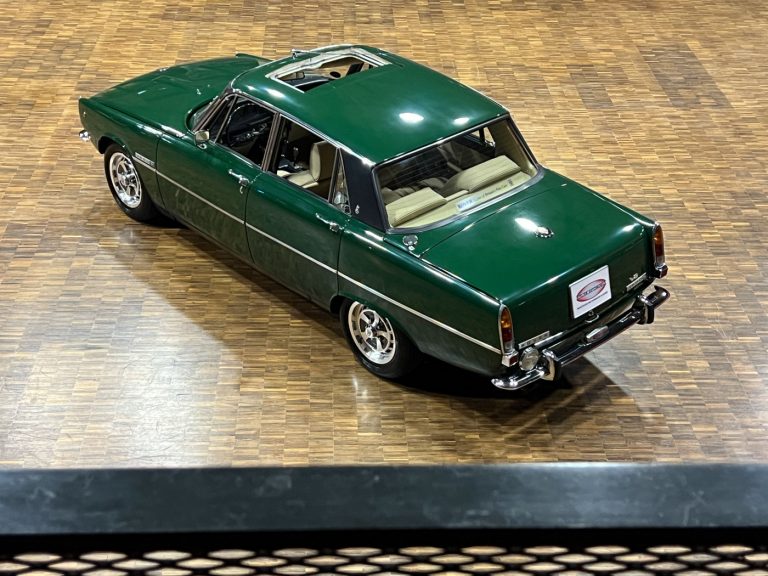
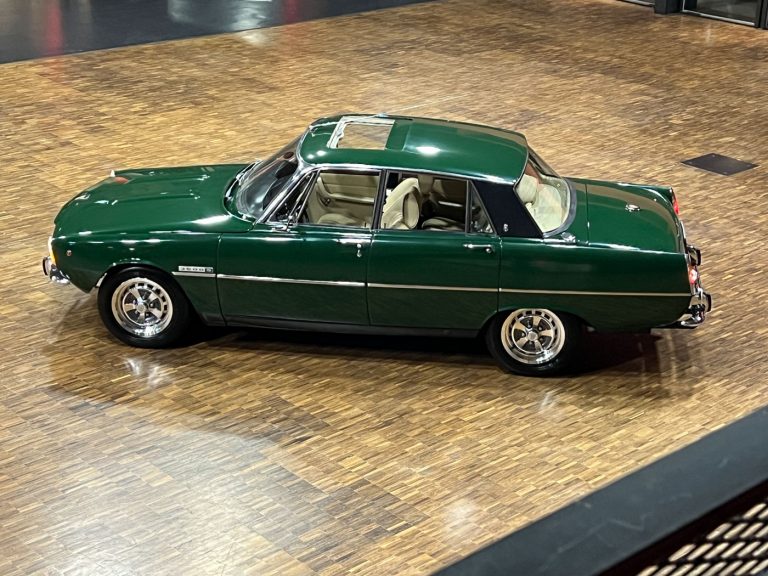
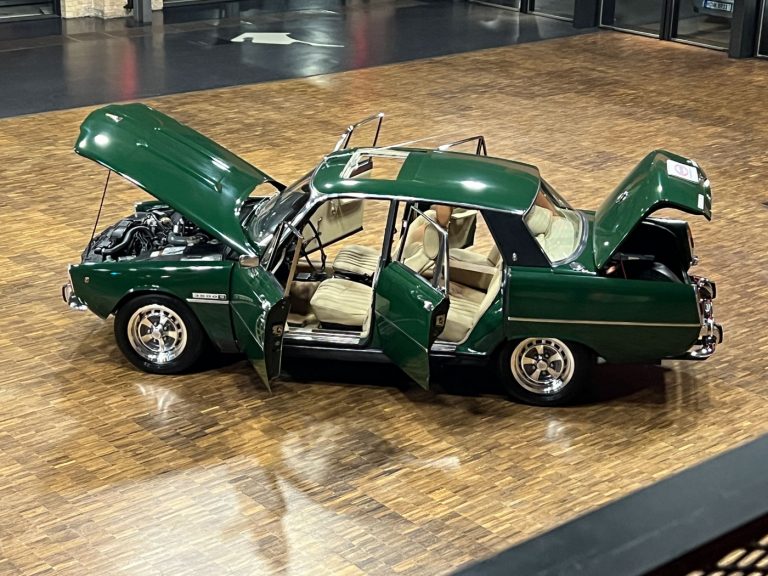
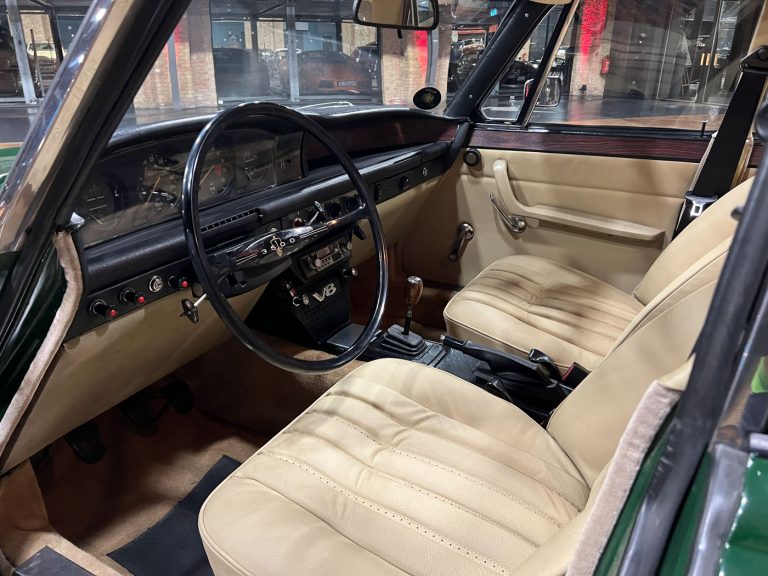
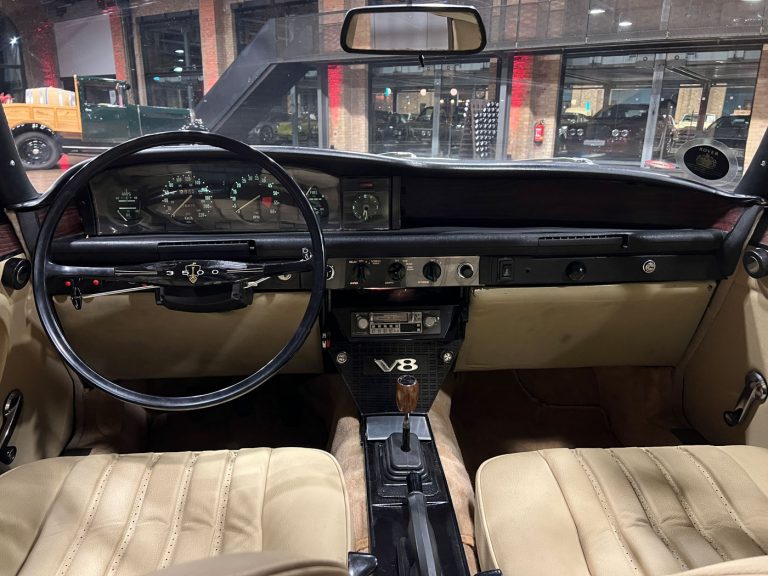
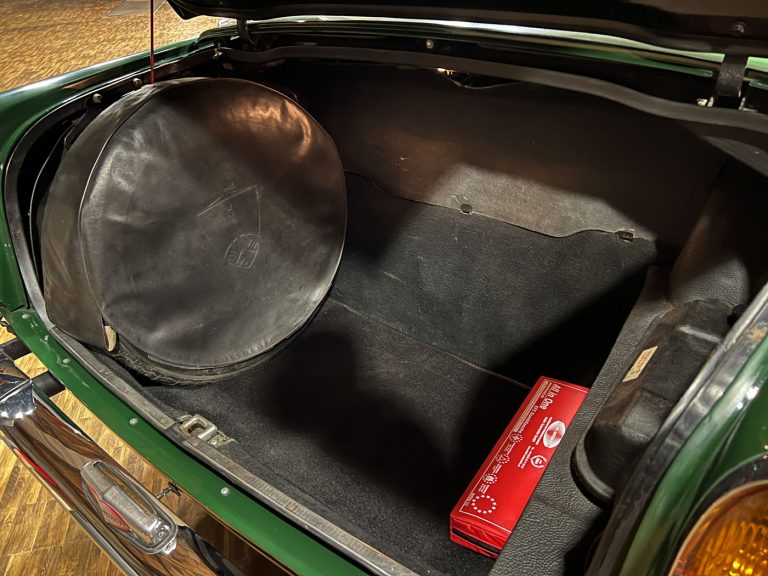
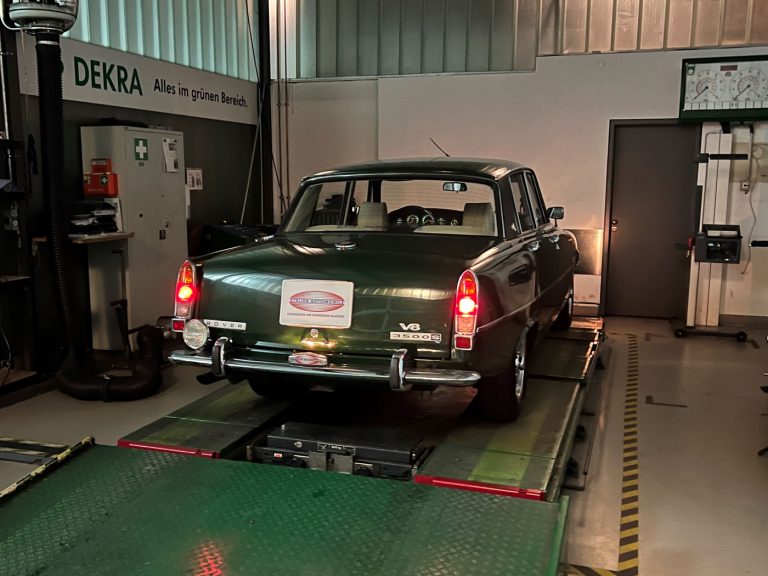
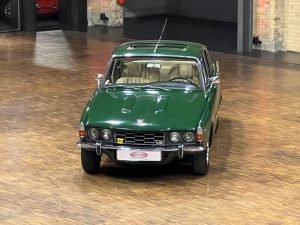
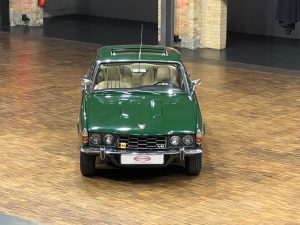
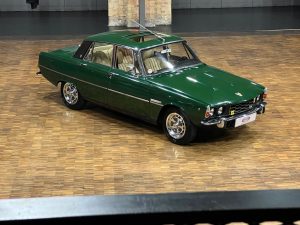
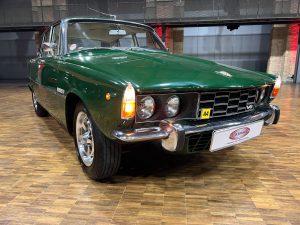
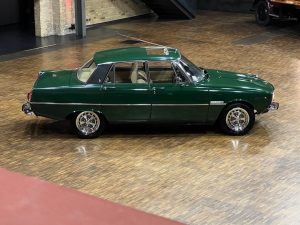
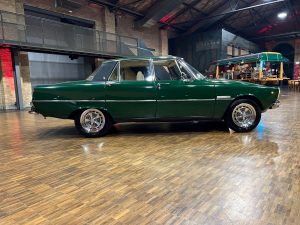
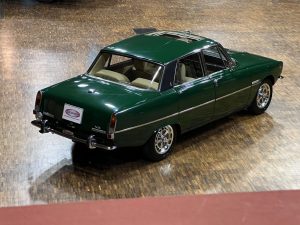
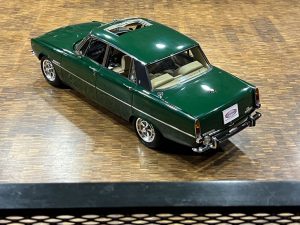
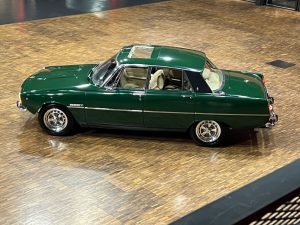
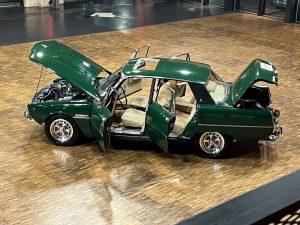
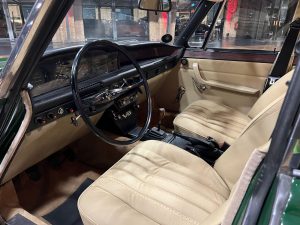
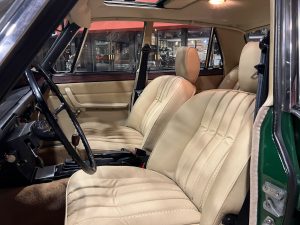
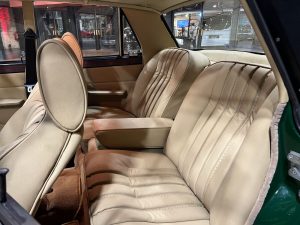
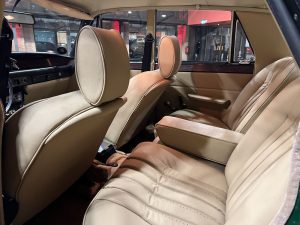
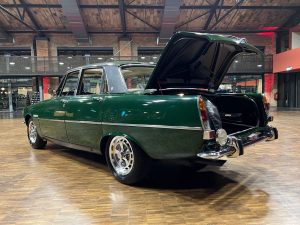
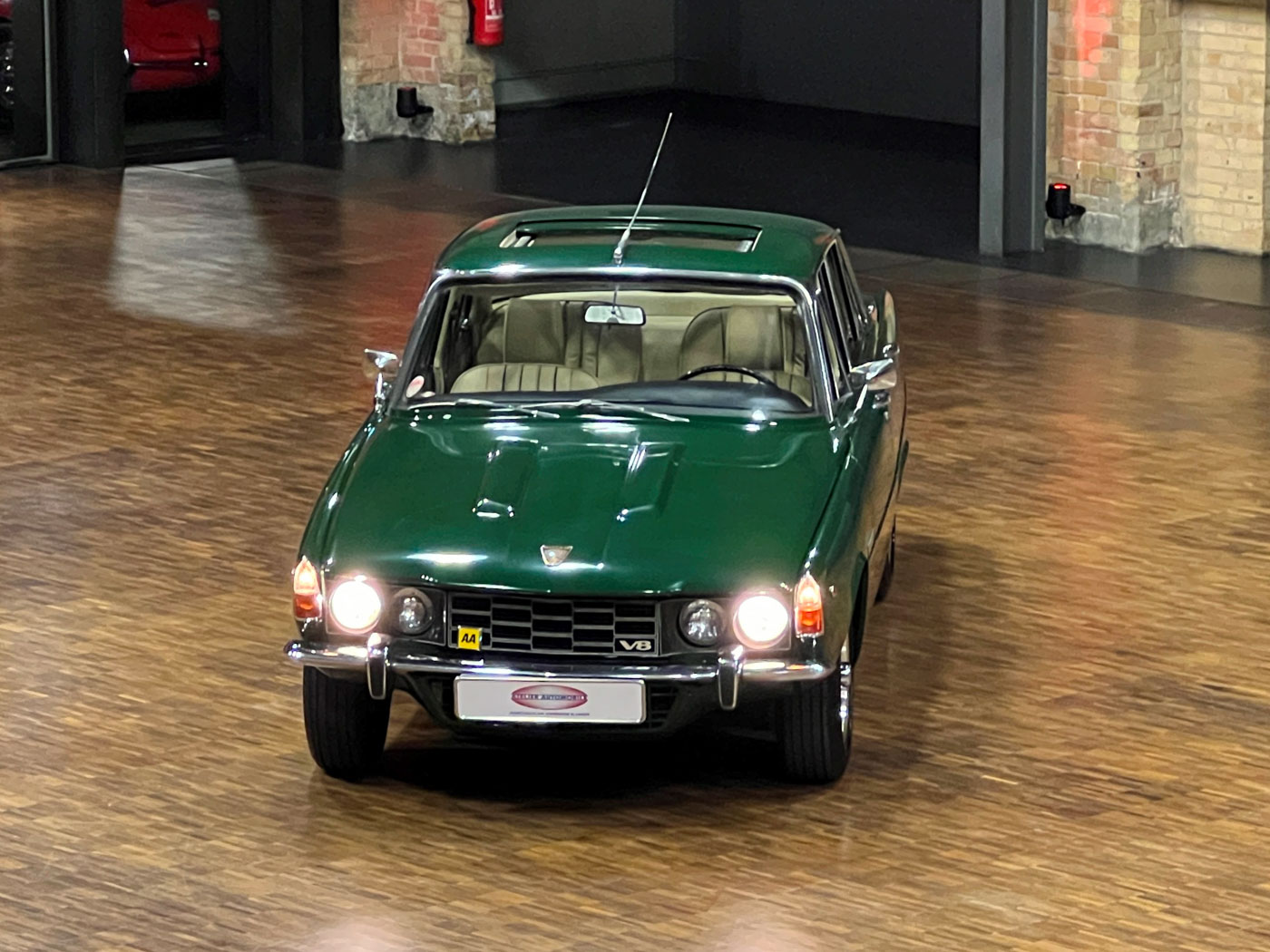
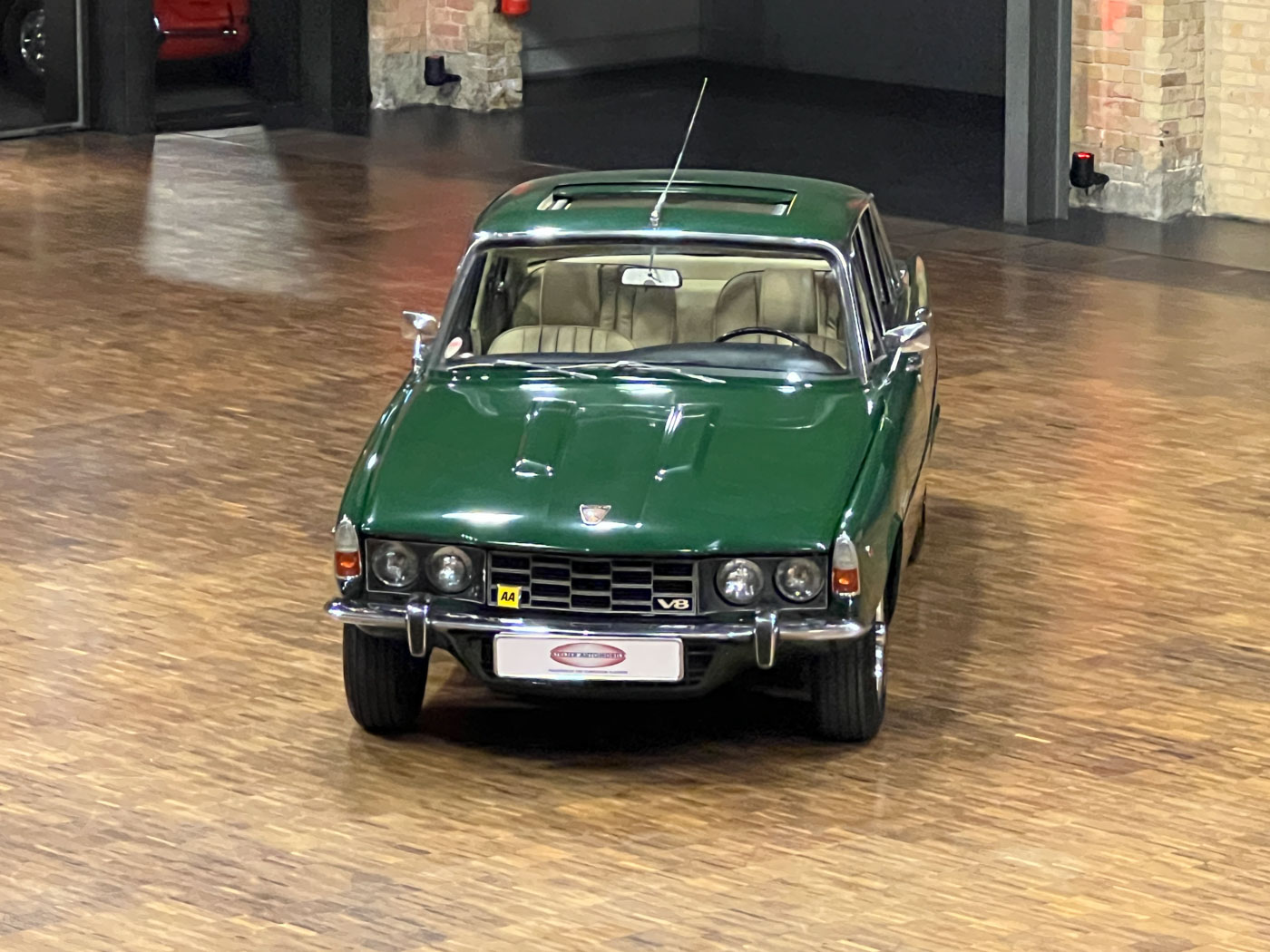
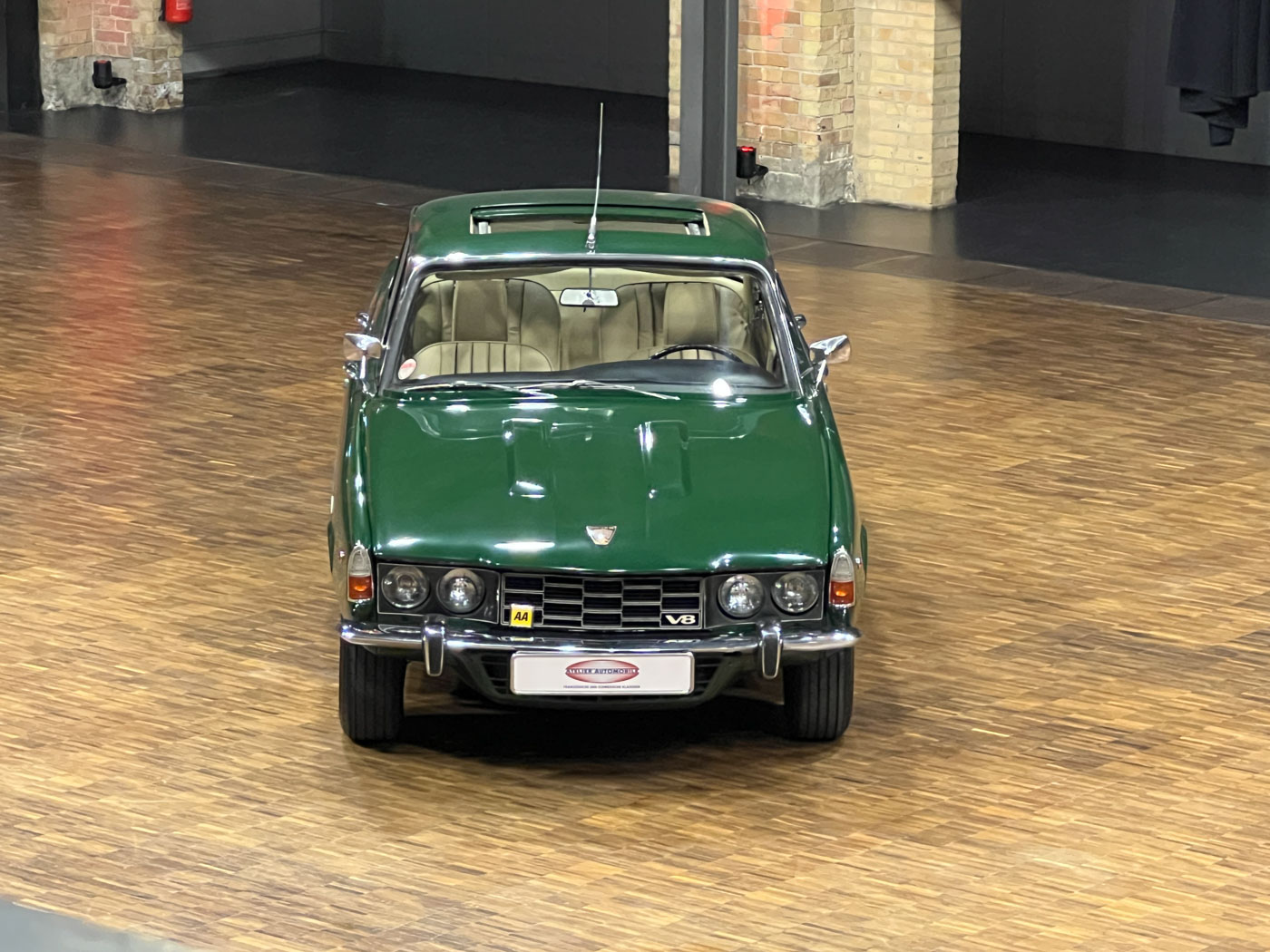
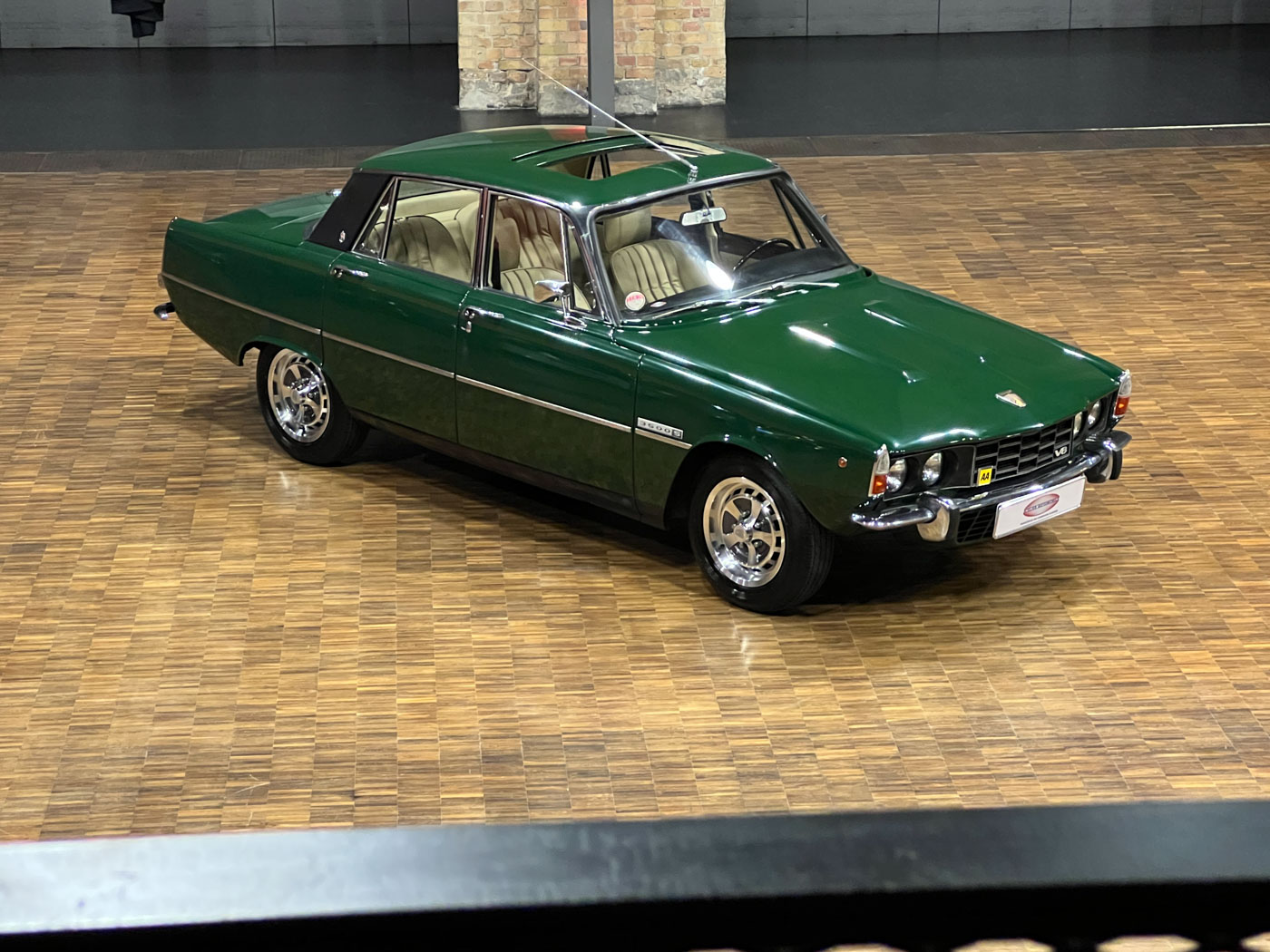
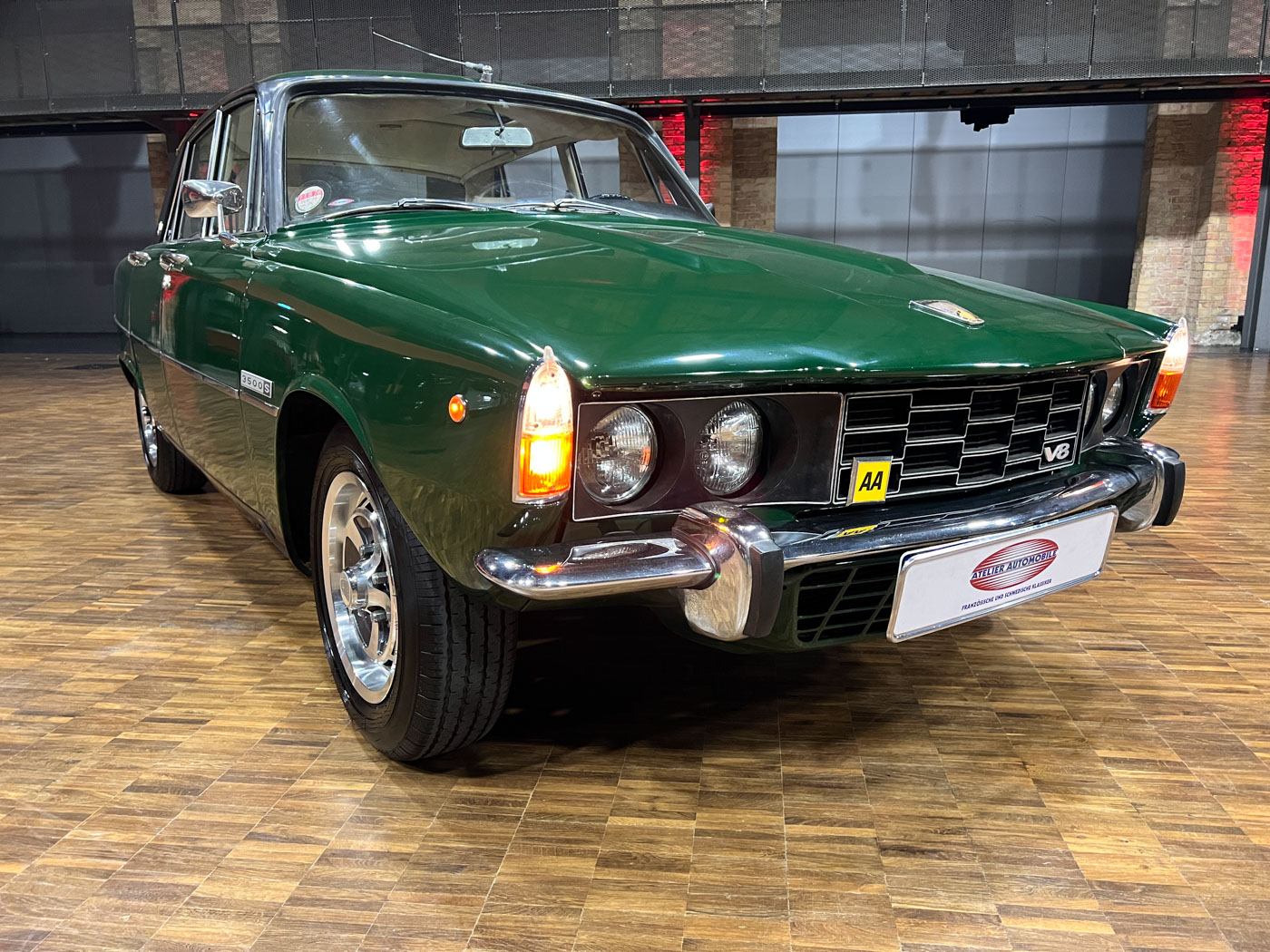
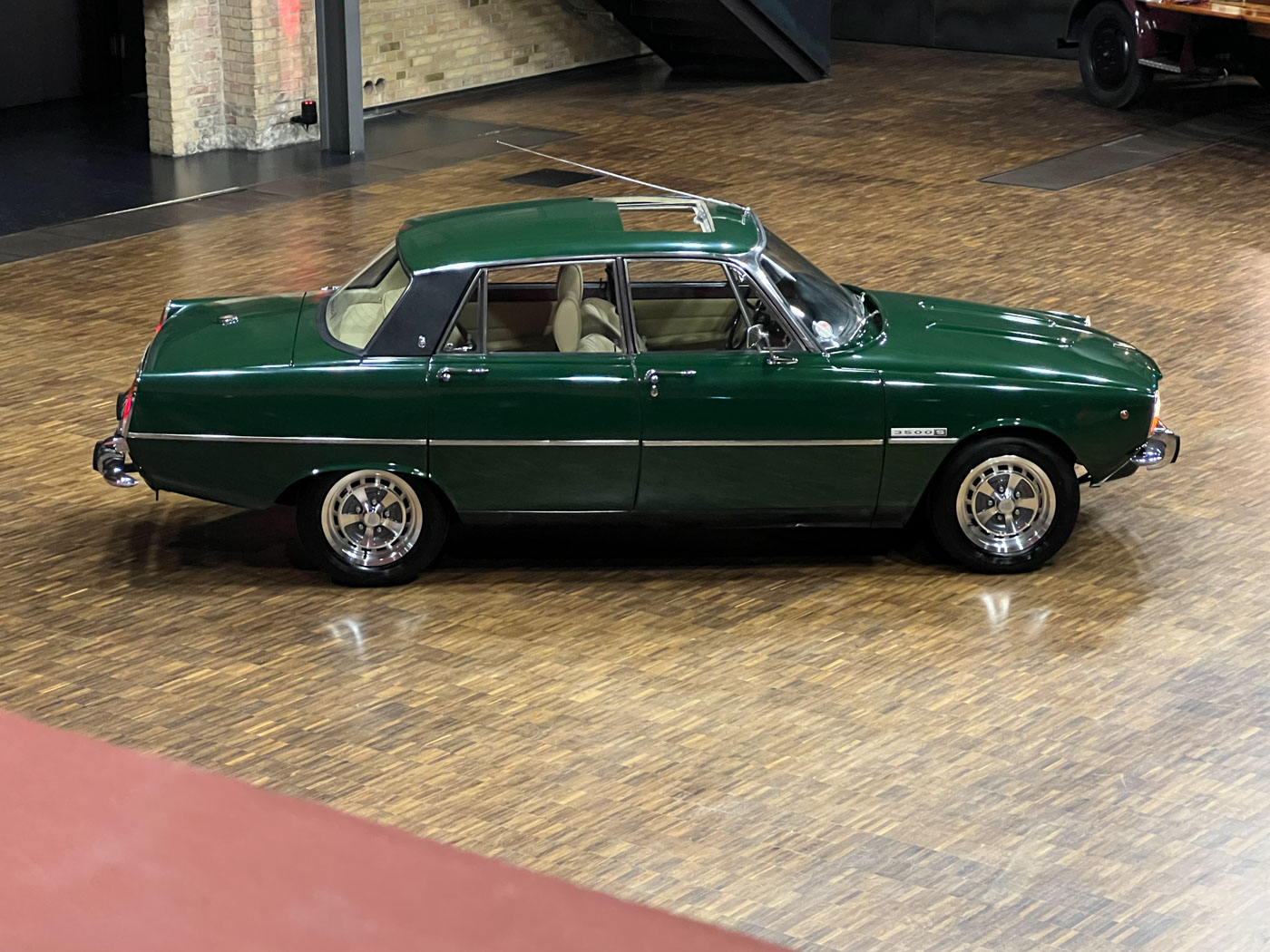
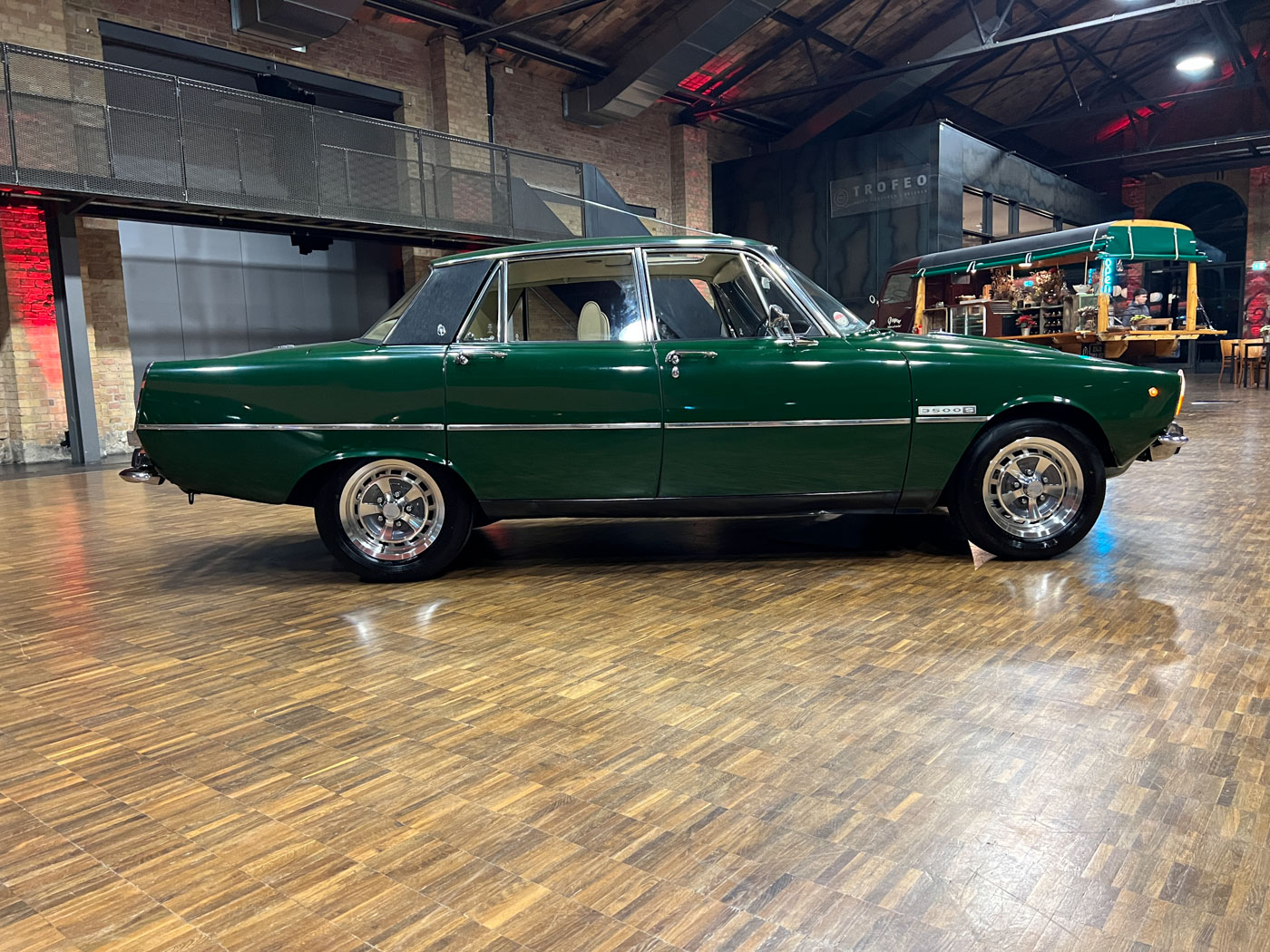
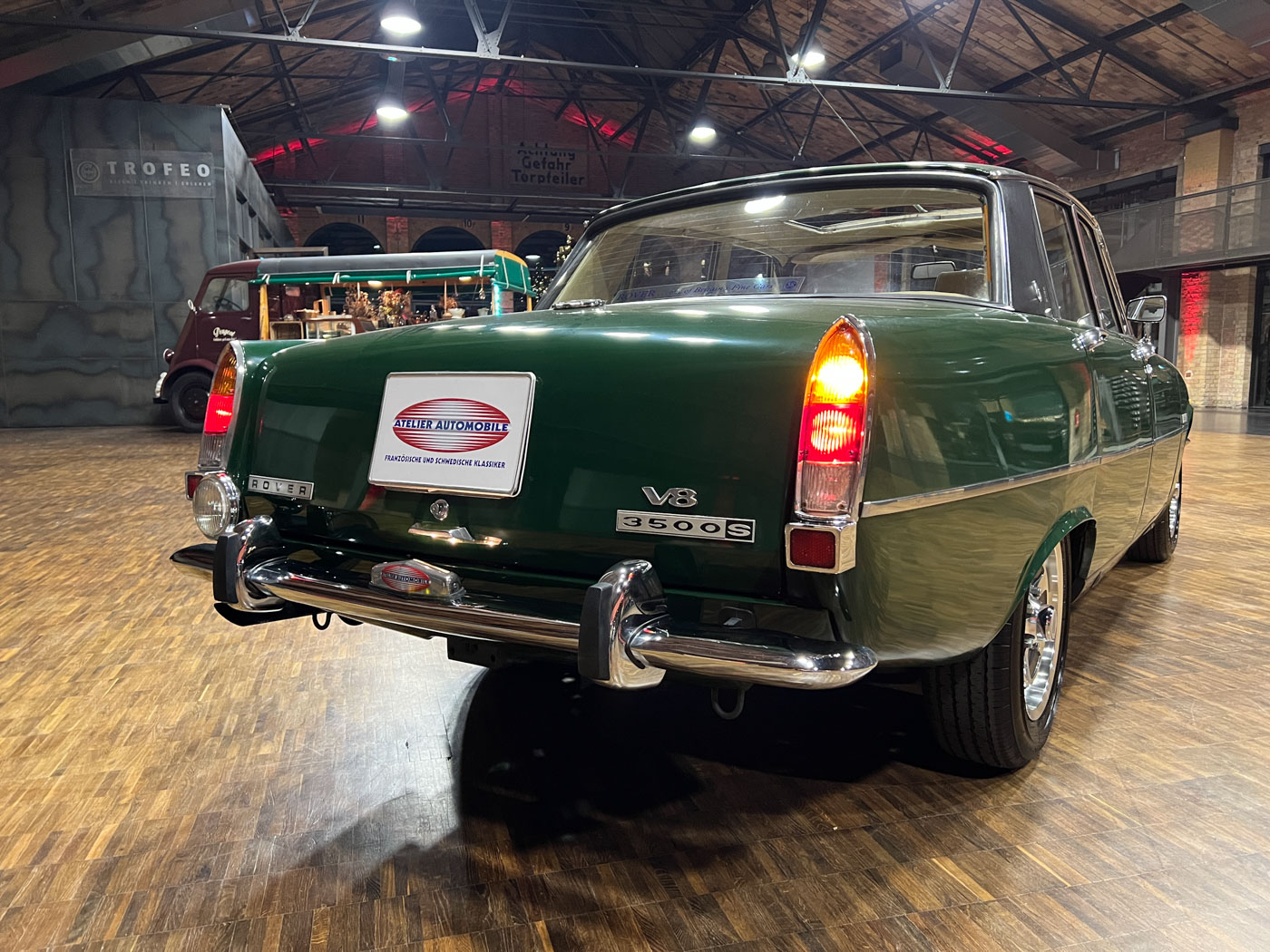
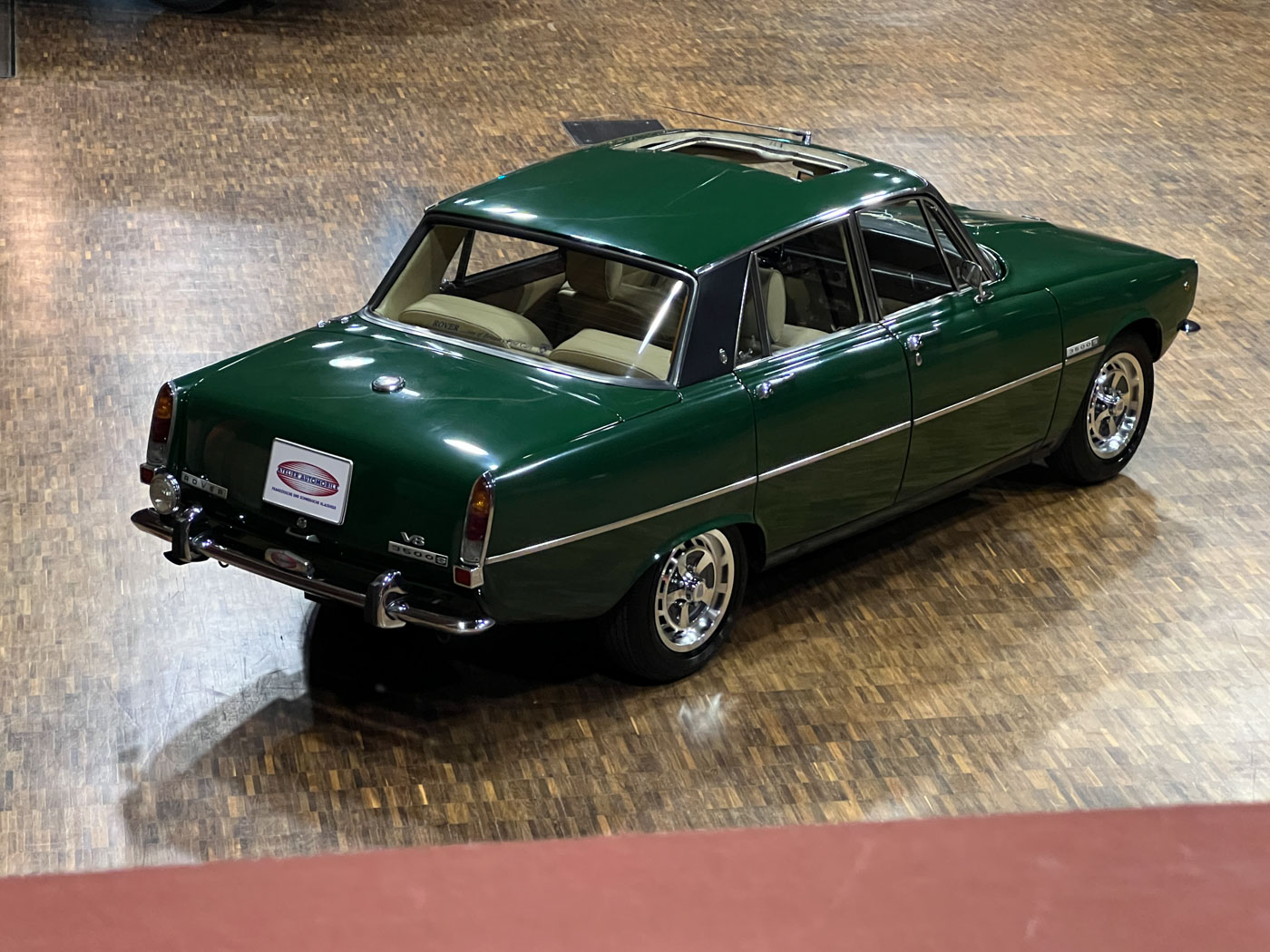
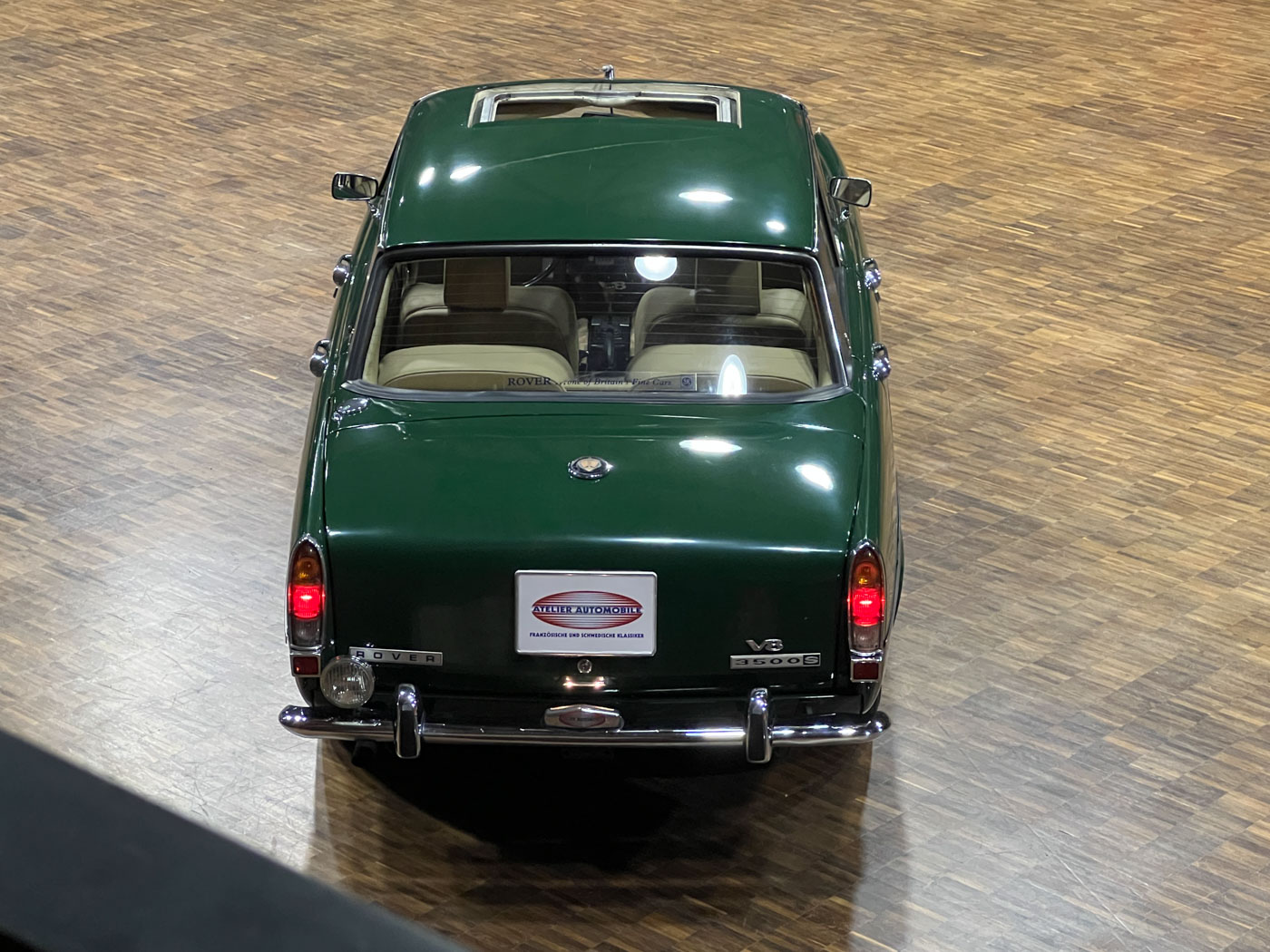
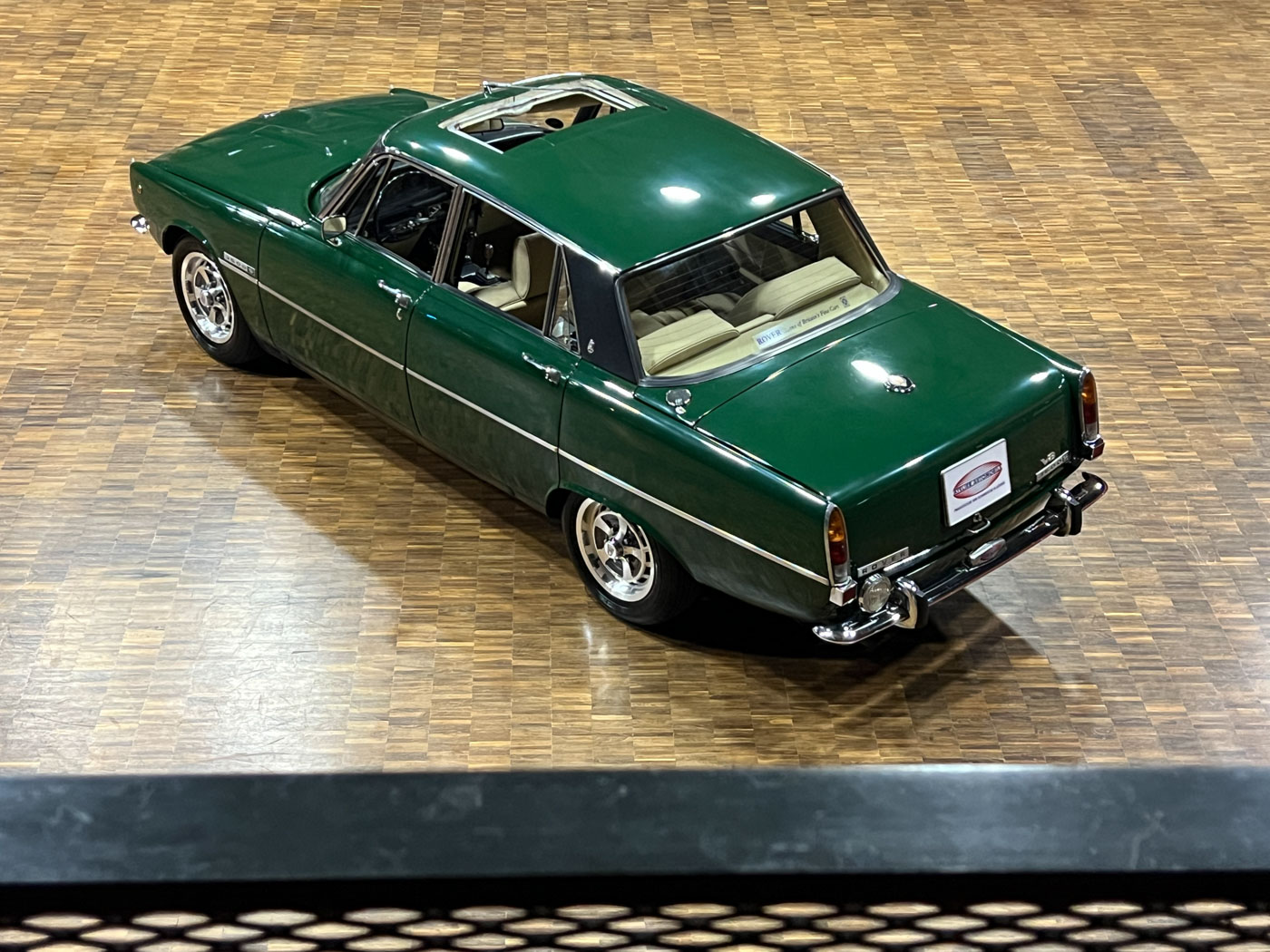
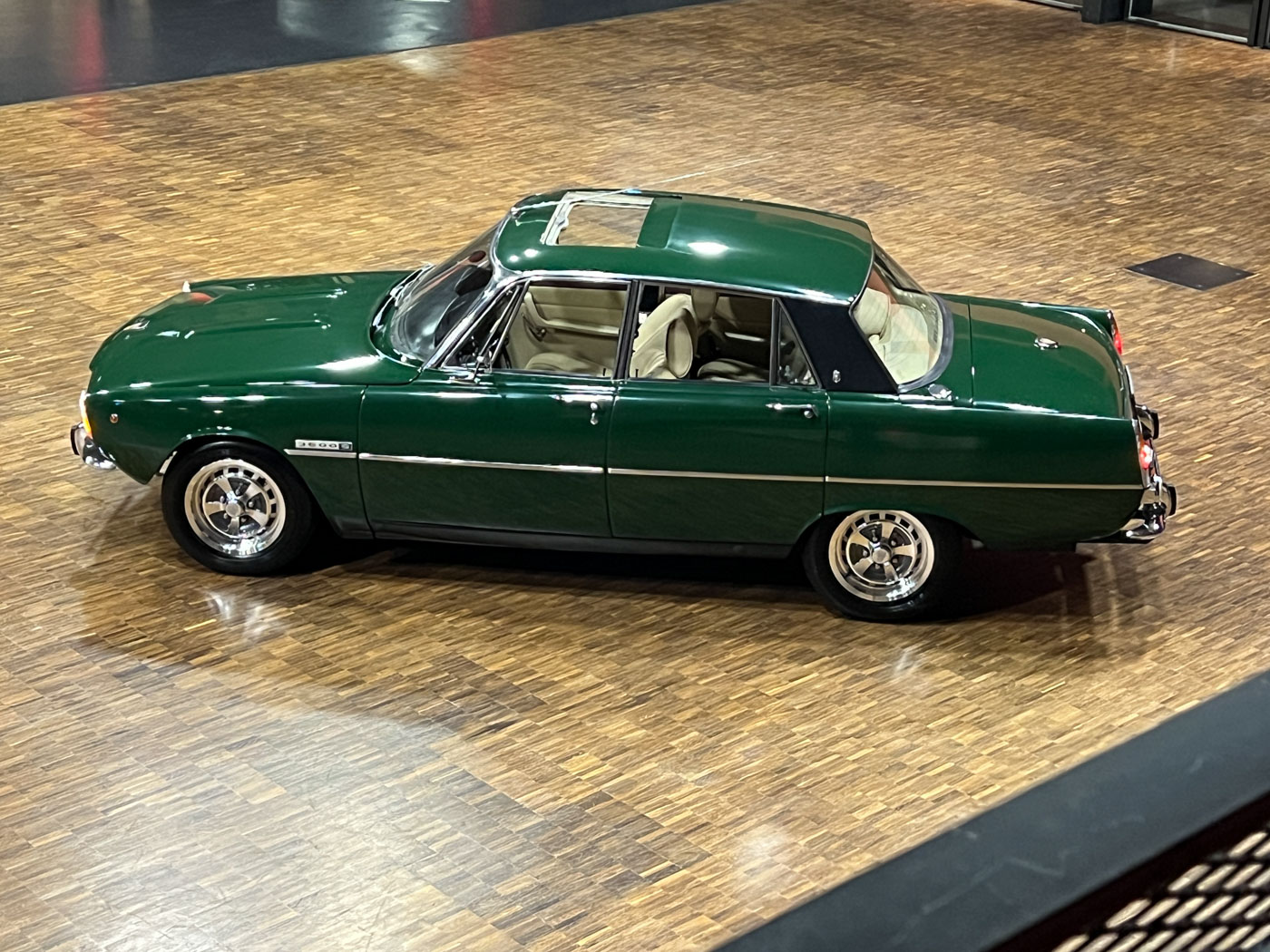
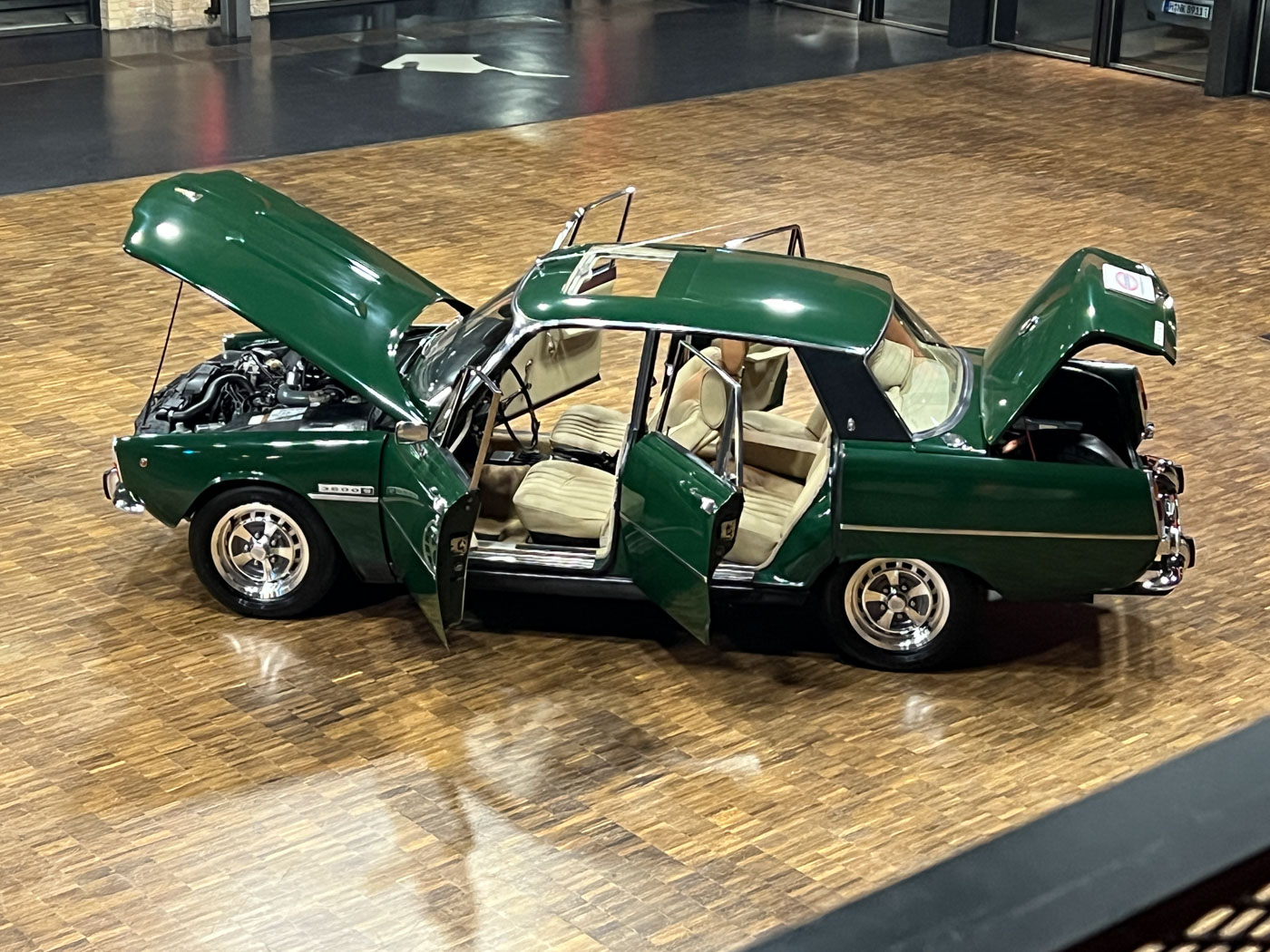
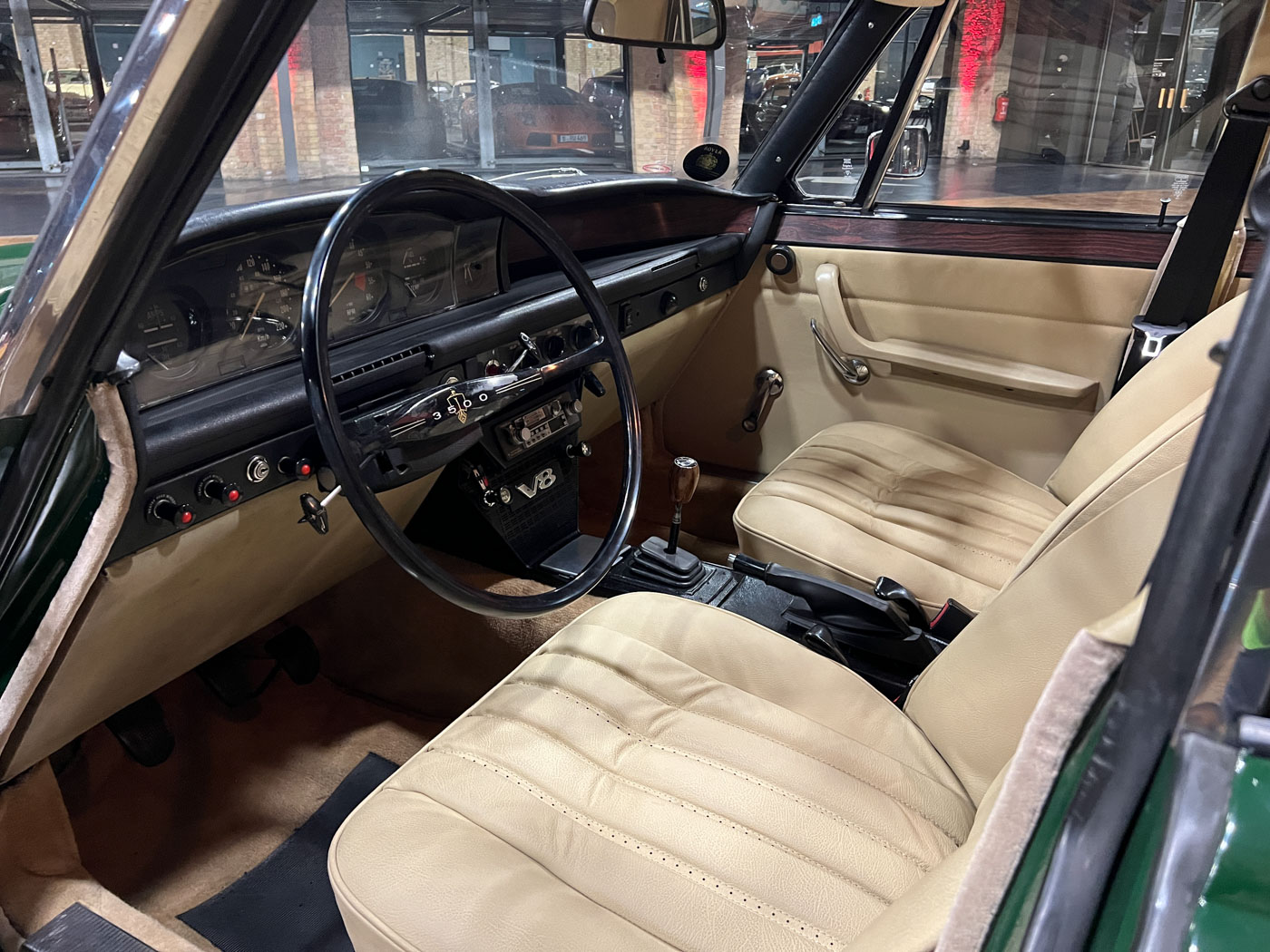
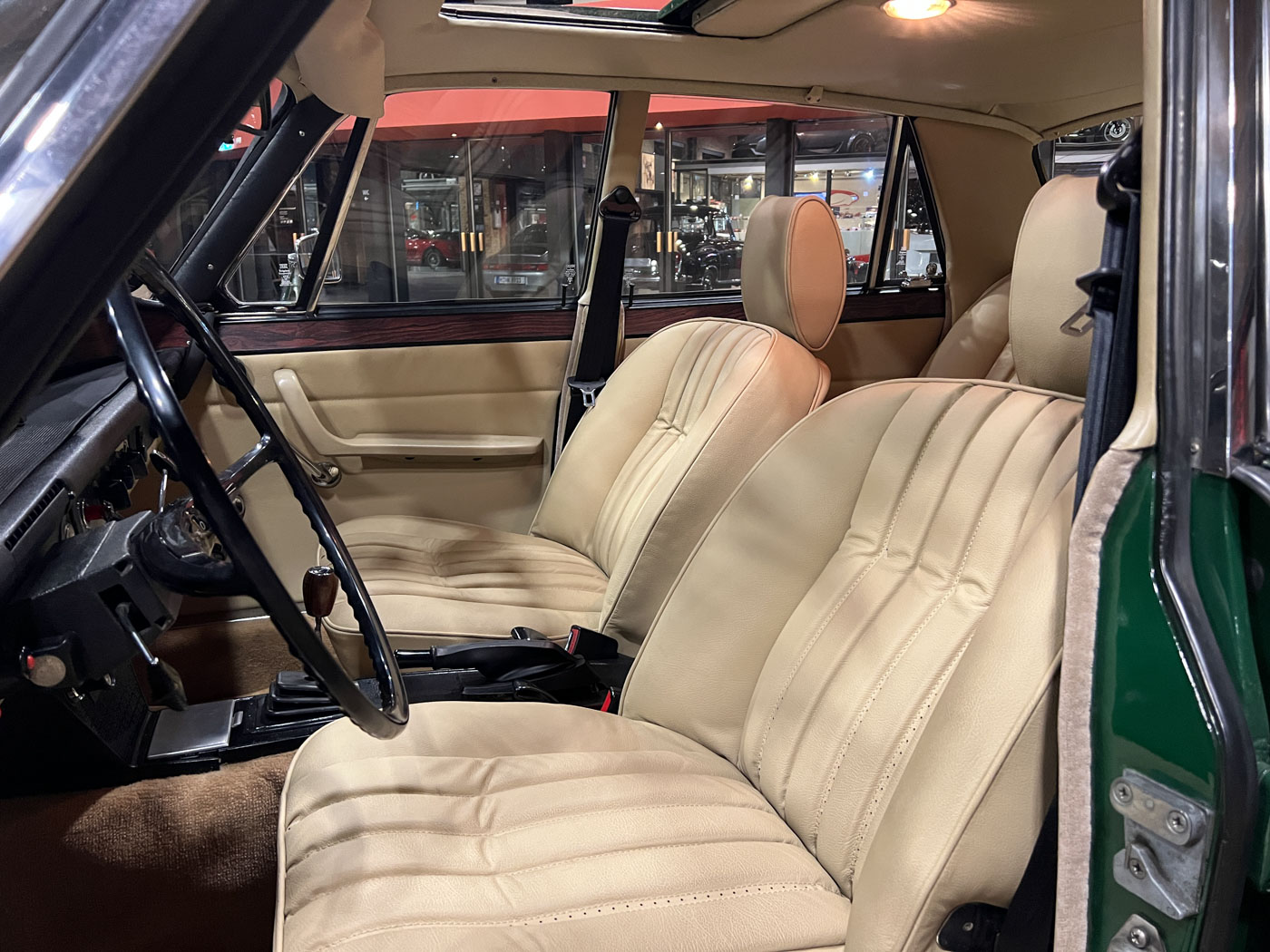
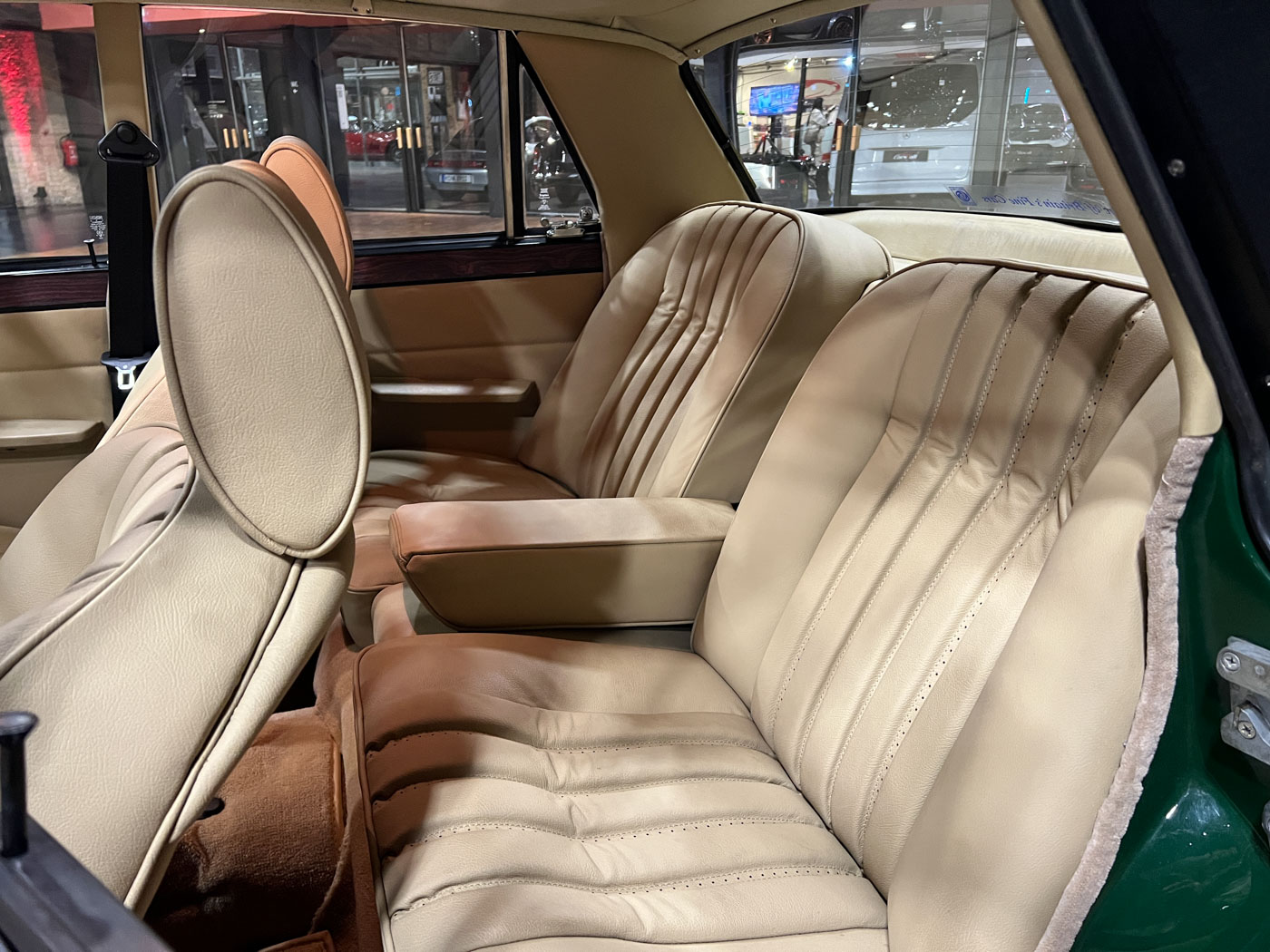
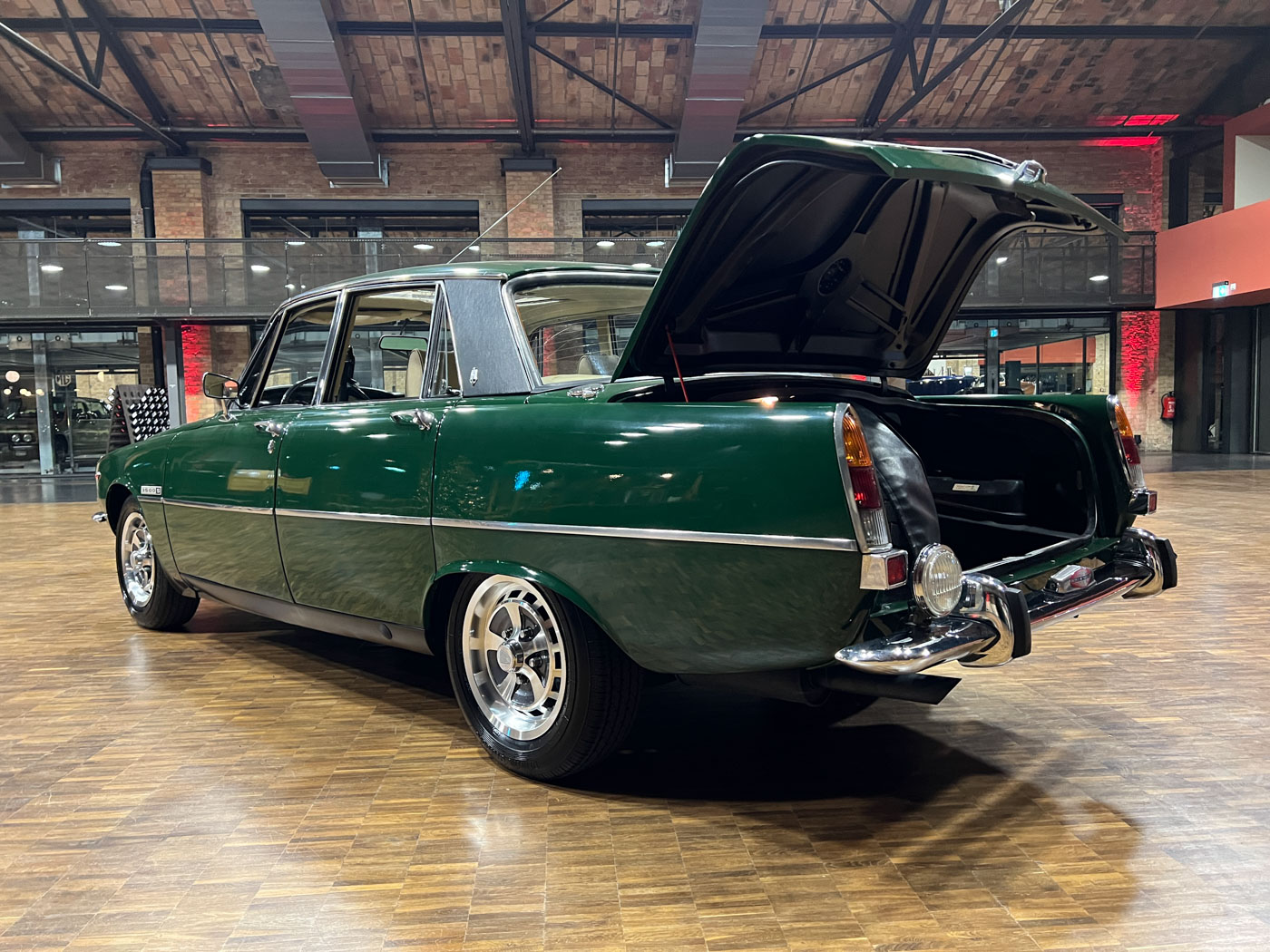
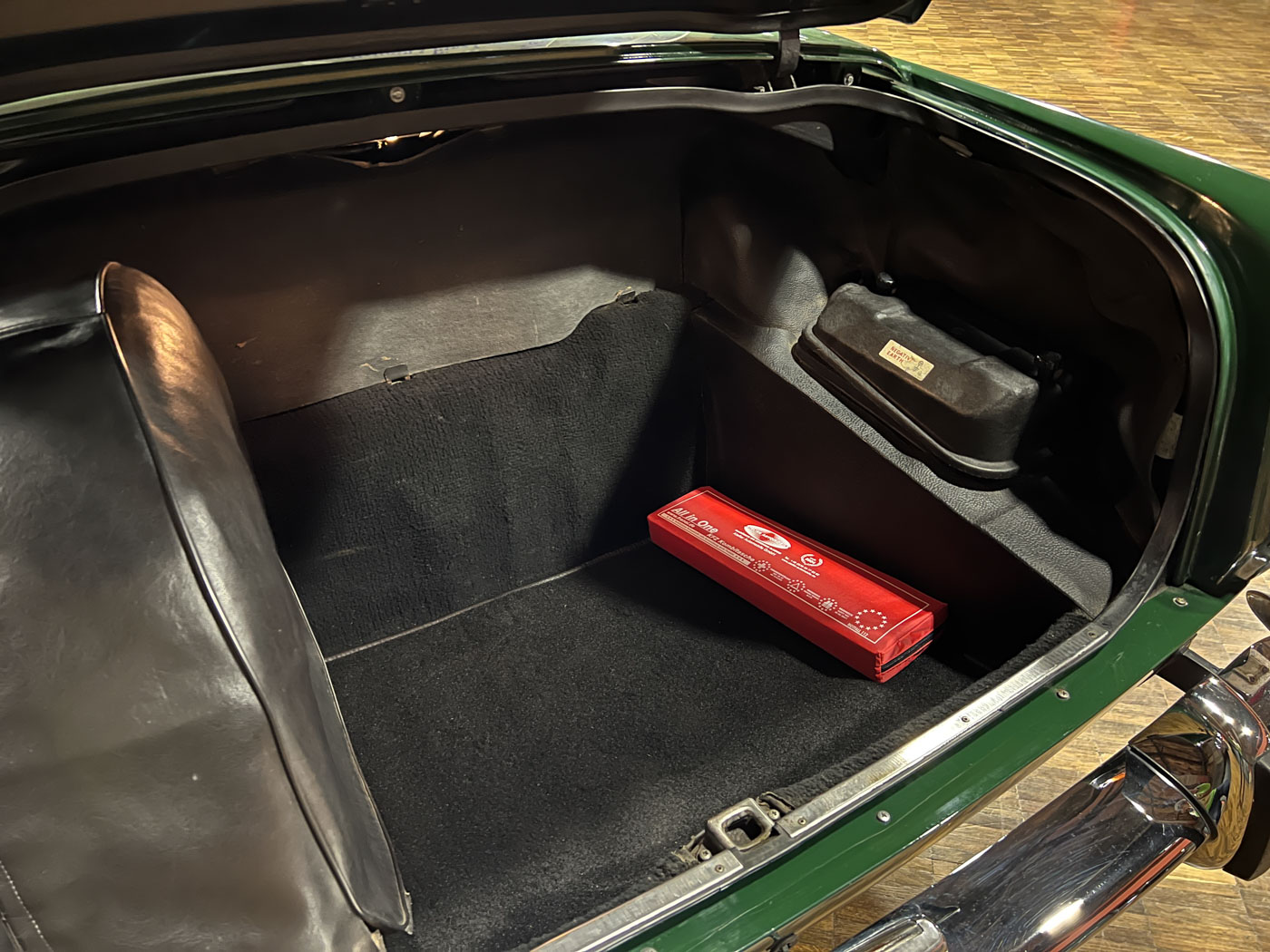
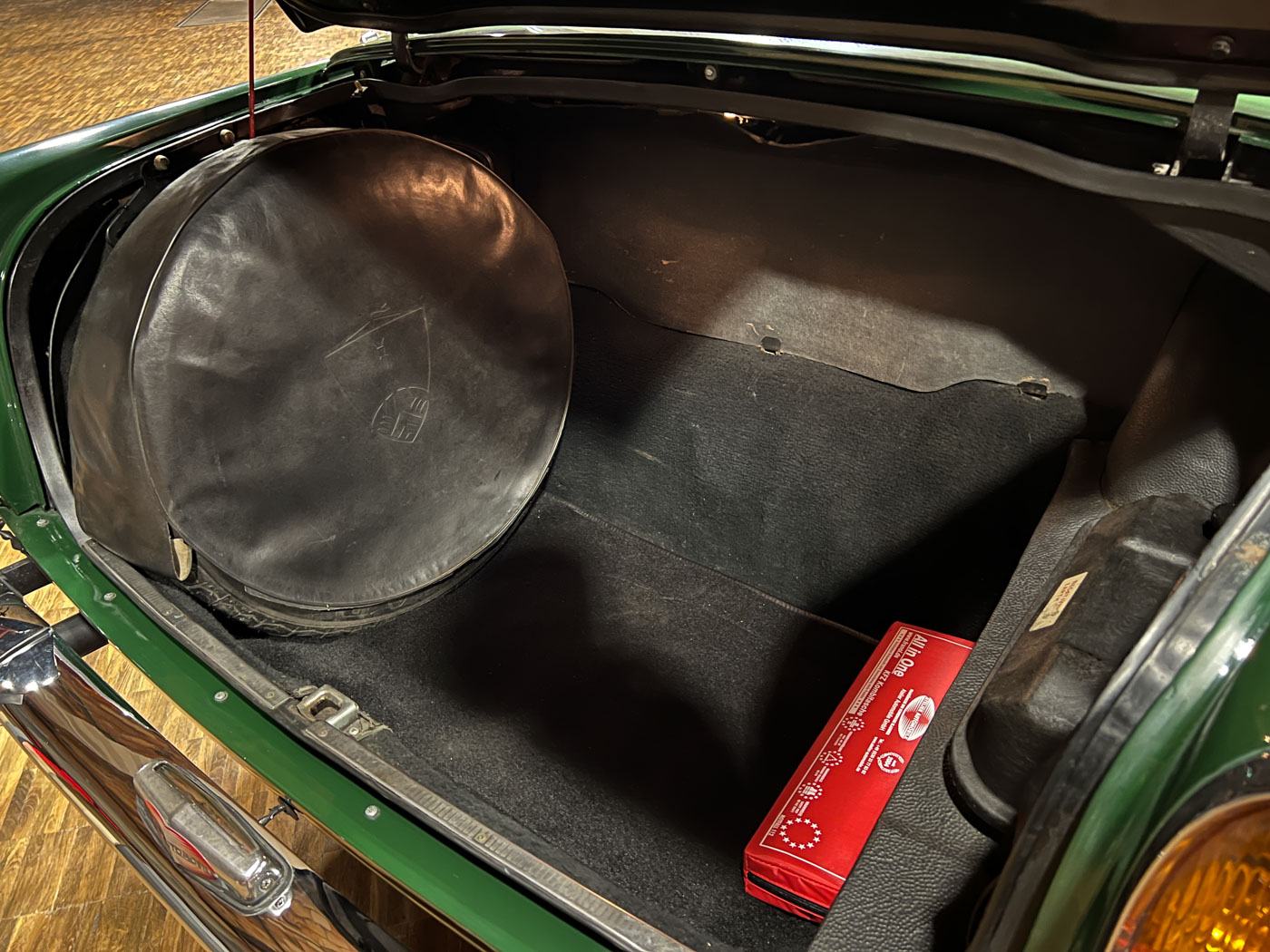
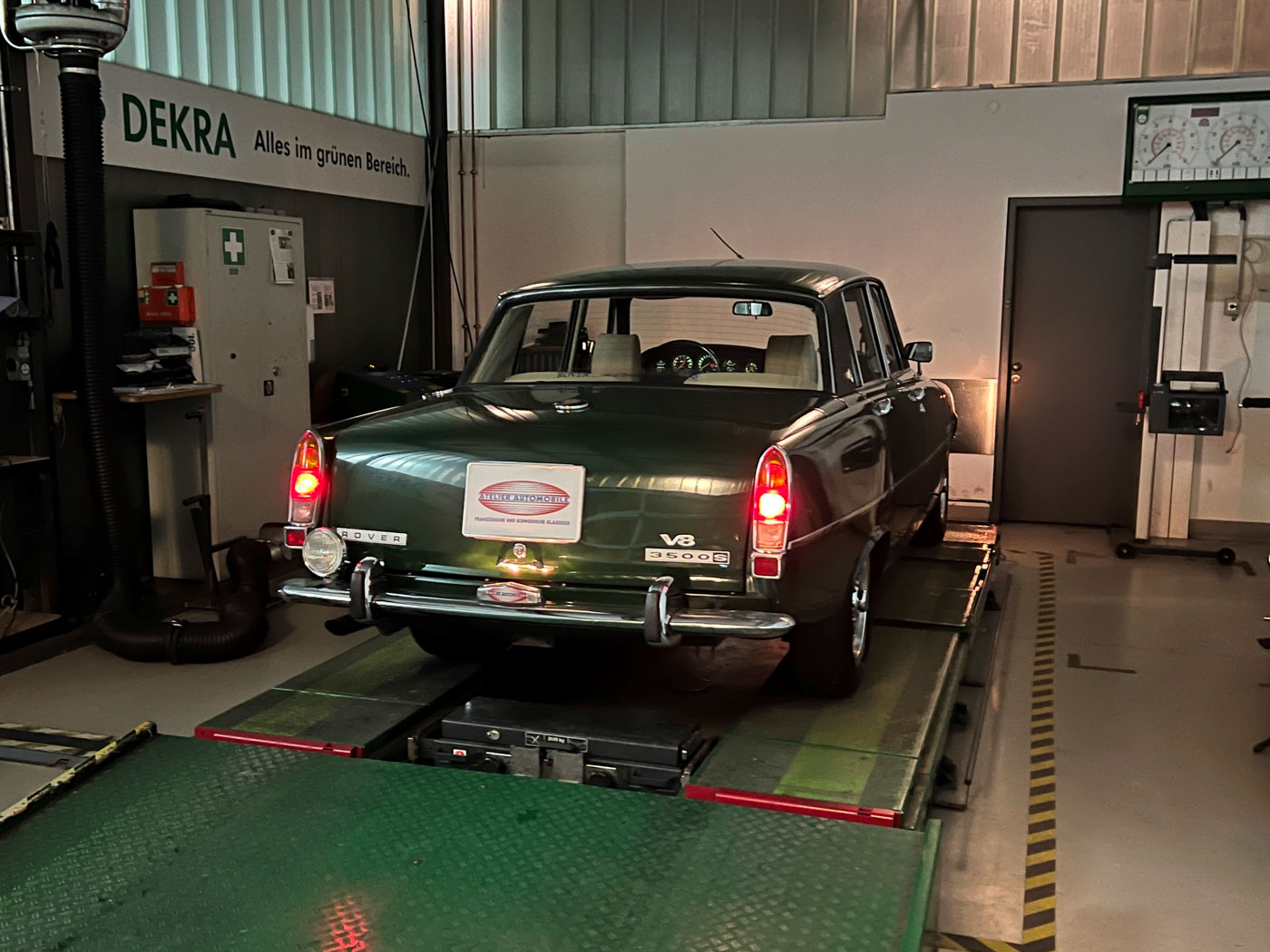
This Rover 3500 S, with a 5-speed manual transmission, electric sunroof, and diamond-cut aluminum wheels, was delivered in Italy in 1974. Unfortunately, we currently have no information about its time in Italy. In July 2021, this vehicle was featured in the Italian classic car magazine “Manovella,” and in December 2021, it also received an editorial mention in the German classic car magazine “Oldtimermarkt.” Shortly before this, the car had been imported to Germany by a classic car dealer. This dealer sold the car to someone from North Rhine-Westphalia, who had it mechanically overhauled and the leather interior reupholstered. In 2025, this gentleman from North Rhine-Westphalia received a Citroën DS Break, which we had completely restored over the course of three years. The Rover was intended as a temporary vehicle for him until his dream DS was finished, and therefore we were given the Rover to sell. In the meantime, we had removed the carburetor system, sent it off for overhaul, and reinstalled it. With its British Racing Green paint, light beige leather interior, and high-gloss rims, the car exudes a certain “Britishness,” or rather, a classic British flair.
We subject every vehicle to a systematic inspection – from the bodywork and engine to the electrical system. Based on this, we prepare three proposals. You decide which one best suits your needs.
Economy – €24,000
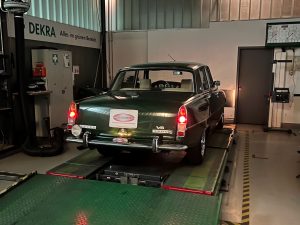
A roadworthy and safe vehicle with a major service, oil change, classic car certification, and valid vehicle inspection until December 2027.
Standard – €26,400
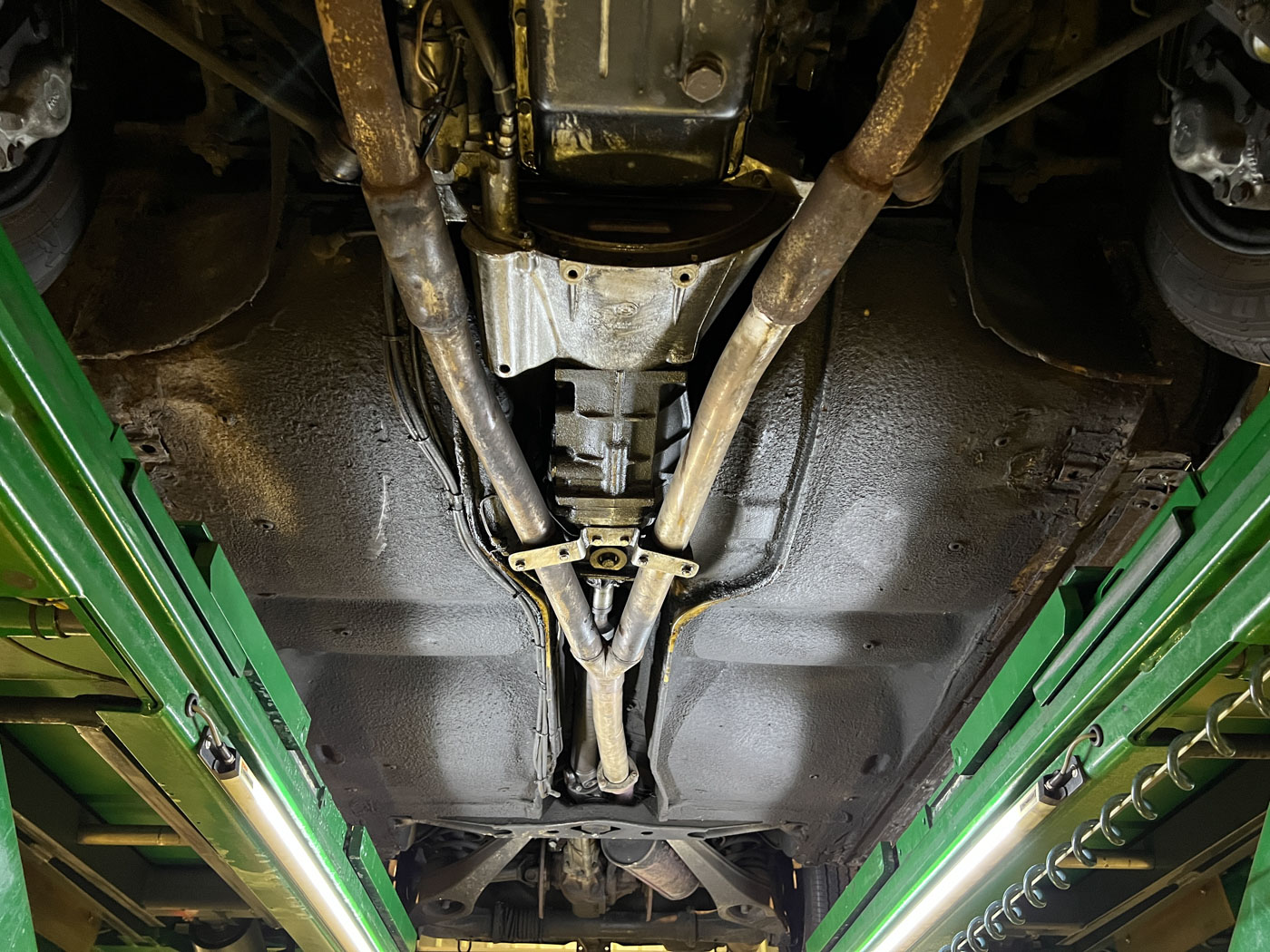
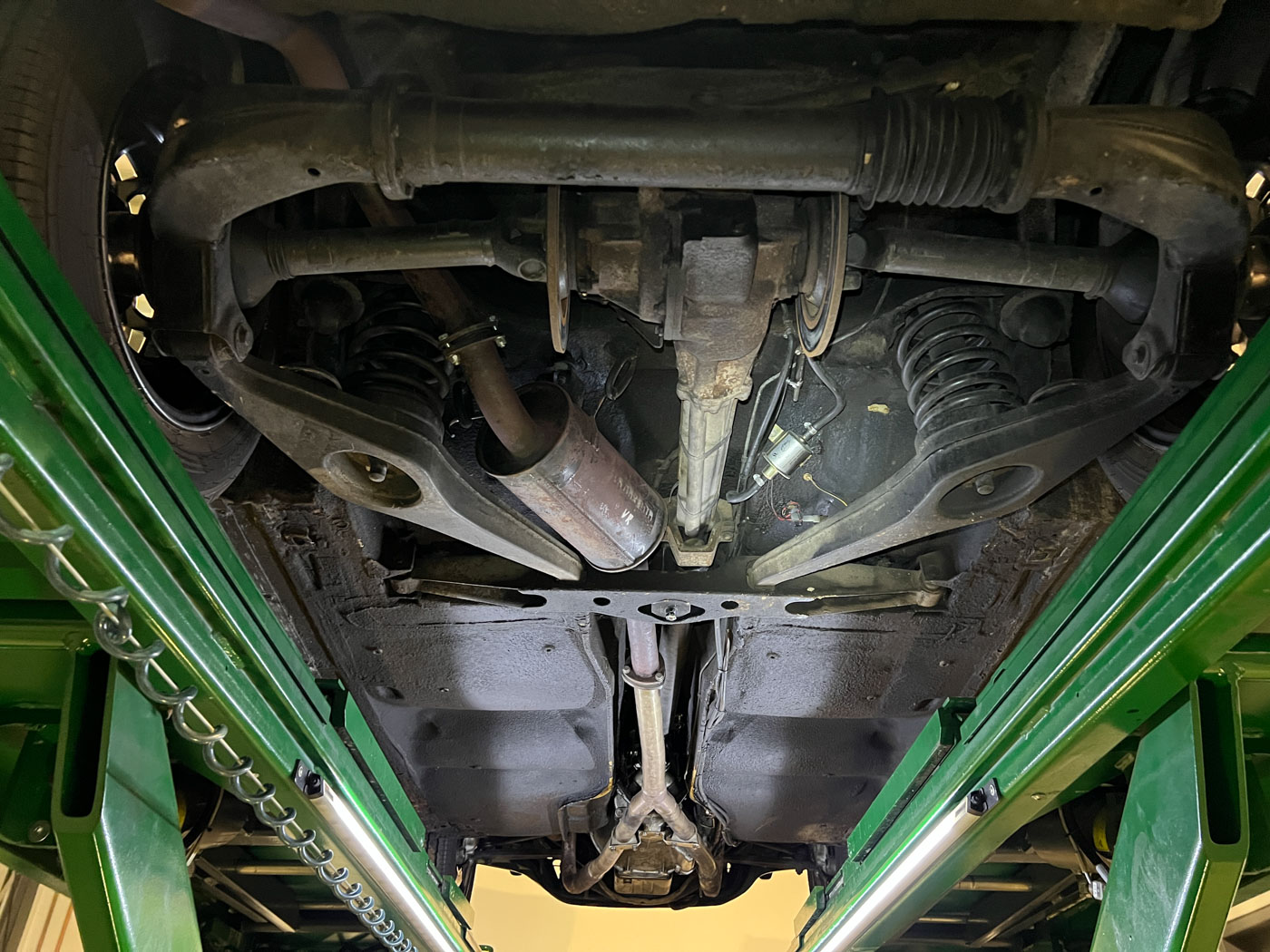
Includes the repair of corrosion damage on the left rear underbody and the optimization of the center console.
Supreme – €27,800
Includes cavity and underbody protection with wax.
We would be happy to send you the details of the three proposed offers. Or simply give us a call and we will explain everything to you personally.