During World War II, nations across the globe came to appreciate the American Jeep, sparking the development of similar vehicles almost everywhere in the post-war era. The British did the best job, ultimately surpassing the Jeep. Rover built the first prototypes in 1947, and the Land Rover entered production in 1948. Initially, only open-topped models were available, featuring an 80-inch wheelbase and a 50-hp, 1.6-liter gasoline engine. With nearly 8,000 units built in the first year alone, the Land Rover exceeded all expectations. A hardtop version was introduced in late 1948, followed by a seven-seater variant in 1949. In 1951, the 1.6-liter engine was replaced by a 52-hp, 2.0-liter unit. A long-wheelbase version became available in 1954, and a diesel engine option was added in 1957. Production of the original Series I continued until 1958, when it was replaced by the Series II and II-A. A 2.7-liter six-cylinder engine was introduced in 1967. The Series III arrived in 1971, featuring headlights mounted in the fenders rather than between them. The final classic Land Rover rolled off the assembly line on January 29, 2016; in total, around 2 million vehicles were produced. The Land Rover consistently featured rear-wheel drive, selectable four-wheel drive, a low-range transfer case, and power take-offs for auxiliary equipment. After Rover was absorbed into British Leyland in 1966, the Rover Group broke away from the conglomerate in 1986. Rover was owned by BMW from 1994 to 1999 and by Ford from 2000 to 2008; since then, it has belonged to the Indian manufacturer Tata. None of these changes in ownership diminished the brand’s prestige, and the Land Rover remains the quintessential off-road vehicle.
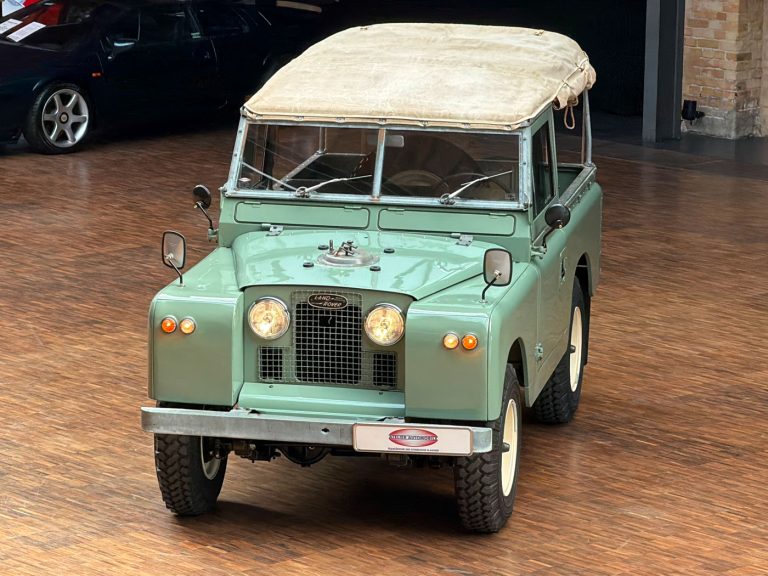
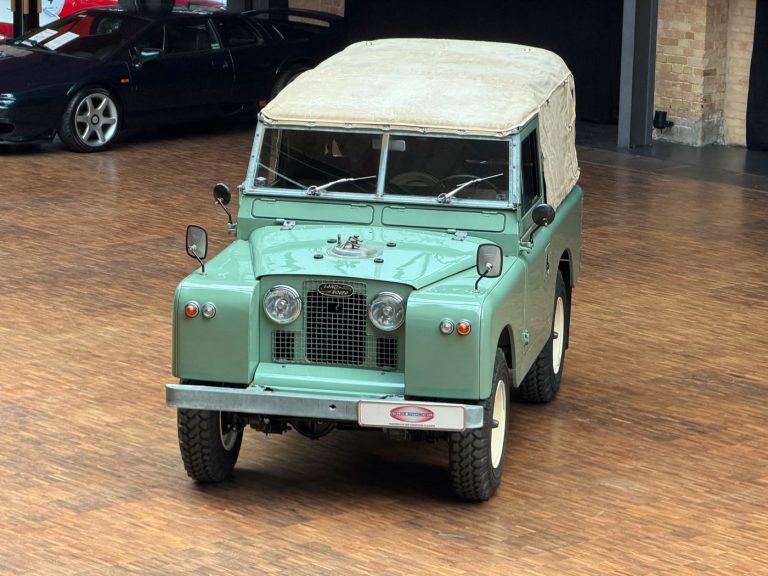
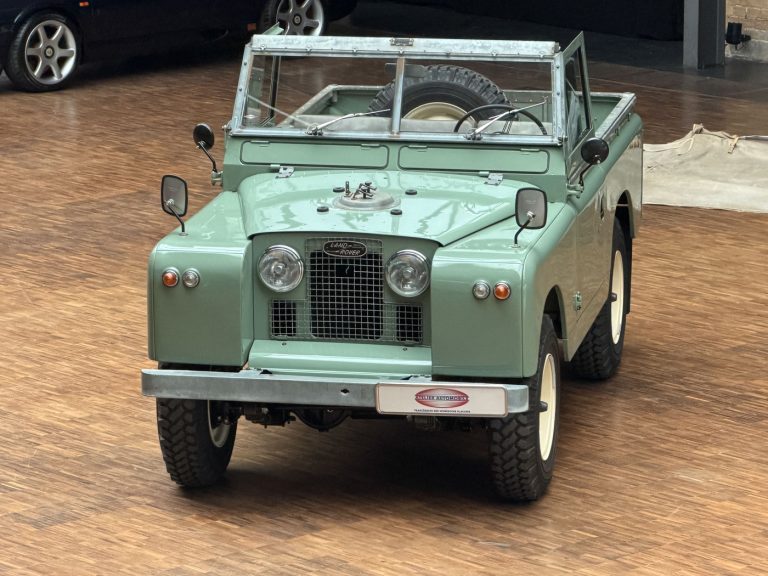
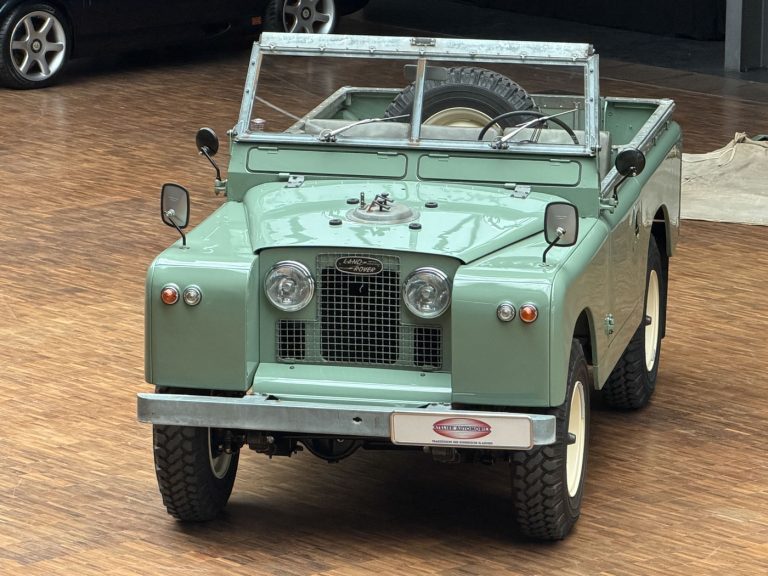
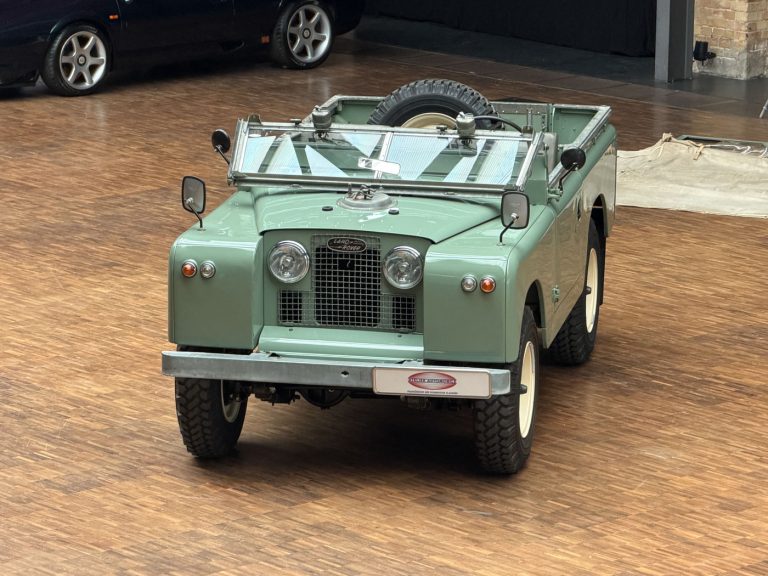
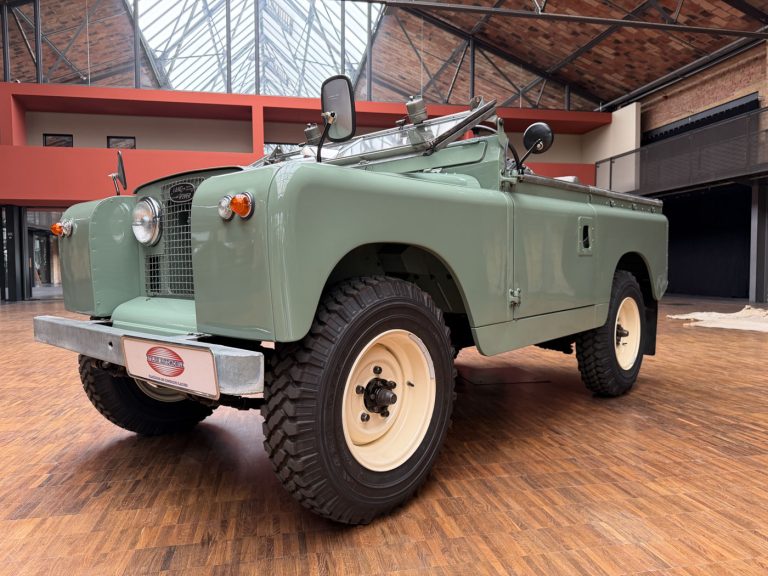
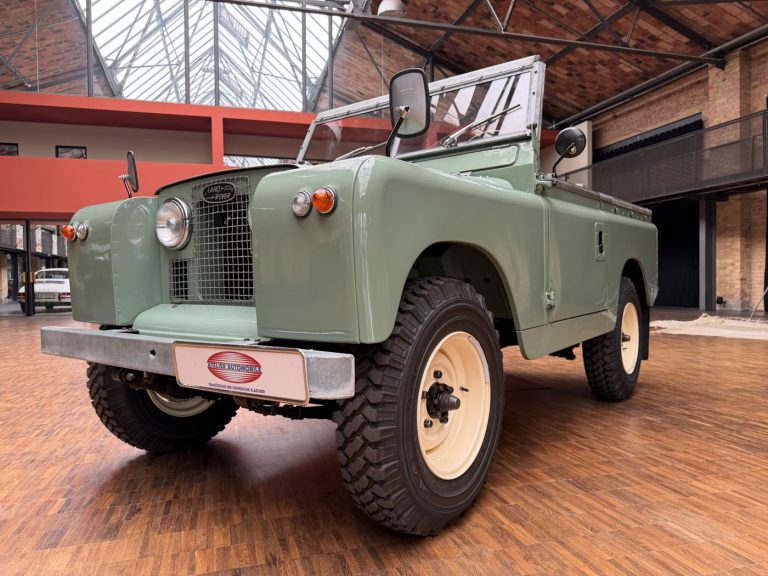
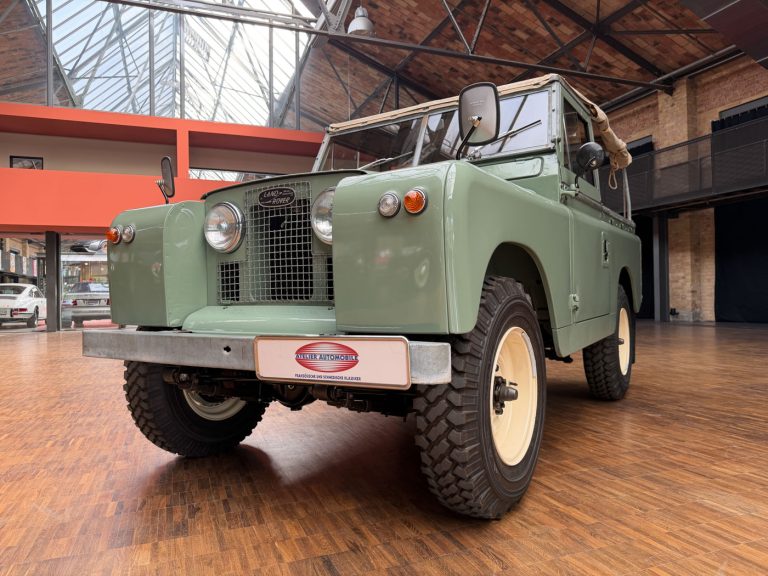
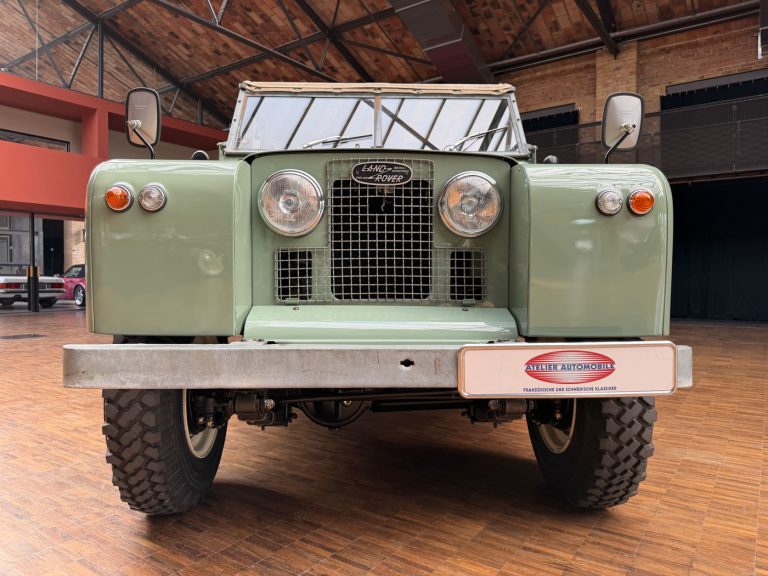
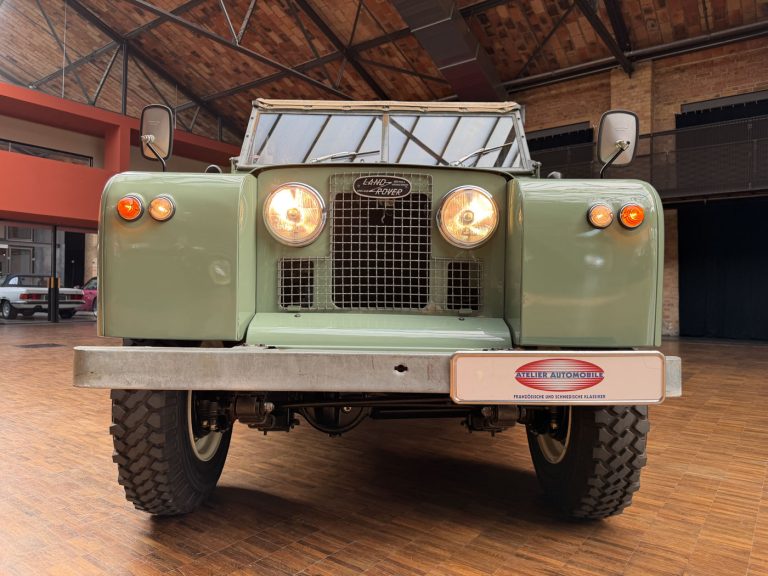
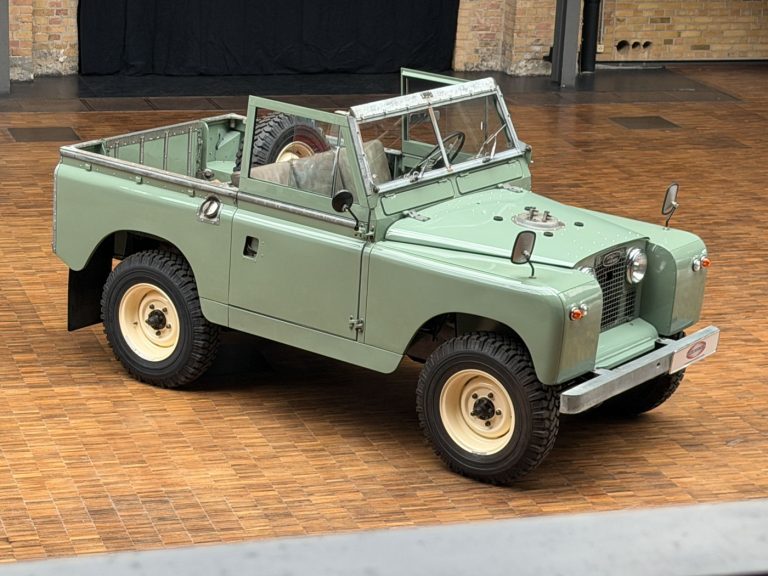
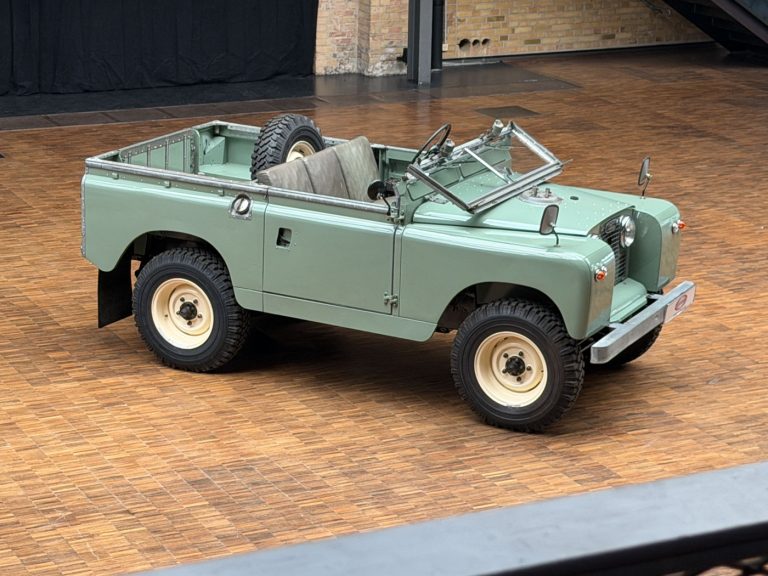
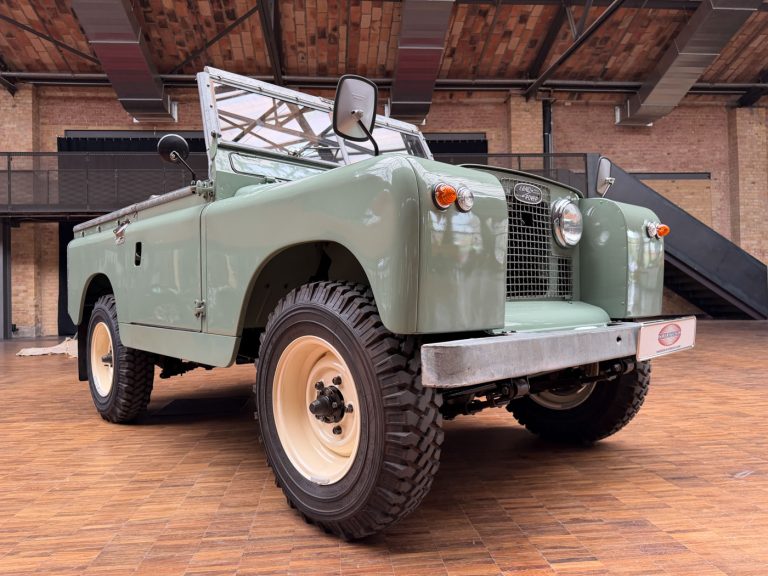
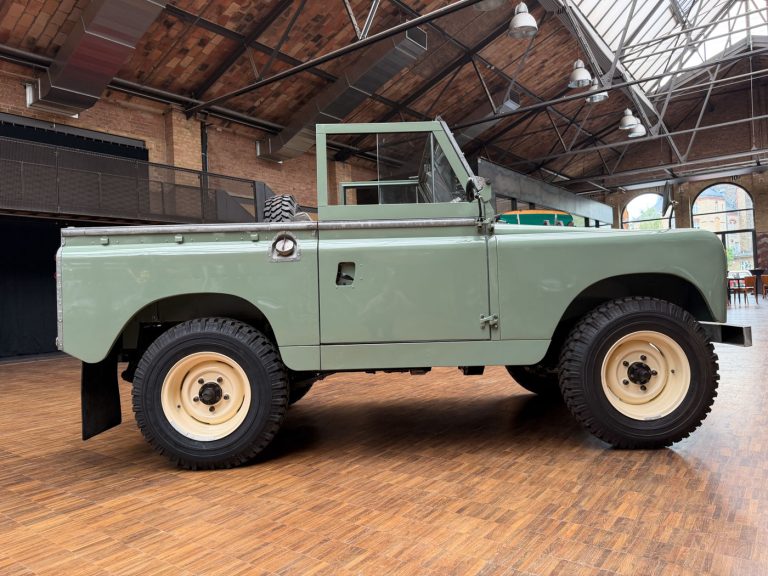
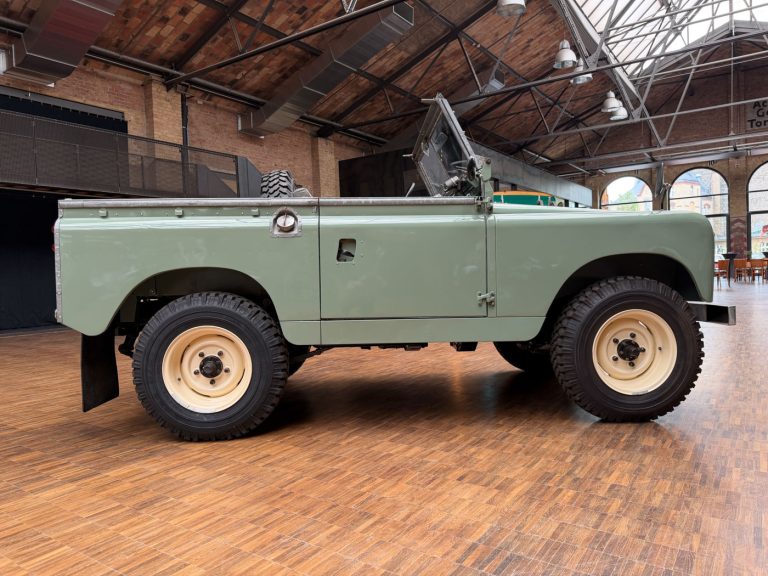
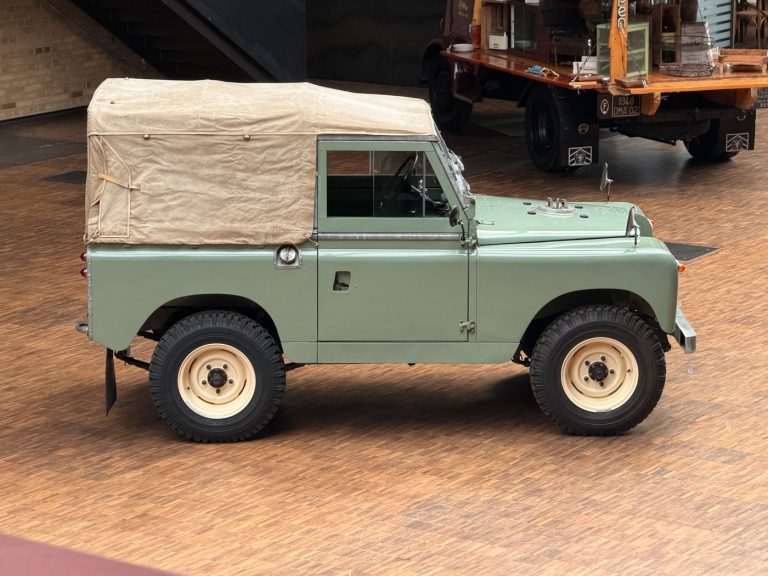
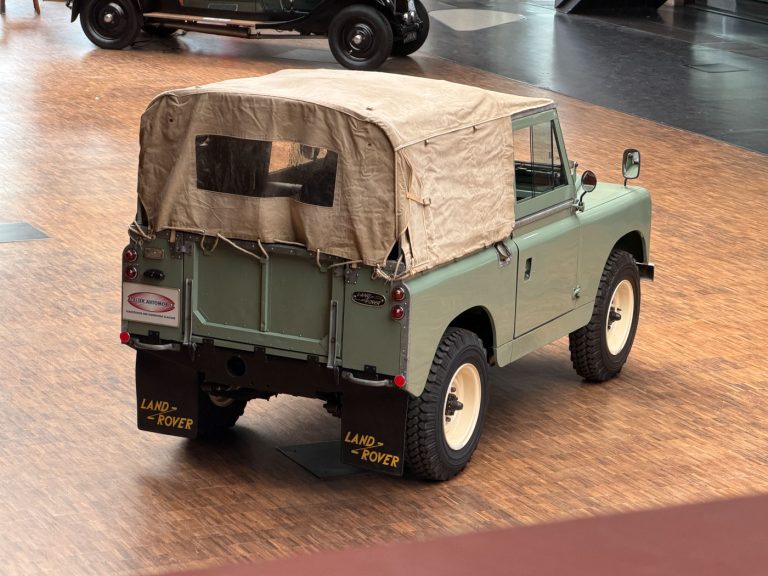
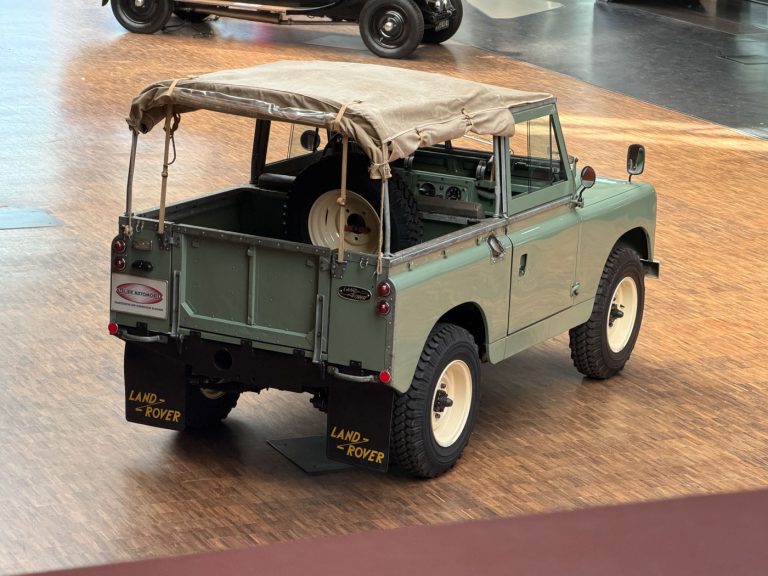
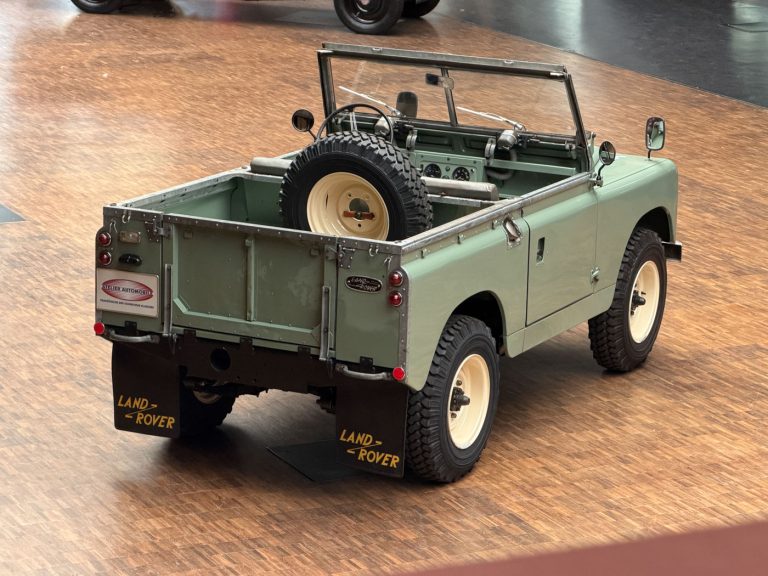
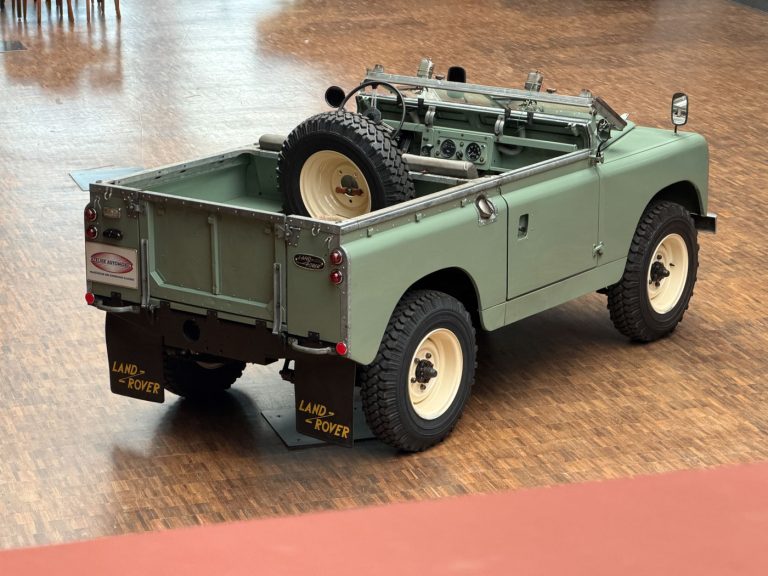
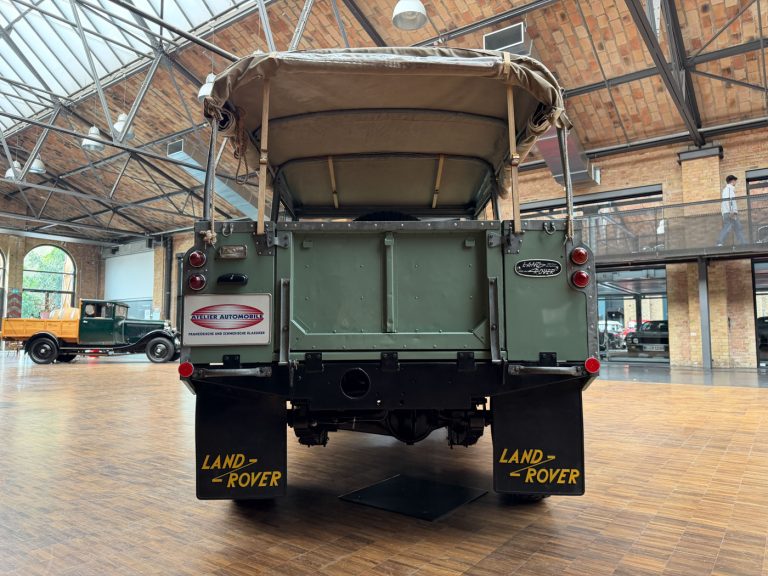
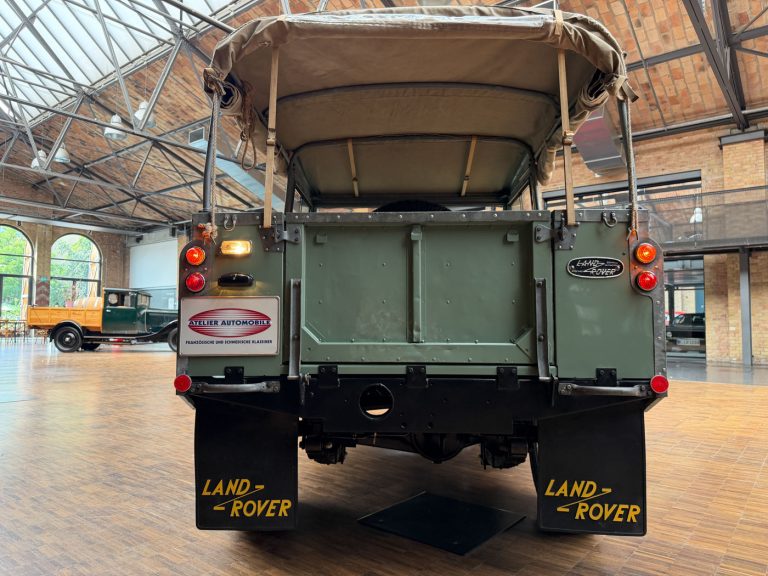
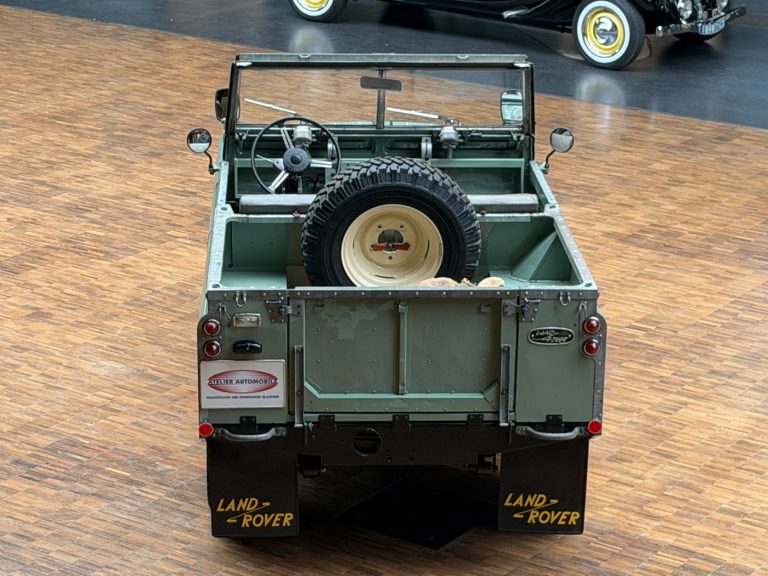
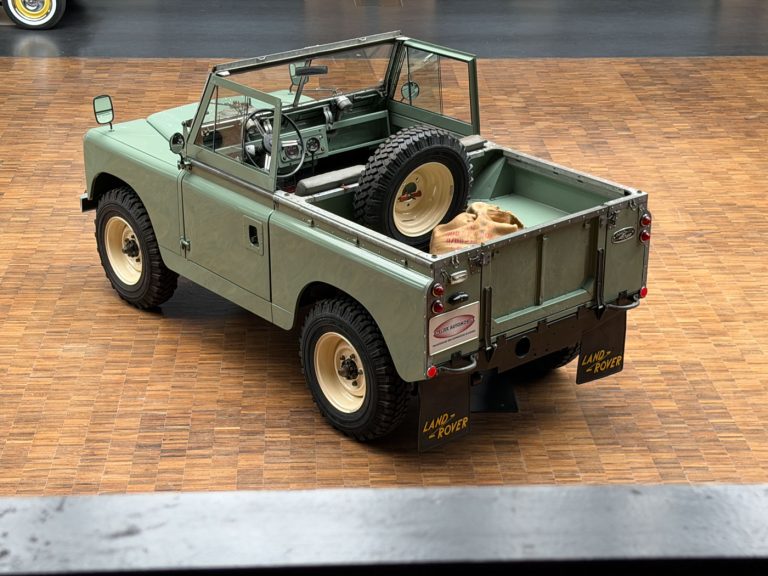
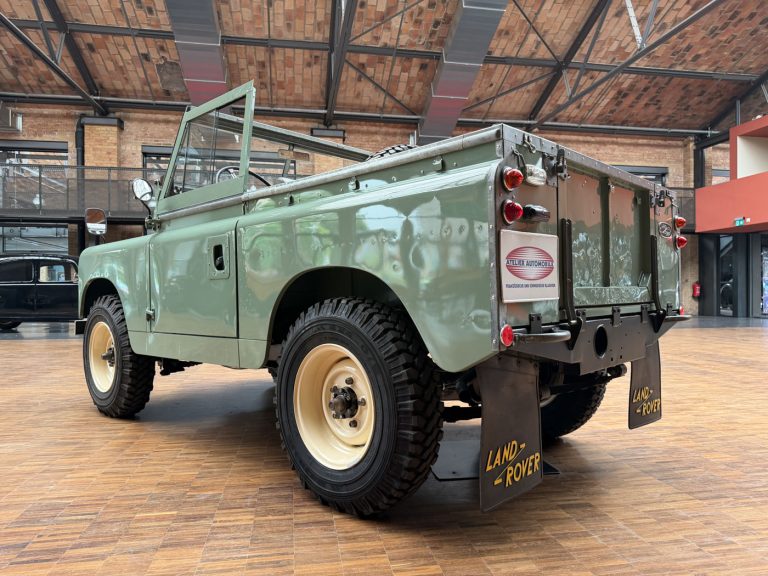
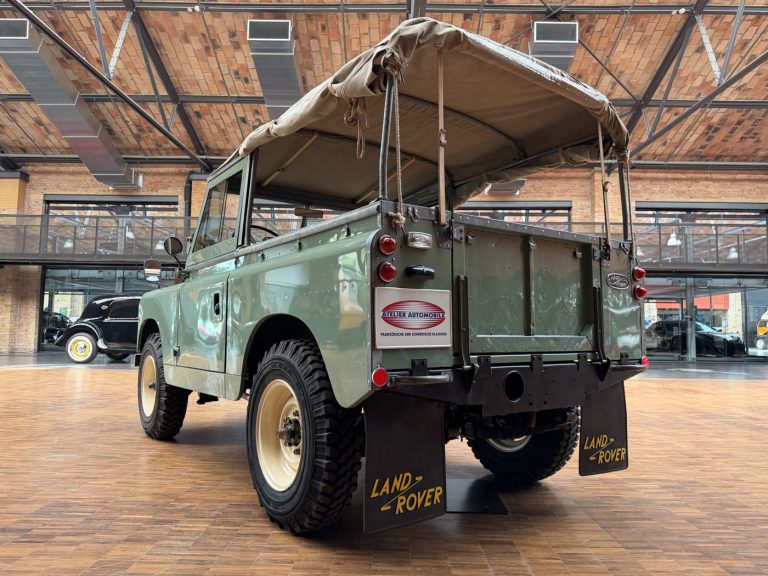
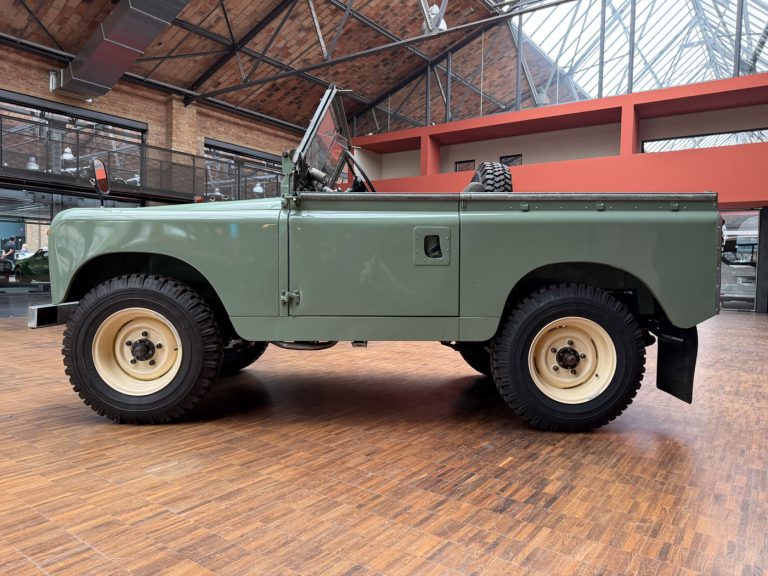
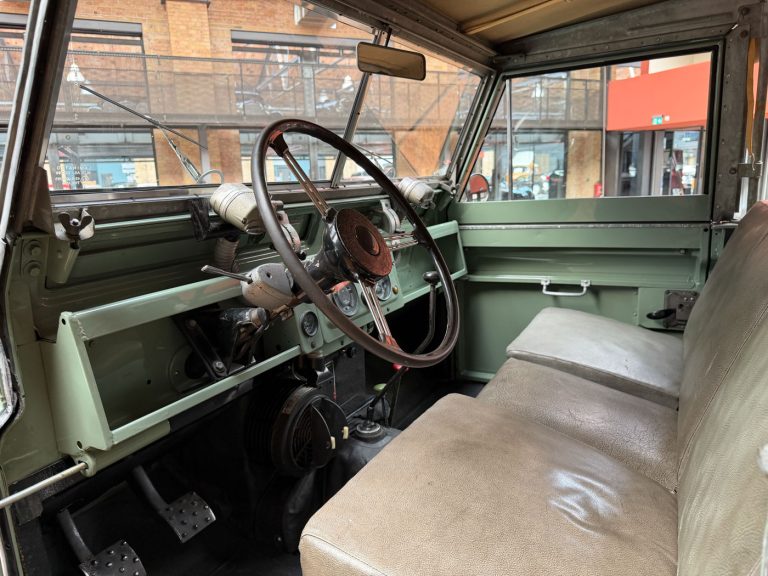
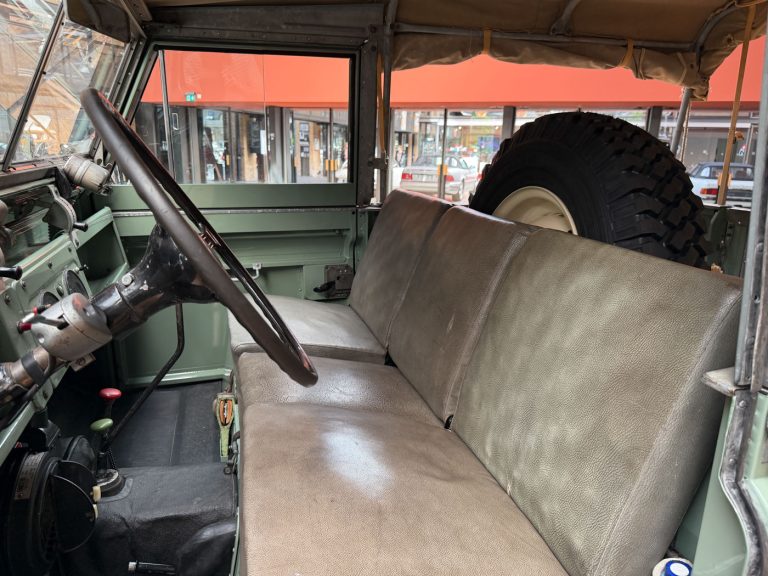
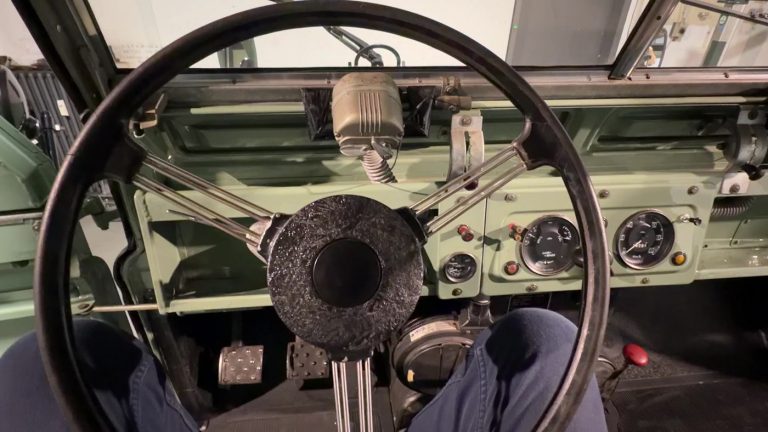
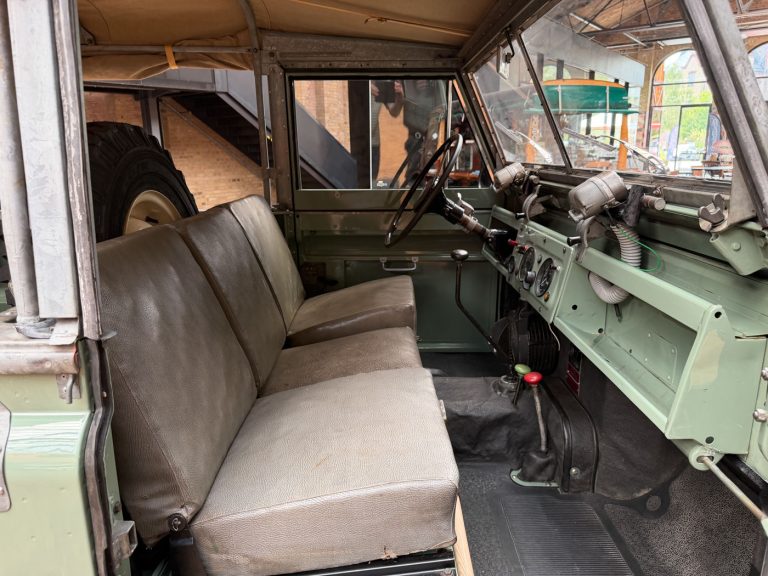
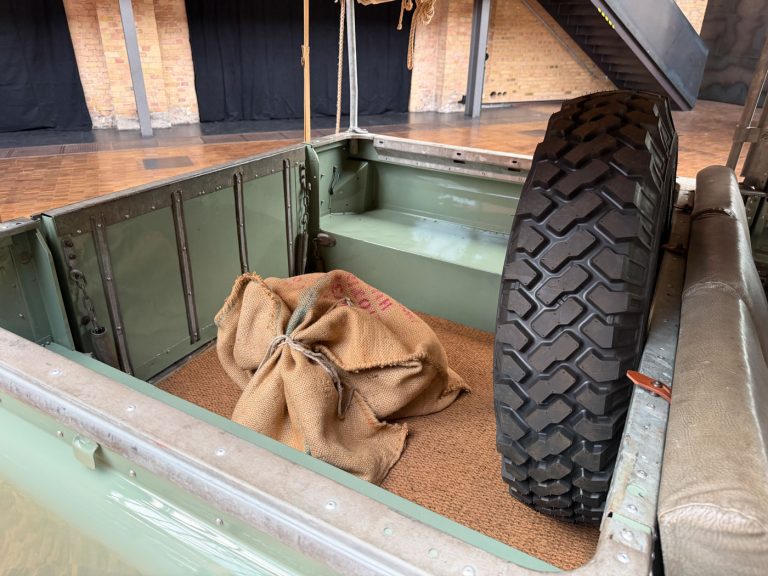
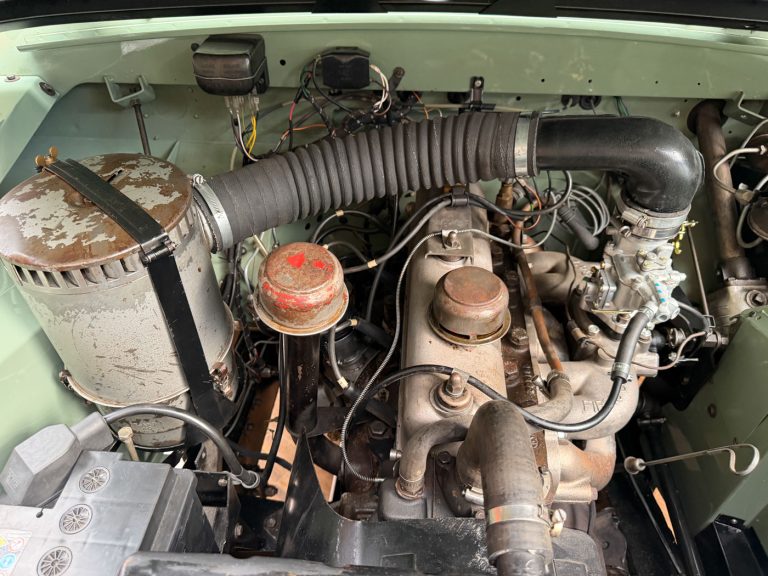
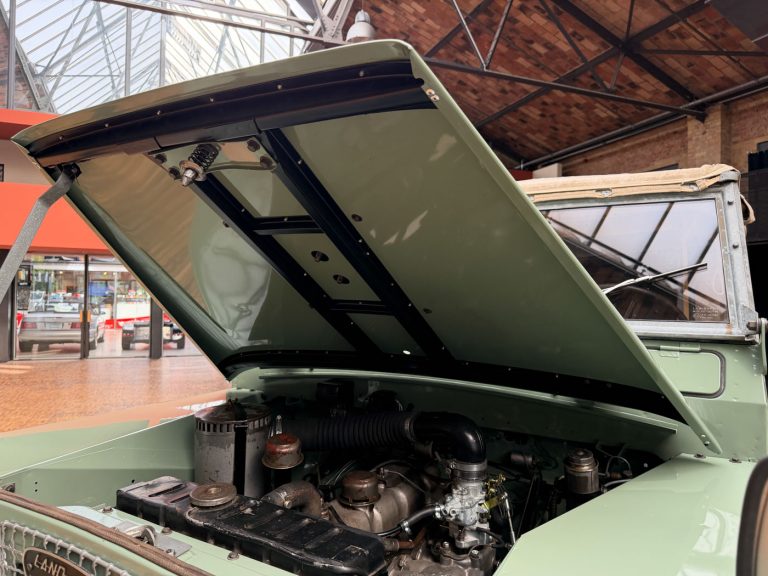
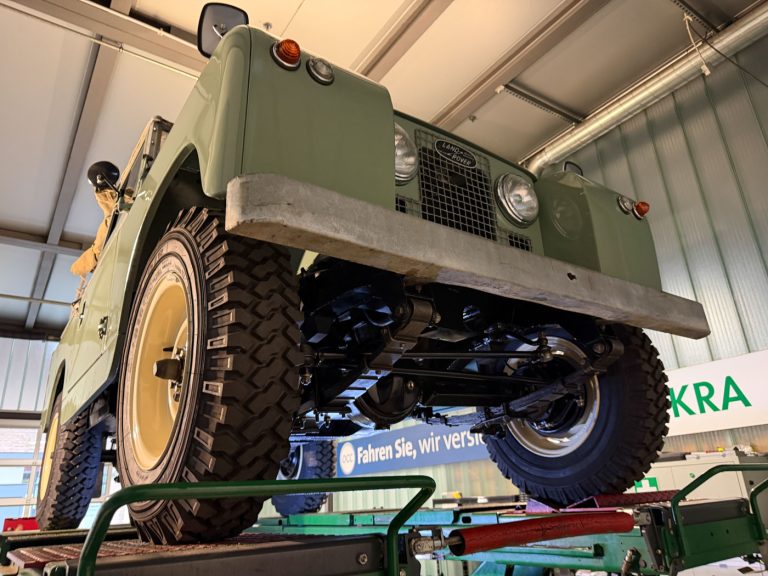
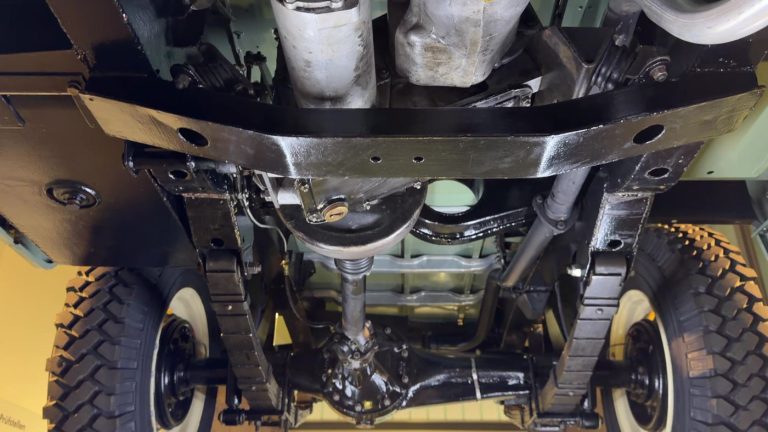
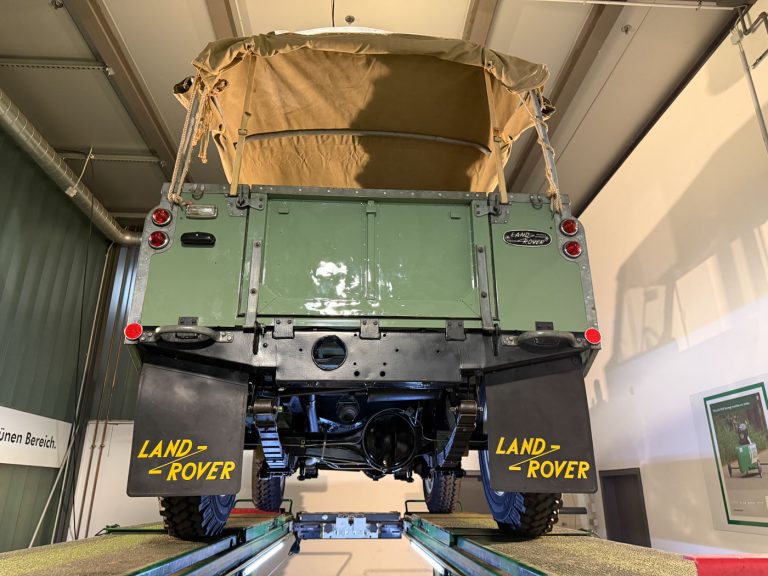
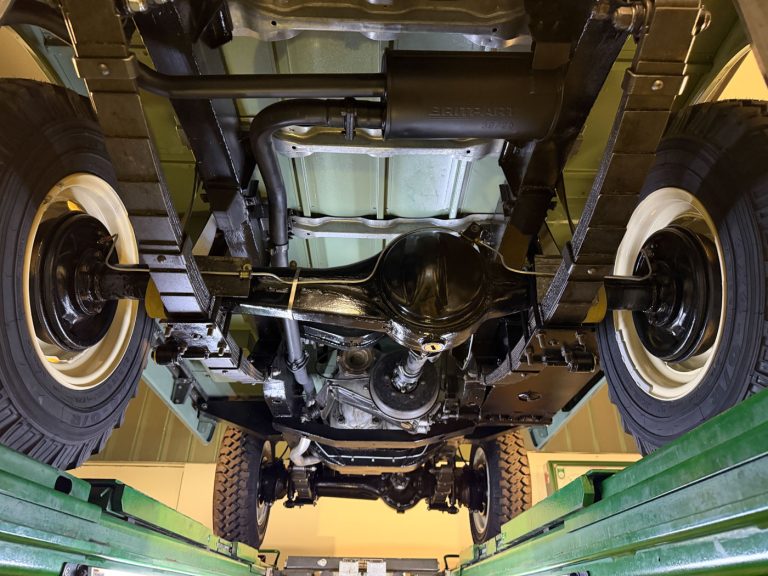
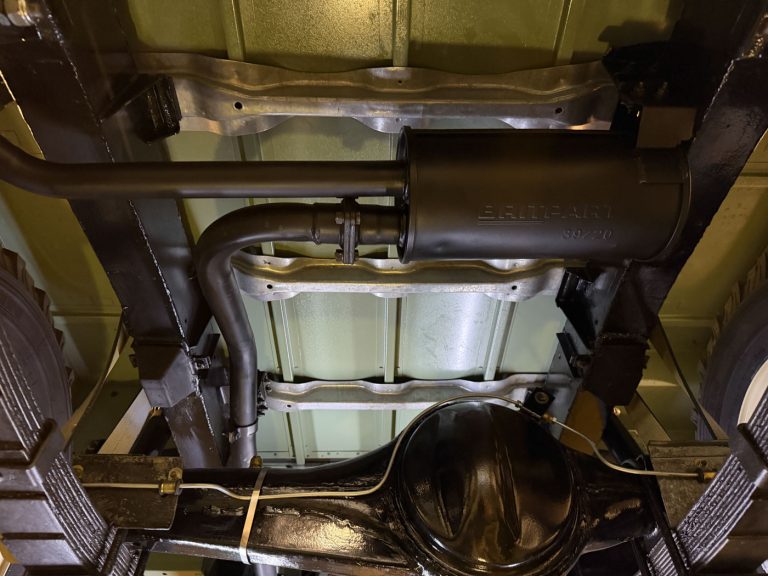
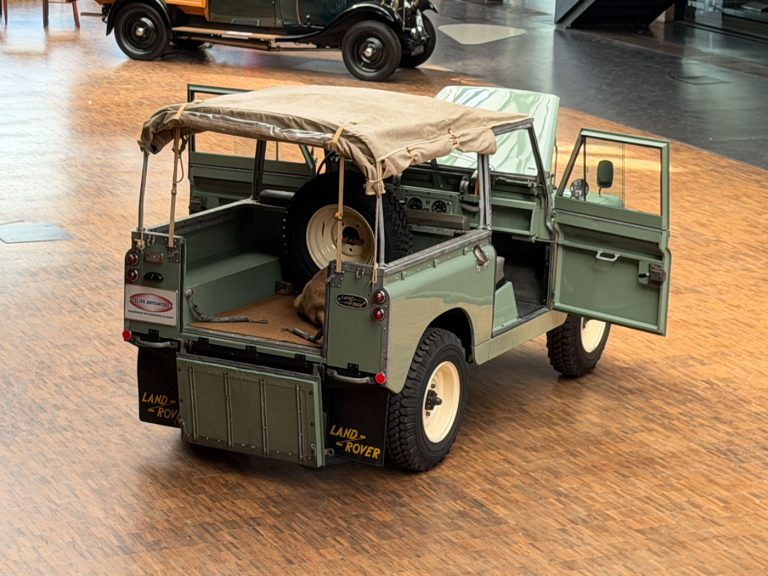
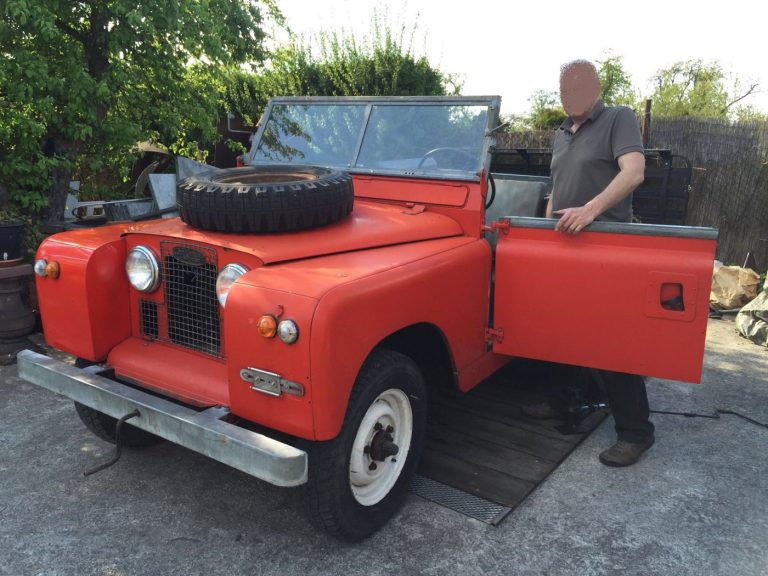
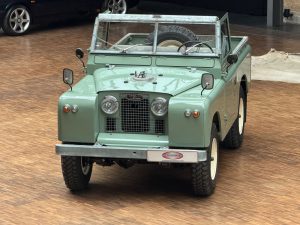
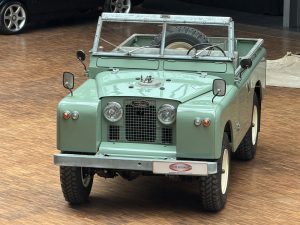
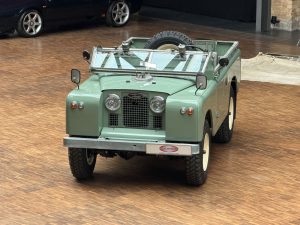
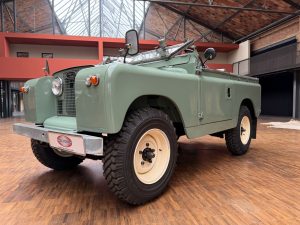
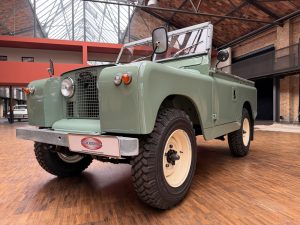
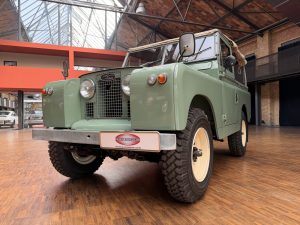
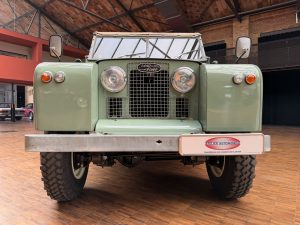
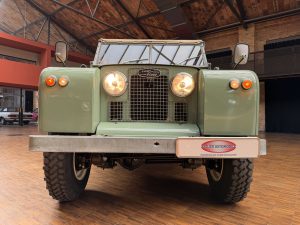
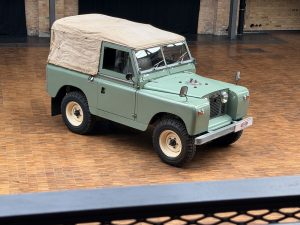
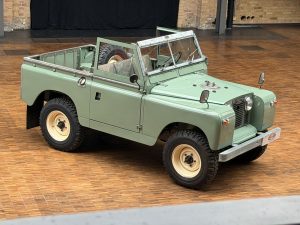
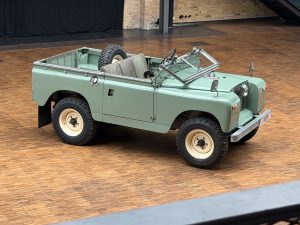
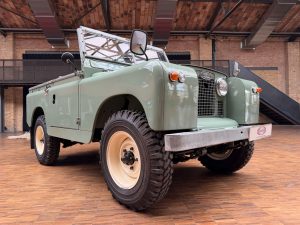
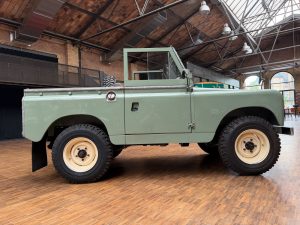
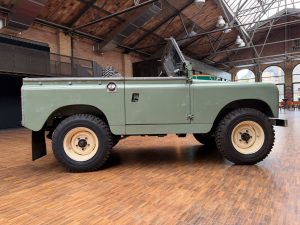
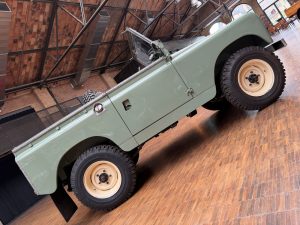
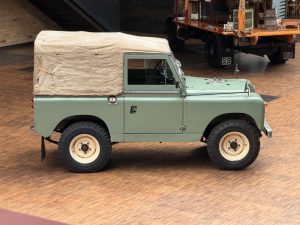
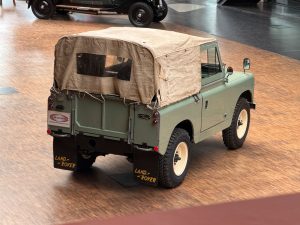
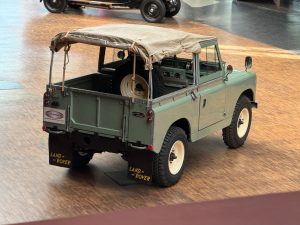
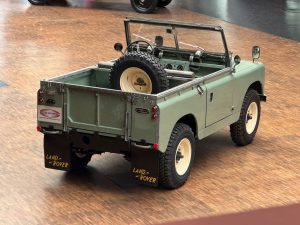
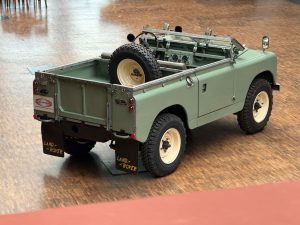
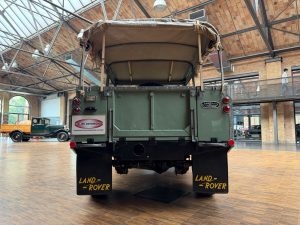
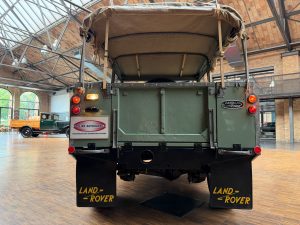
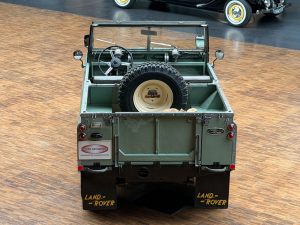
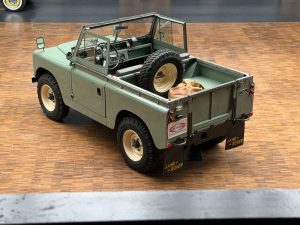
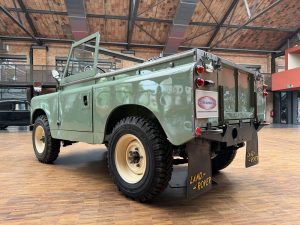
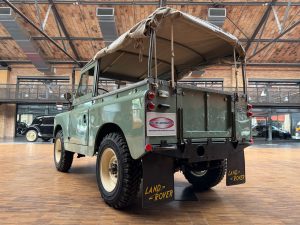
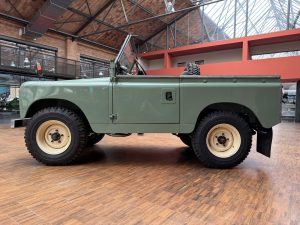
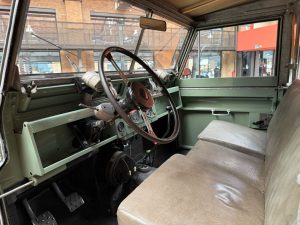
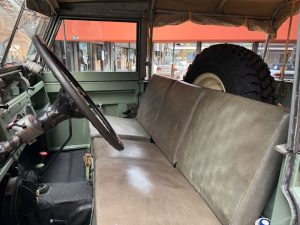
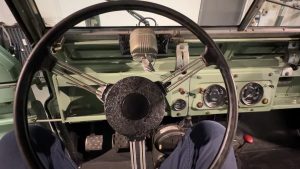
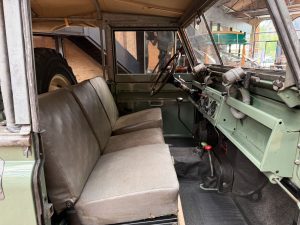
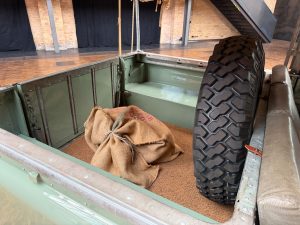
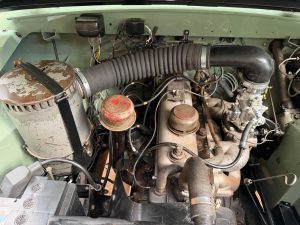
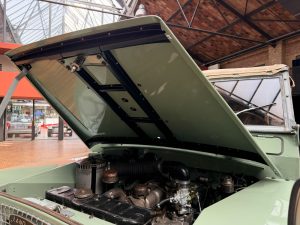
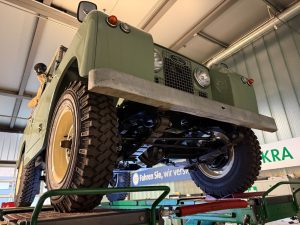
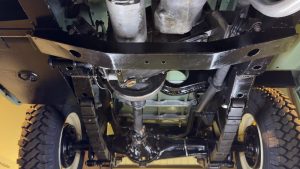
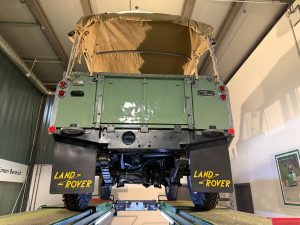
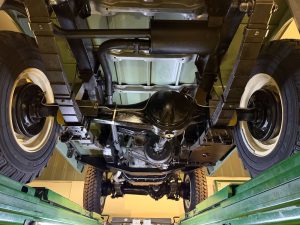
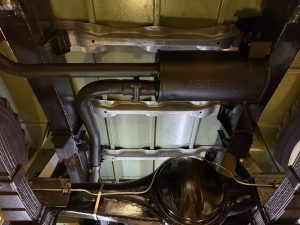
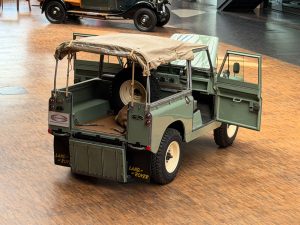
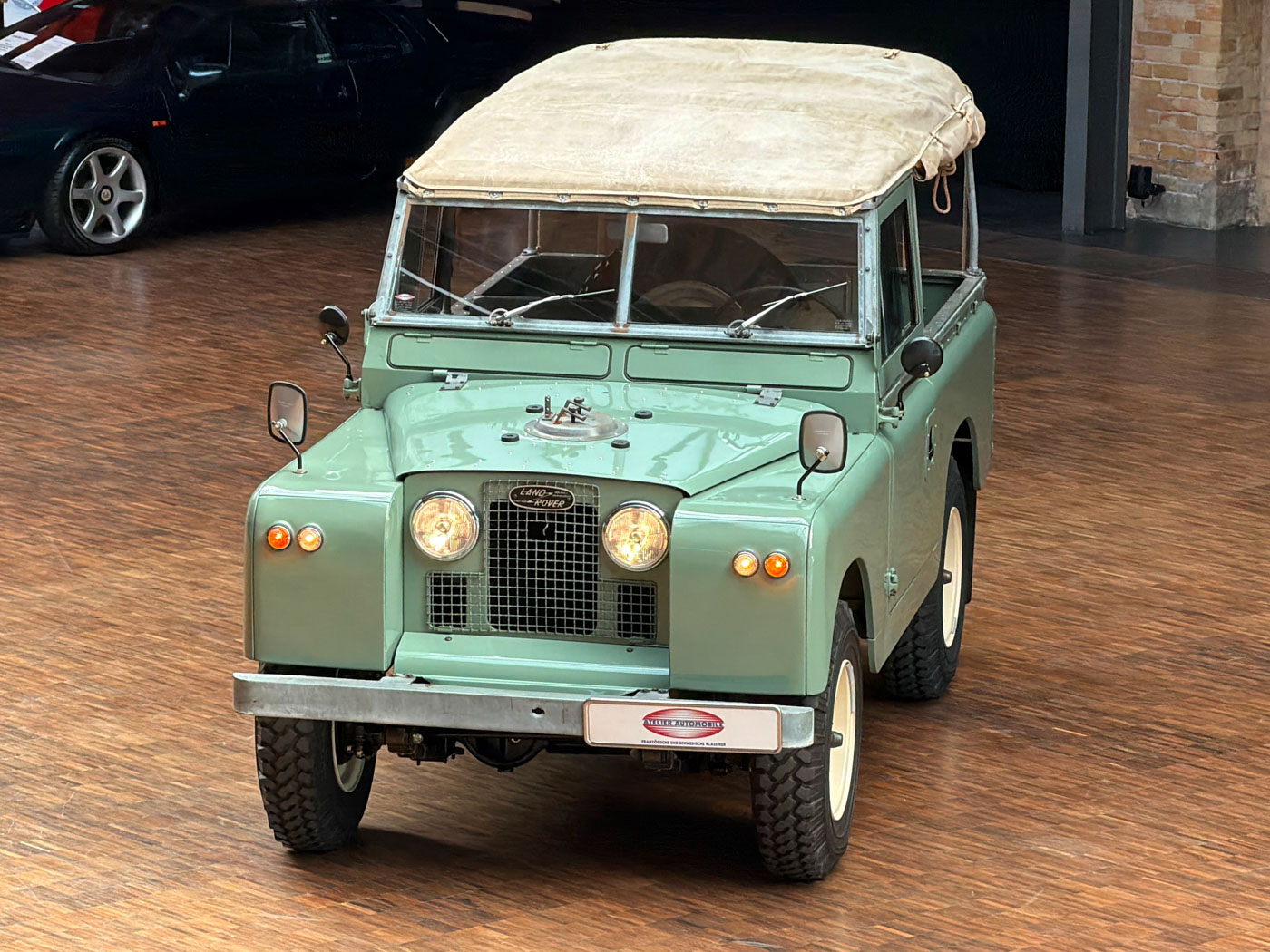
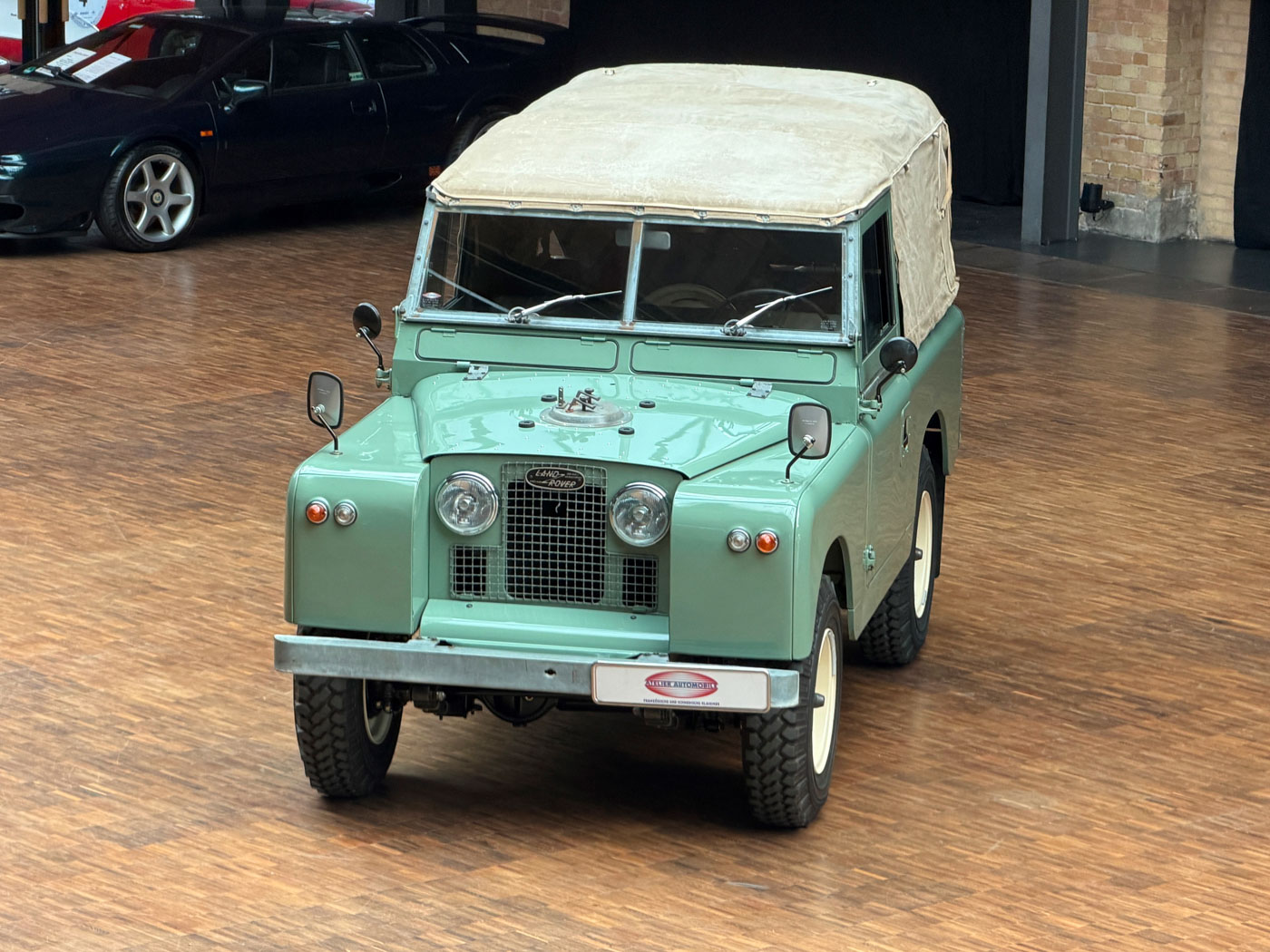
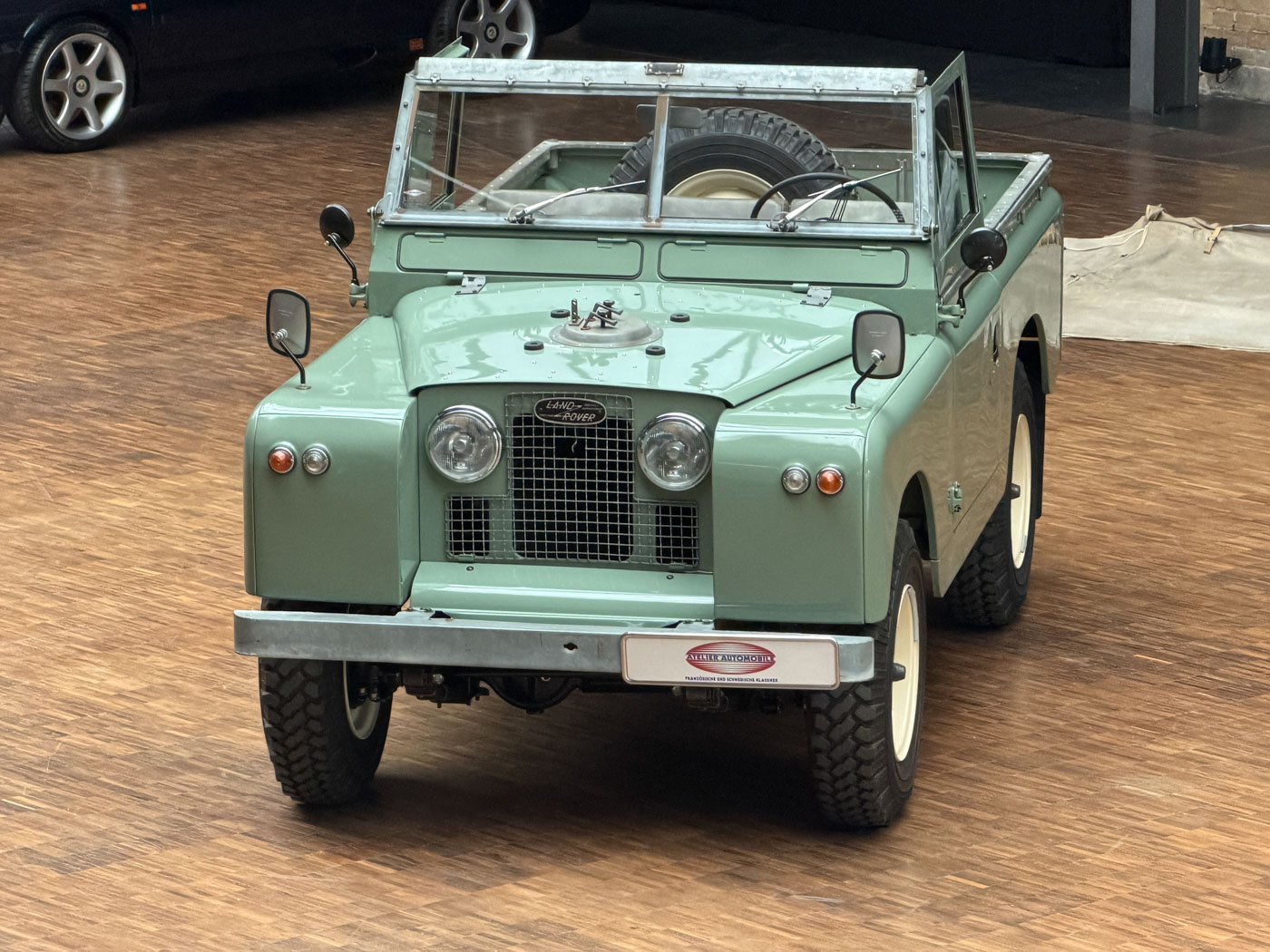
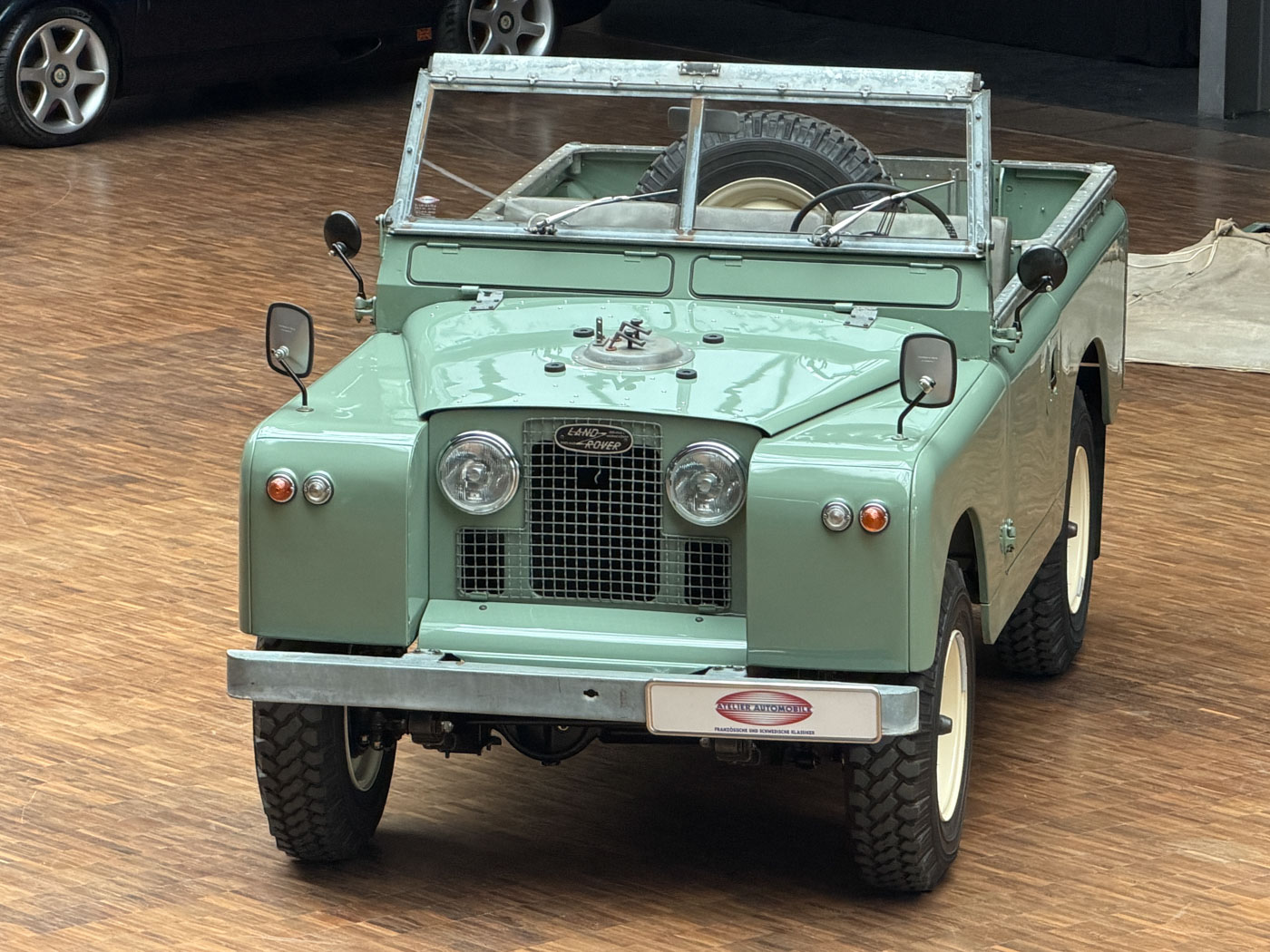
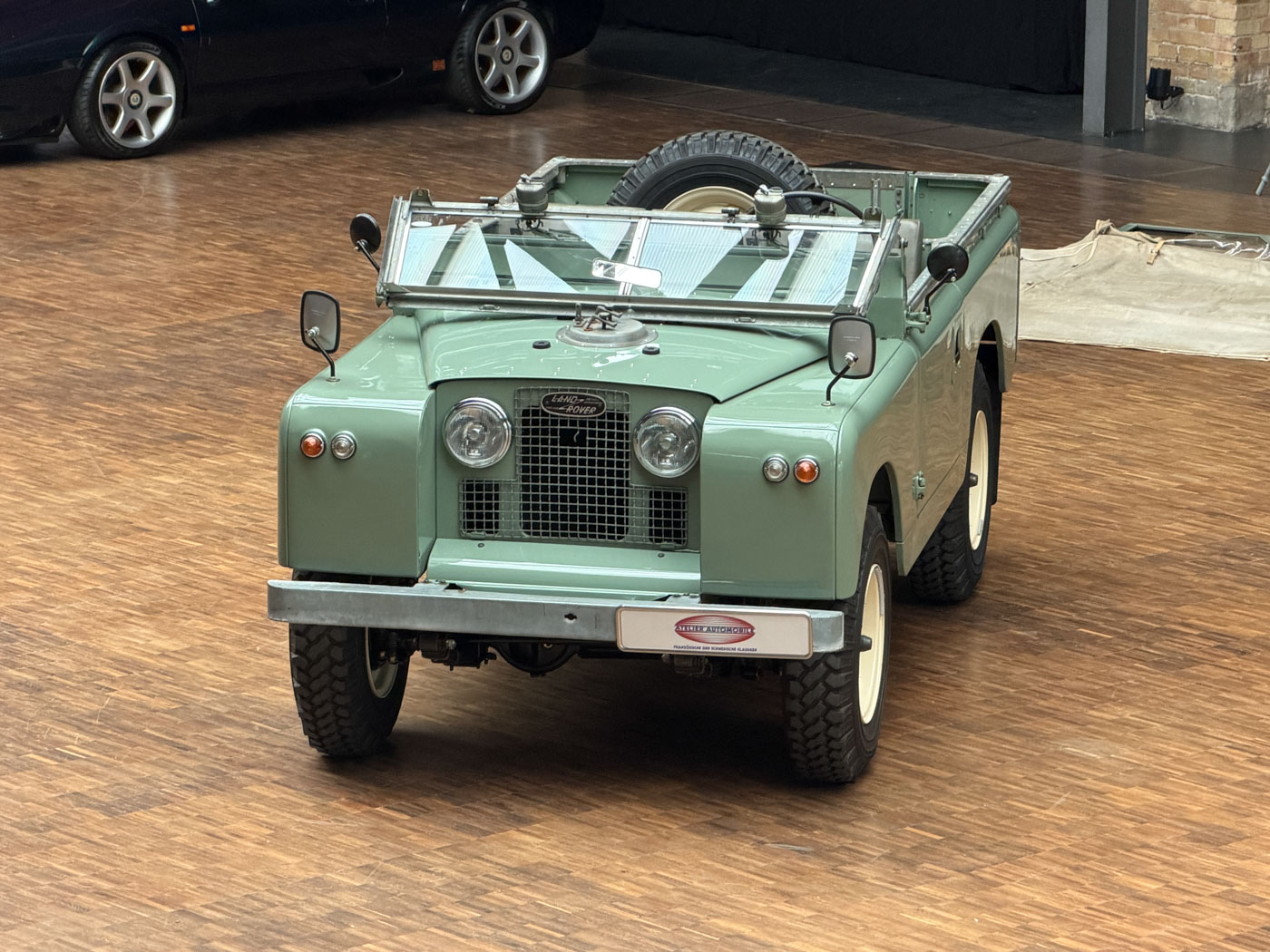
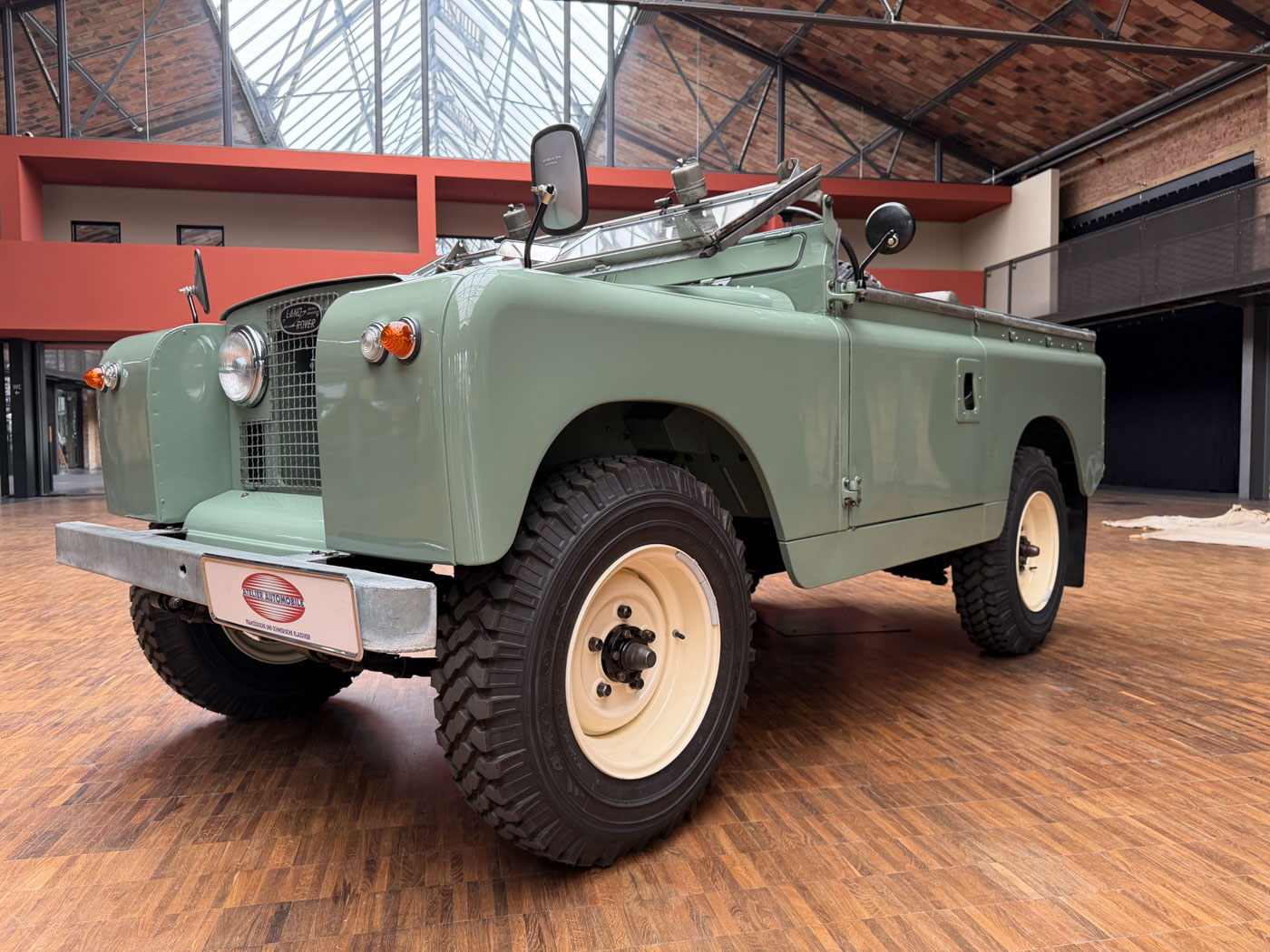
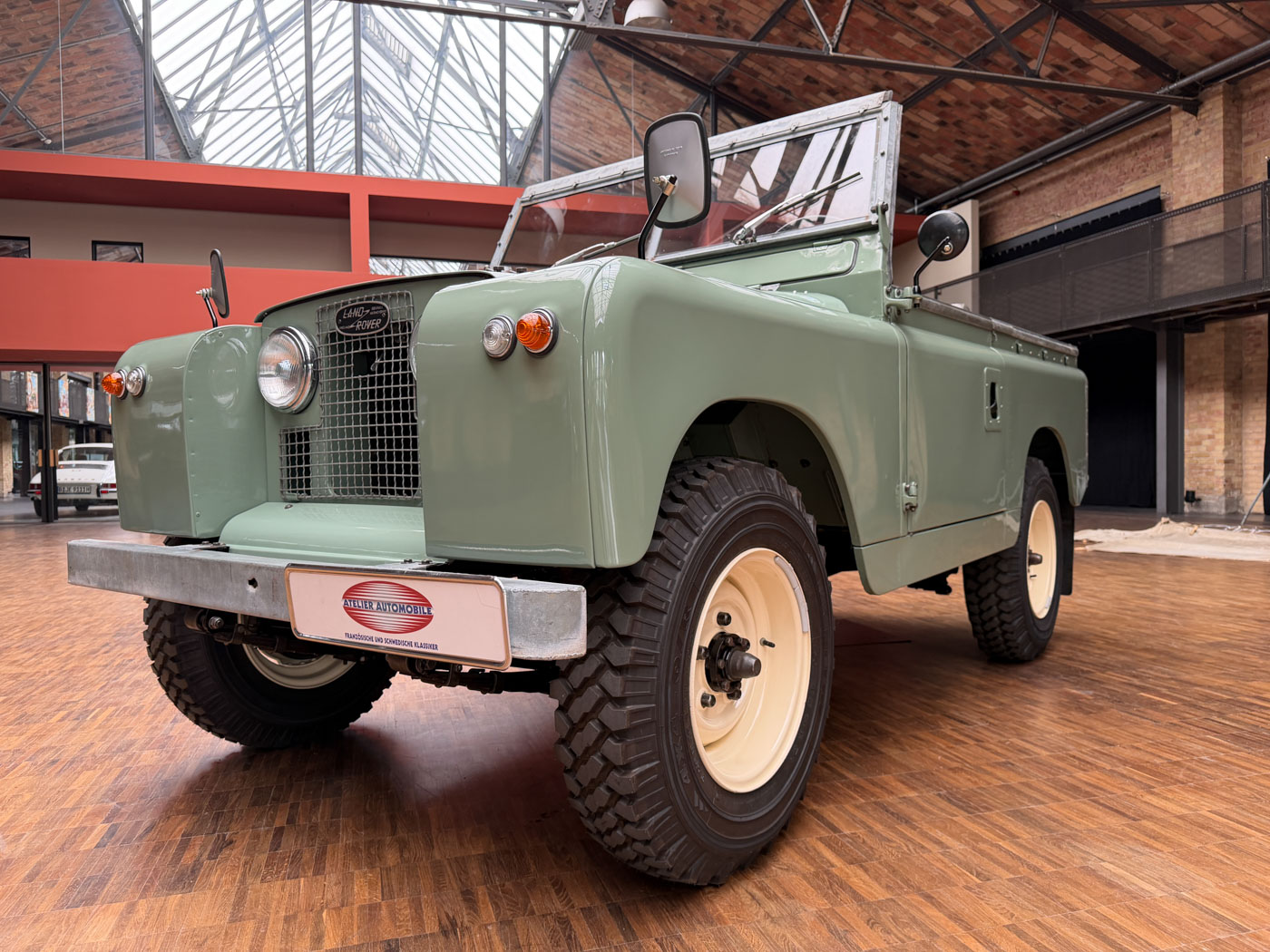
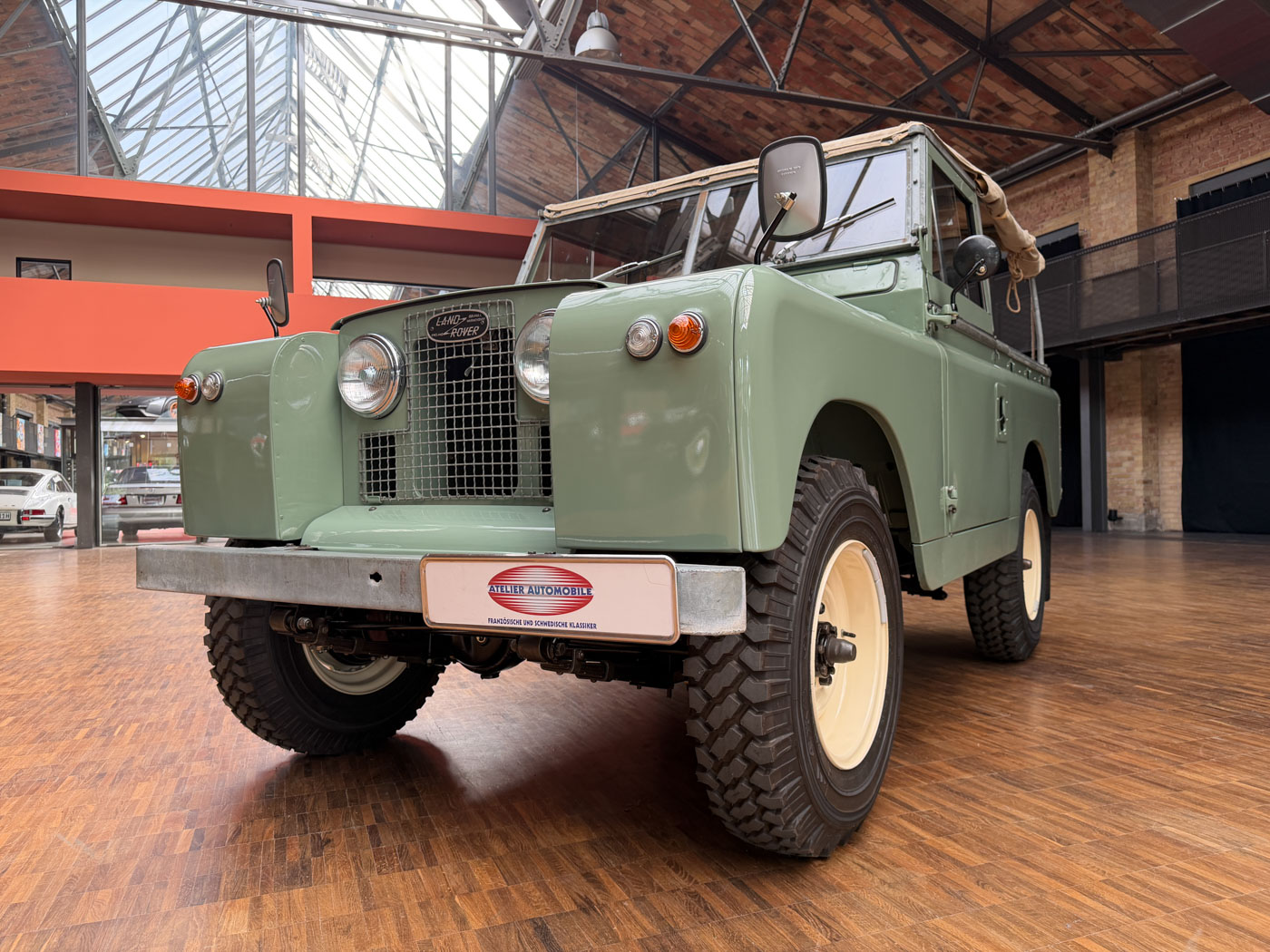
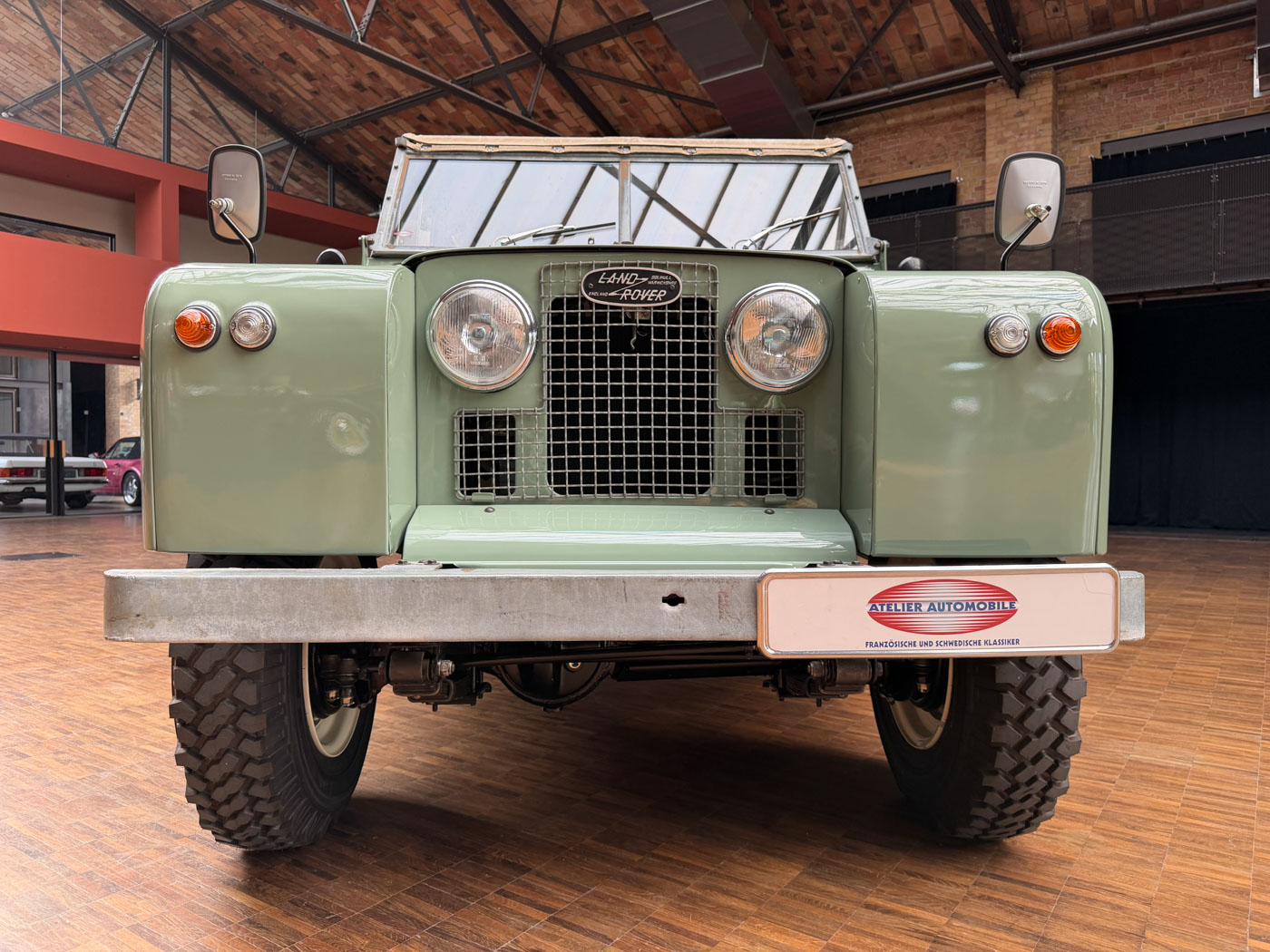
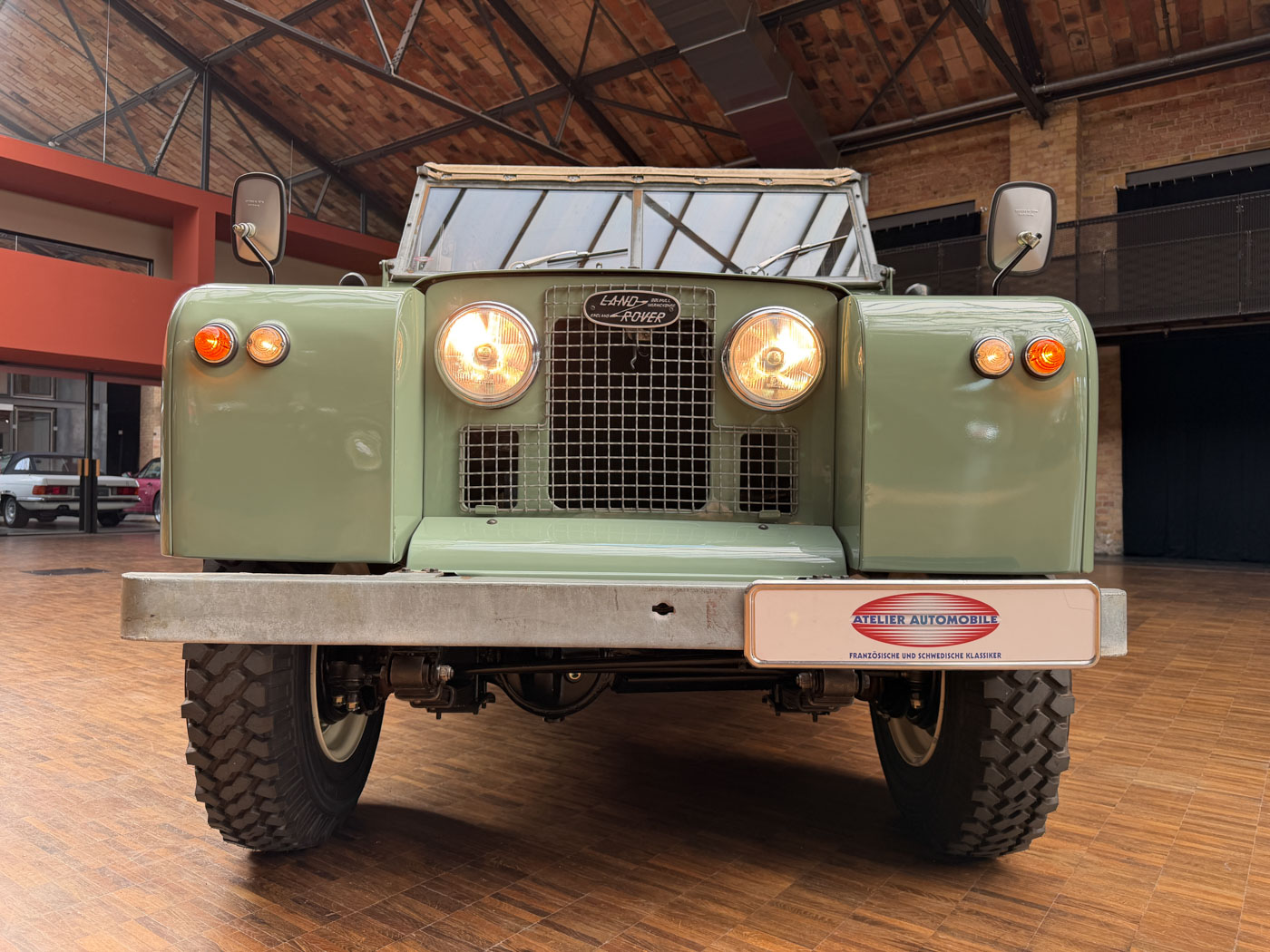
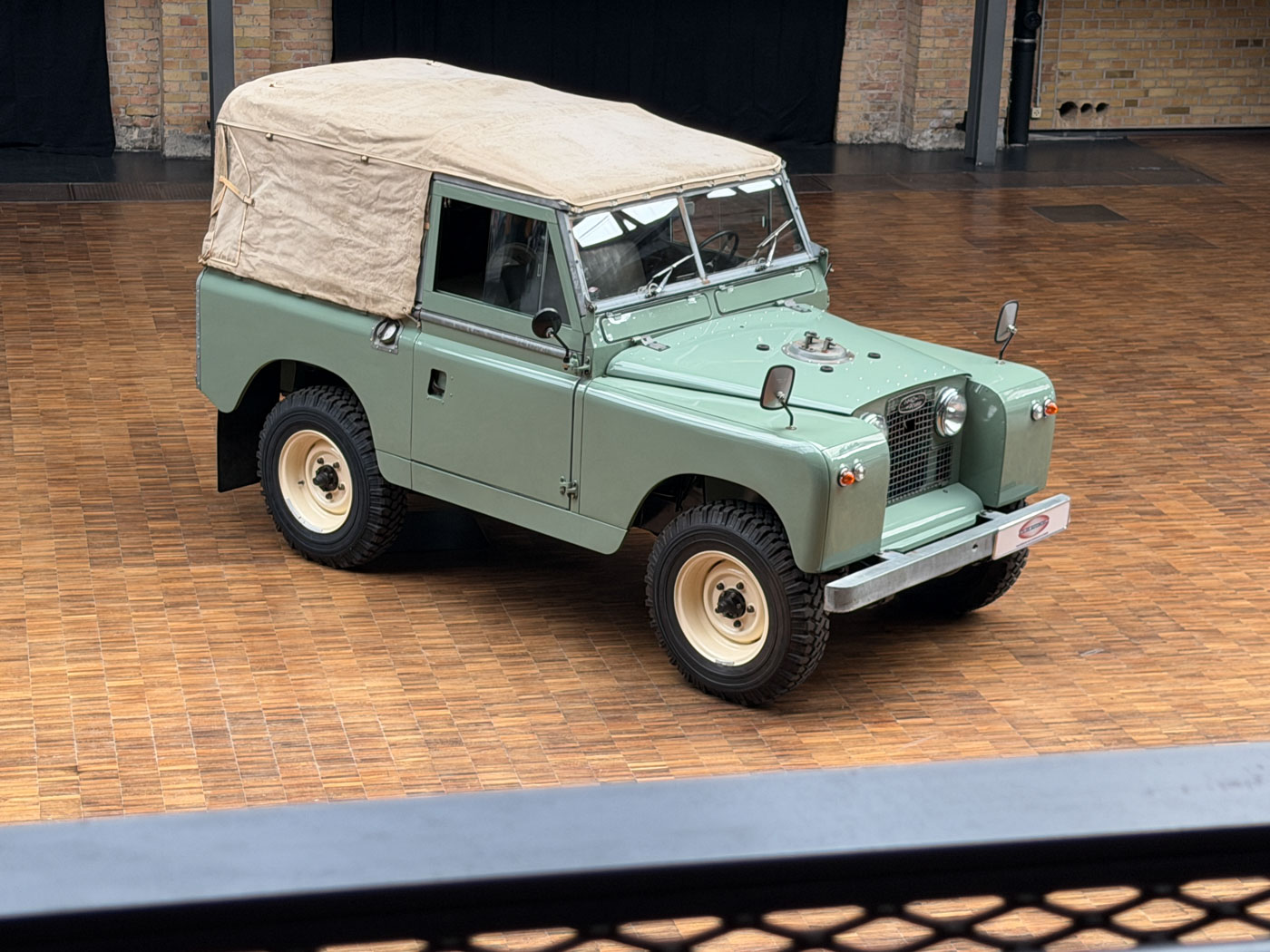
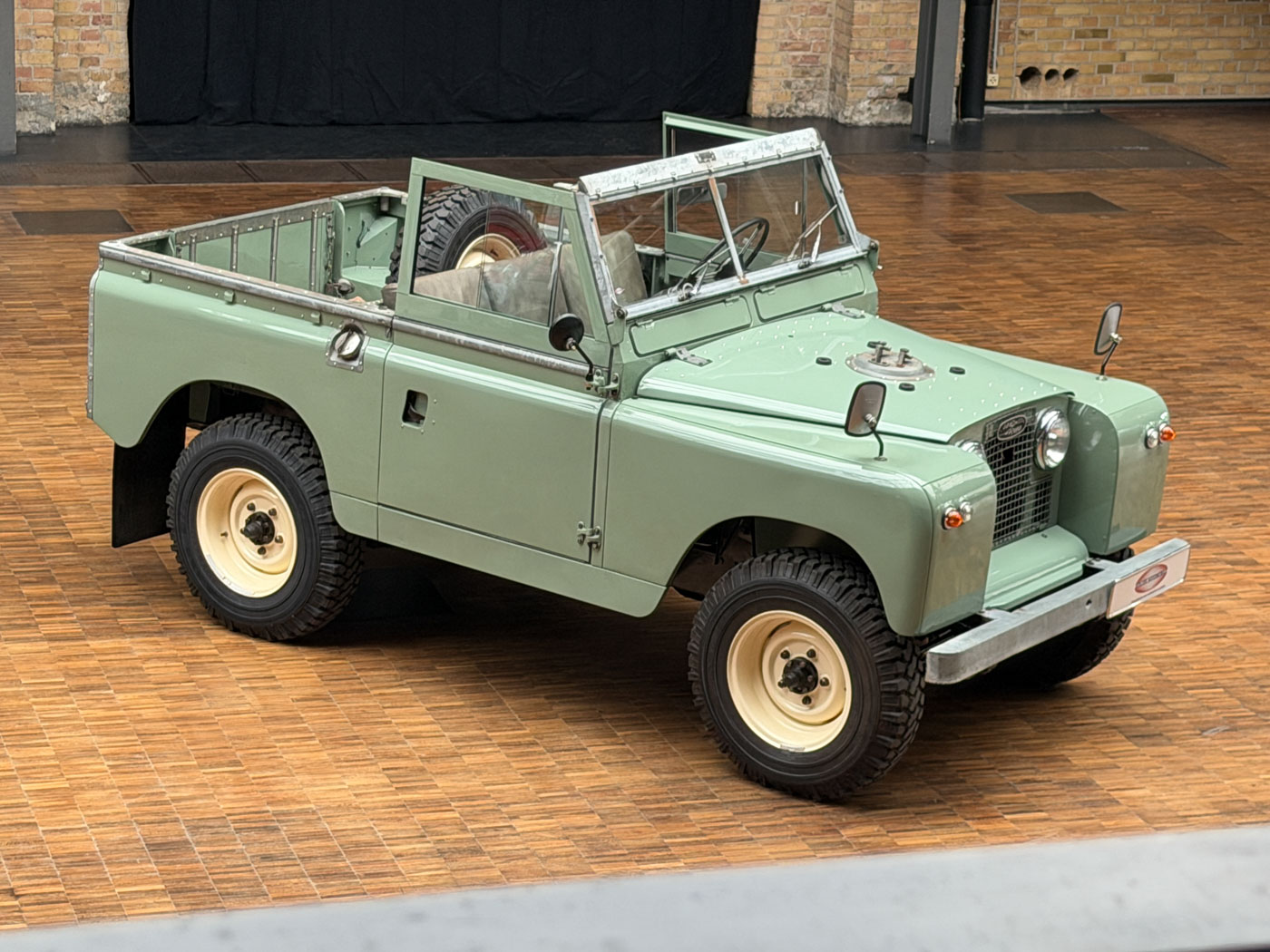
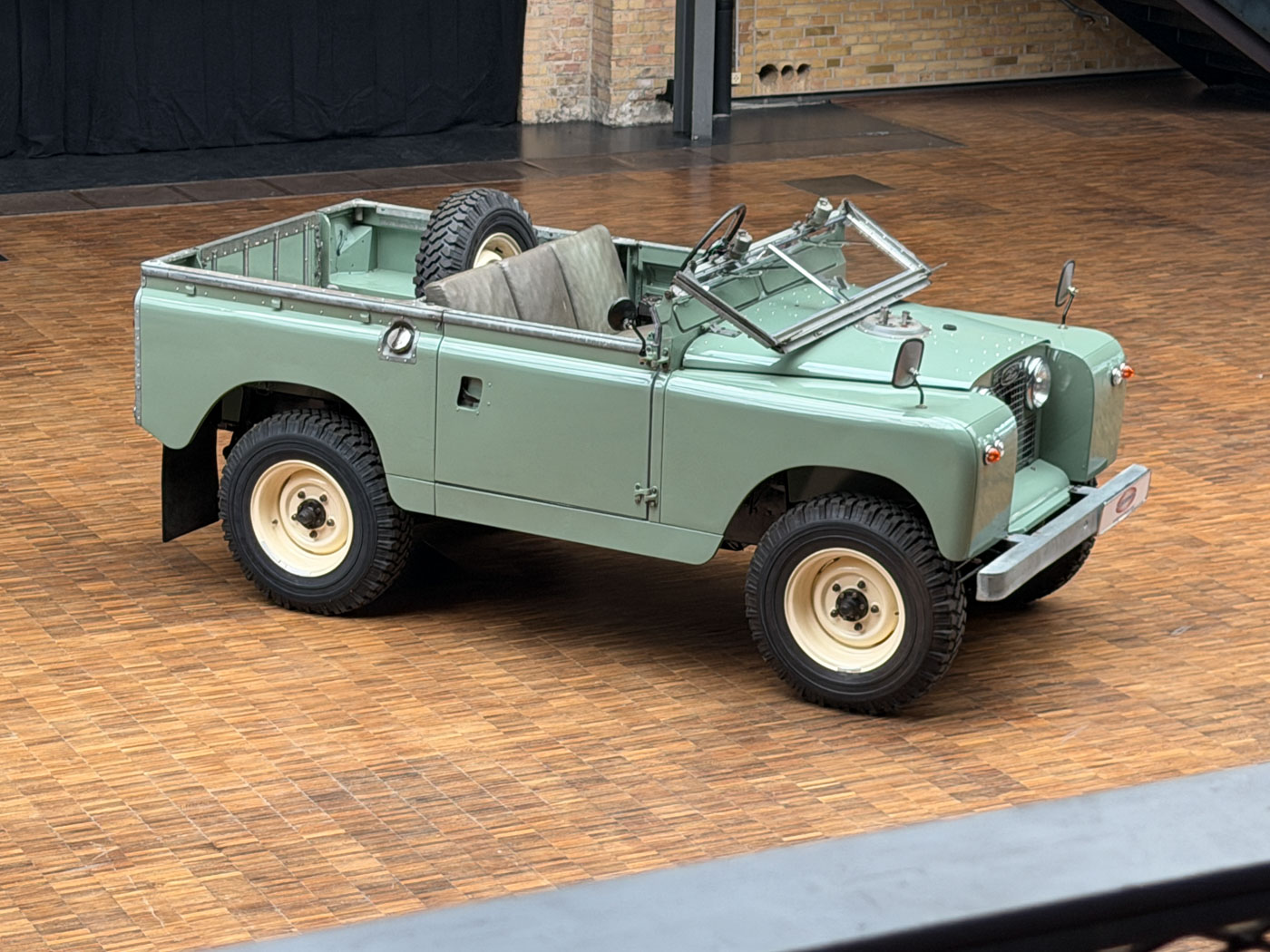
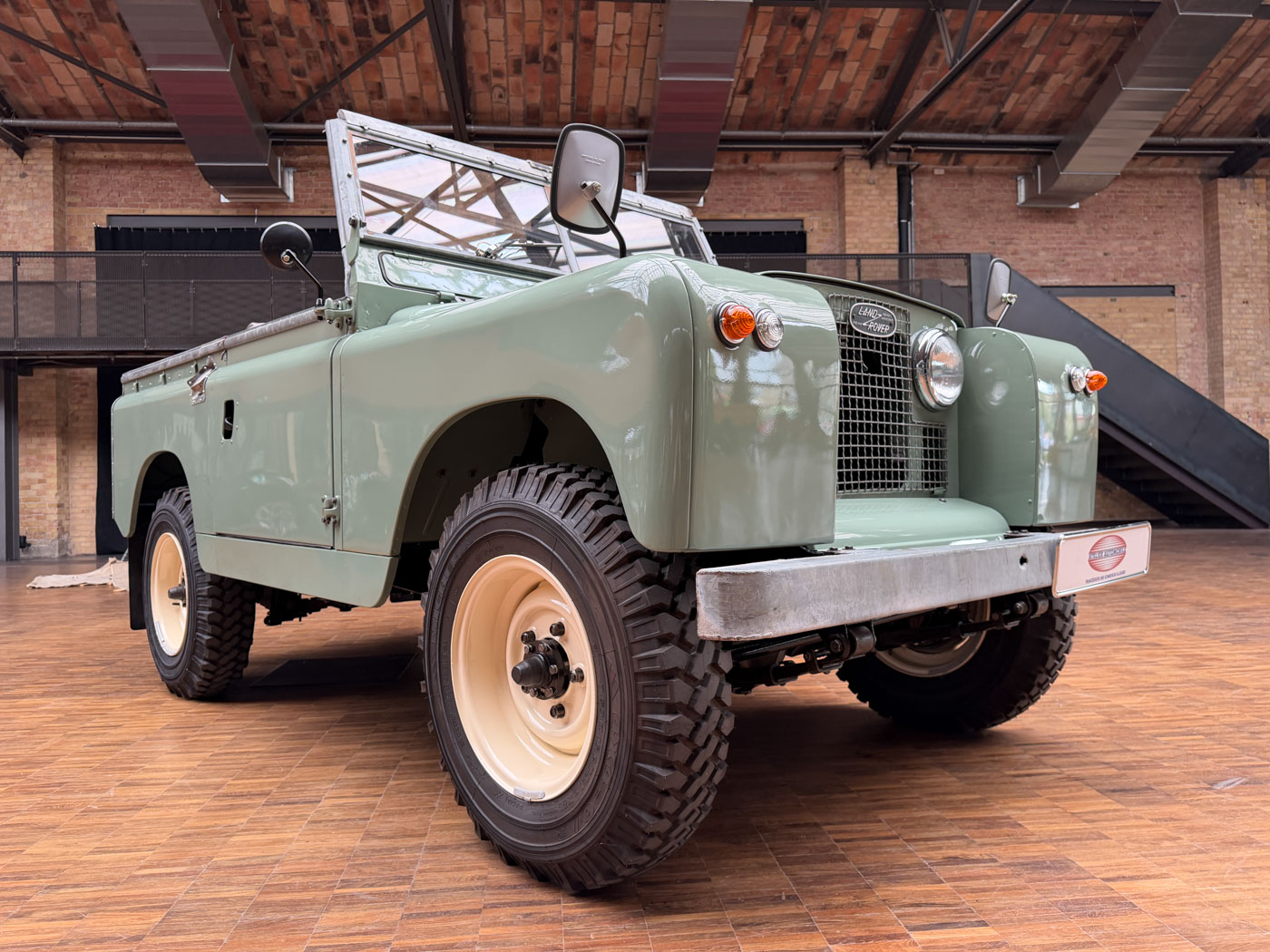
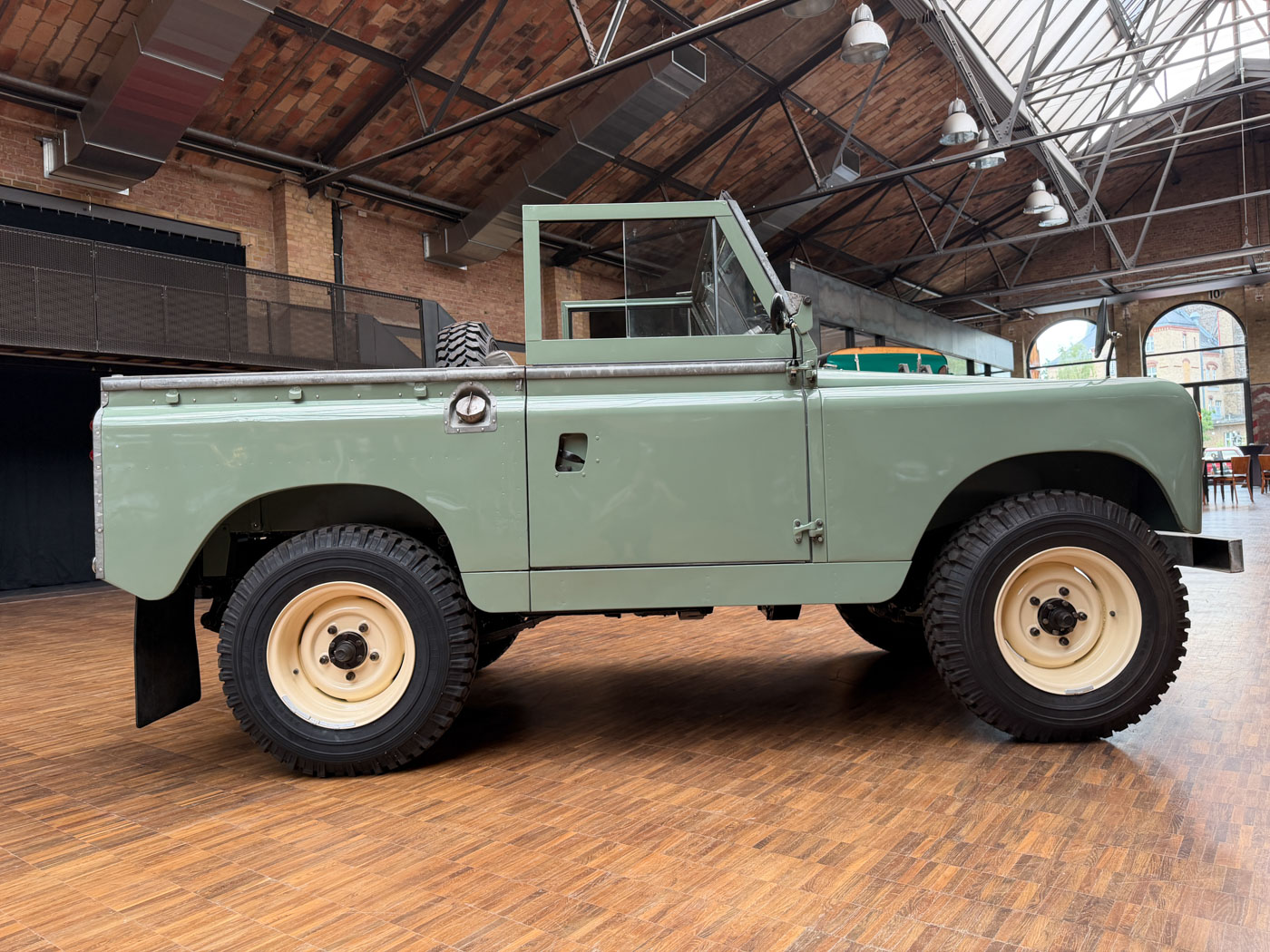
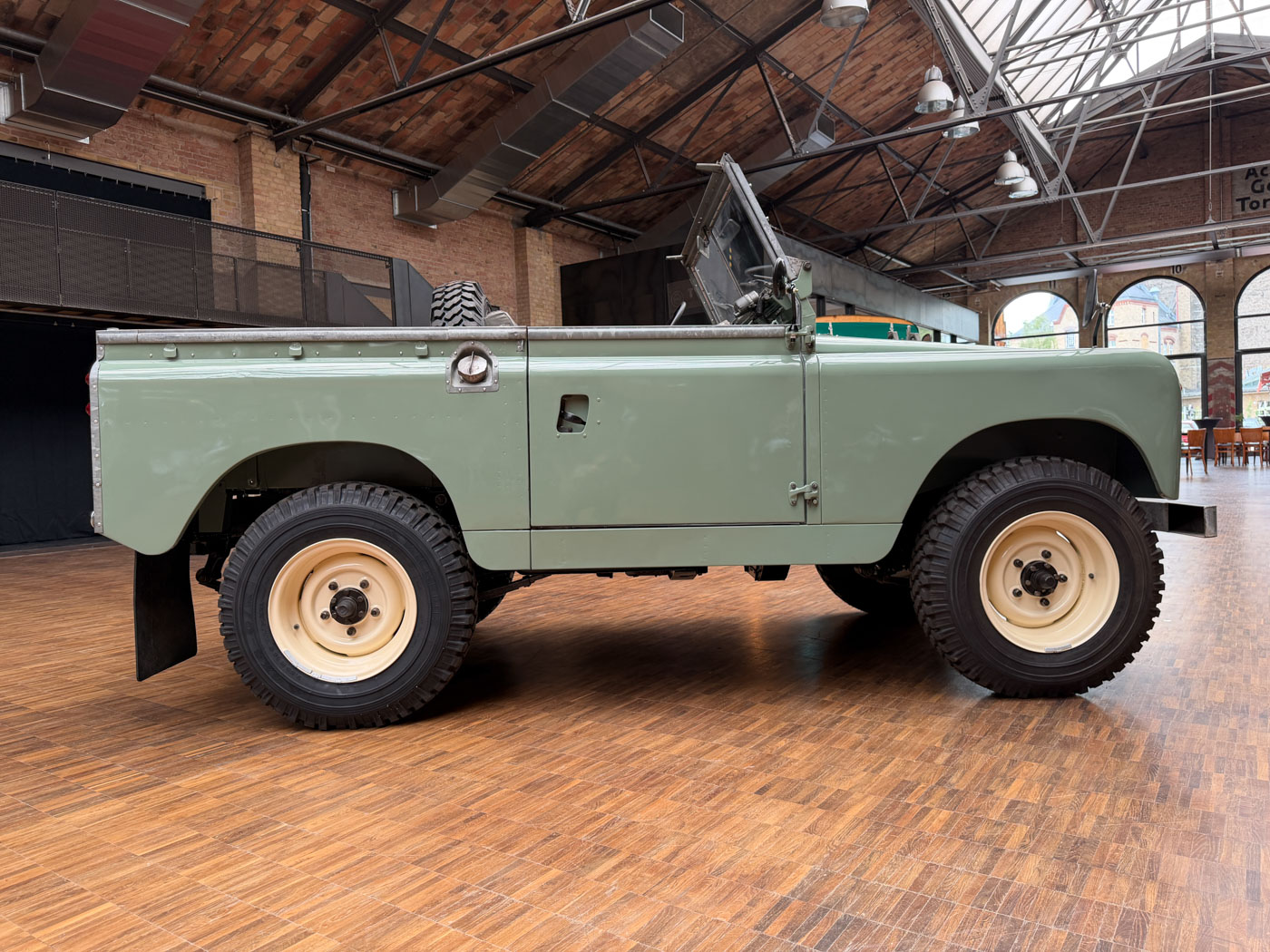
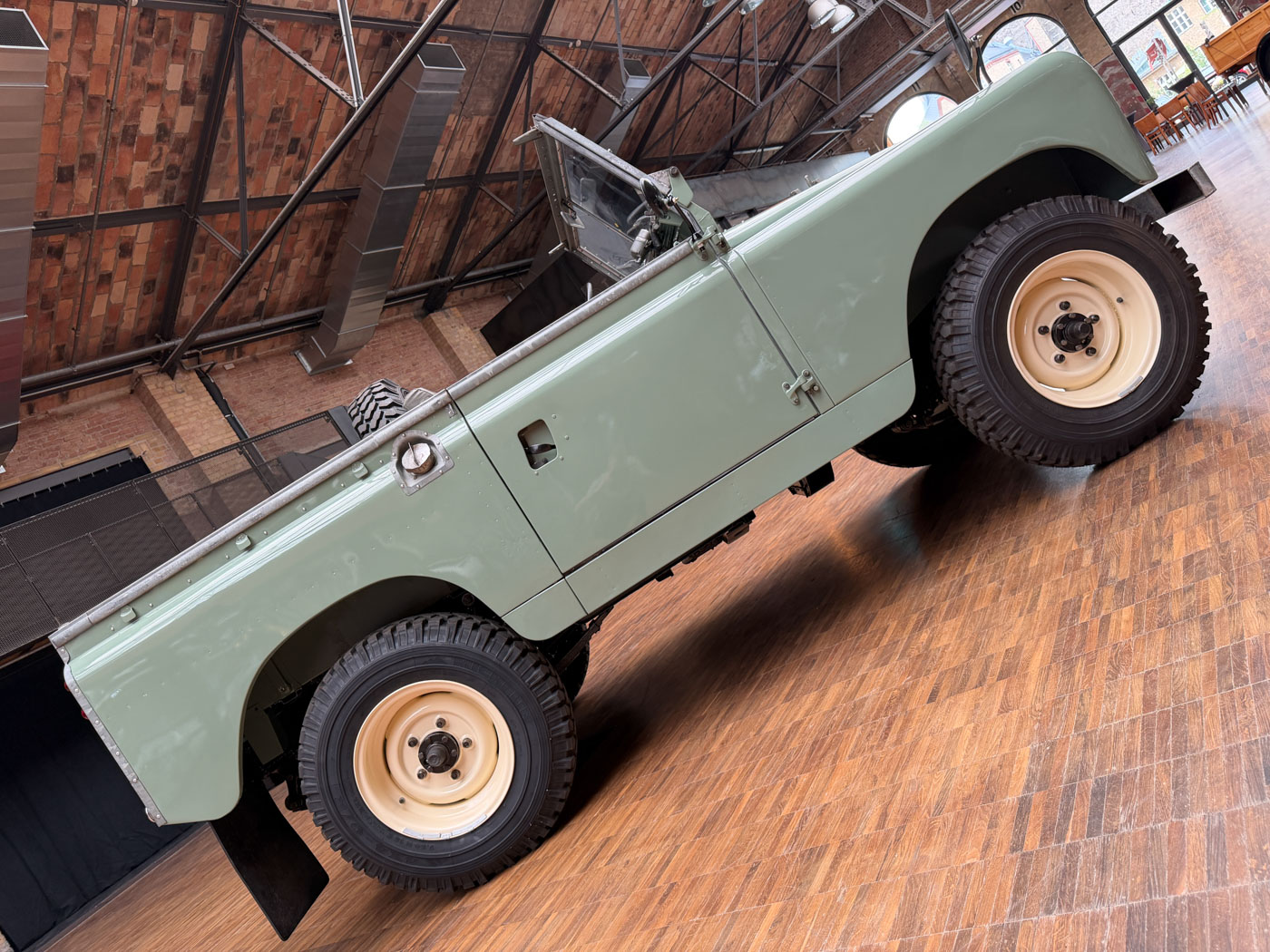
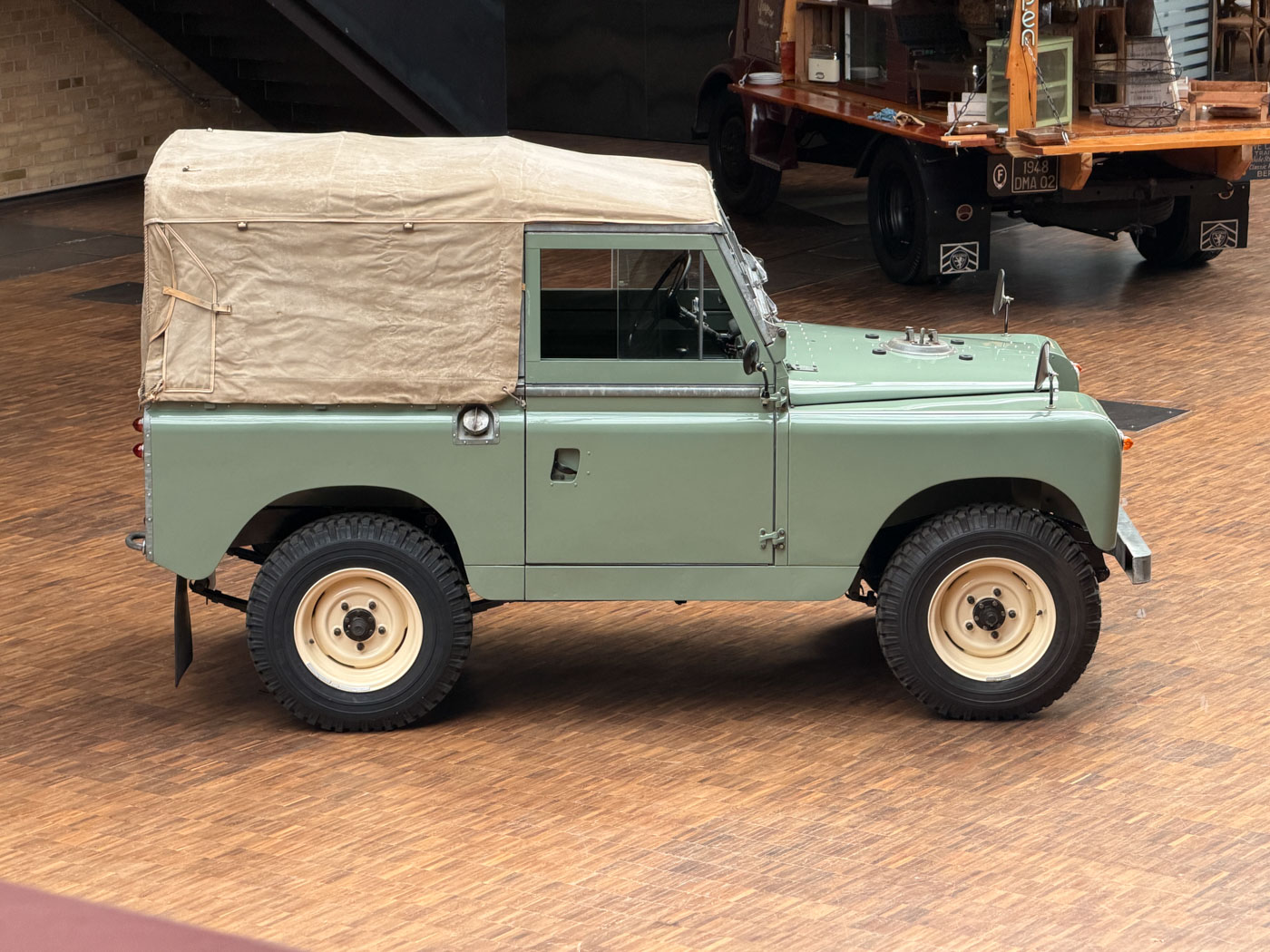
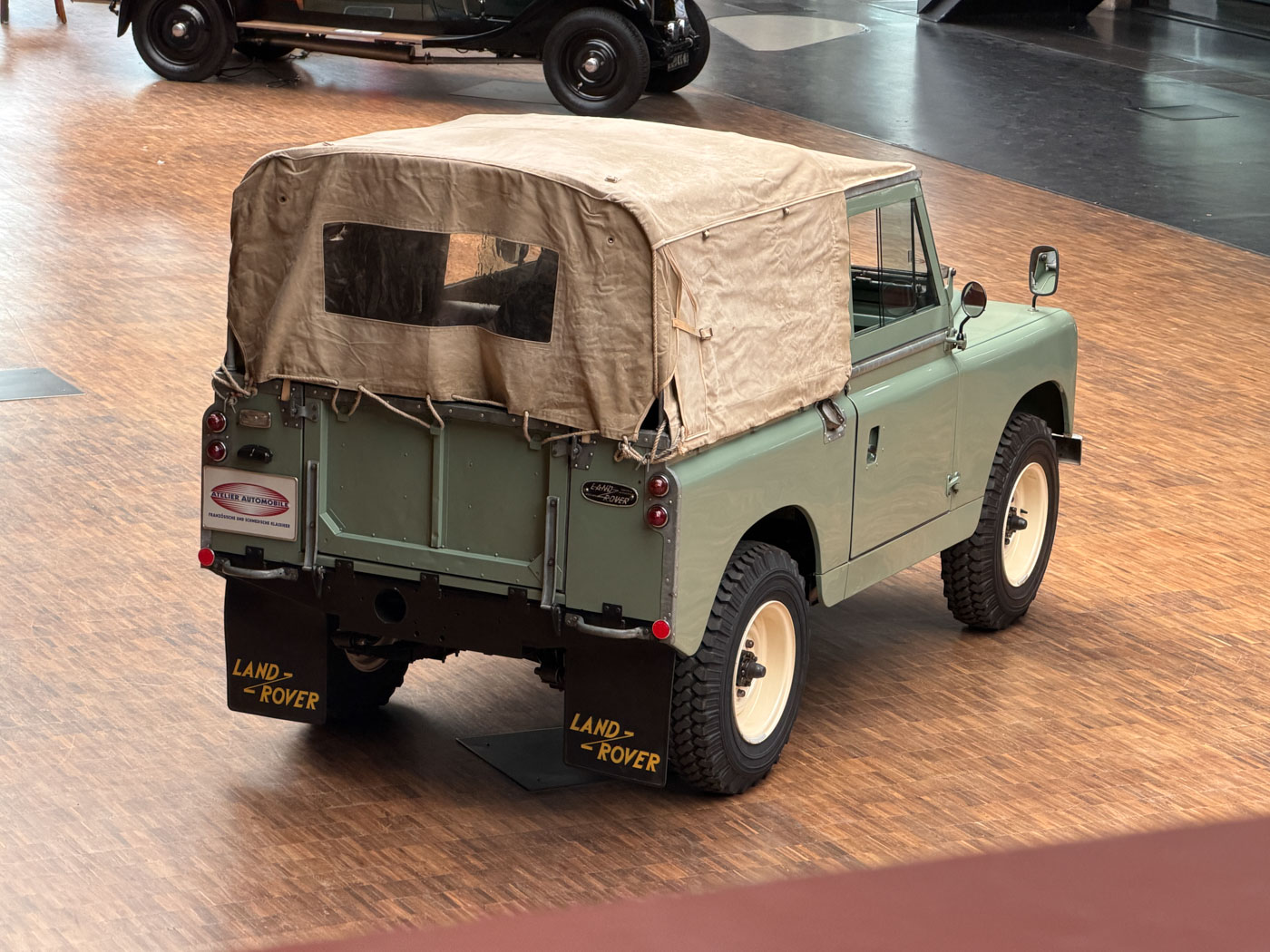
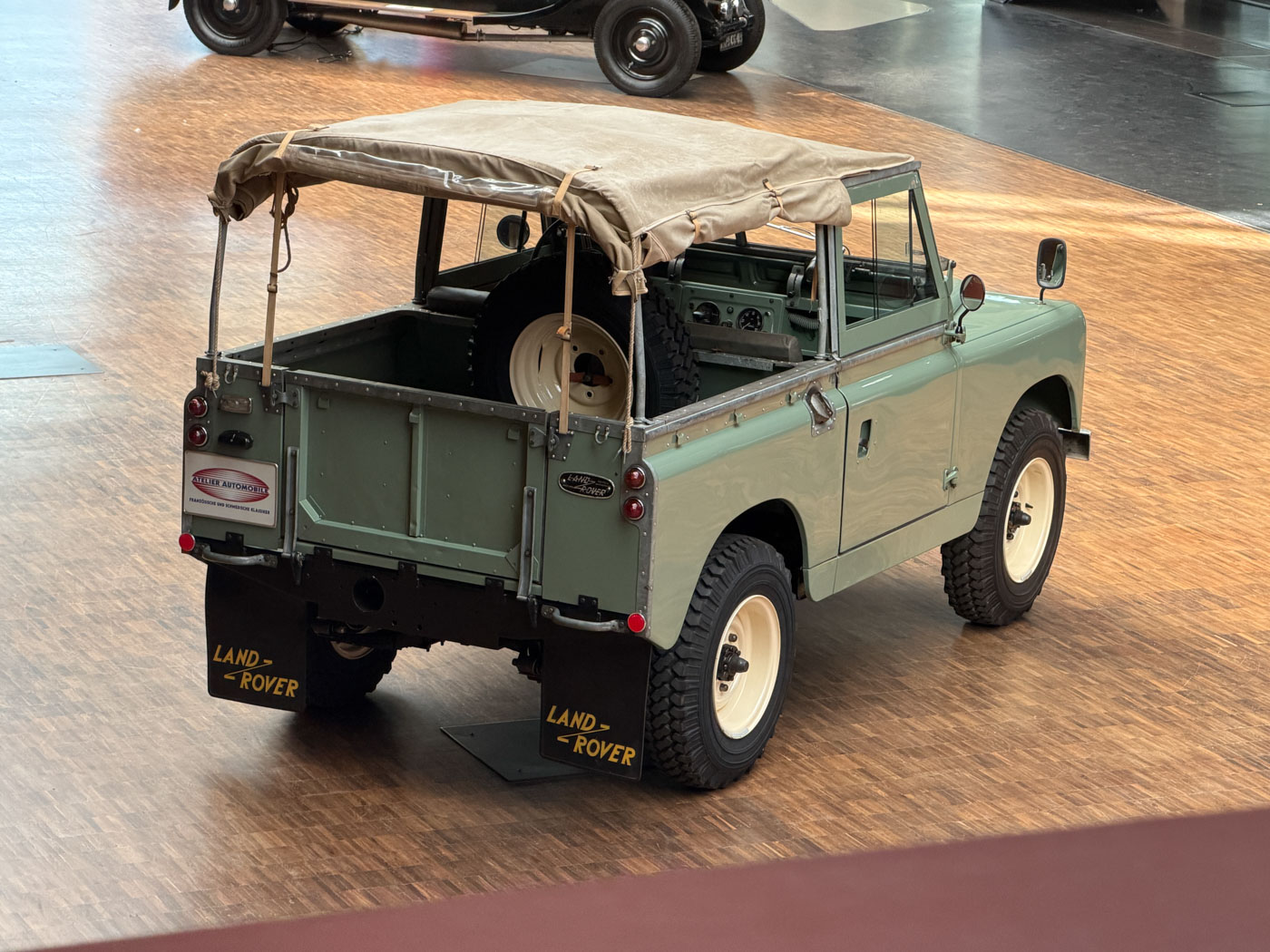
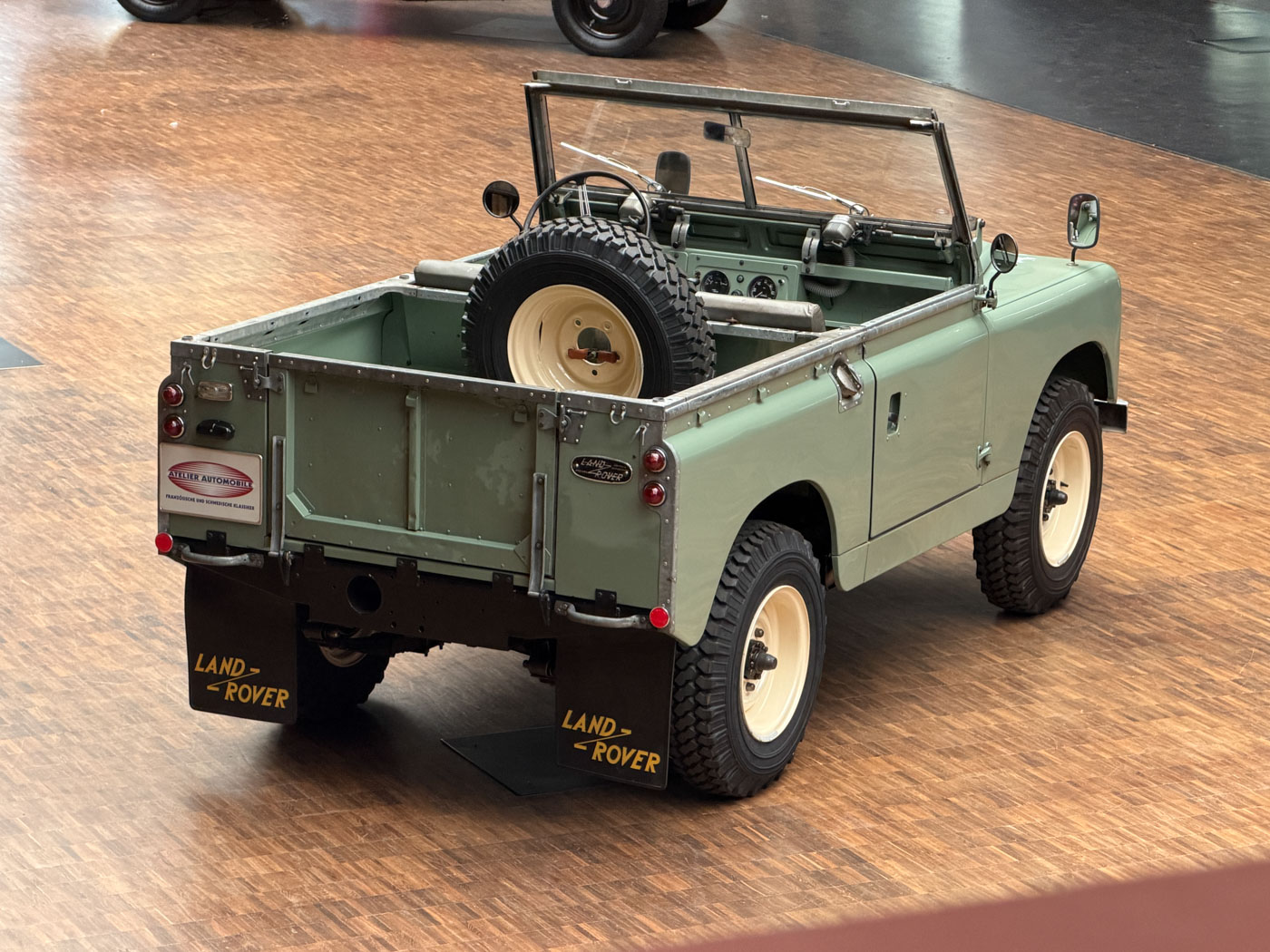
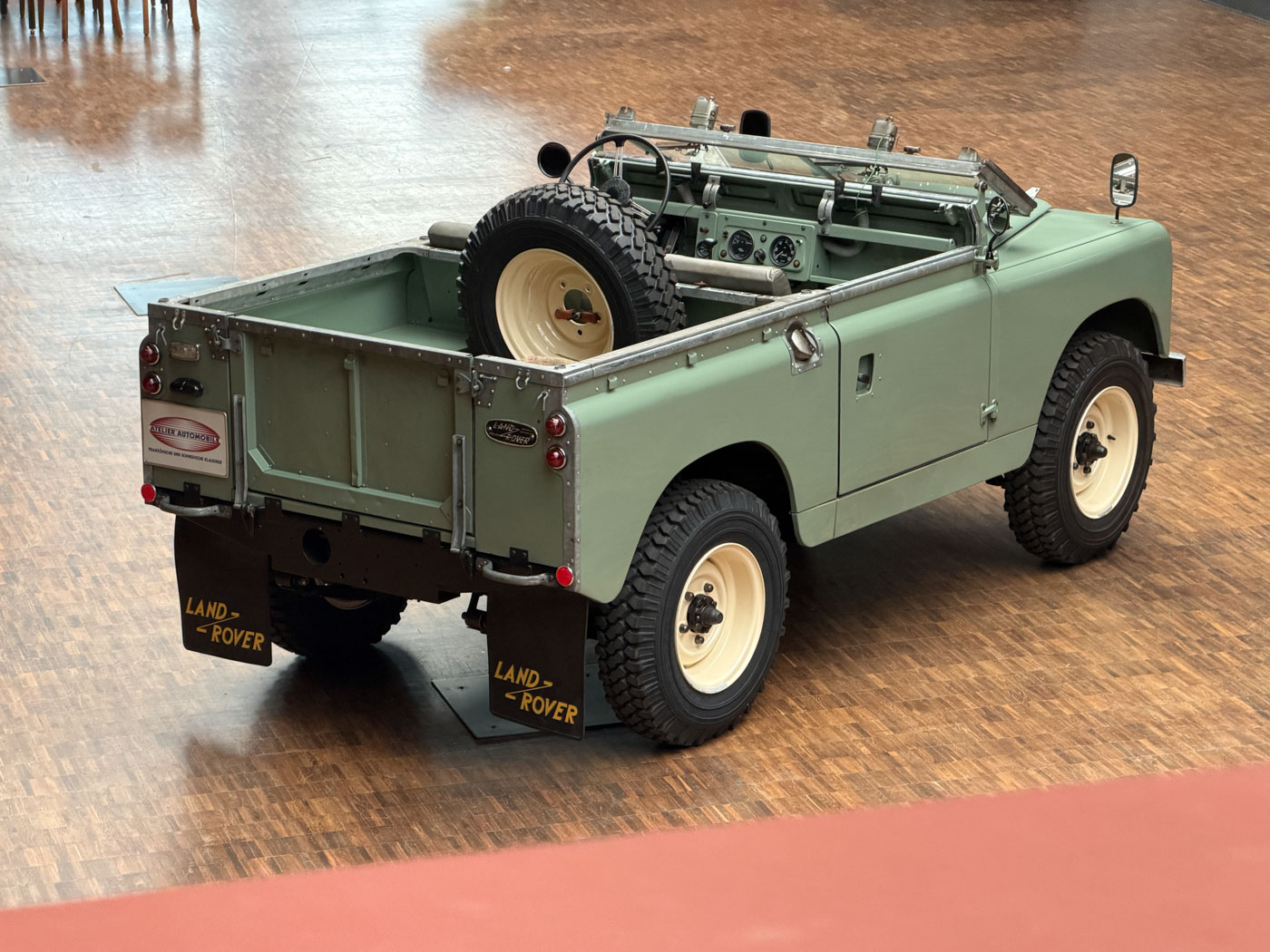
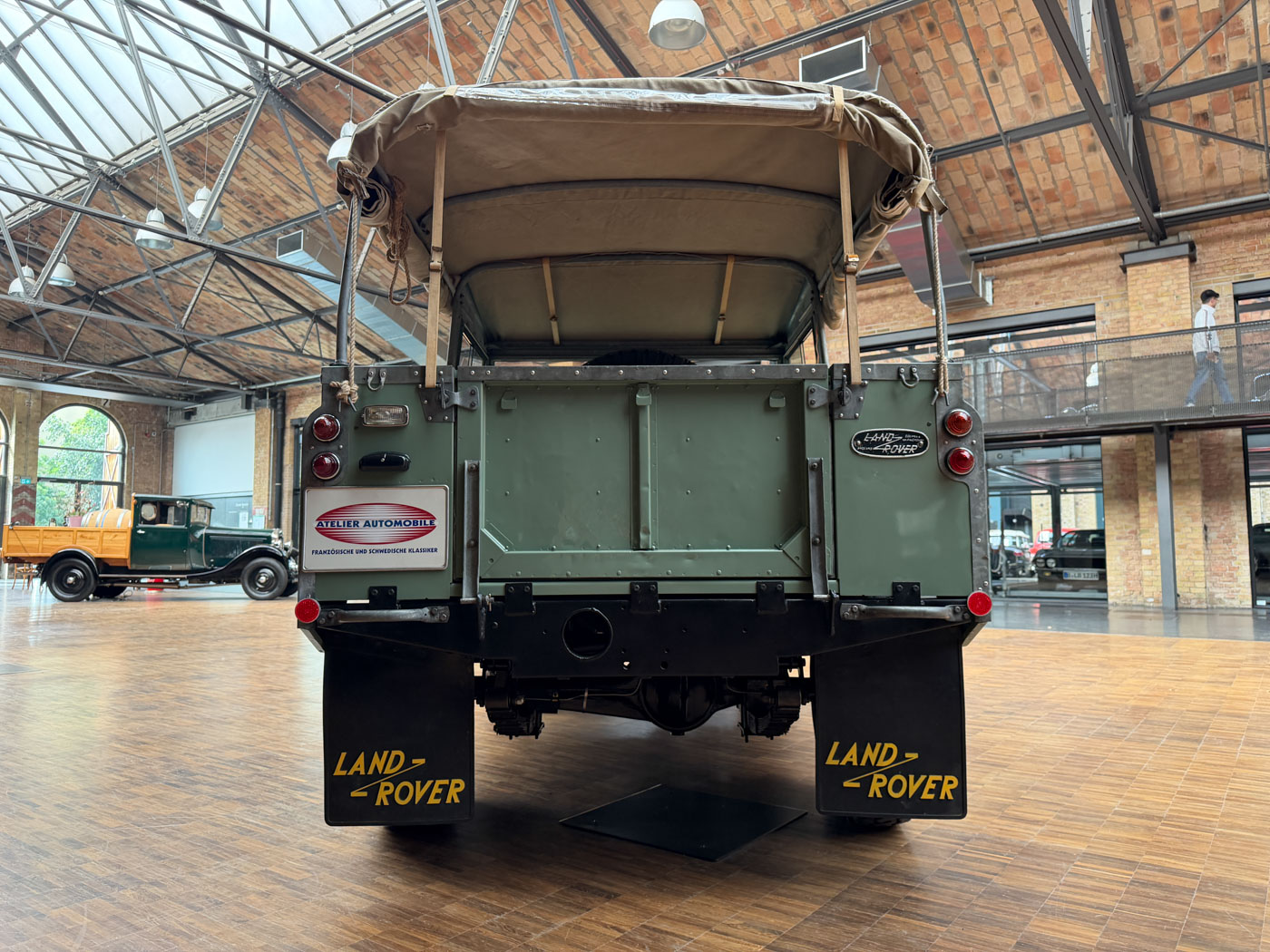
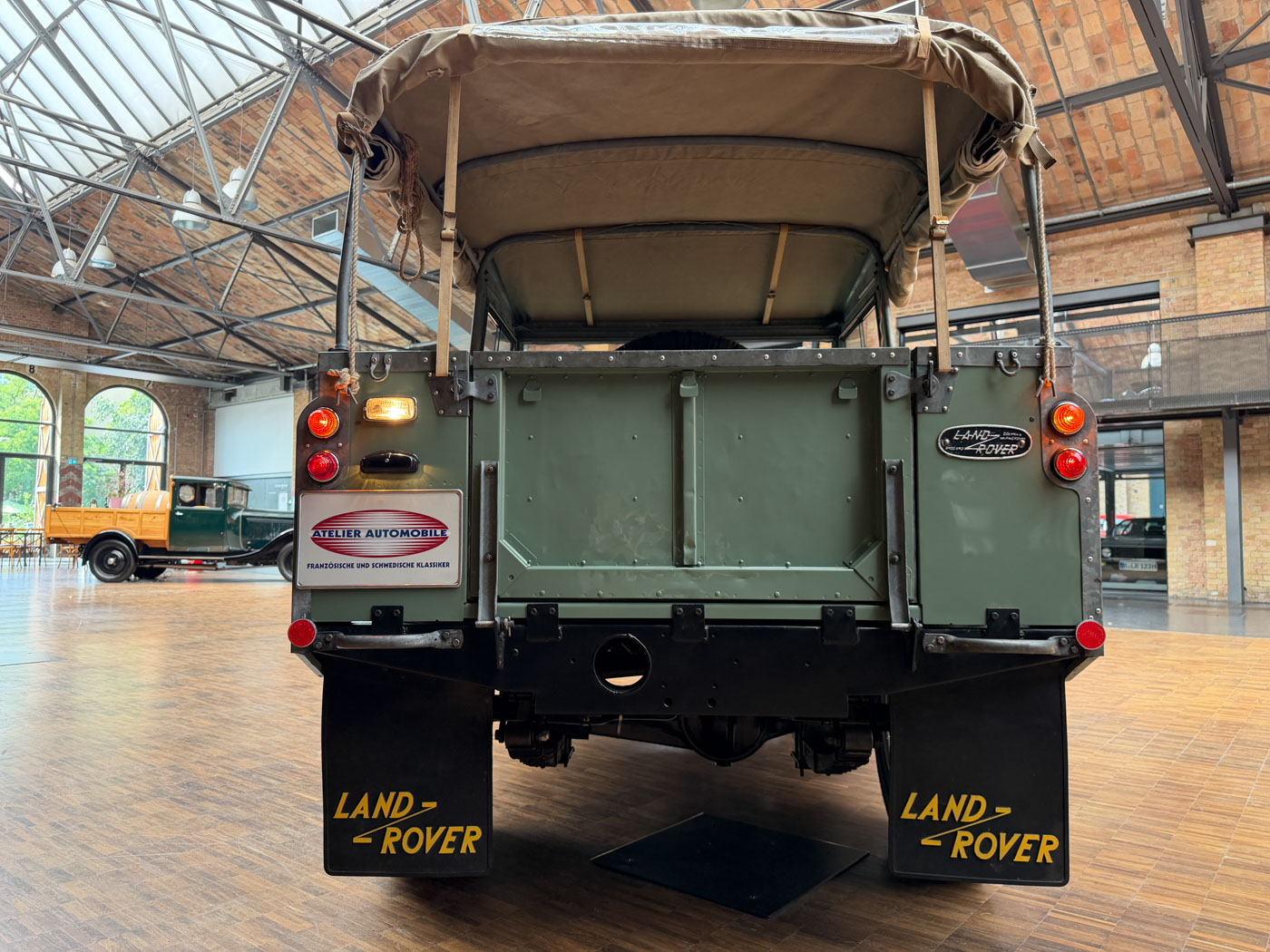
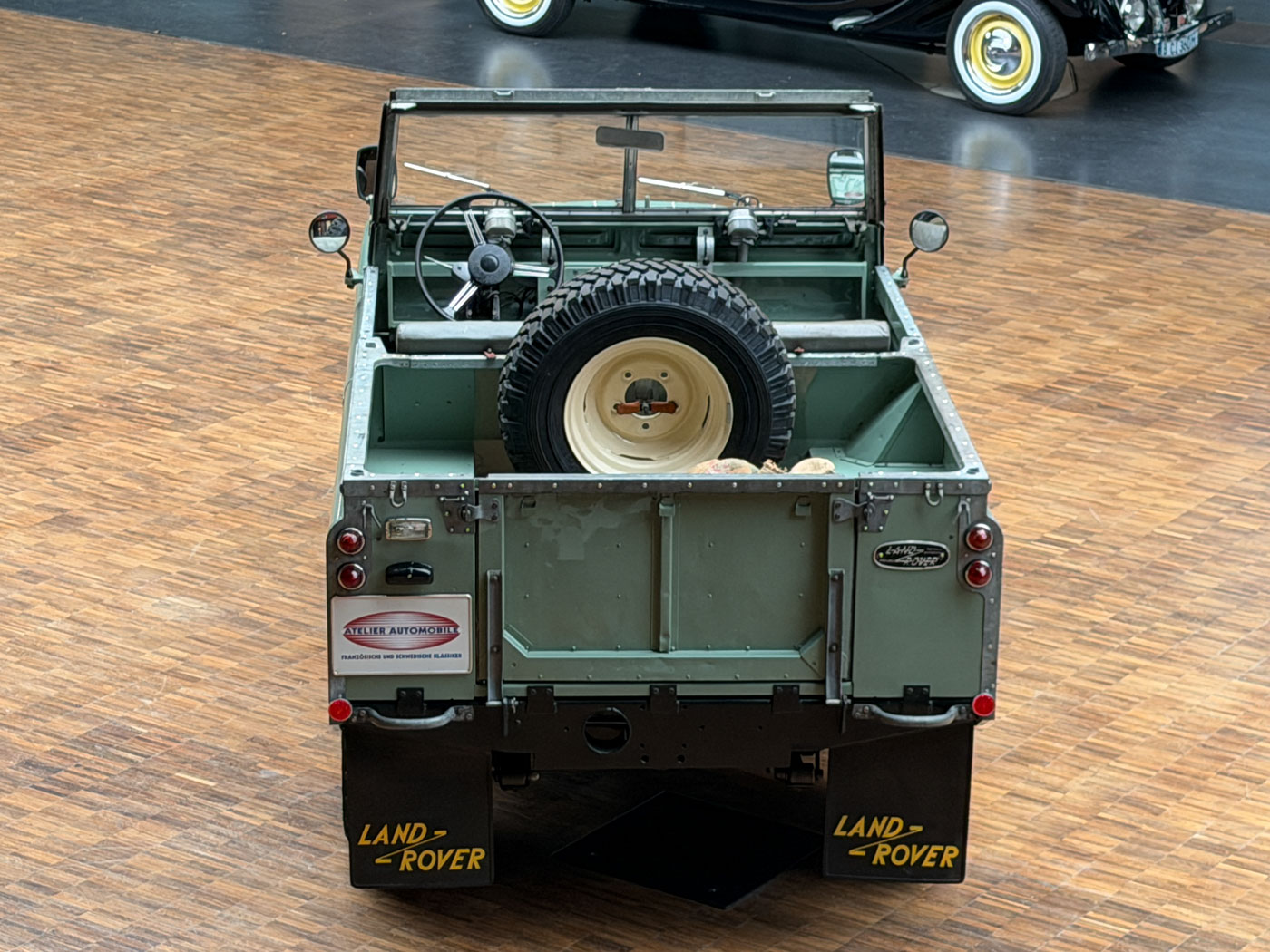
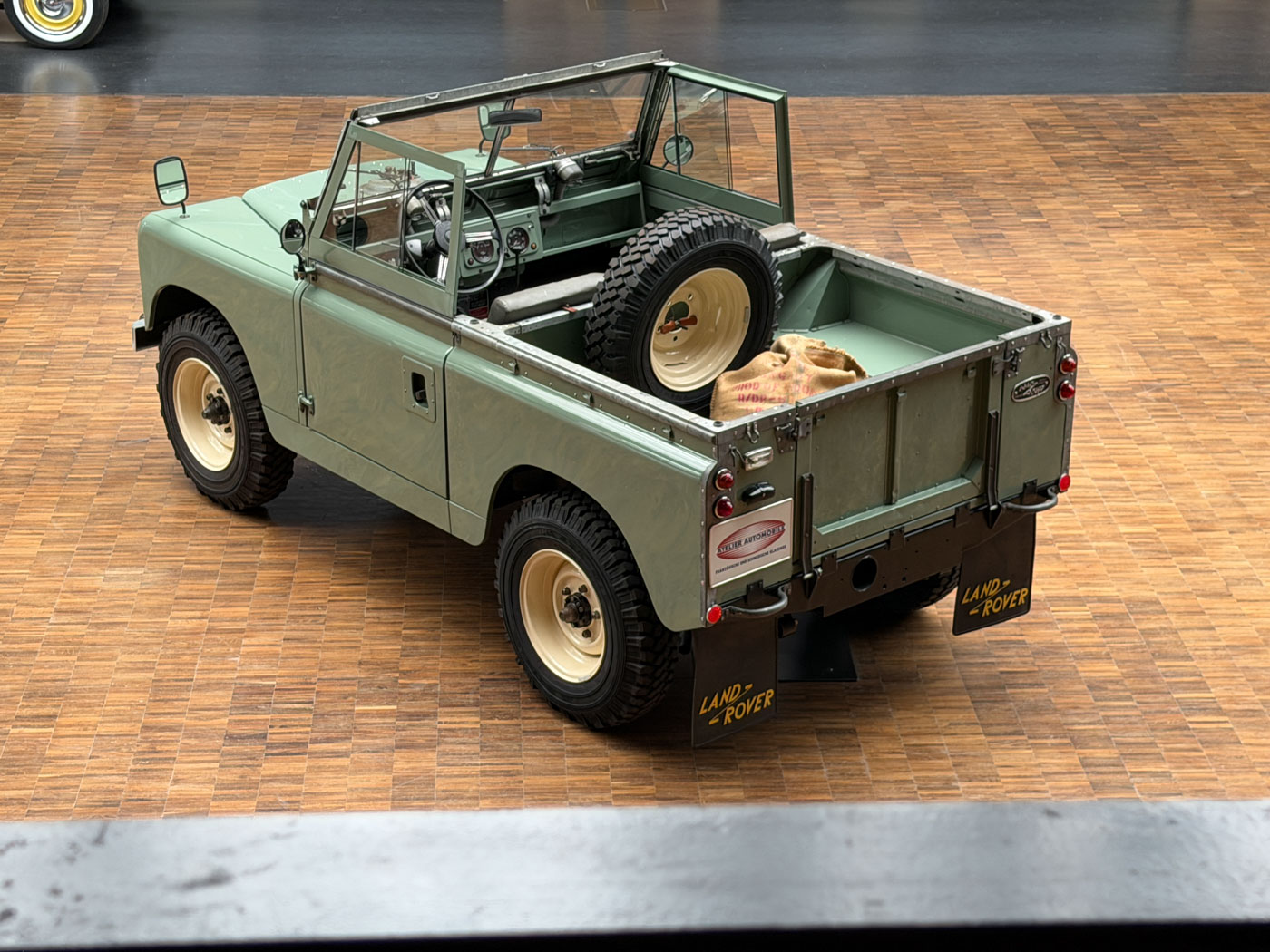
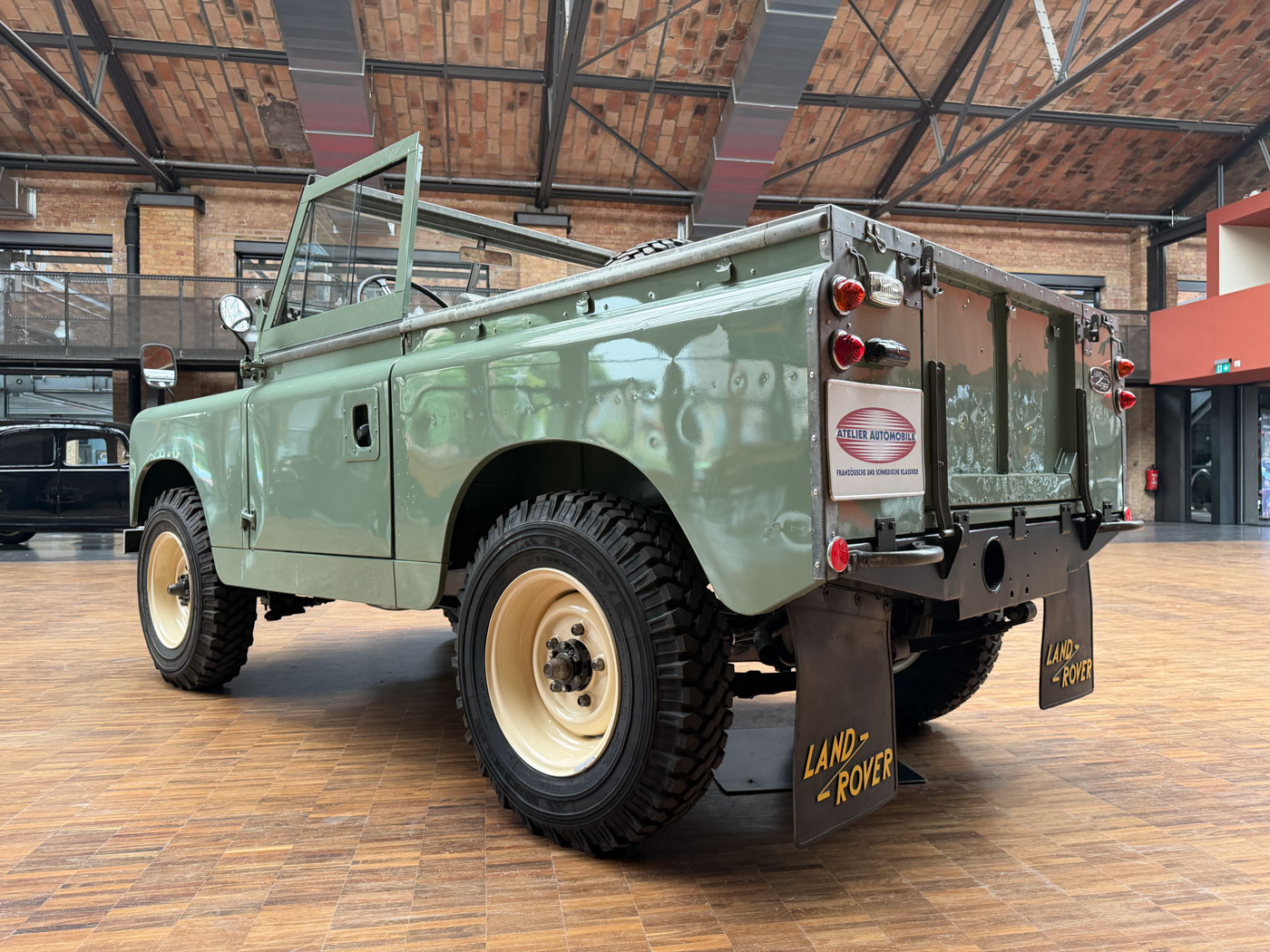
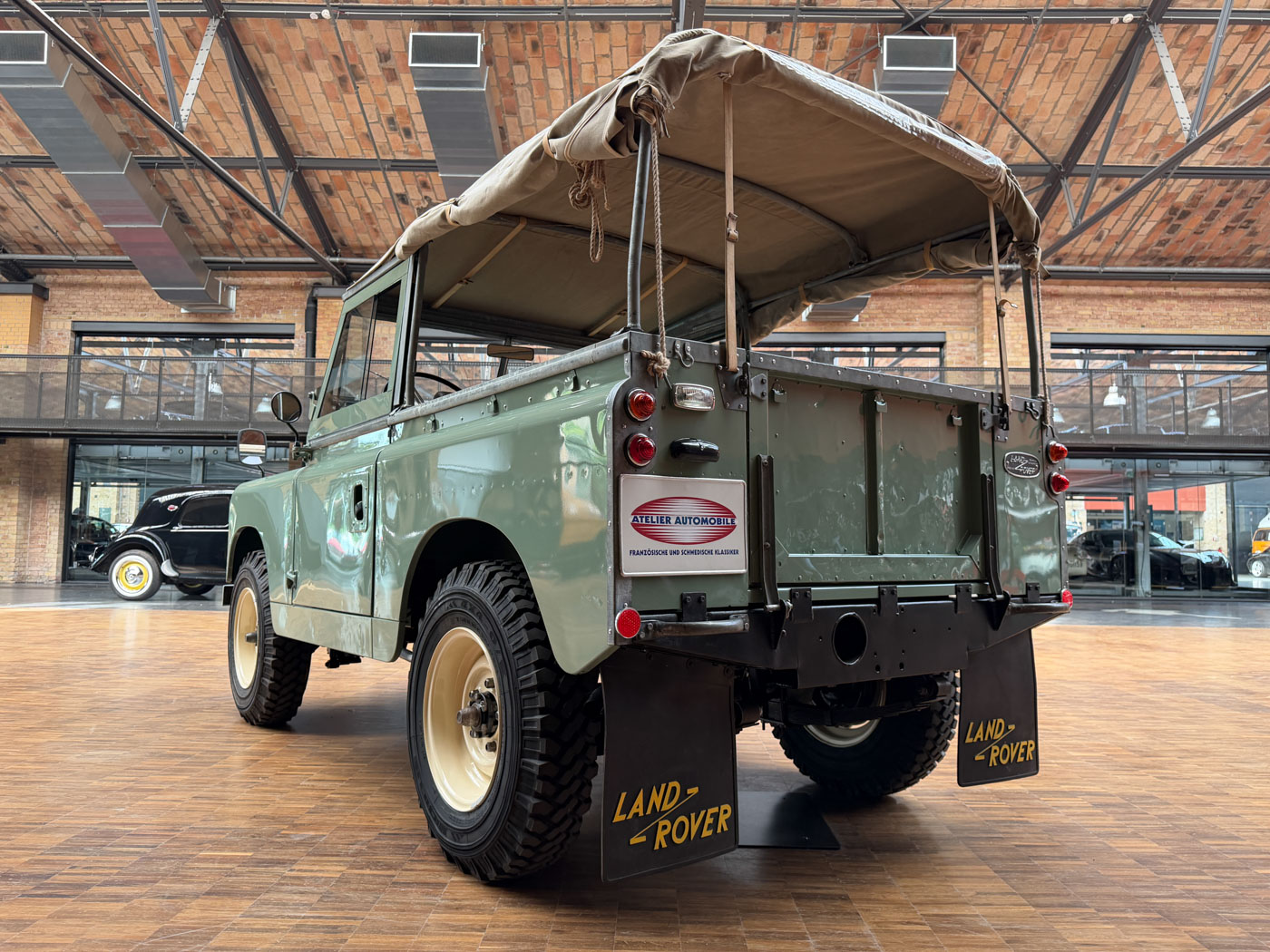
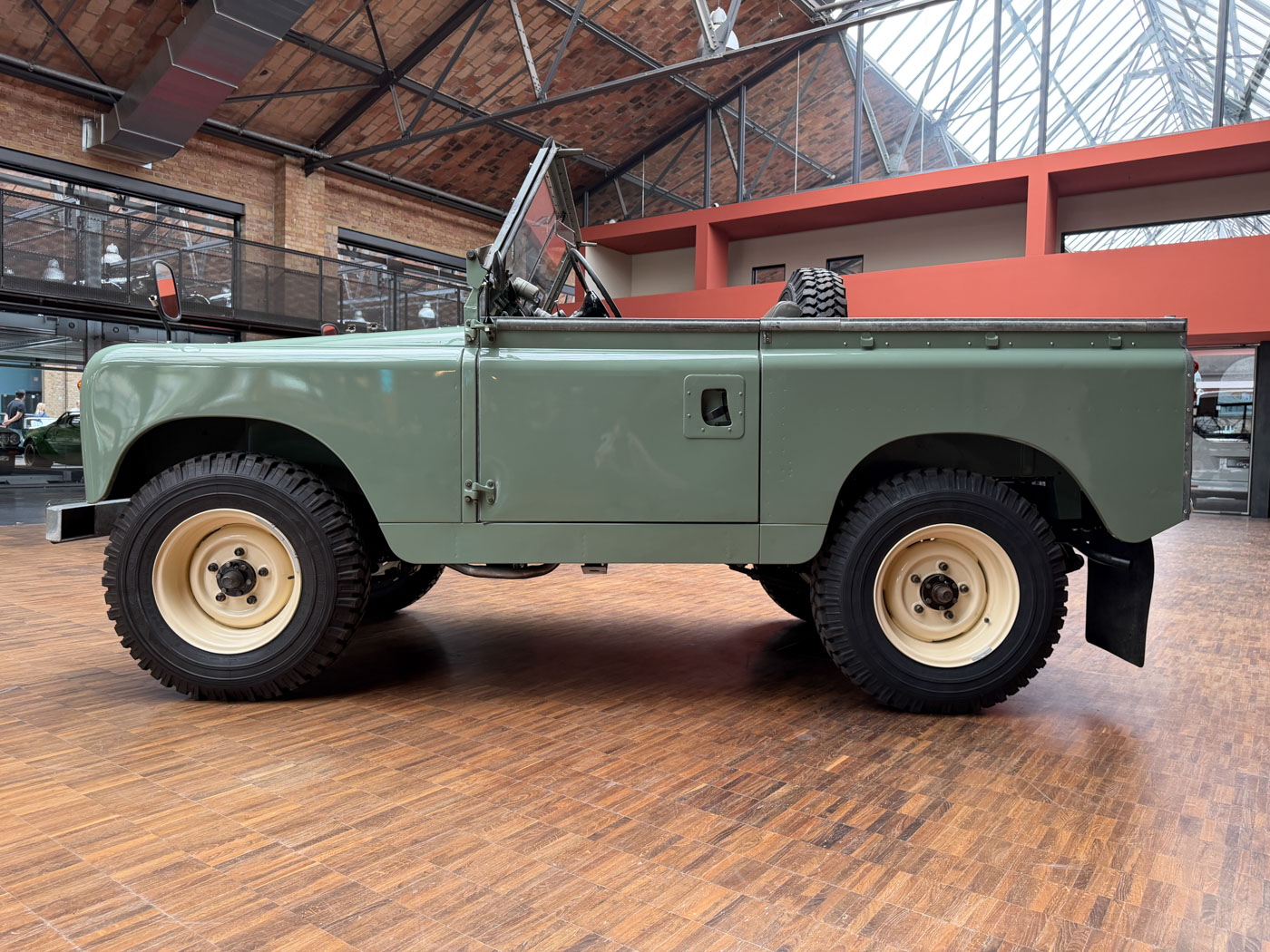
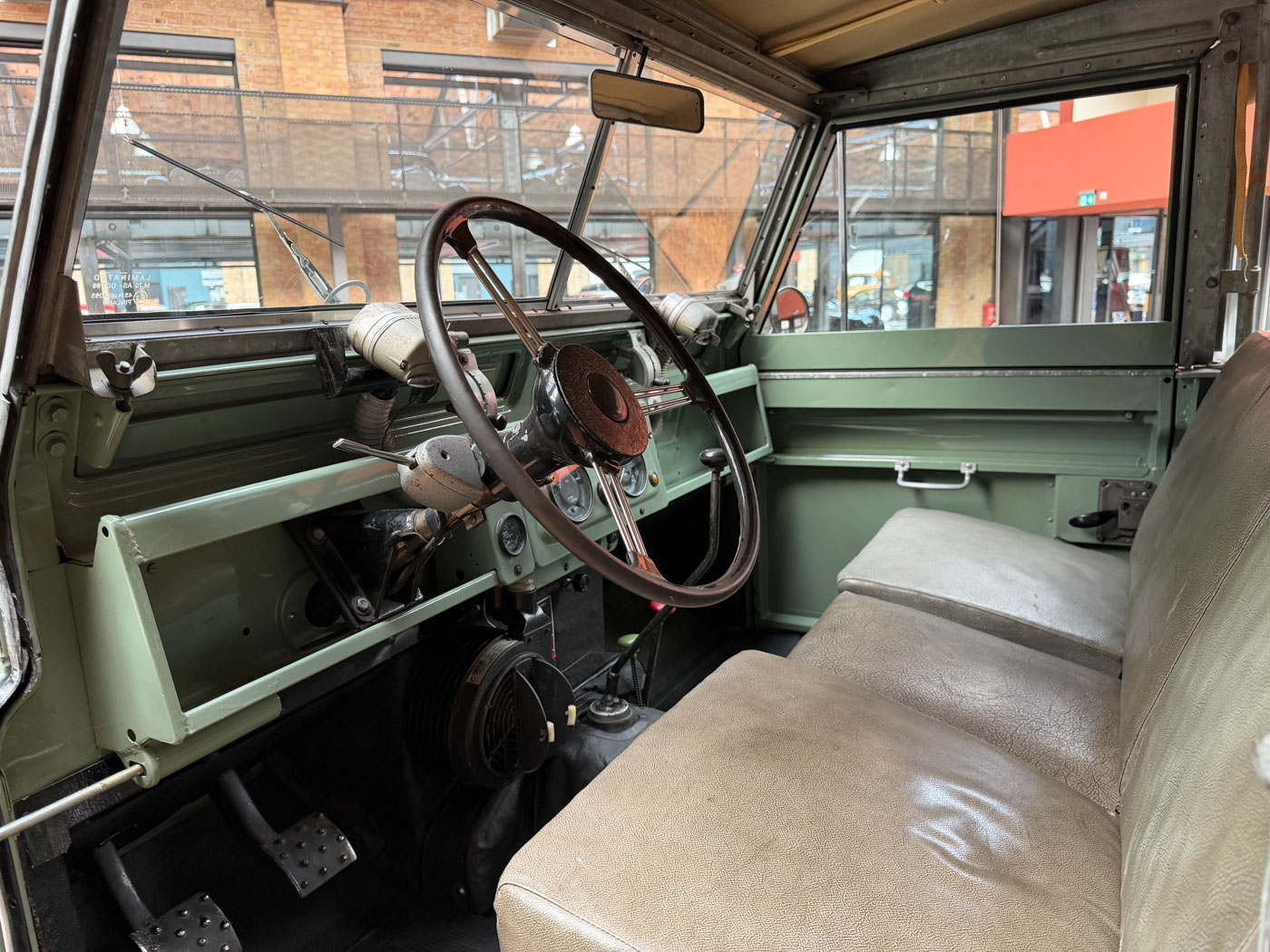
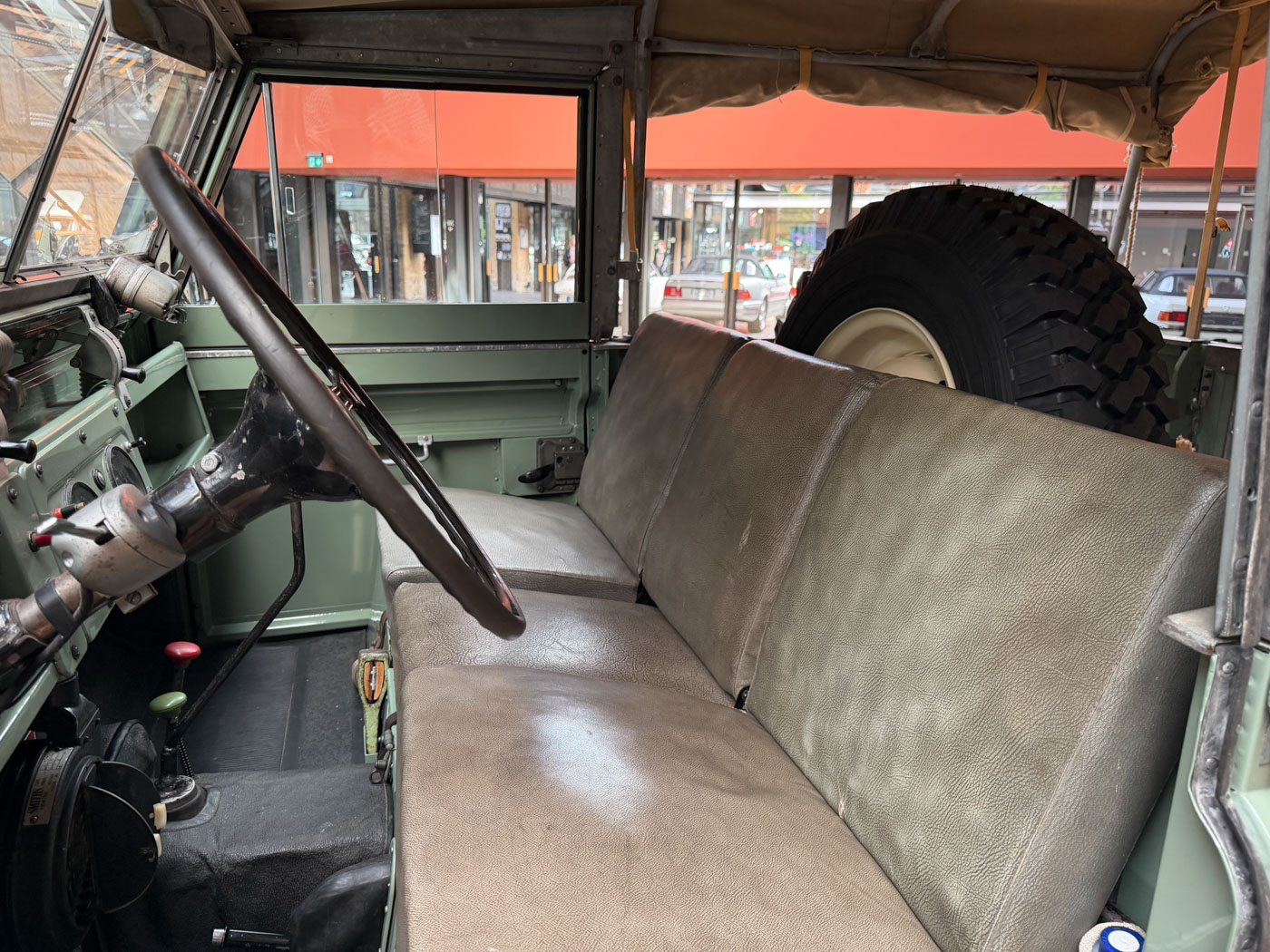
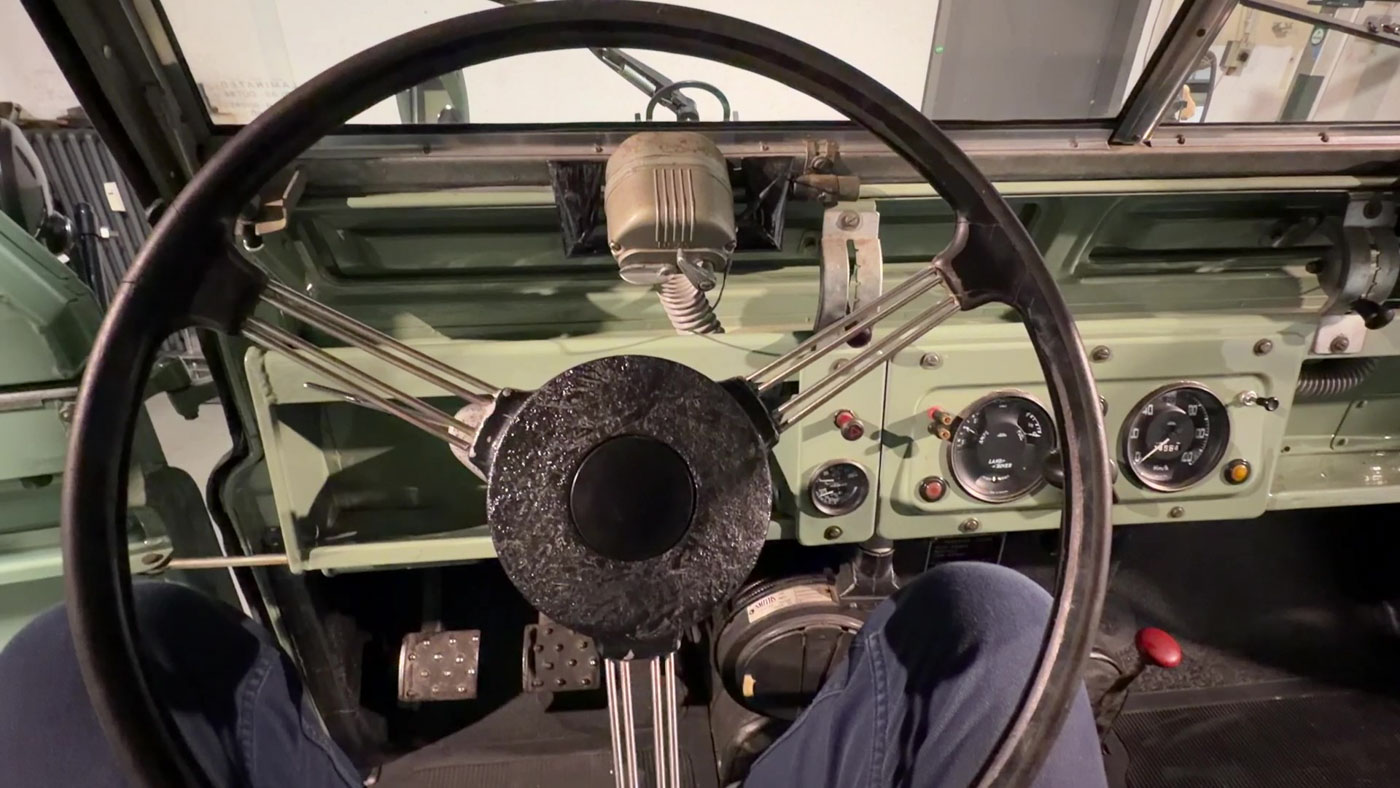
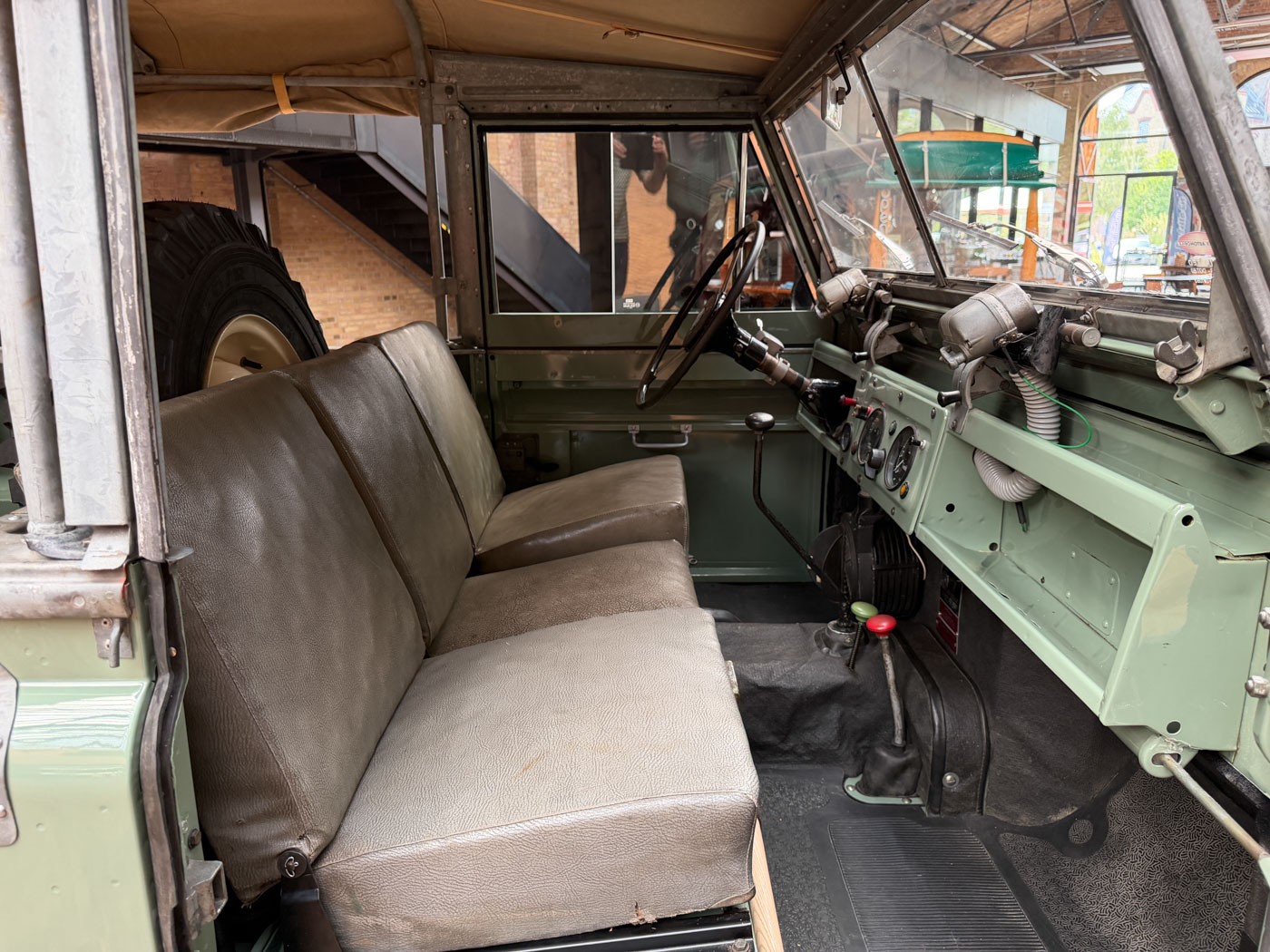
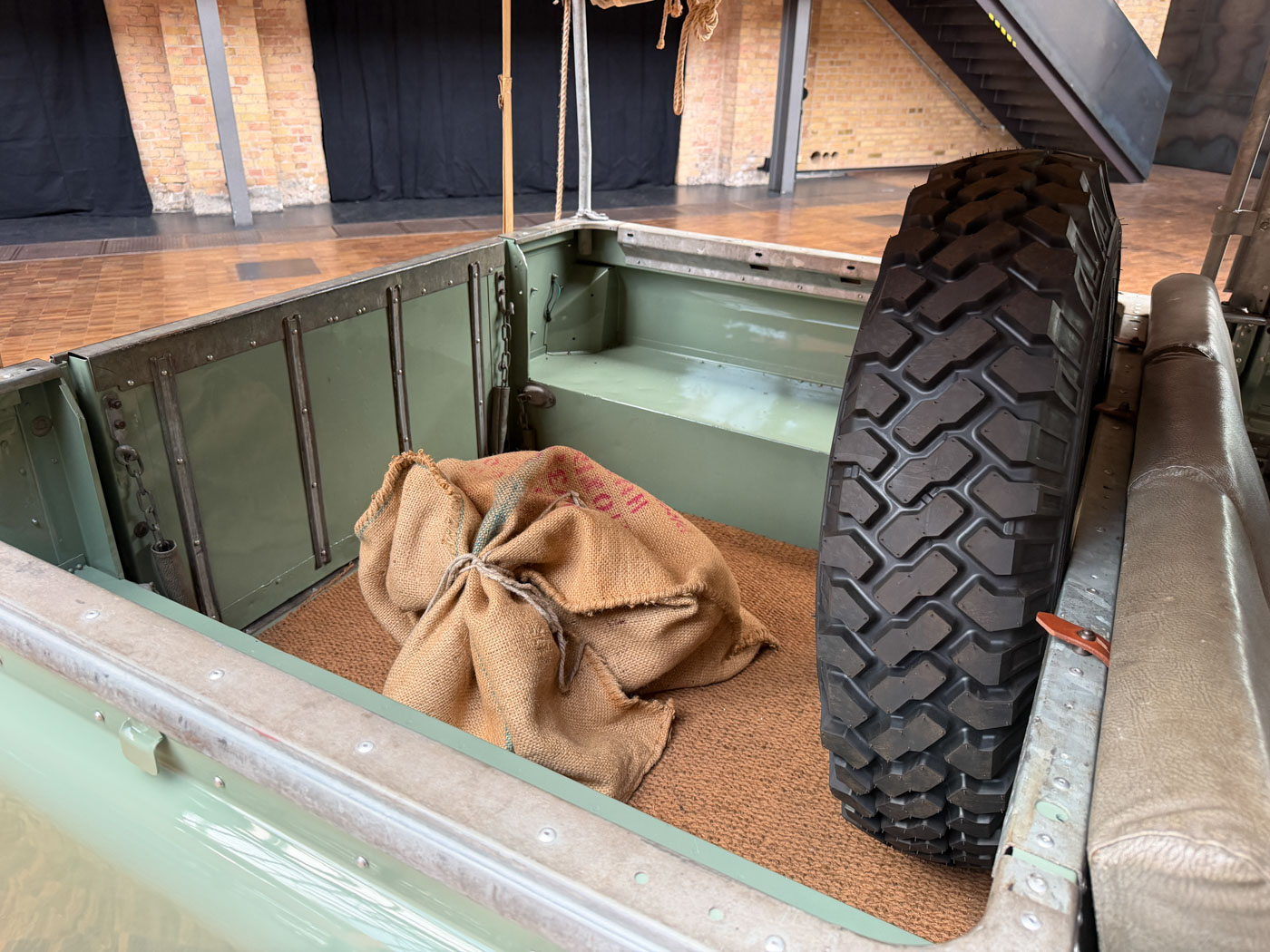
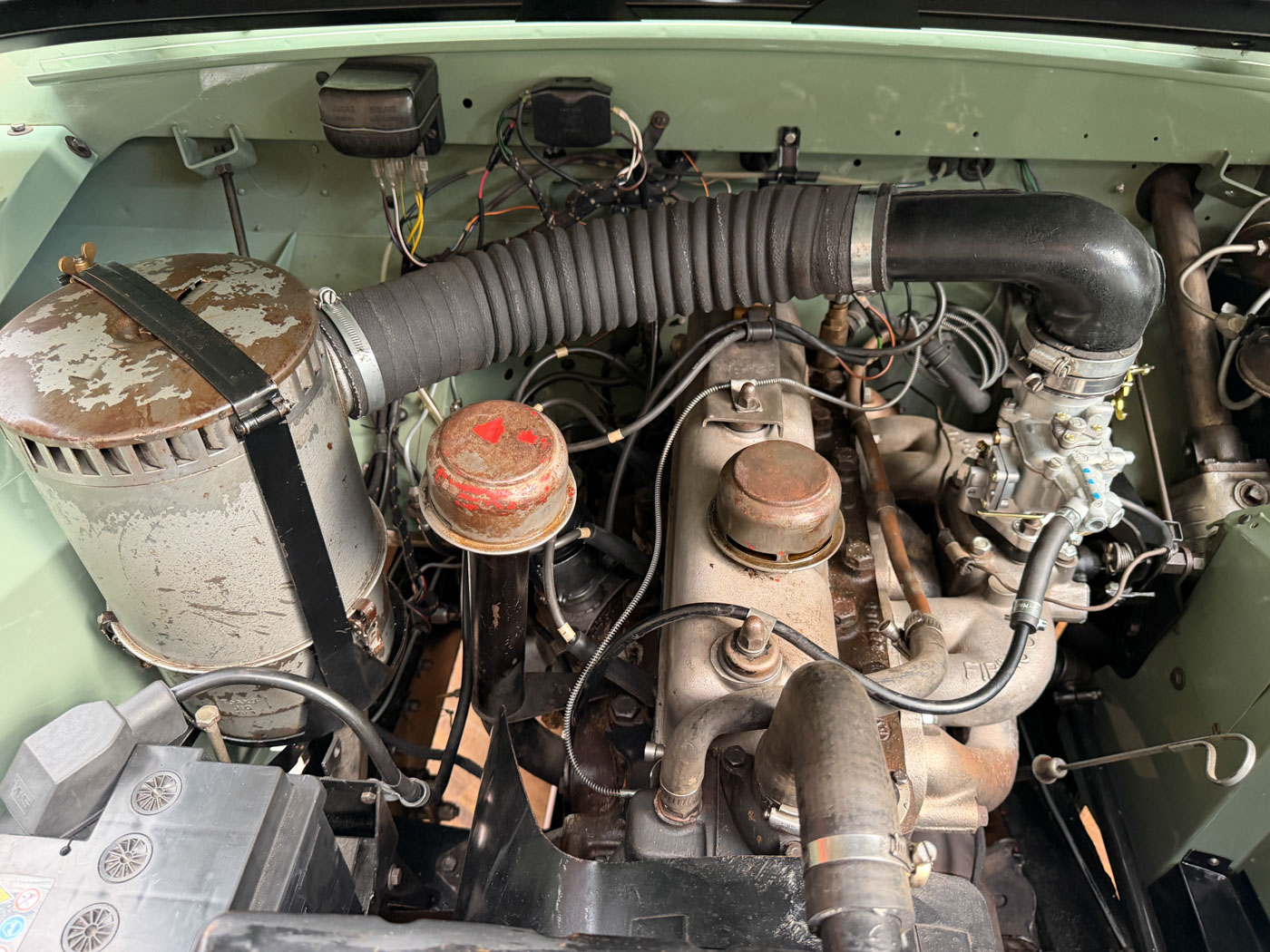
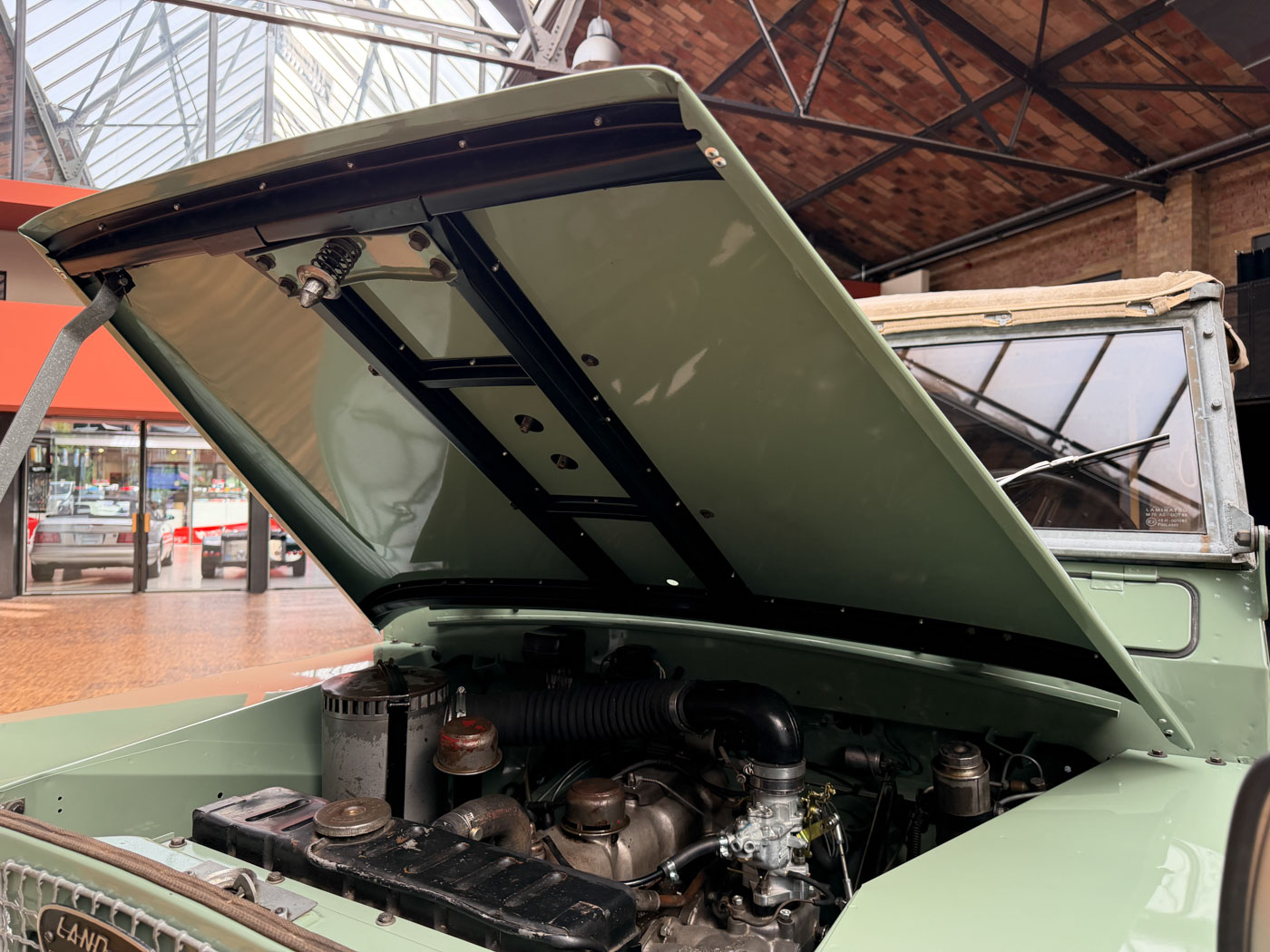
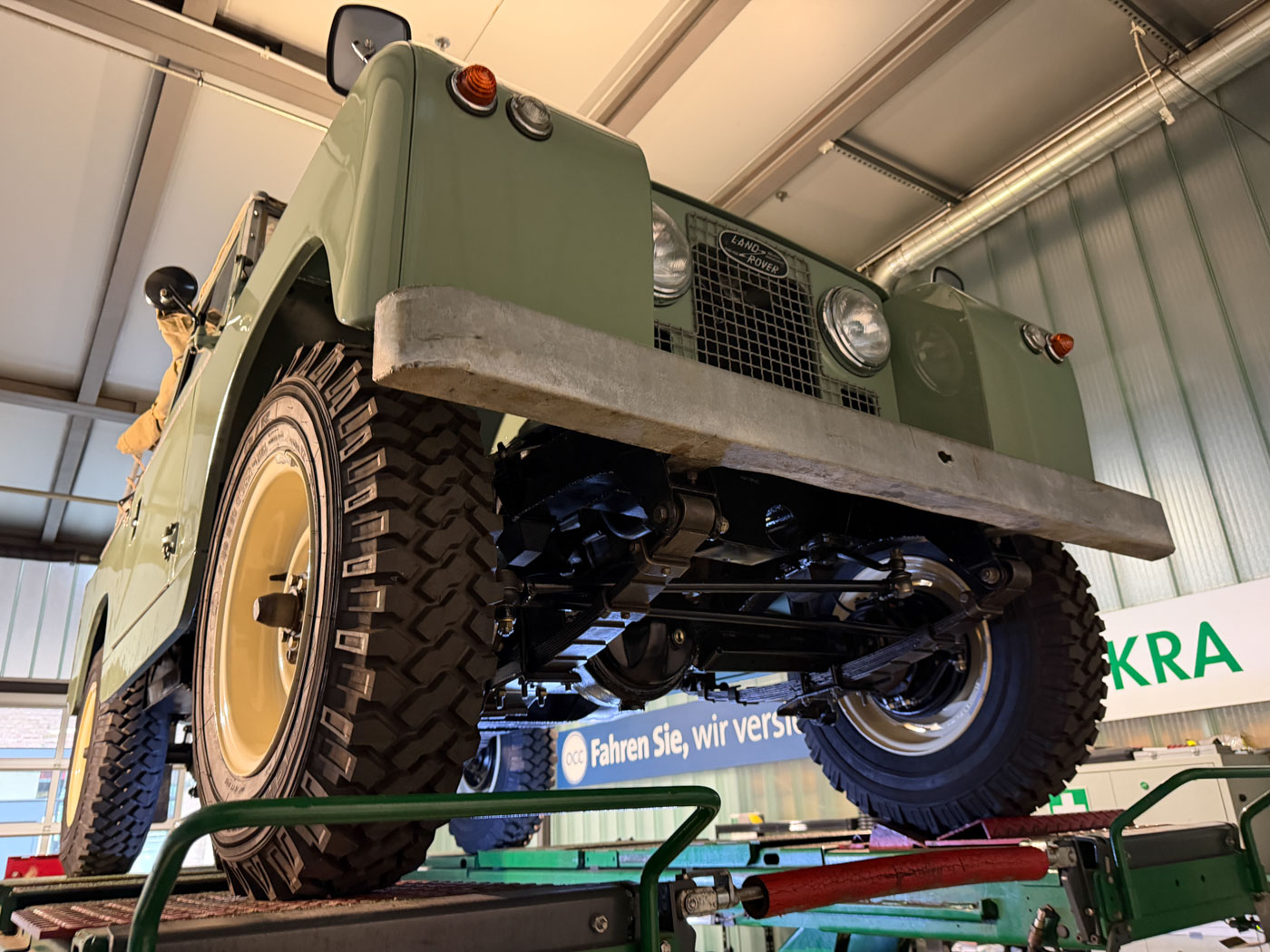
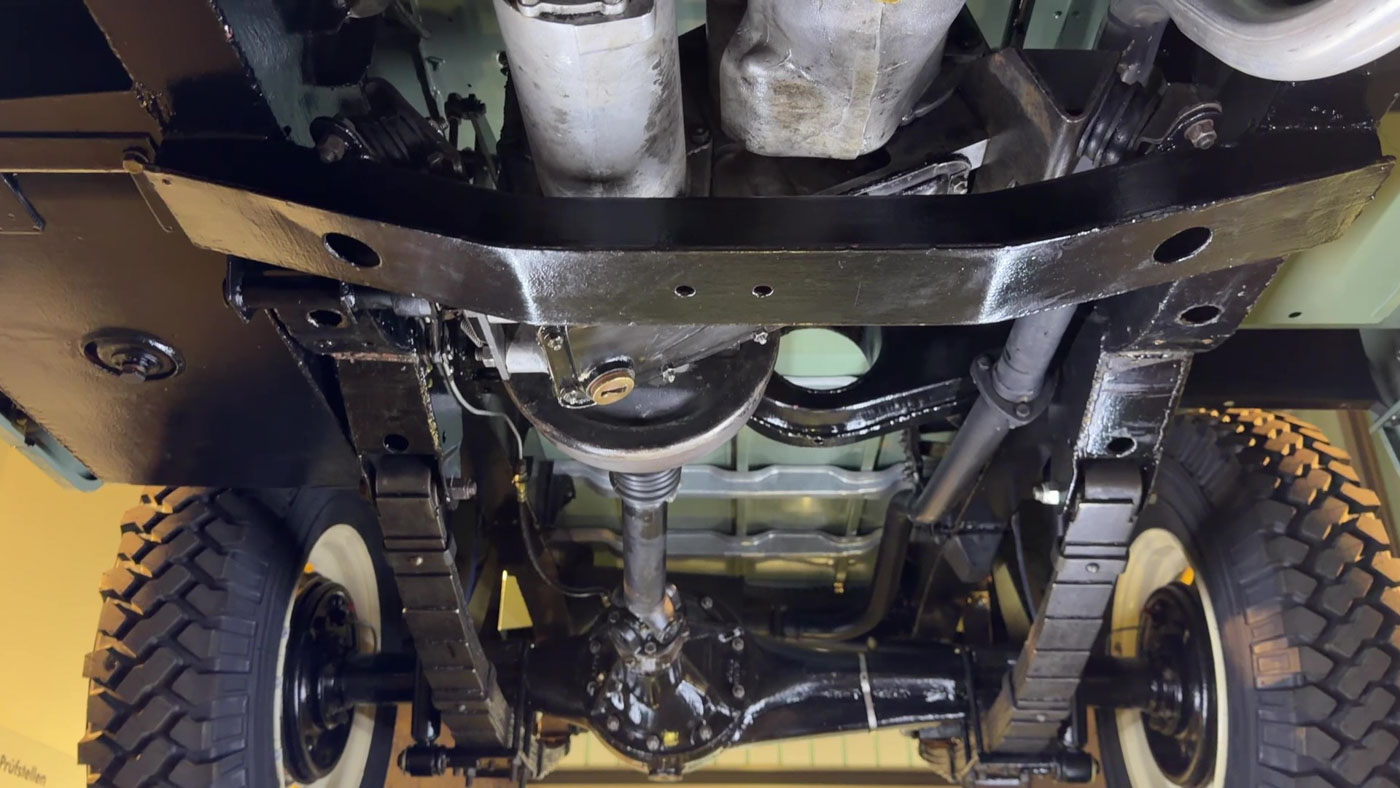
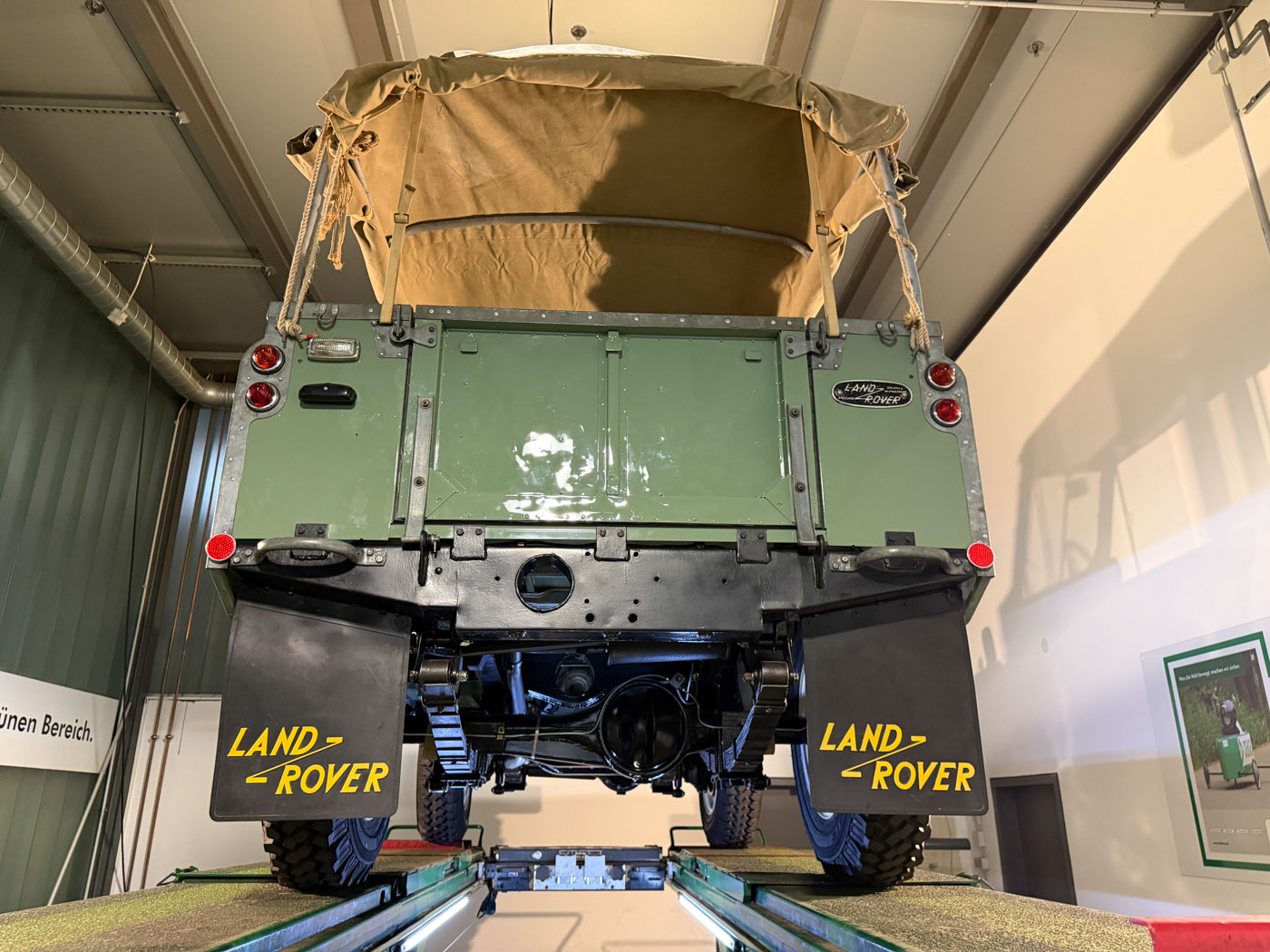
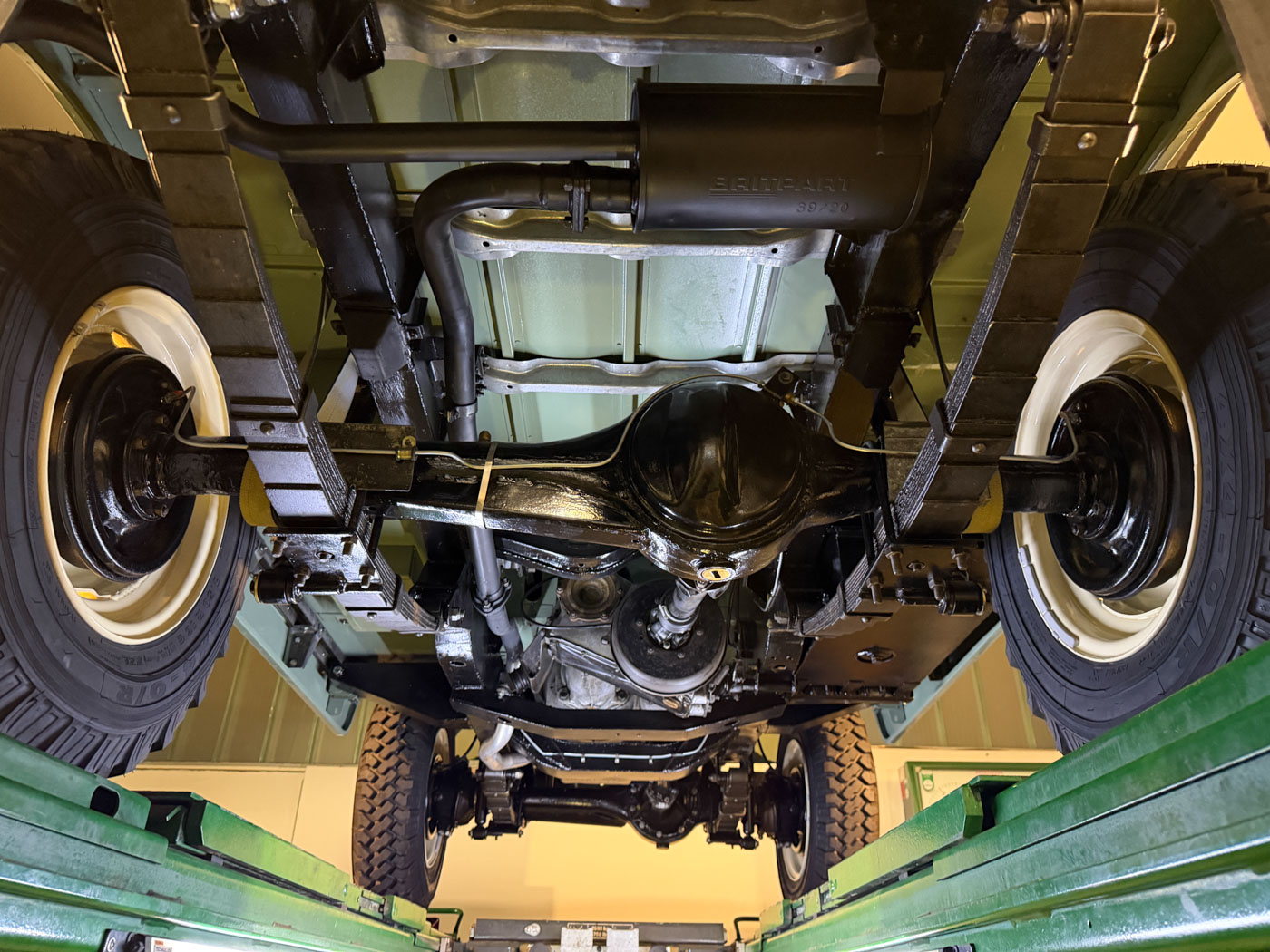
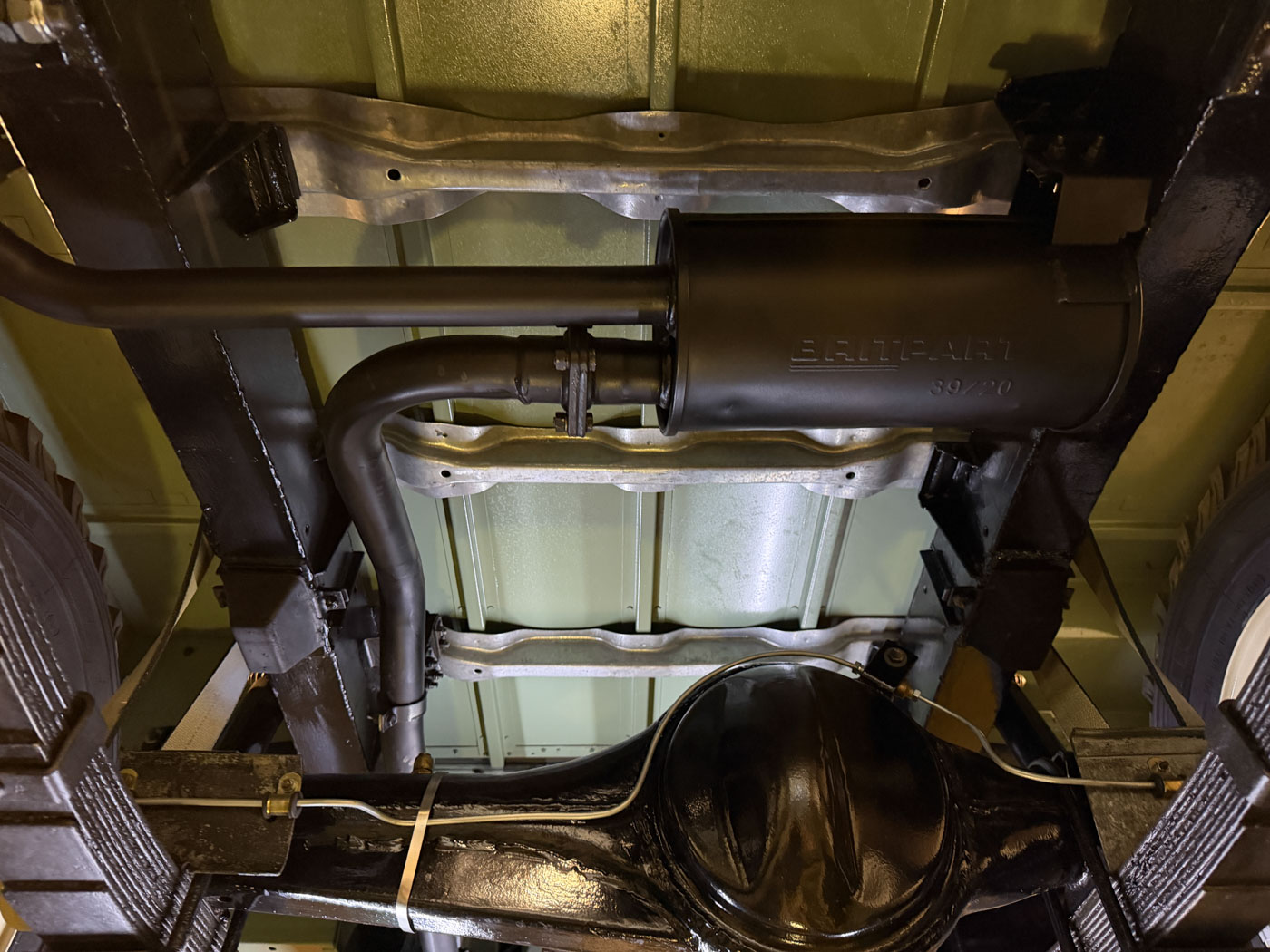
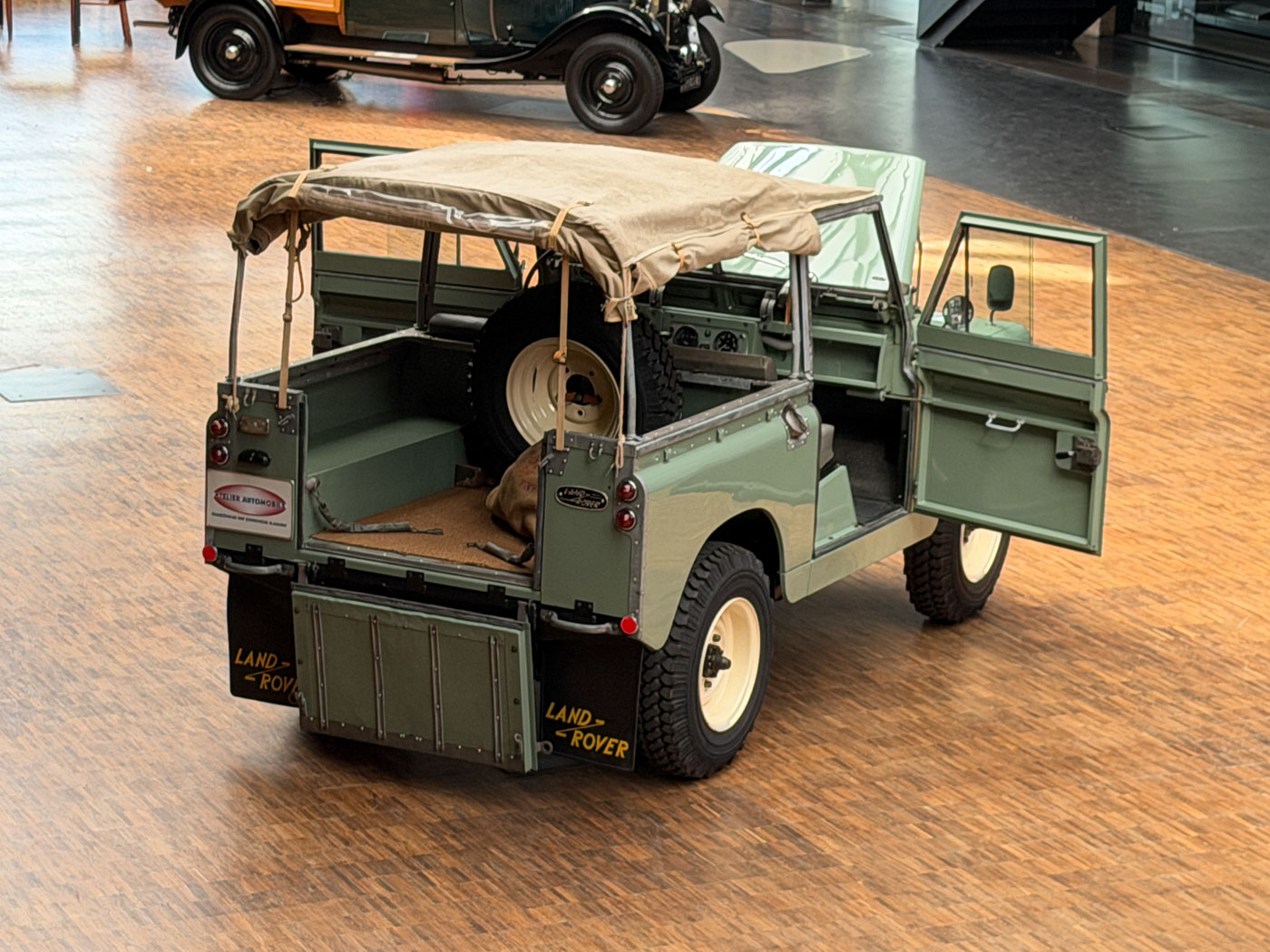
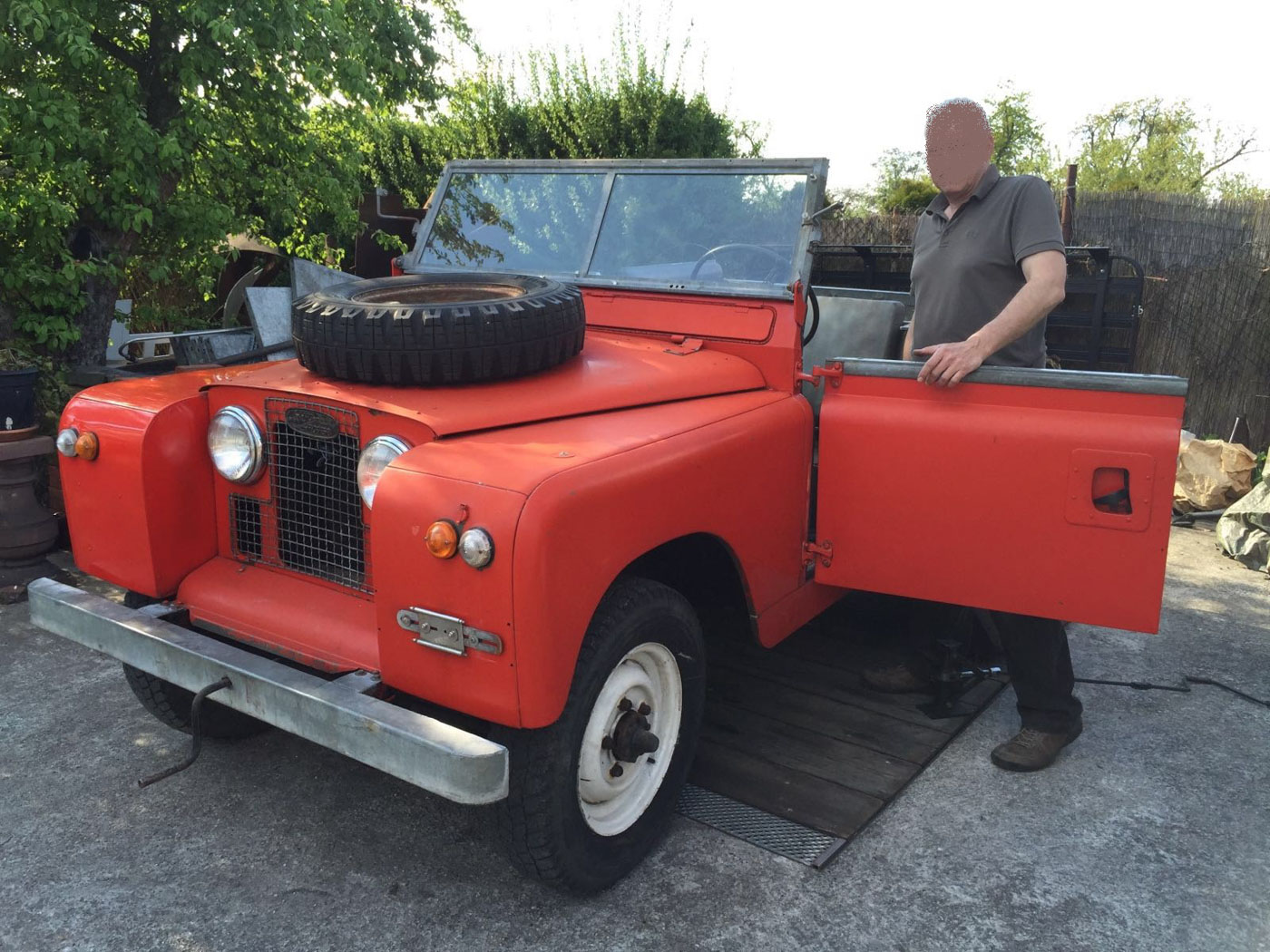
This Land Rover with a petrol engine was delivered to the fire department in Bern, Switzerland, in 1965. It saw very little use as a fire service vehicle; consequently, its total mileage stands at just 14,864 kilometers. In 2015, the vehicle was purchased by a gentleman from Berlin who—despite it being fully roadworthy and well-preserved—had it completely dismantled and rebuilt from the ground up (with the exception of the engine). Extensive documentation regarding the work performed is available. The owner chose not to open the engine, as it remained in completely original condition with low mileage, good compression, and solid oil pressure; it was reinstalled in its original state. The only modifications were the replacement of the Solex carburetor with a Weber unit and the installation of an electronic (contactless) ignition system. The original Solex carburetor is still available and could be rebuilt. Along with the engine, the seats were reinstalled in their original condition. The galvanized body parts and the soft top were also reused. All of this gives the vehicle a fascinating character that reflects much of the off-roader’s history. While this specific vehicle never went to Africa, the sight of this model often evokes memories of the 1970s TV series *Daktari*—featuring Clarence the cross-eyed lion, Judy the chimpanzee, and the theme song “Elephant Walk.”
We subject every vehicle to a systematic inspection—covering everything from the bodywork and engine to the electrical system. Based on this, we prepare three package options. You decide which offer best suits your needs.
Économie – €41,300
Inspected and fully roadworthy vehicle with “H-Plate” (classic car) certification and a valid inspection (TÜV) until February 2028.
Standard – €42,900
Includes a service with an oil change and wheel alignment.
Suprême – €44,200
Includes everything above, plus wax-based cavity and underbody preservation.
We would be happy to send you the details of the three proposals. Alternatively, simply give us a call, and we can explain everything to you personally.