

4 cylinders
1,985 cc
78 hp
157 km/h
46.500 €
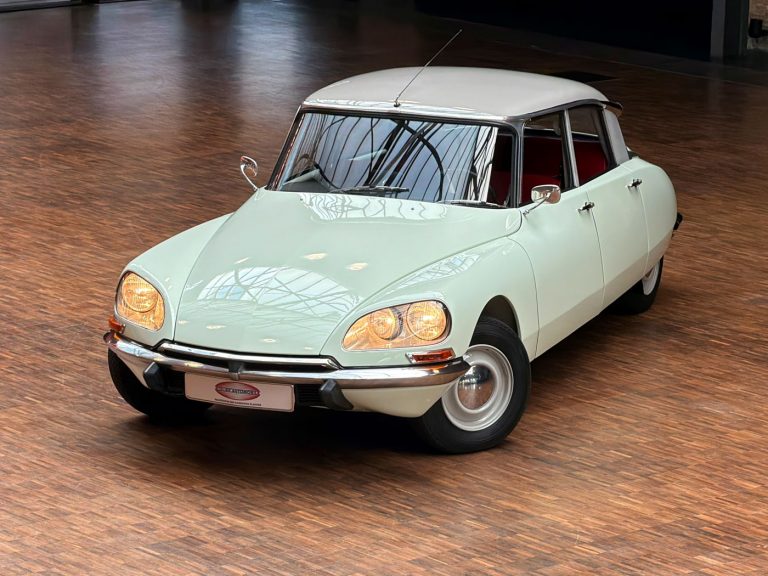
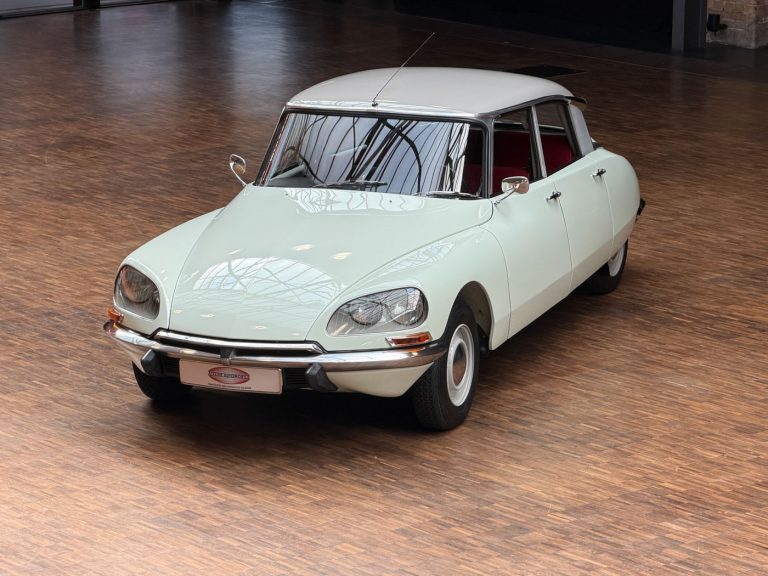
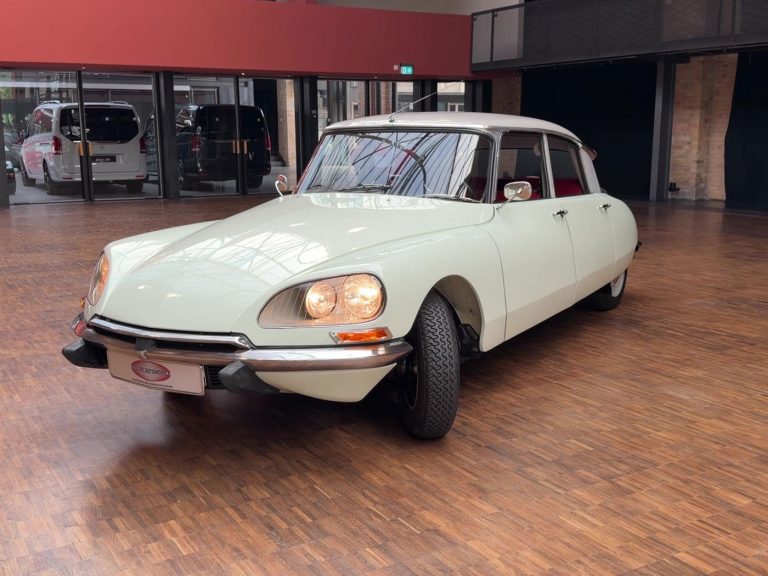
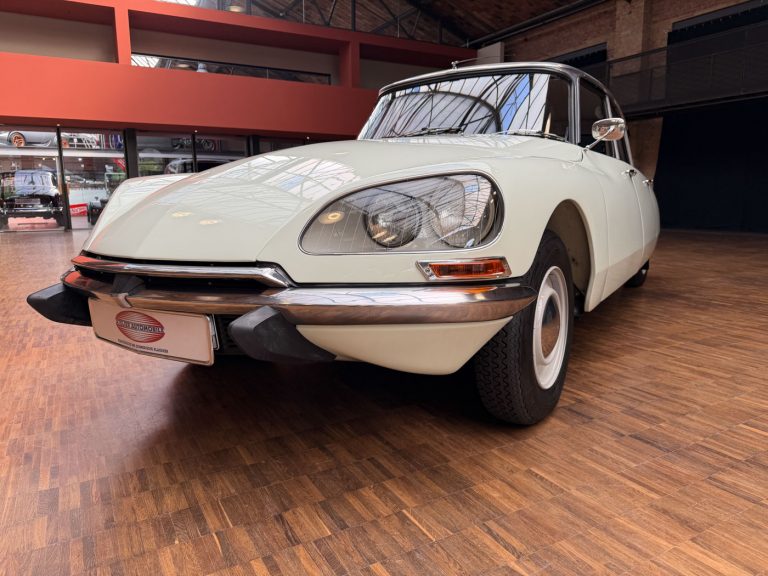
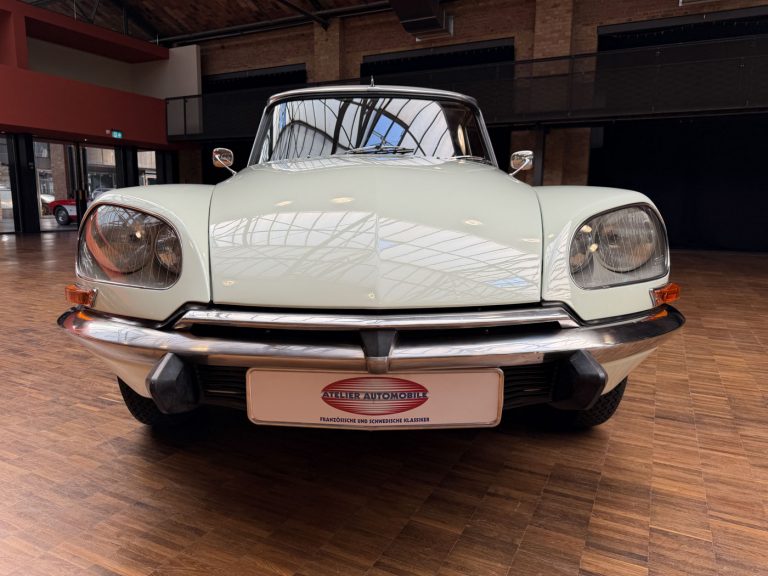
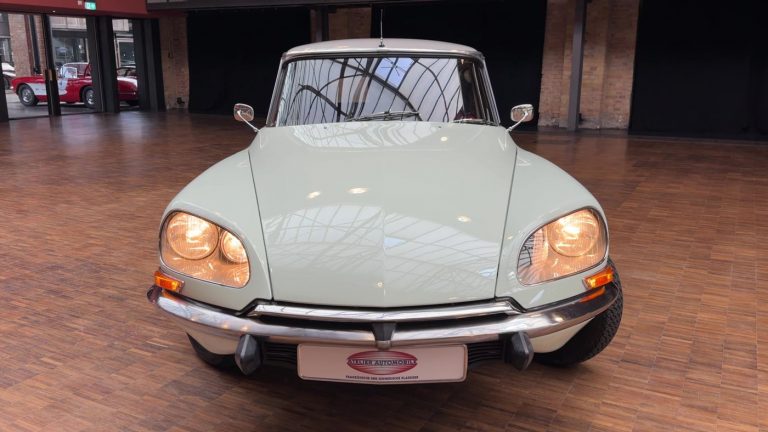
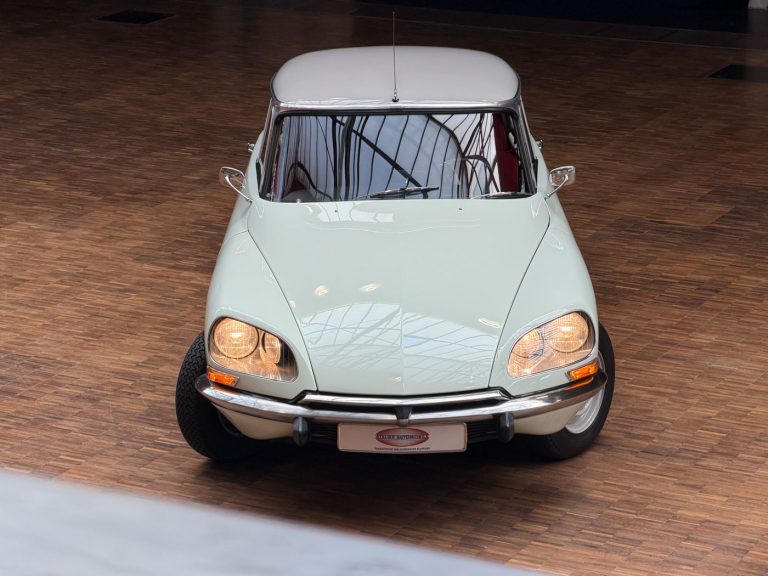
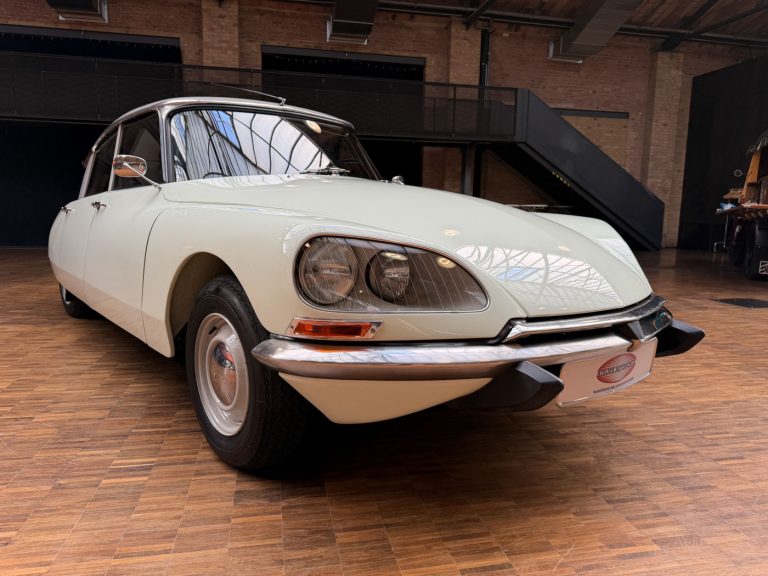
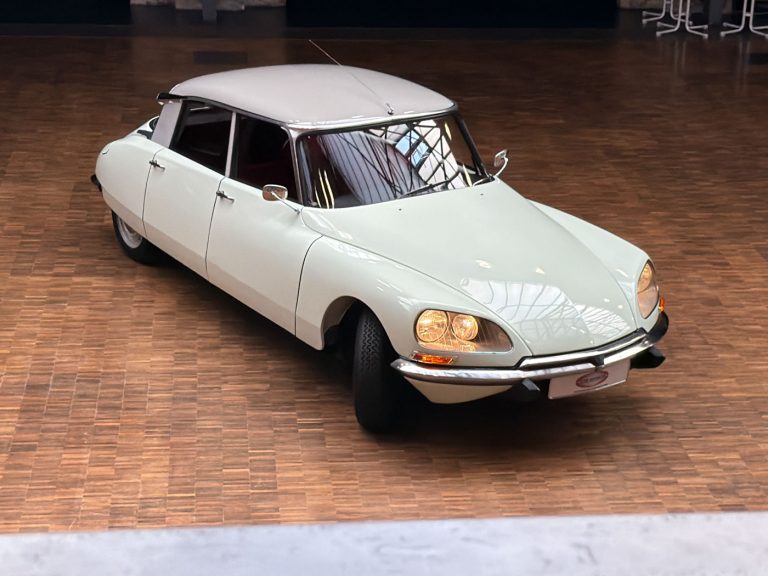
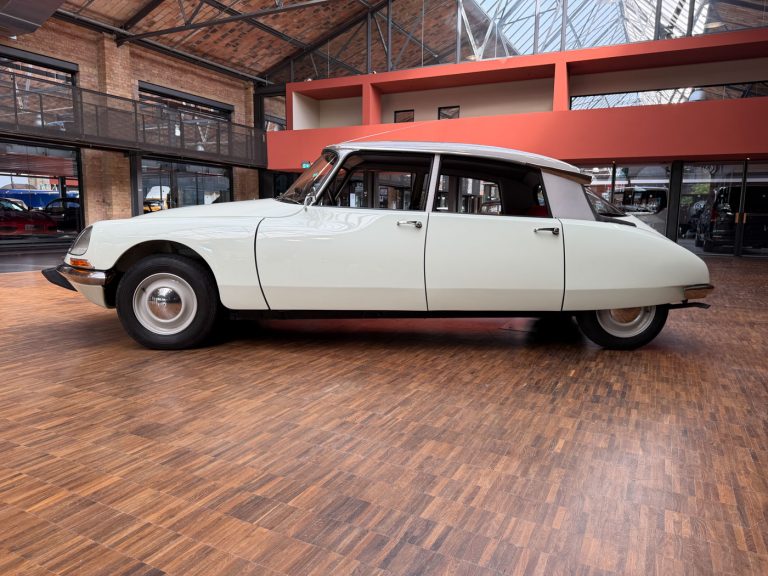
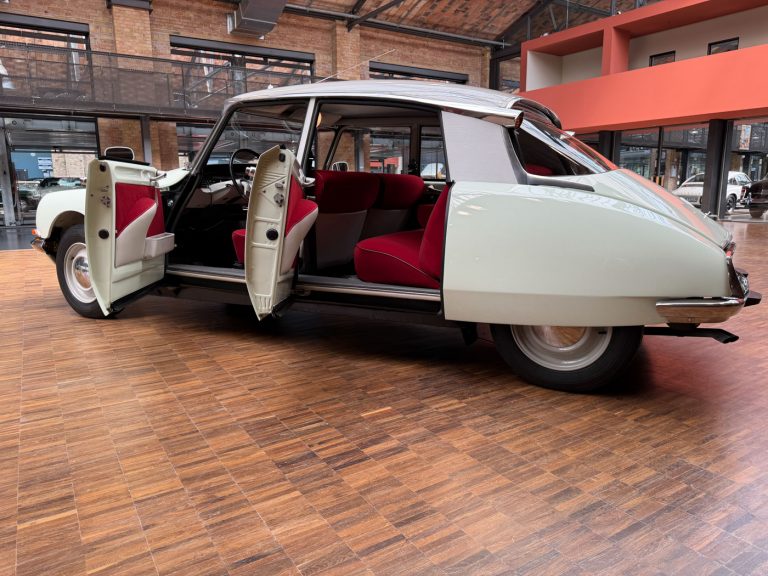
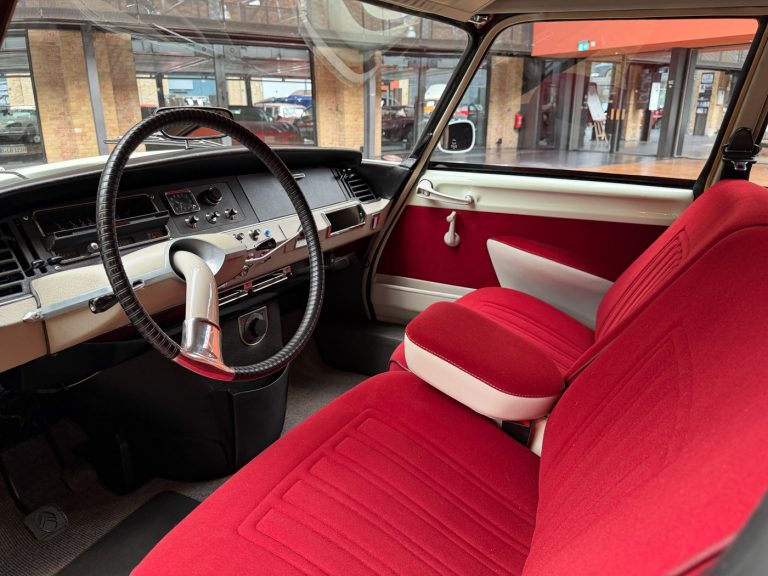
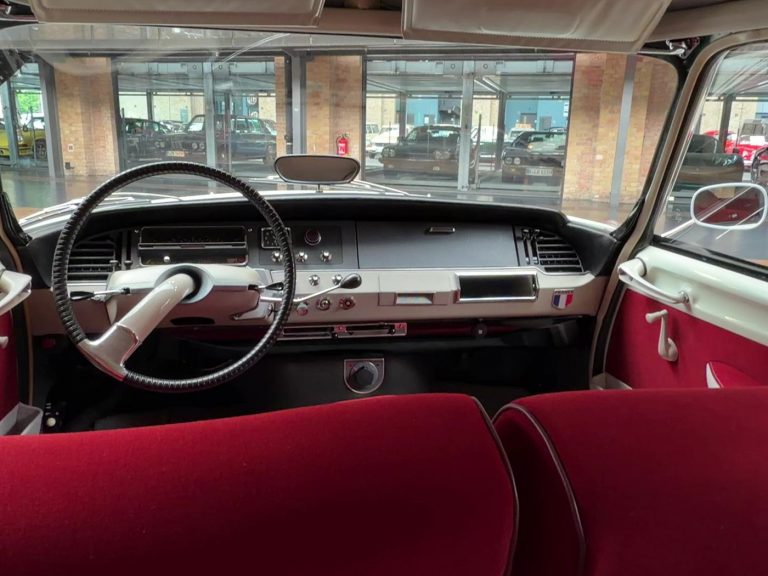
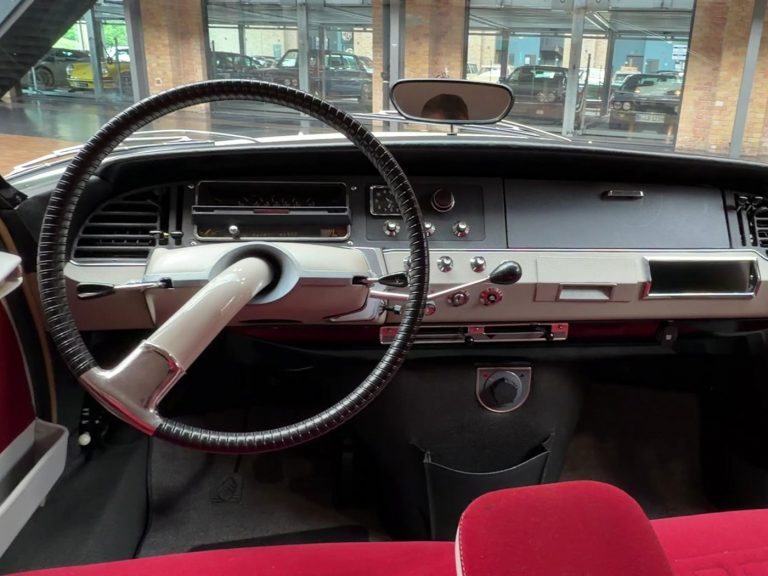
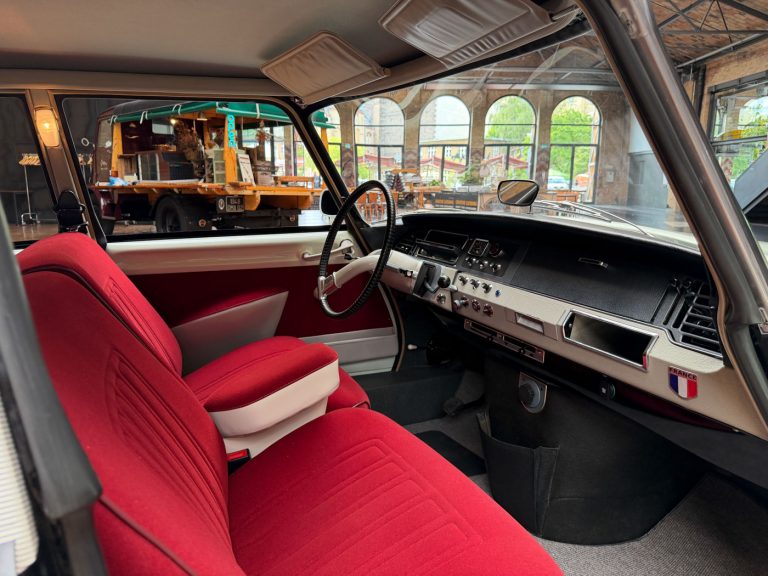
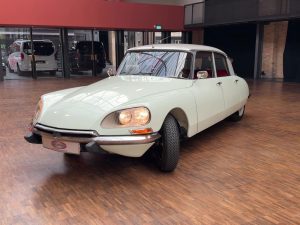
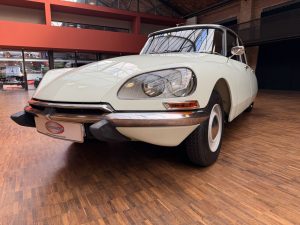
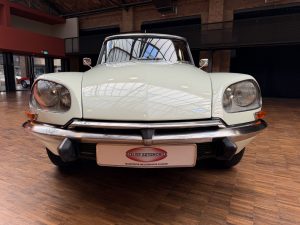
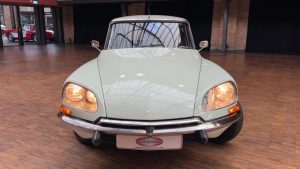
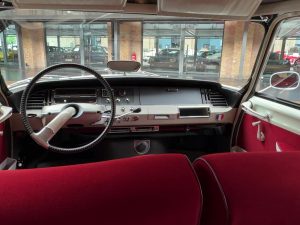
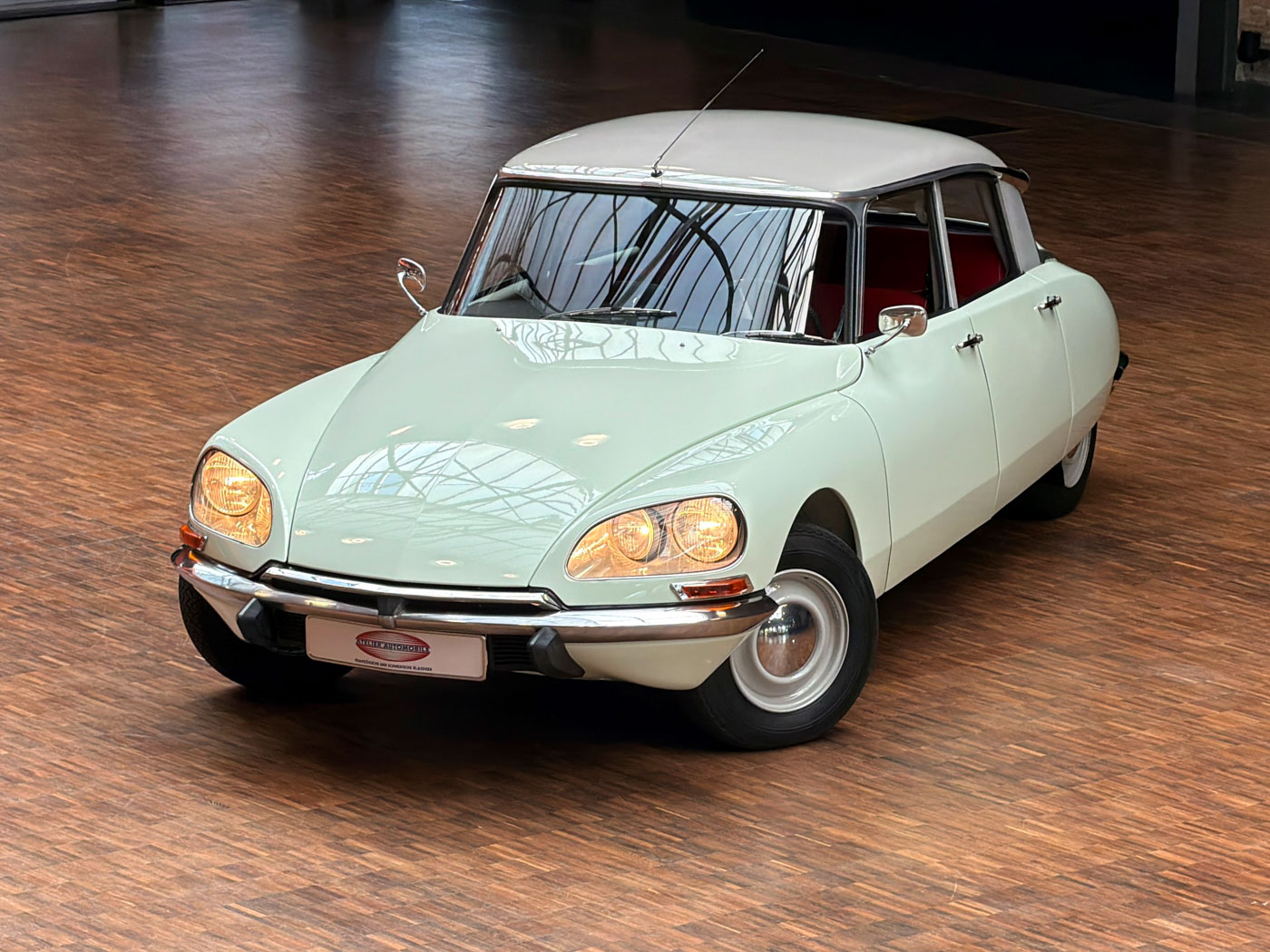
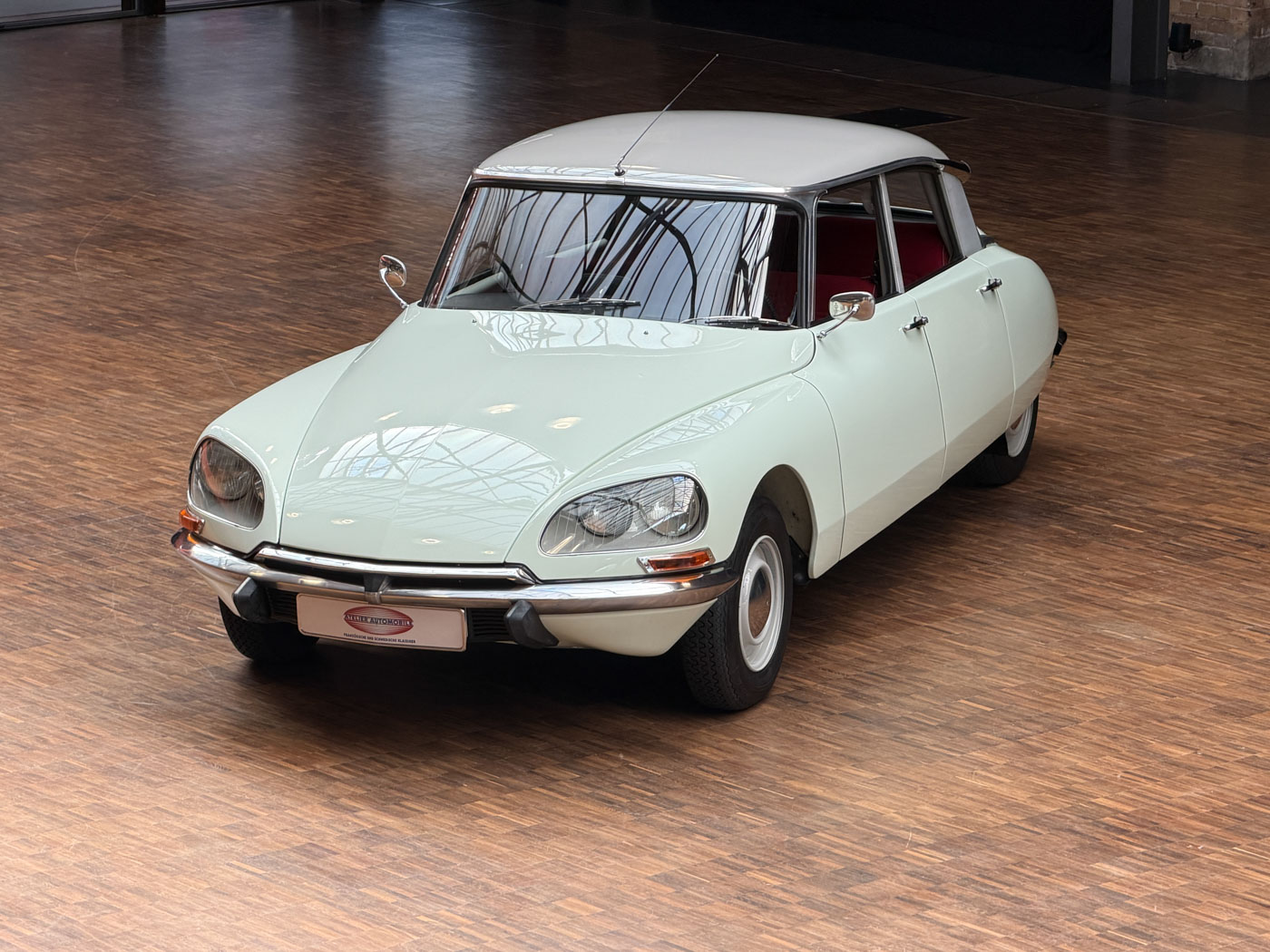
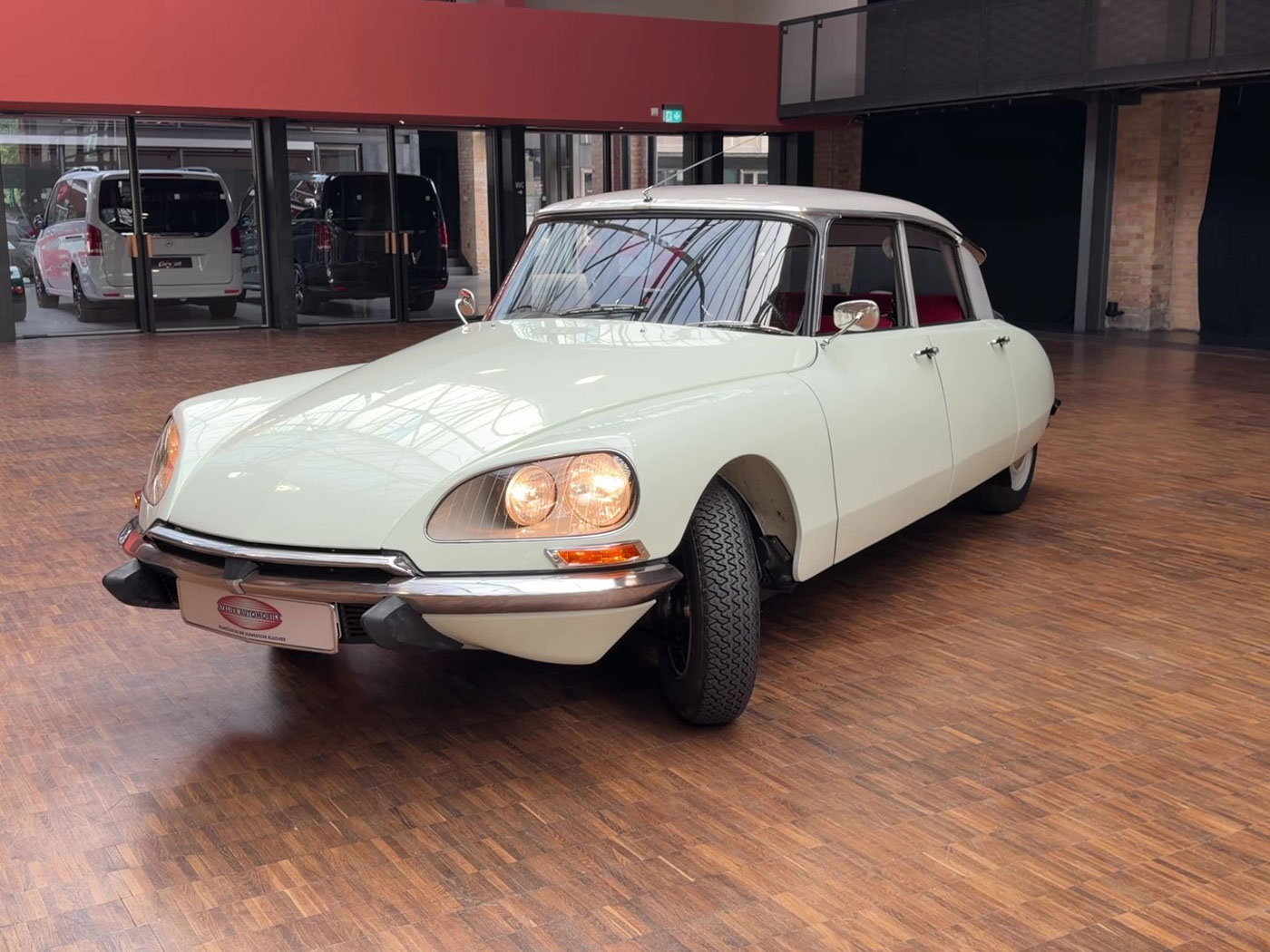
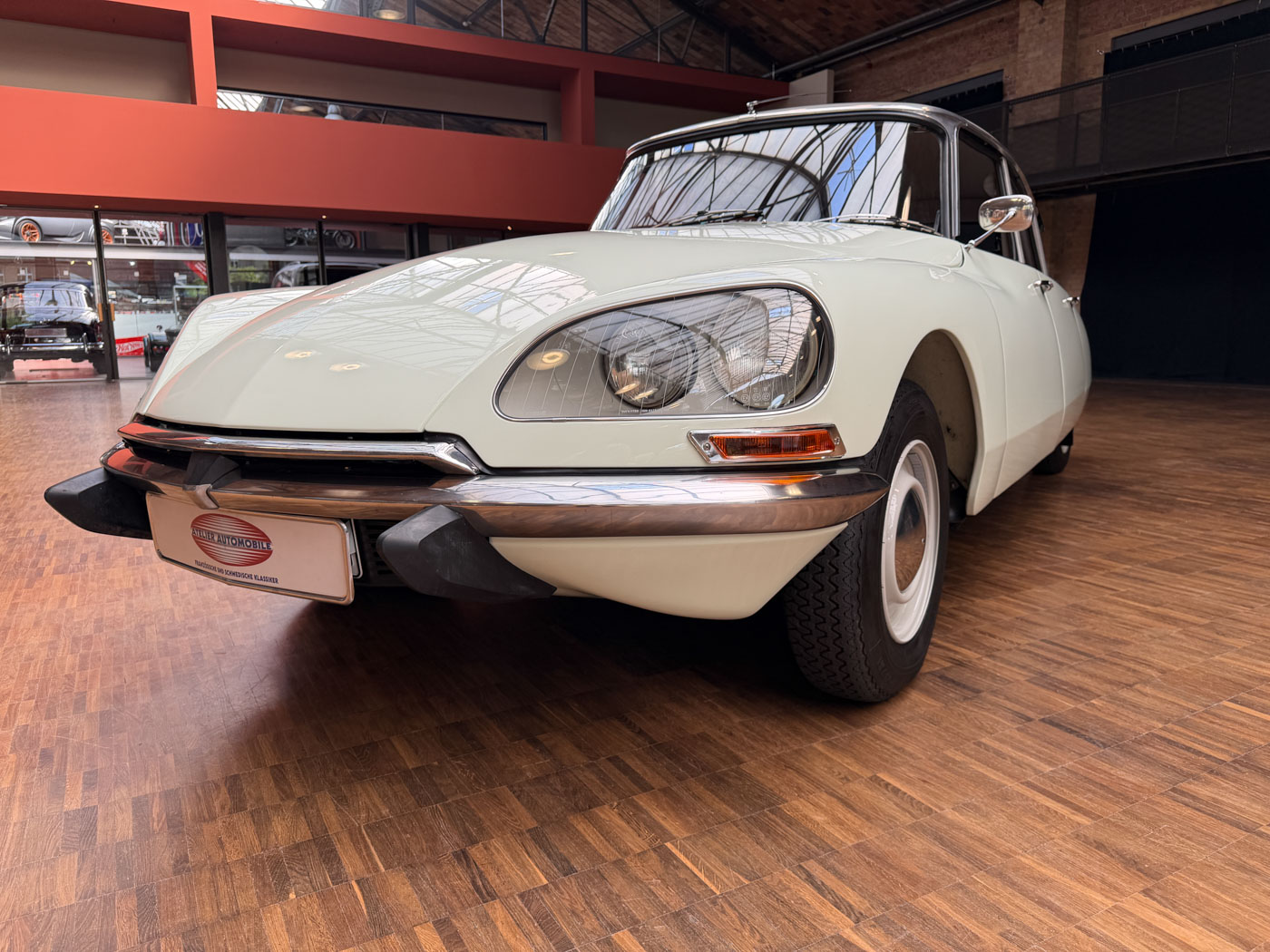
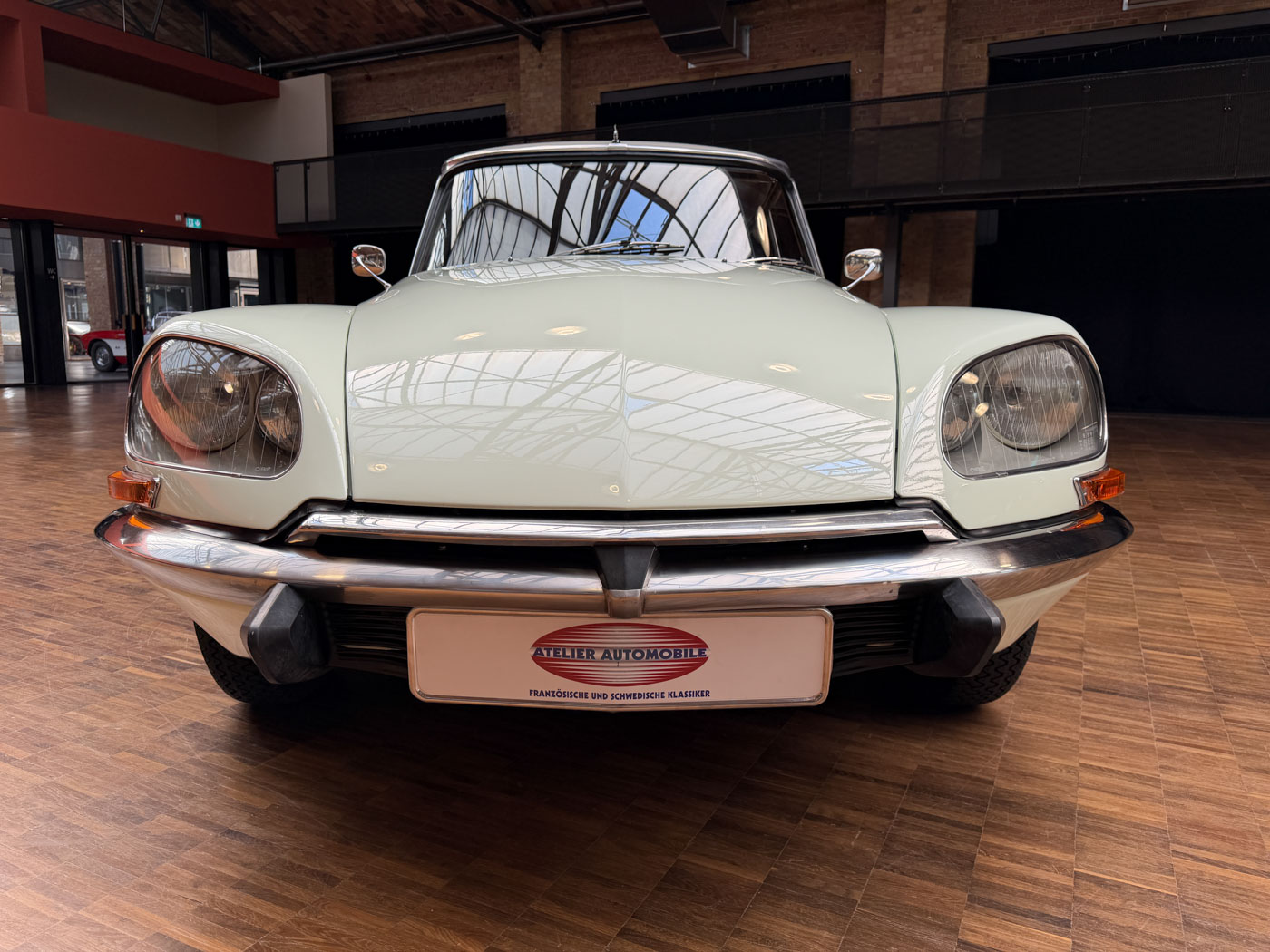
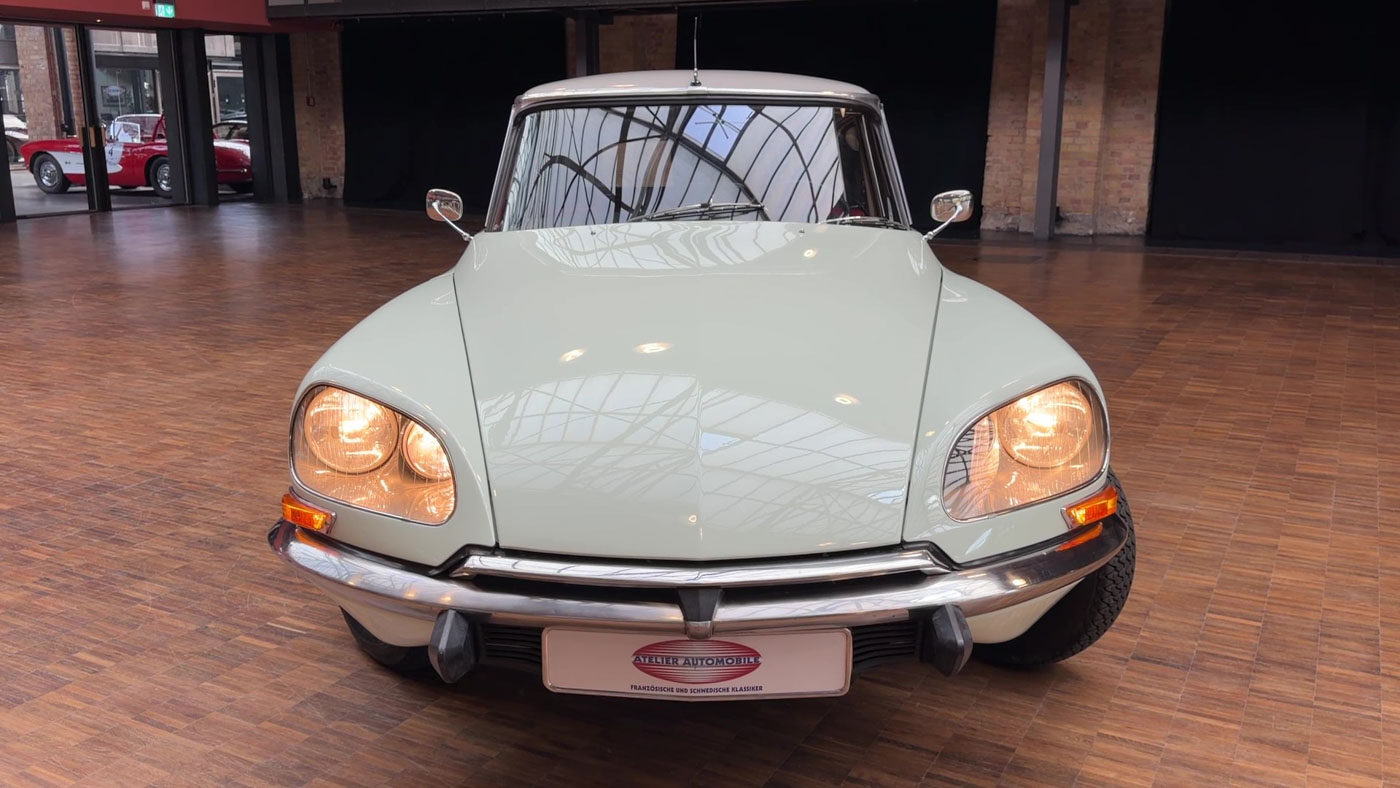
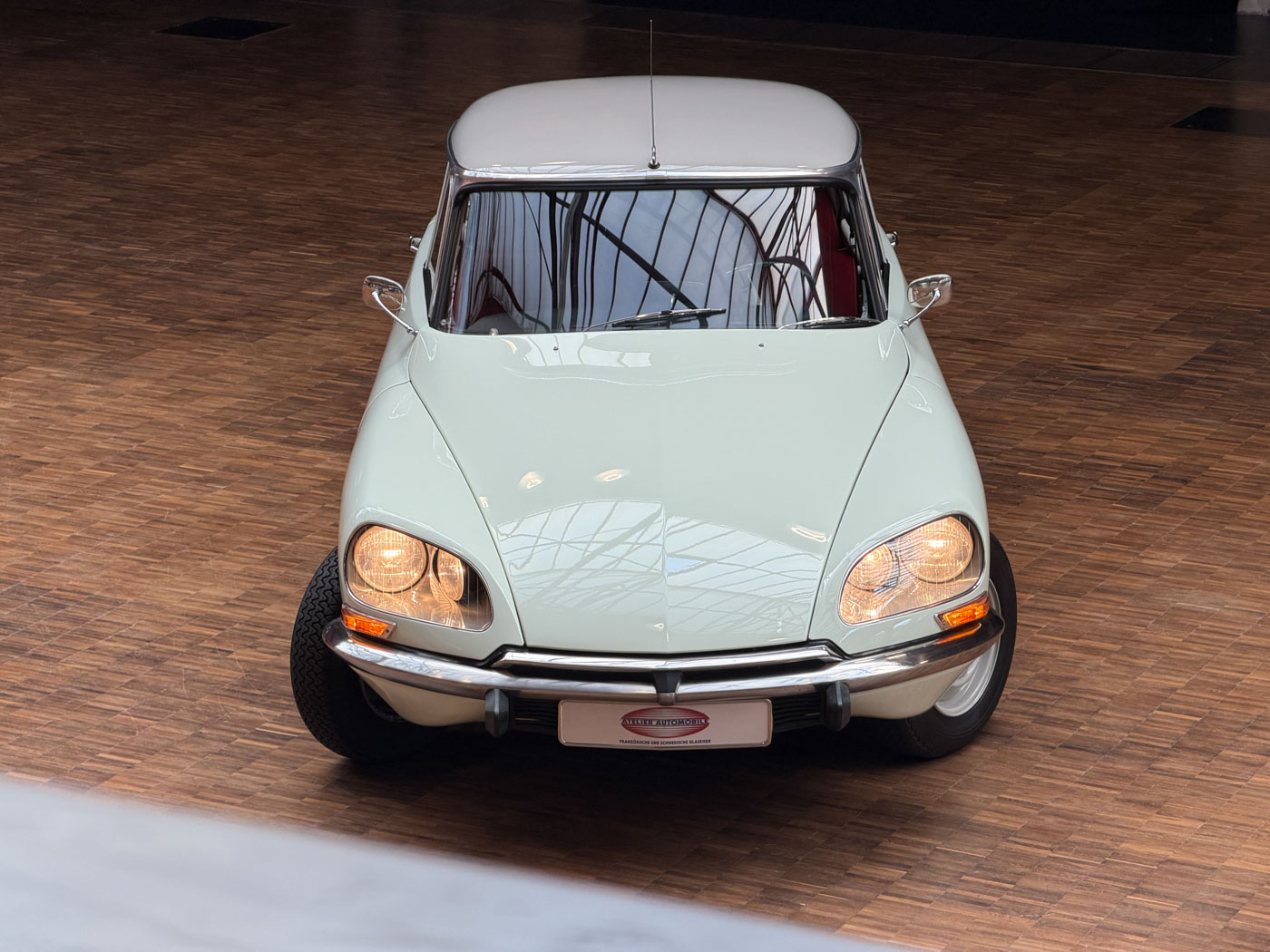
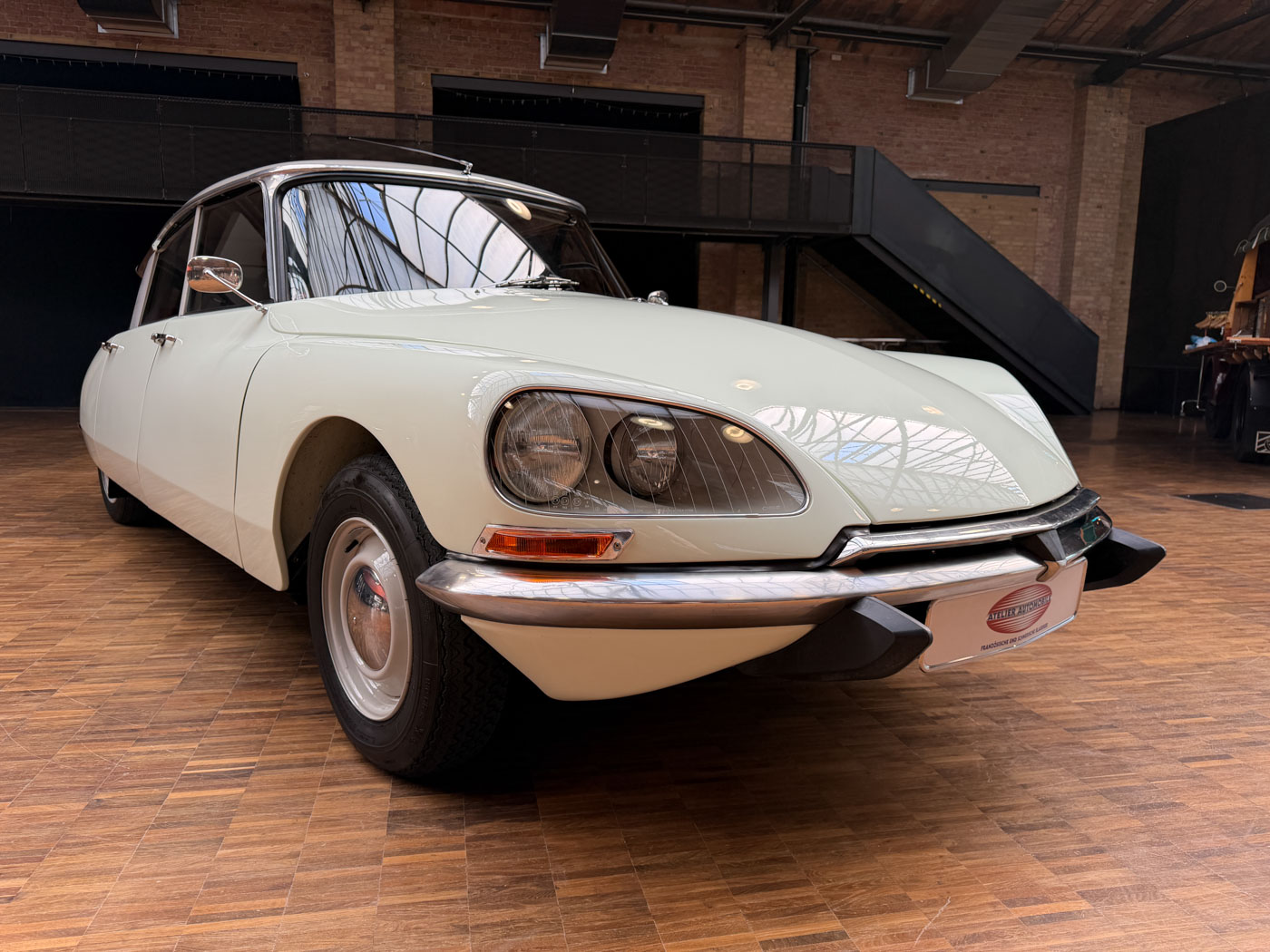
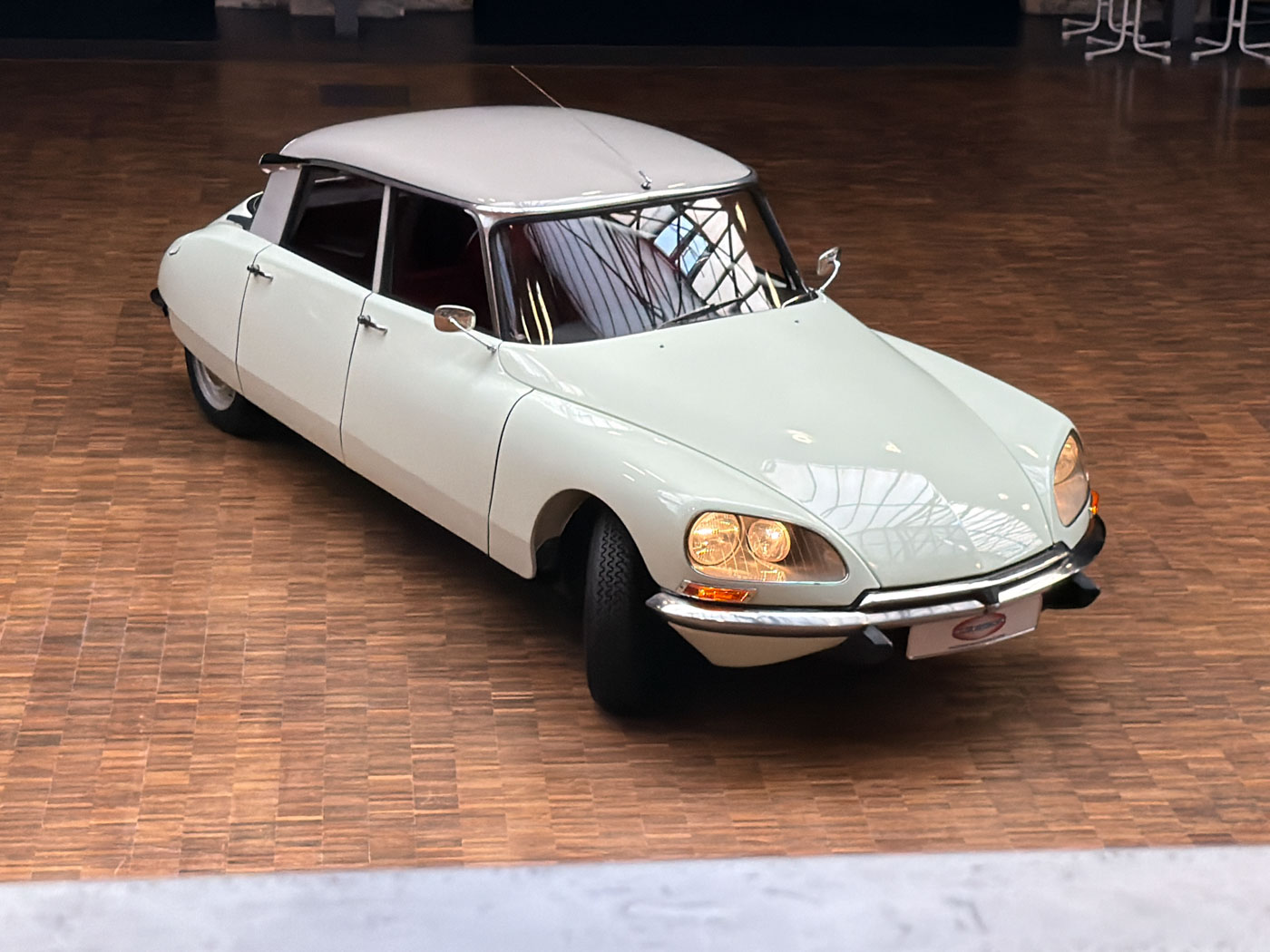
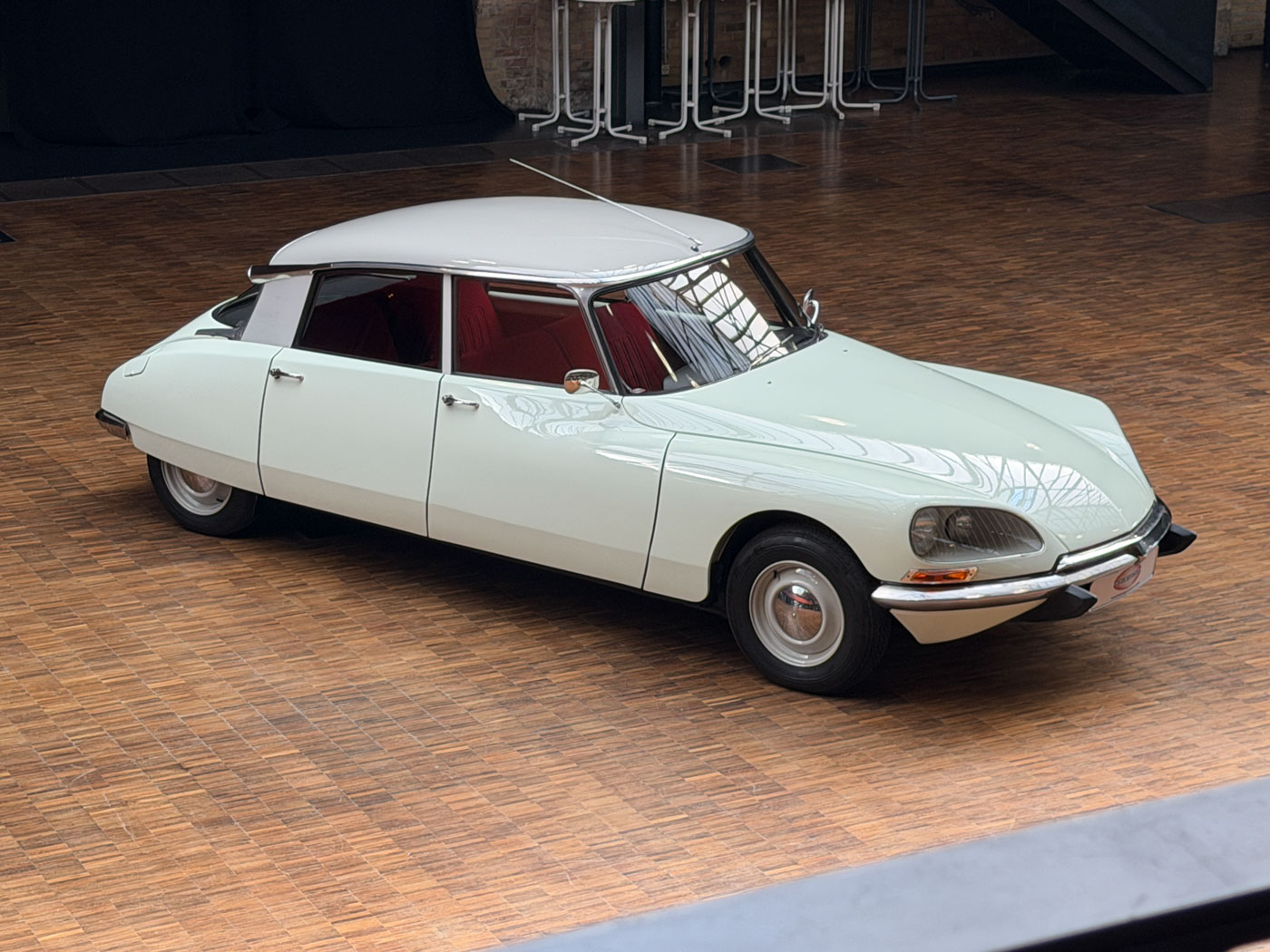
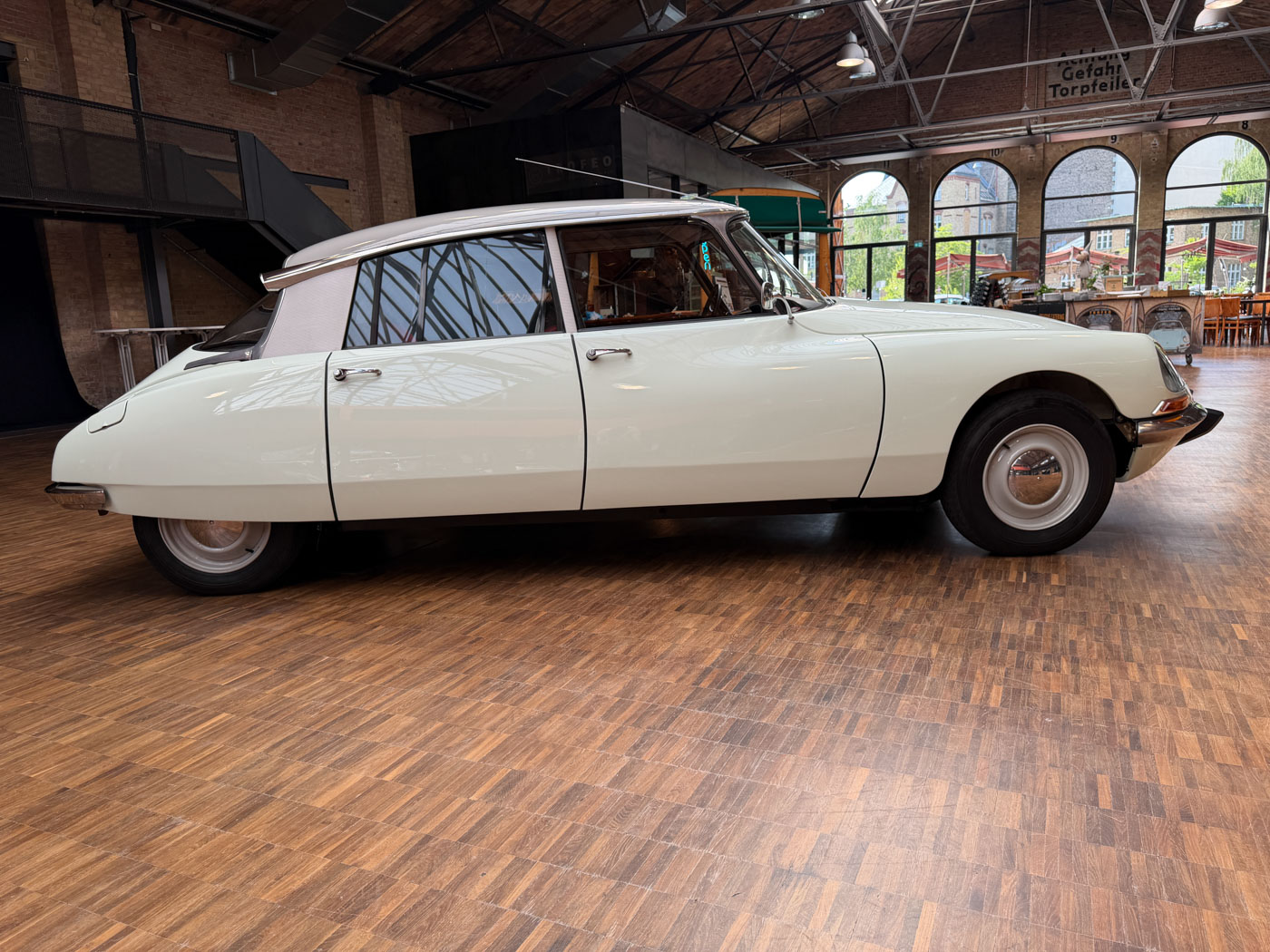
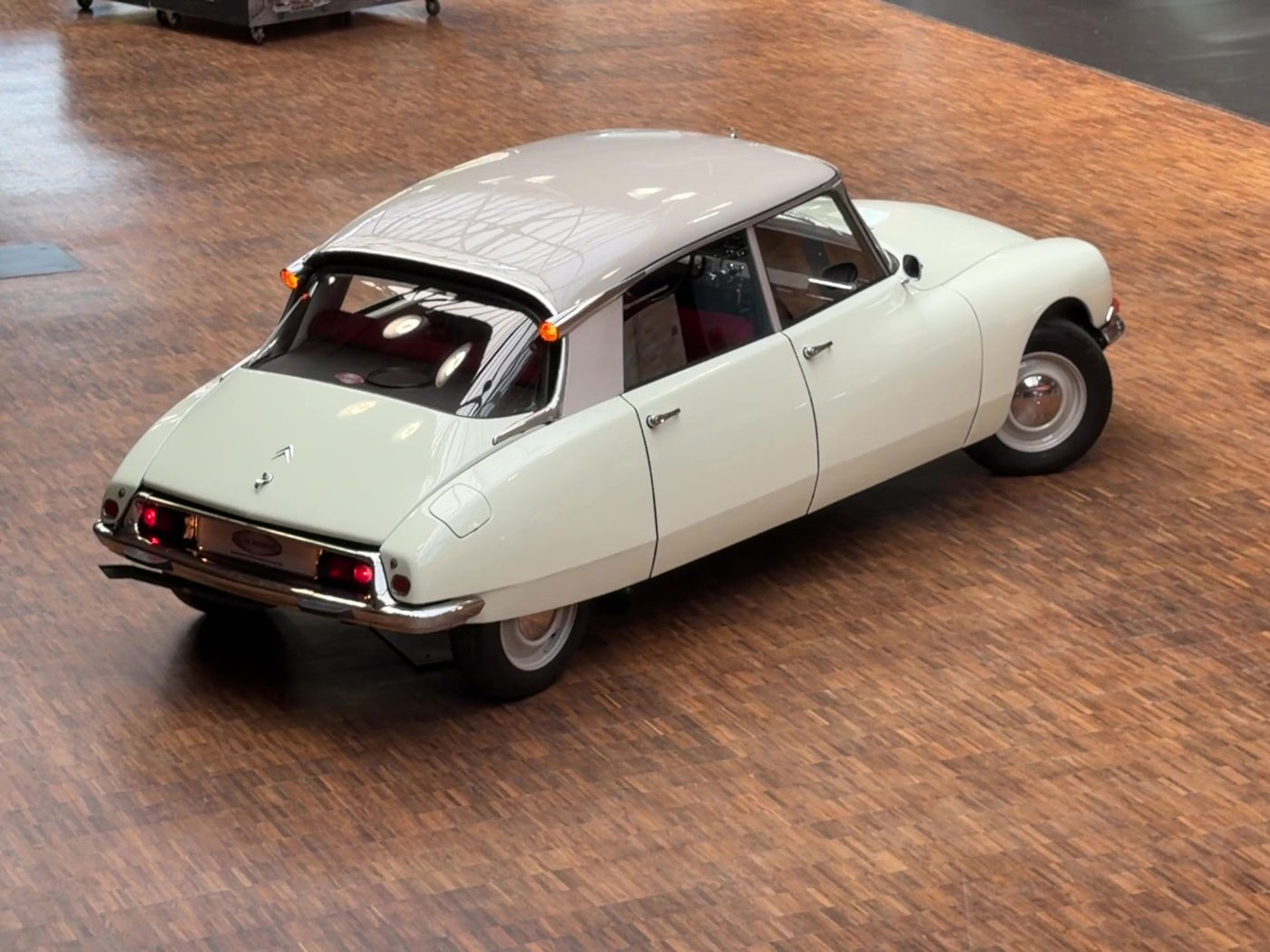
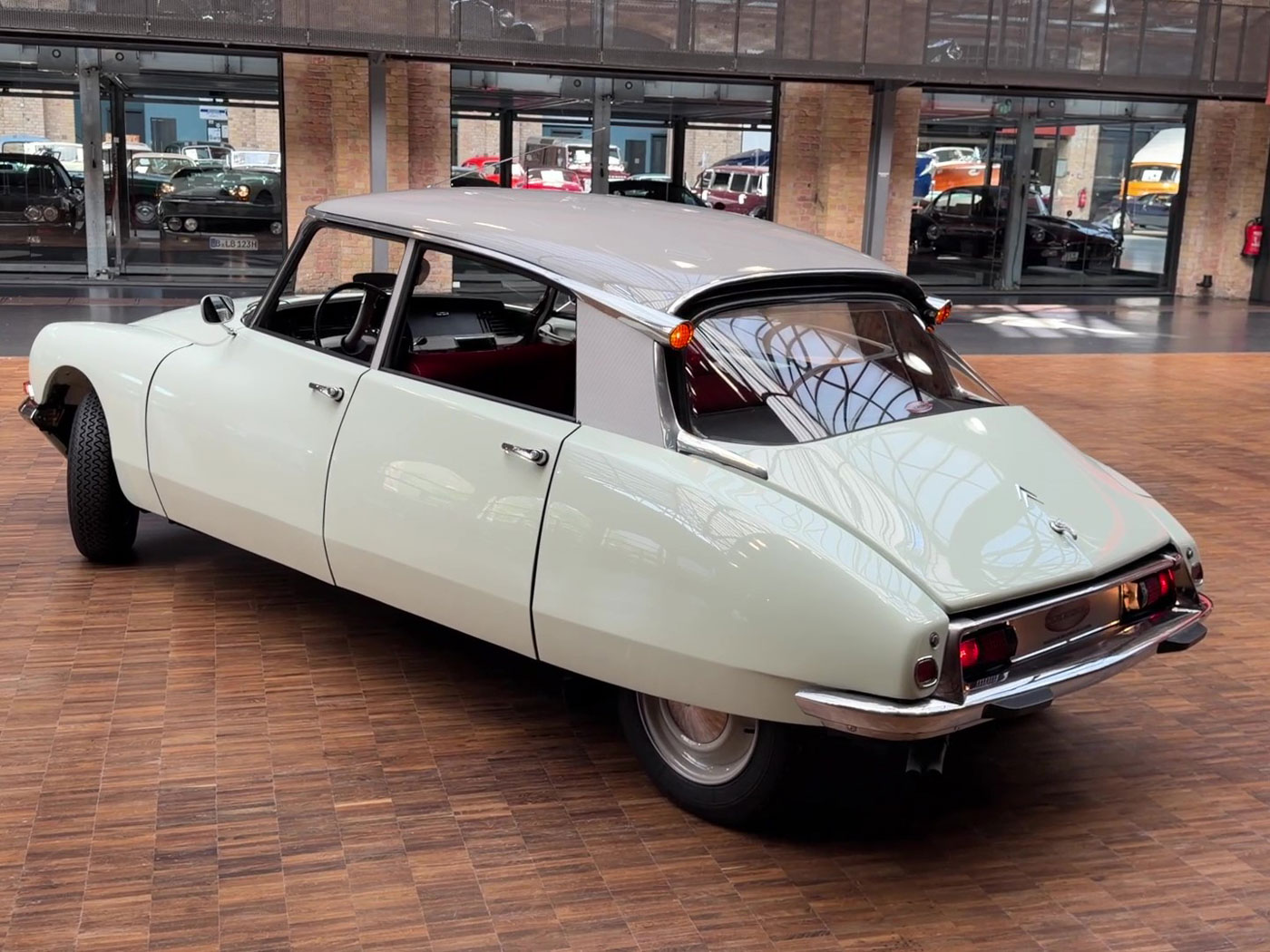
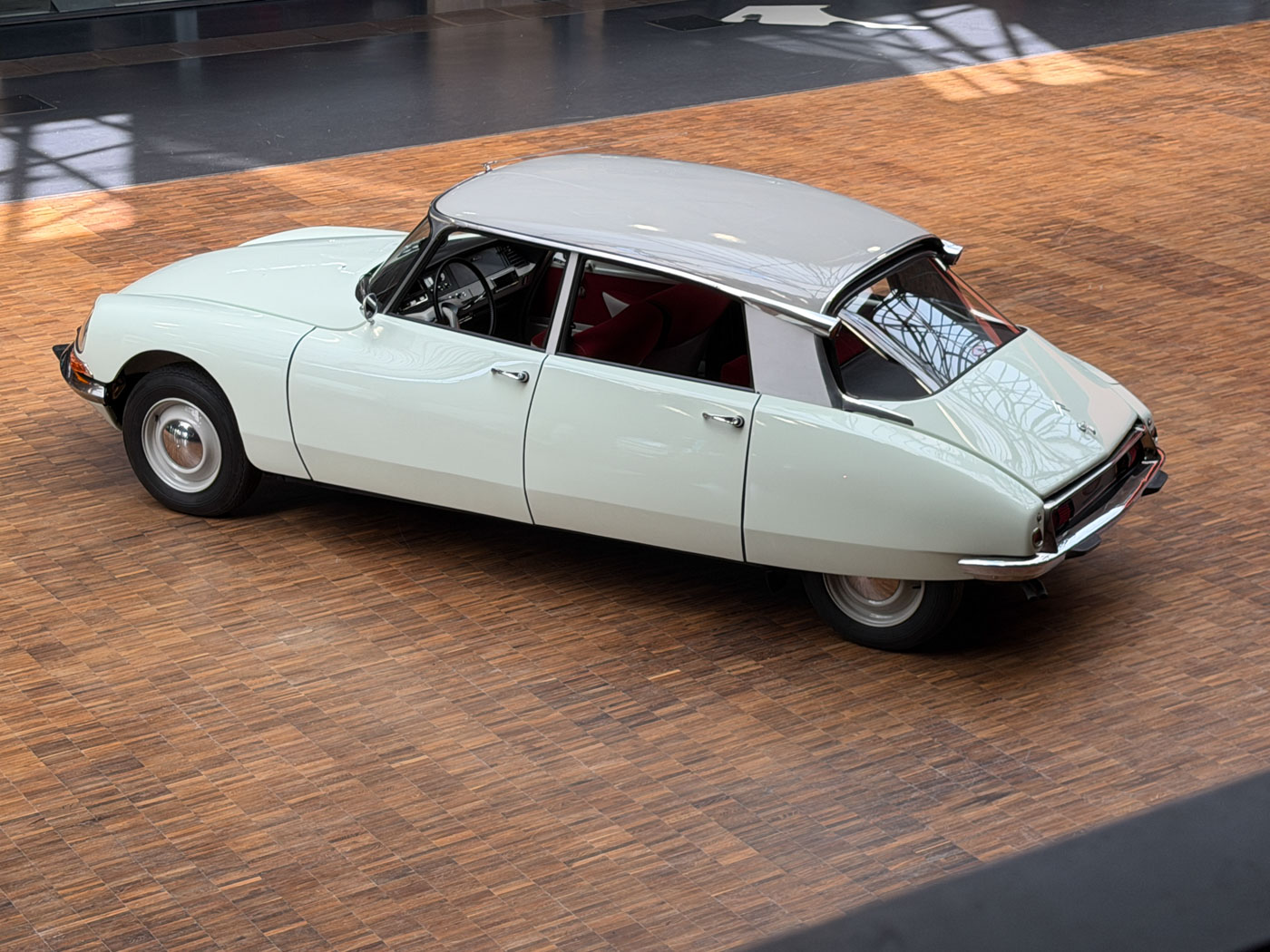
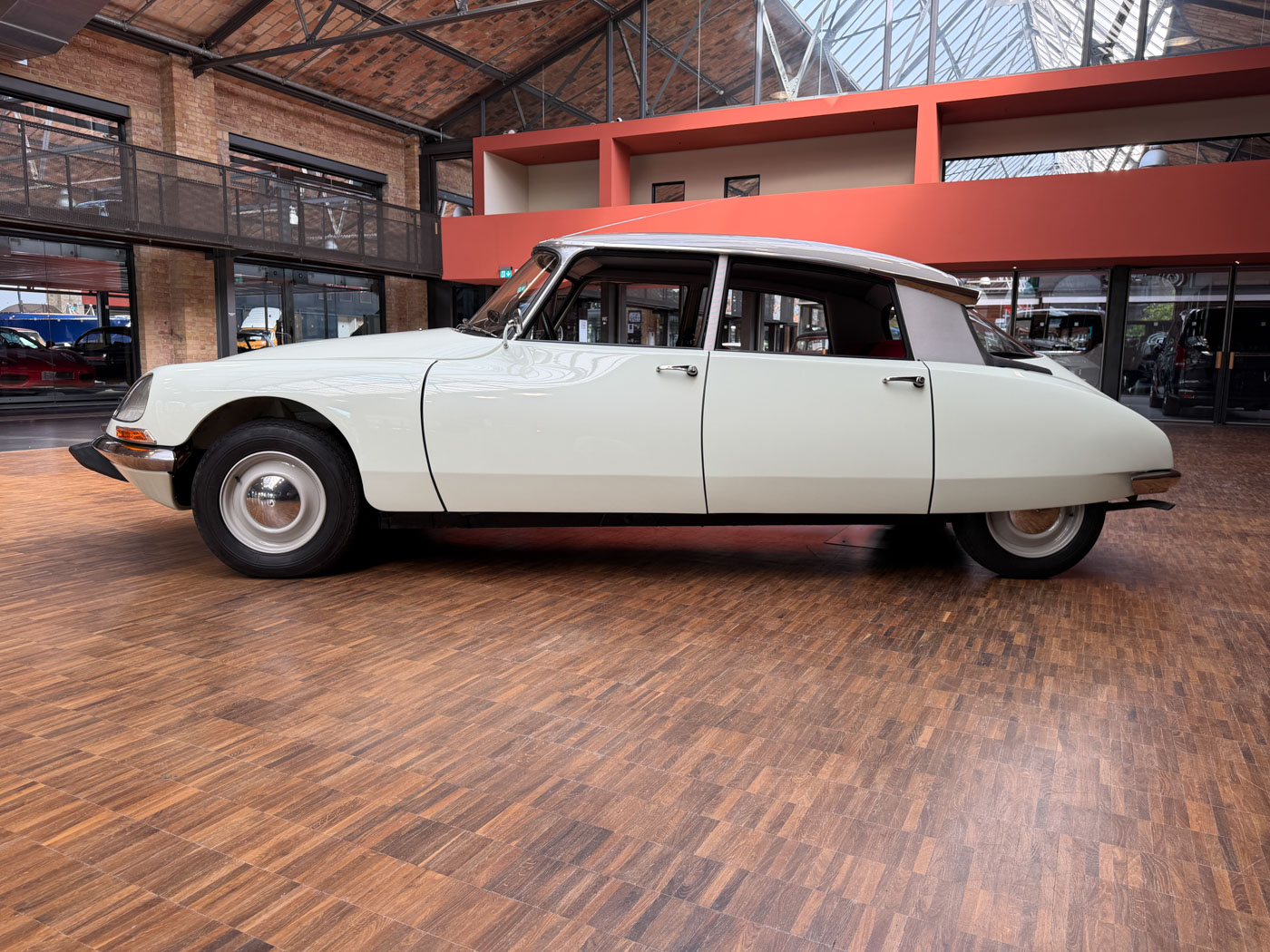
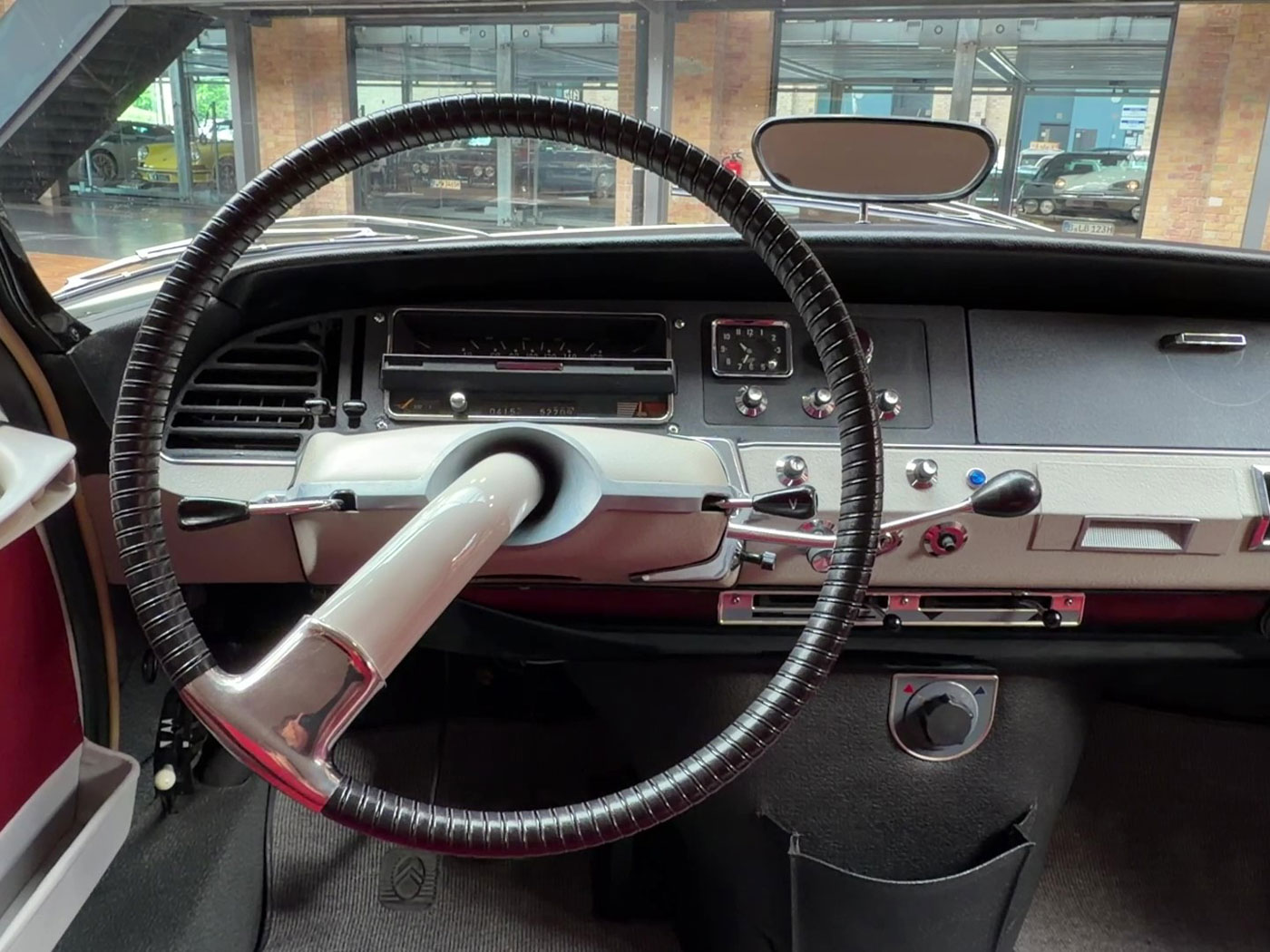
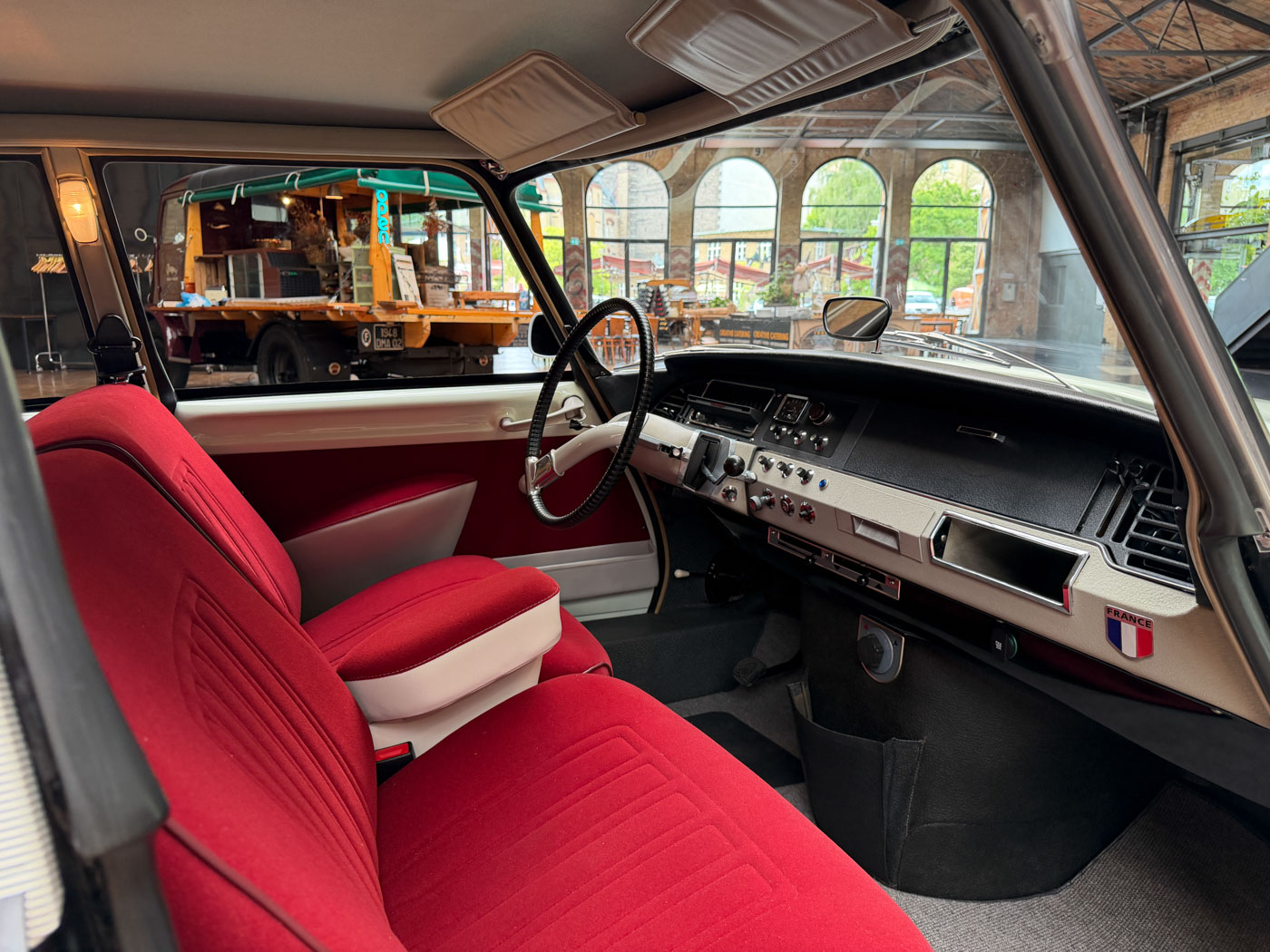
Almost everyone is familiar with Citroën’s ID and DS models, for their design is simply extraordinary and magnificent. While some may not know the official model designations, they are likely familiar with one of the many nicknames—such as the “Doctor’s Car,” “Shark Car,” “Goddess,” “Pallas,” “May Bug,” “Fantômas Car,” or “Gangster Citroën”—or any of the other monikers circulating for these models. There is arguably no other car with so many different names; this fact alone underscores just how renowned and exceptional these vehicles truly are. When the DS (*Déesse*—French for “Goddess”) was unveiled at the 1955 Paris Motor Show, the manufacturer was able to boast over 80,000 signed purchase orders by the time the exhibition concluded! Over a production run spanning just under twenty years, a total of 1,455,746 units of this model were sold. With its unconventional design, hydropneumatic suspension, high-pressure braking system, power steering, semi-automatic transmission, and numerous other features, the DS was arguably the greatest sensation in the history of automotive engineering. In 1957, the decision was made to offer a simpler and more affordable variant, which was subsequently introduced as the ID model. Today, many people find it difficult to distinguish a DS from an ID, as the two cars bear a striking resemblance to one another. The easiest way to tell them apart is by the operation of the foot brake: only the DS features a large brake button—colloquially known as the “brake mushroom”—in place of a conventional brake pedal. With this brake mushroom, braking force is modulated by the amount of pressure applied to the button, rather than—as is the standard convention—by the distance the pedal travels when depressed. Consequently, out of sheer force of habit, many drivers prefer the ID model specifically because it retains the traditional brake pedal. Broadly speaking, the DS tends to feature a more elegant and conservative aesthetic, whereas the ID is styled in a more playful and avant-garde manner. In 1967, both the ID and DS models were updated to feature dual headlights housed behind a glass fascia. On the DS models, the inner headlight swivels in tandem with the steering as standard equipment (cornering lights), whereas on the ID models, this cornering light feature had to be ordered separately as an option.
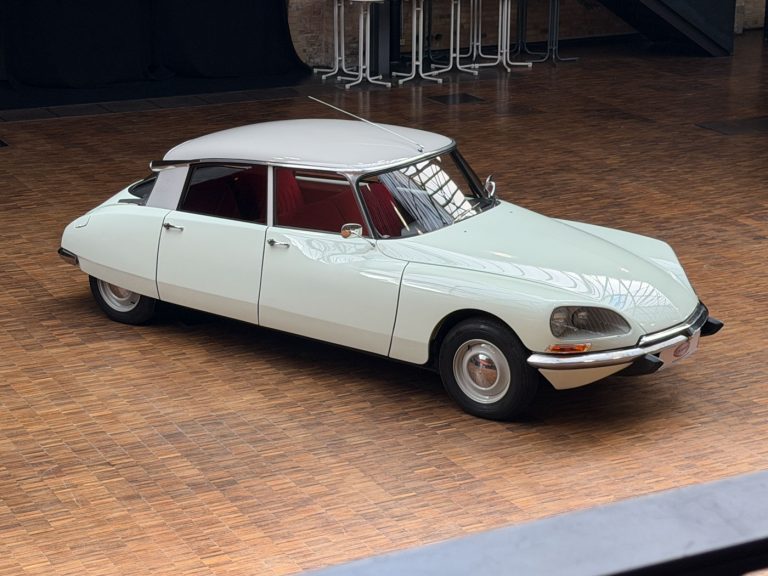
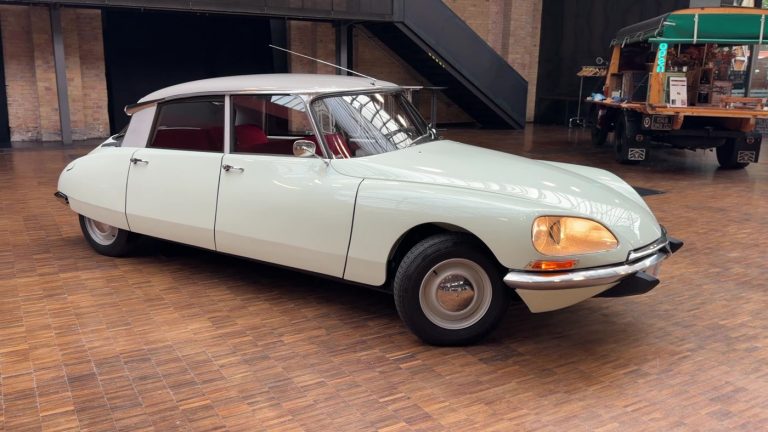
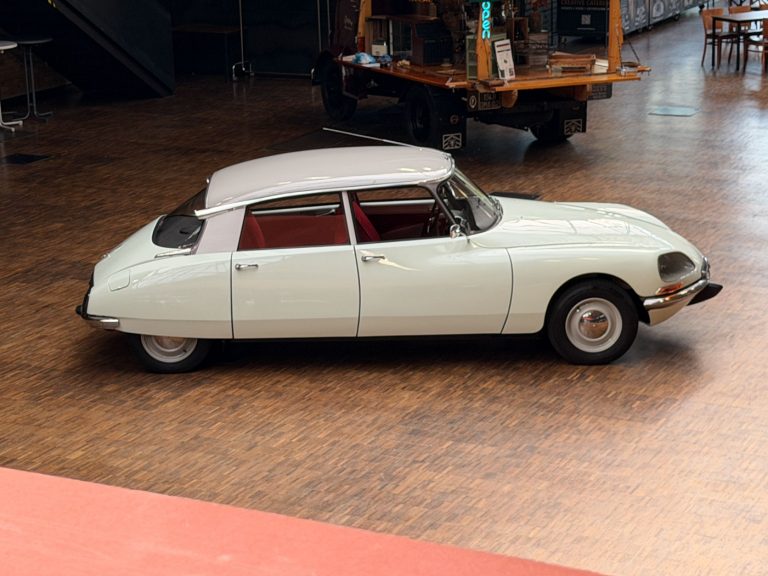
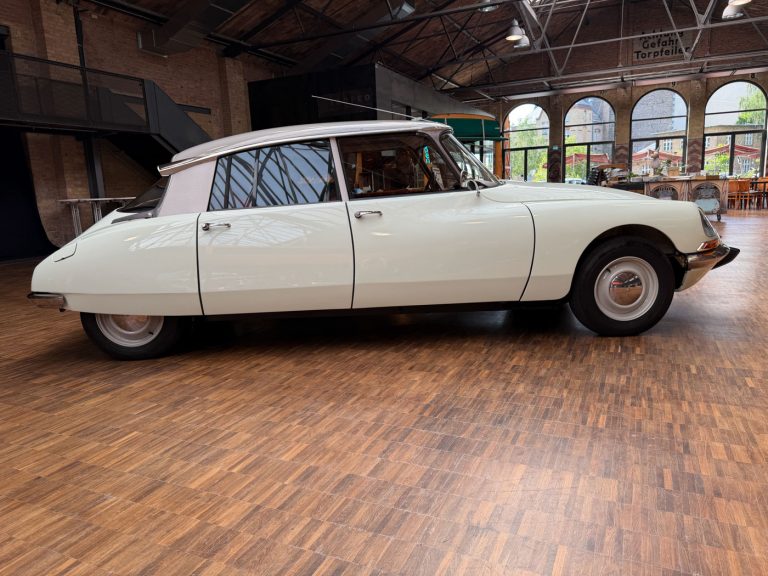
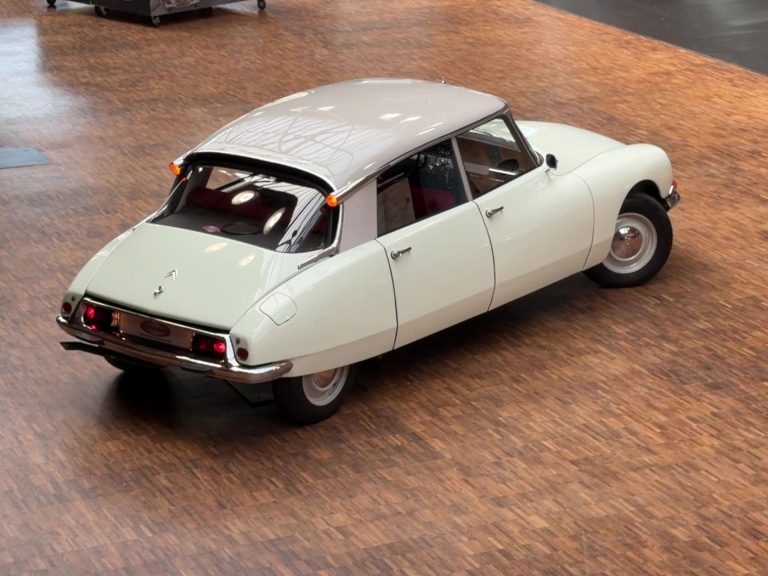
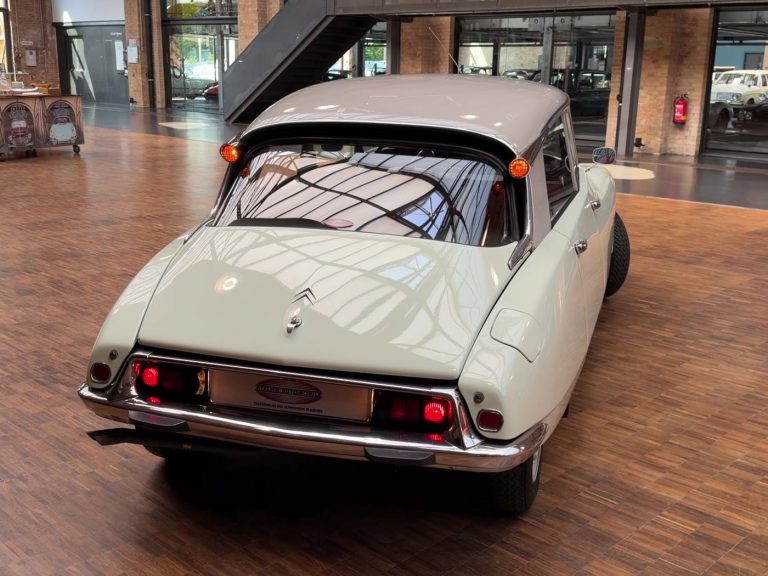
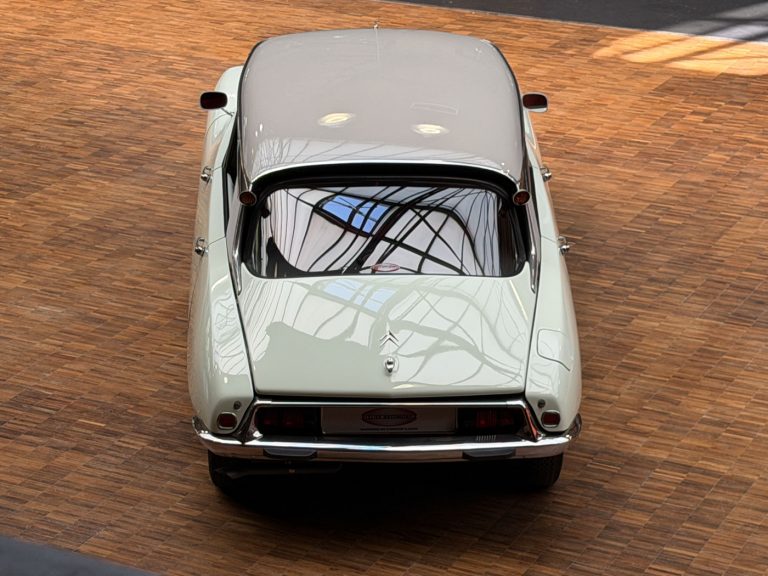
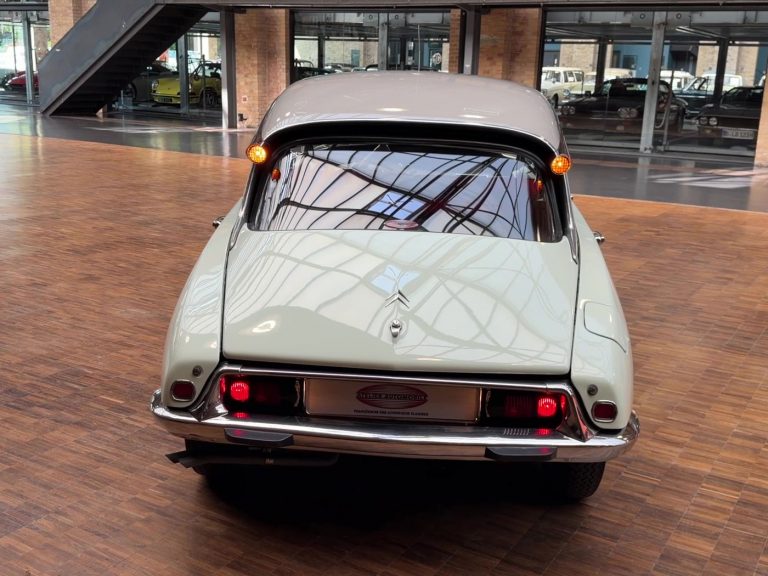
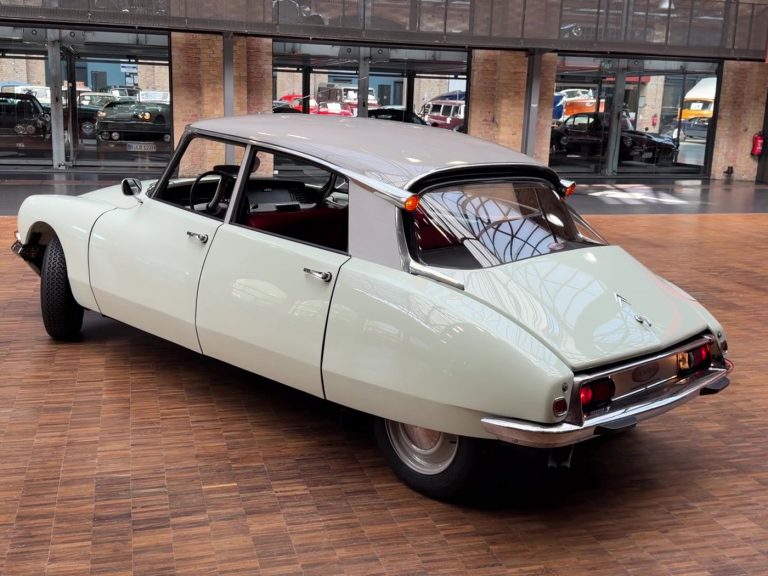
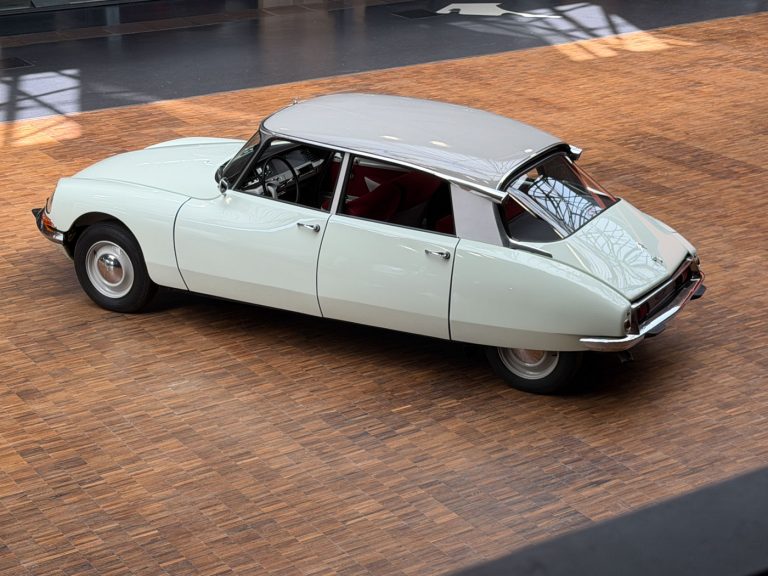
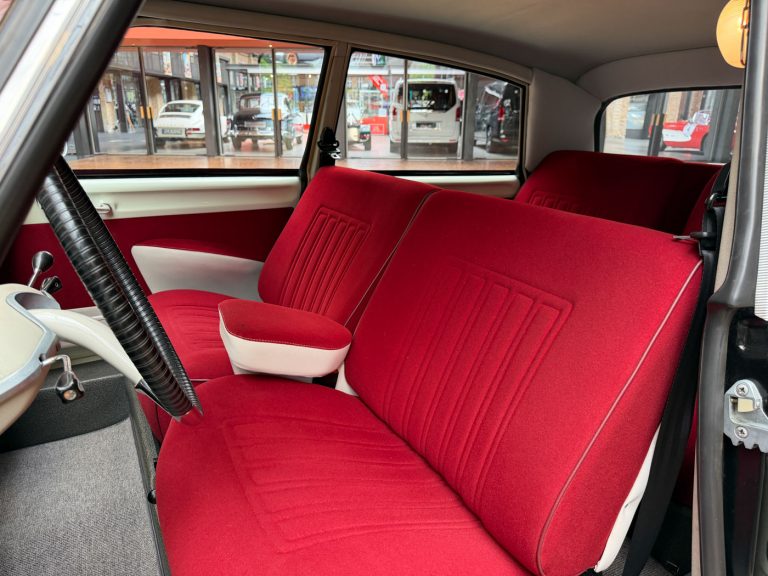
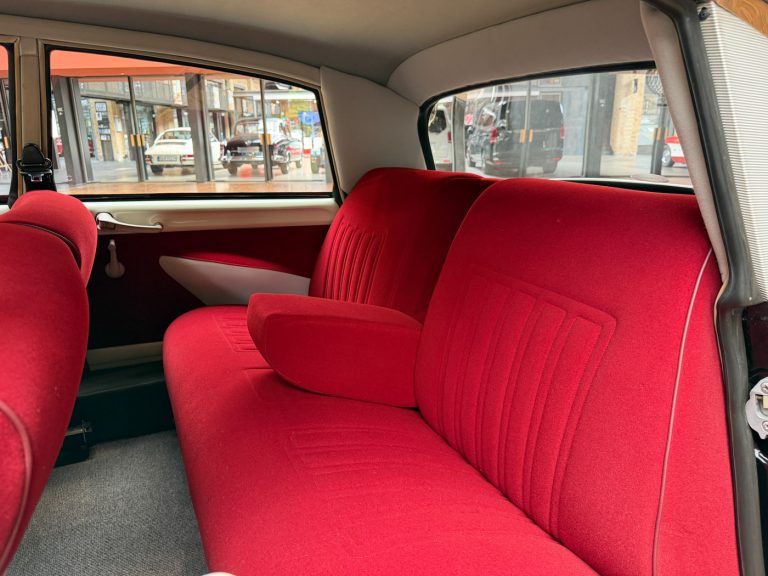
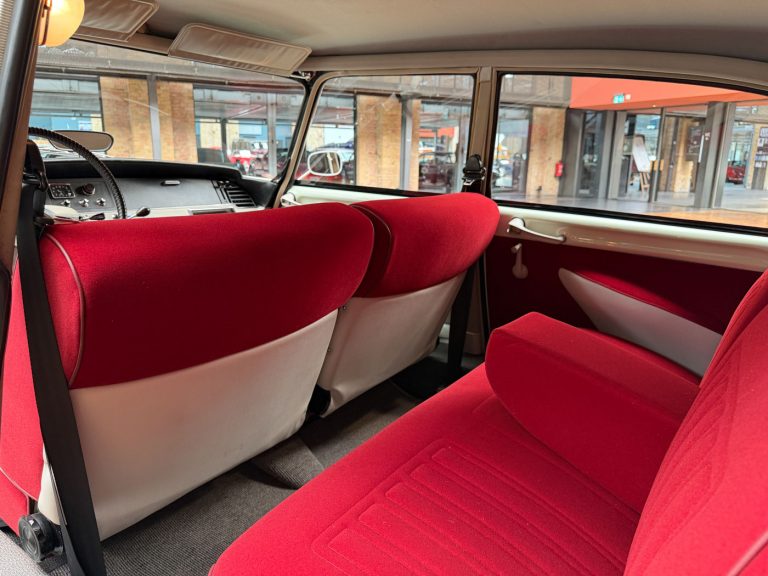
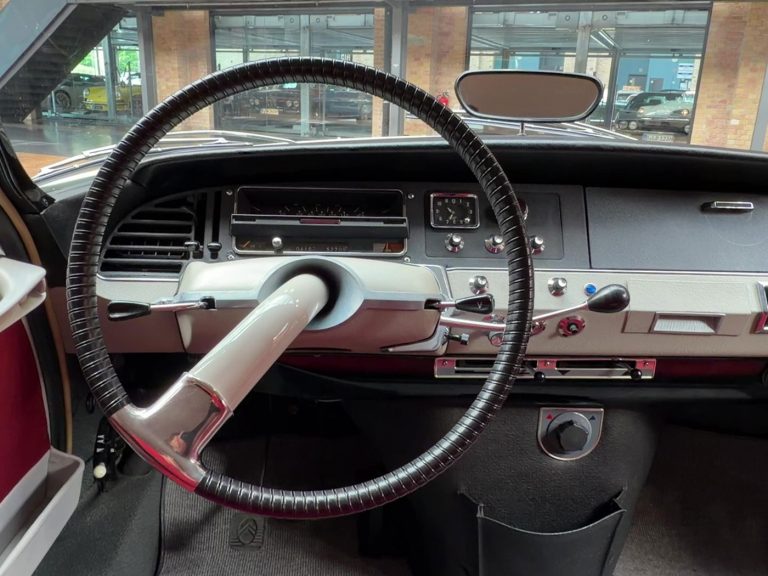
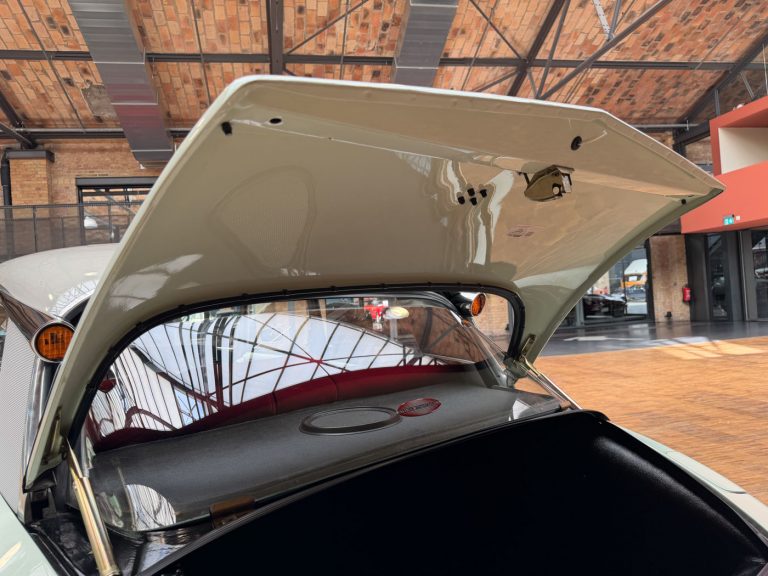
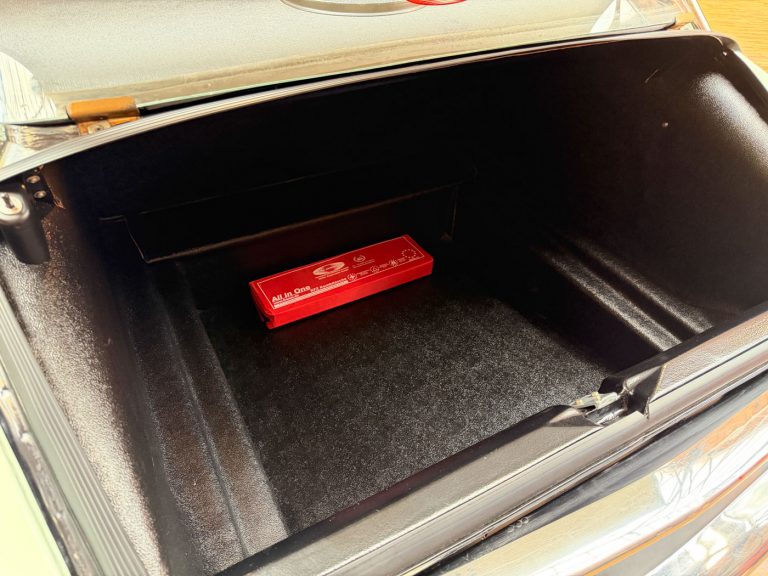
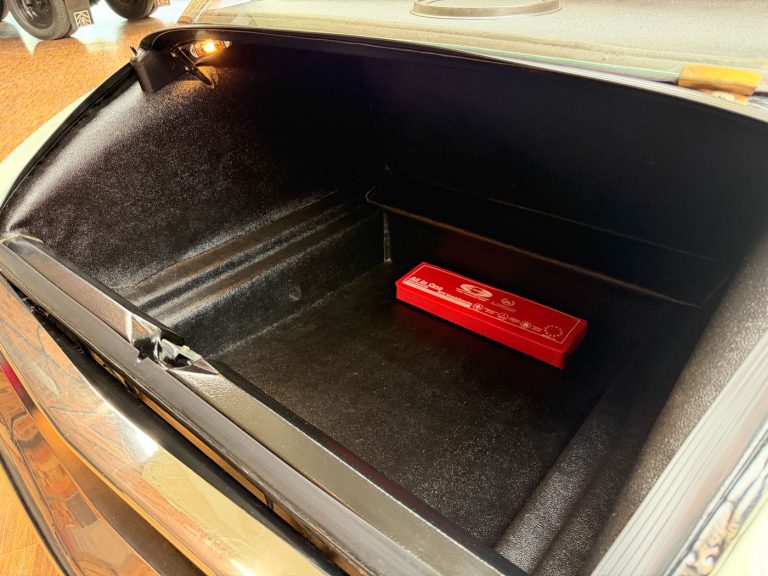
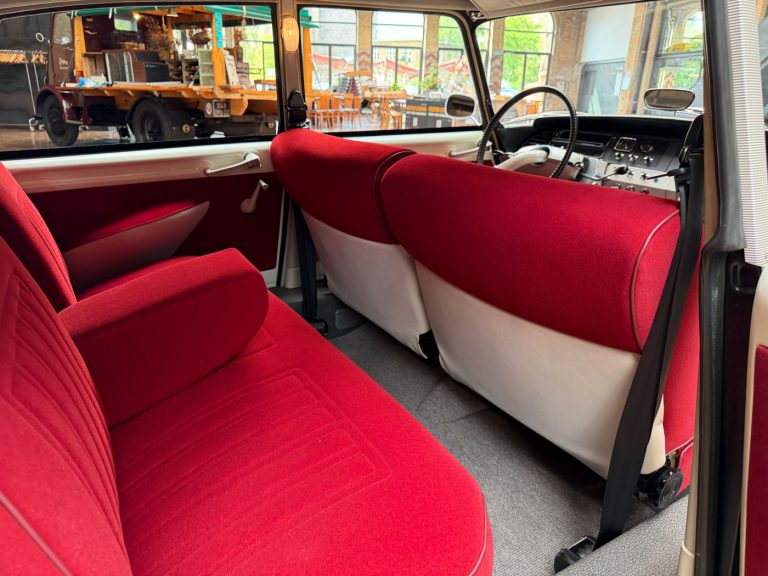
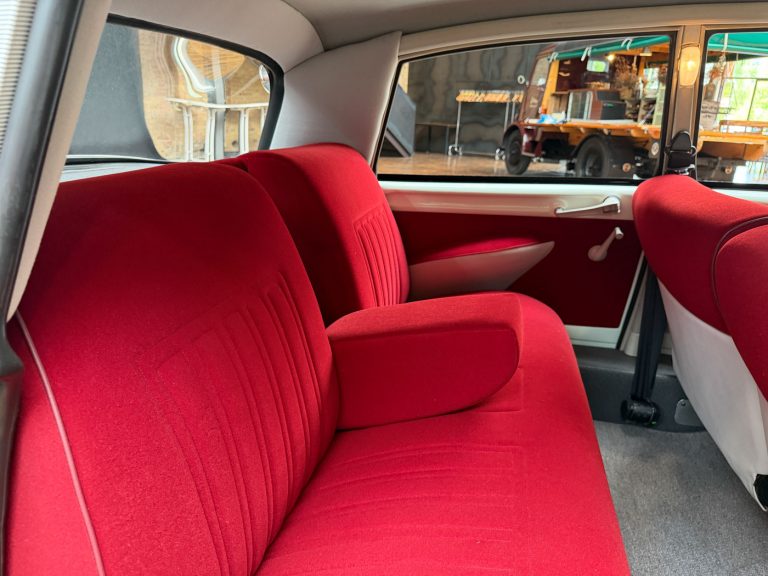
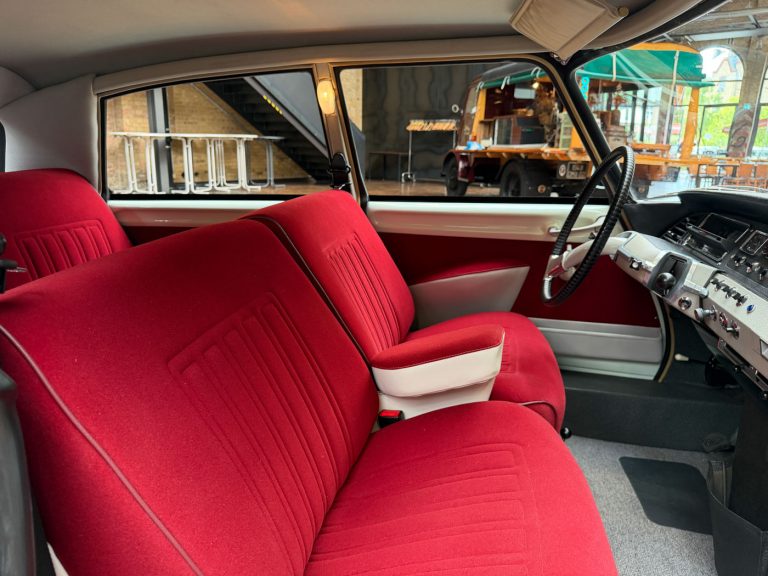
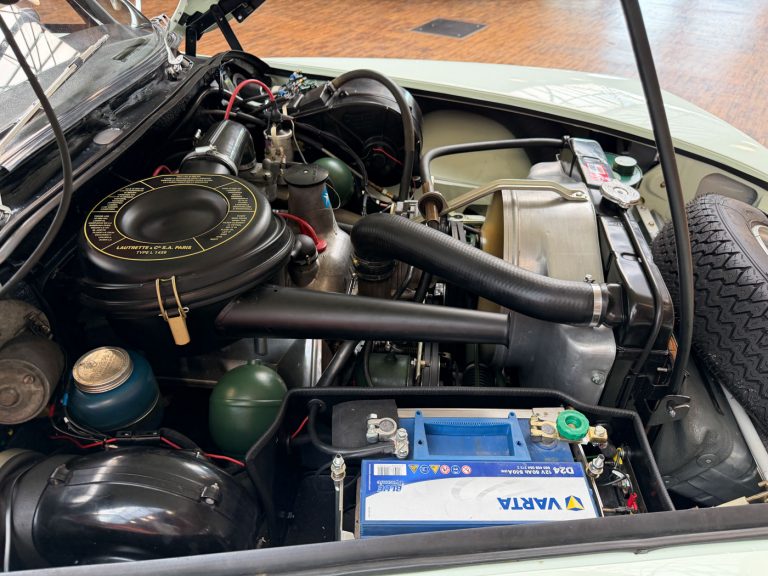
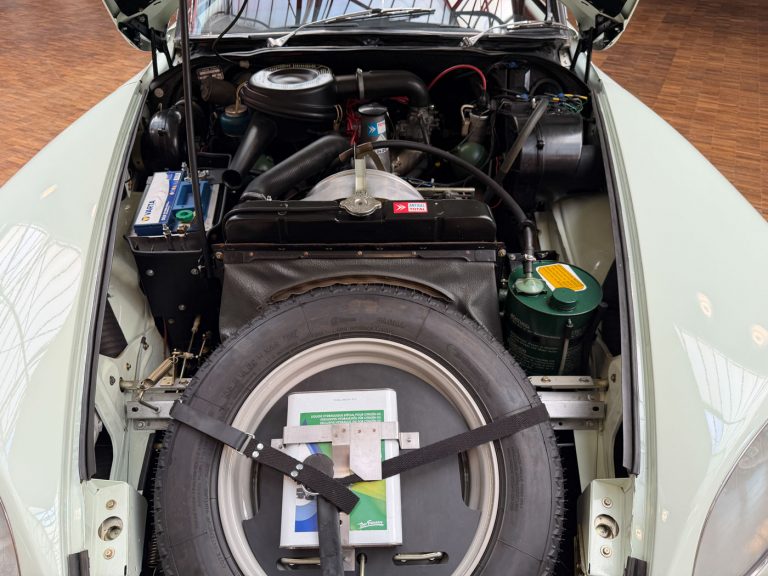
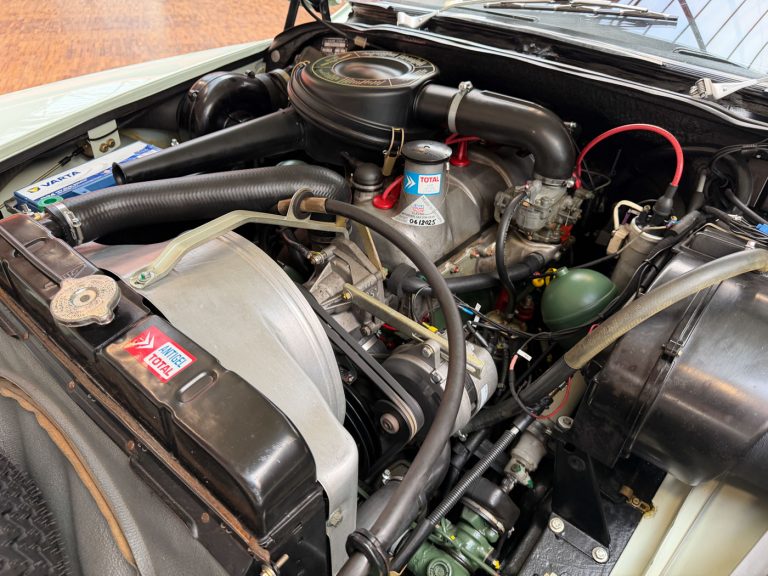
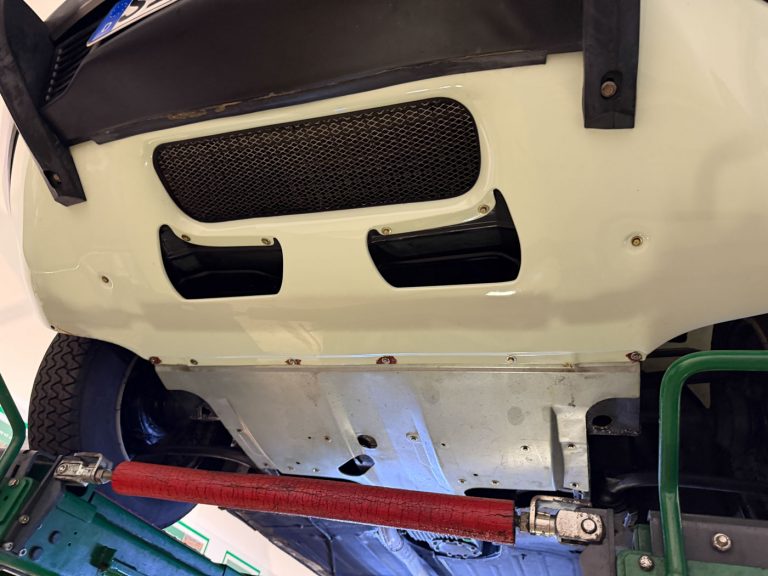
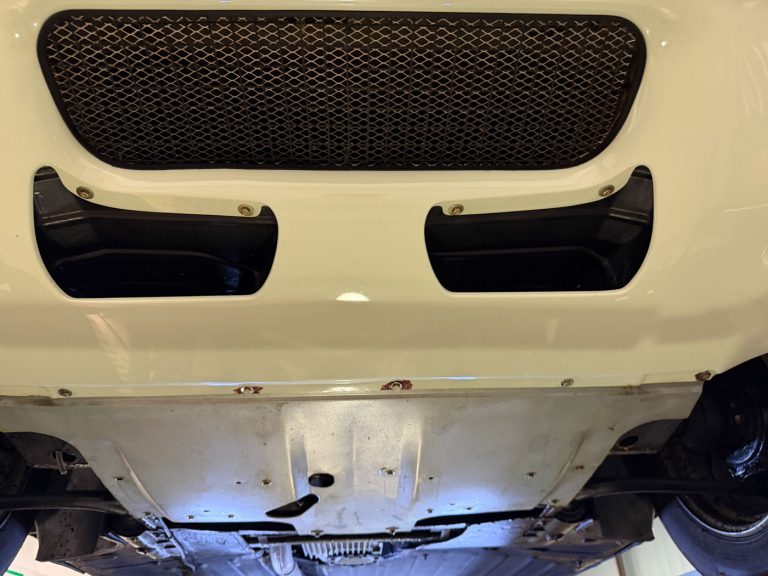
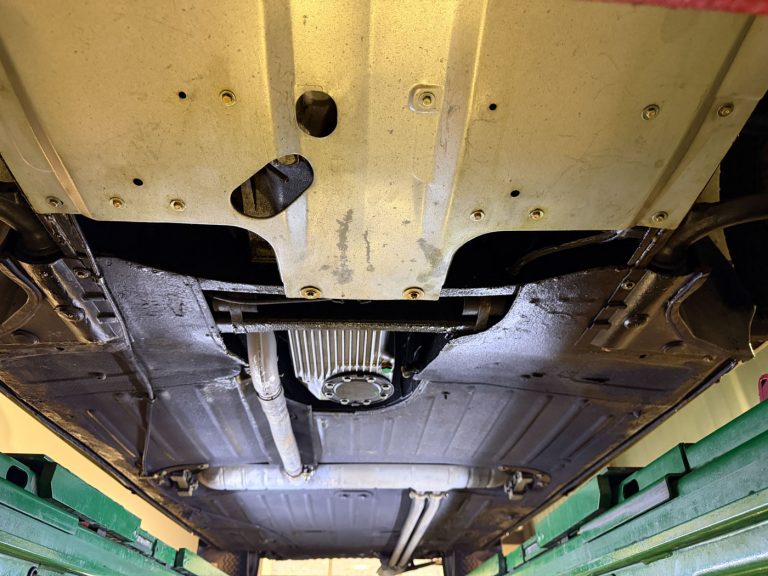
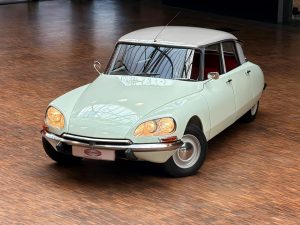
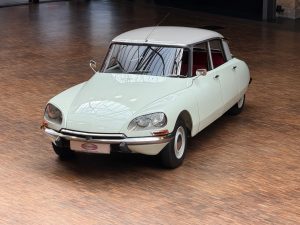
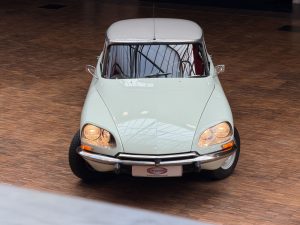
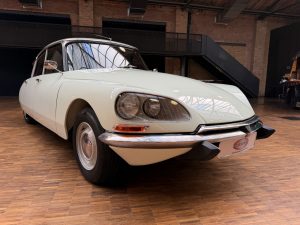
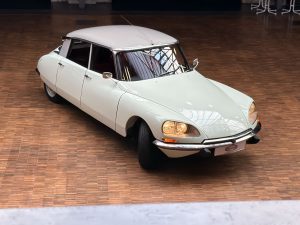
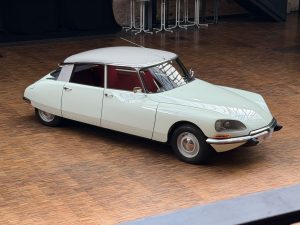
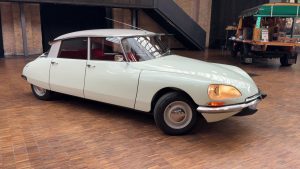
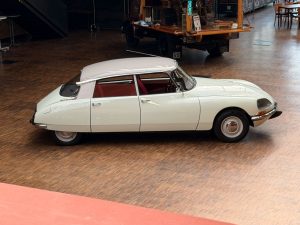
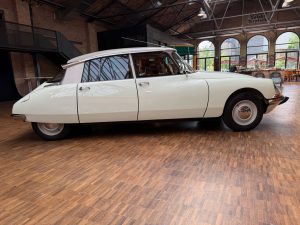
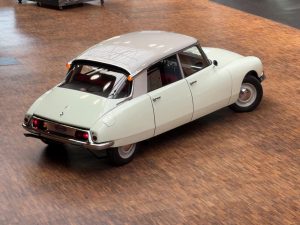
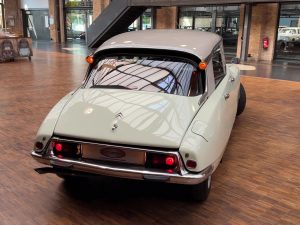
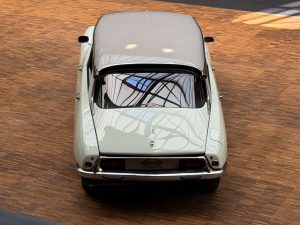
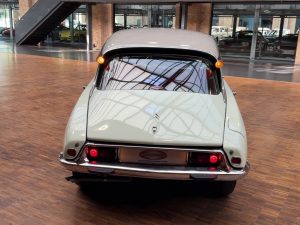
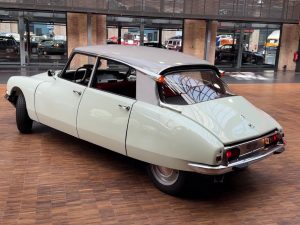
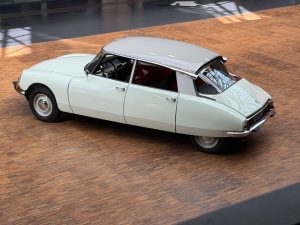
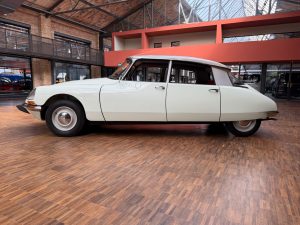
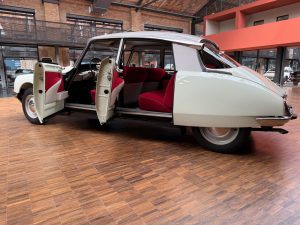
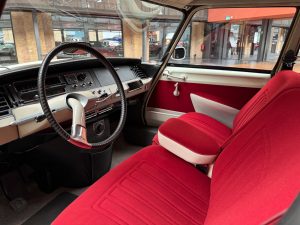
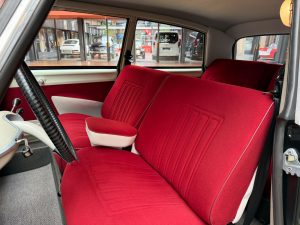
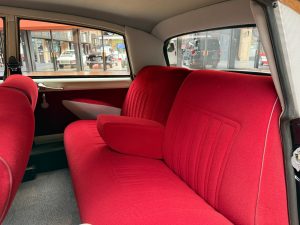
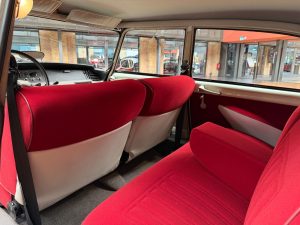
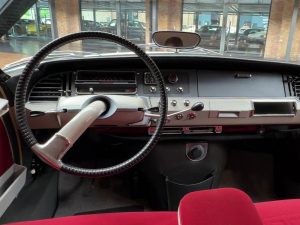
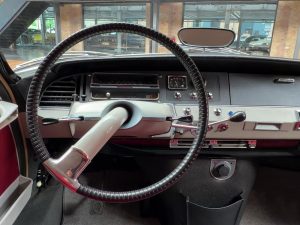
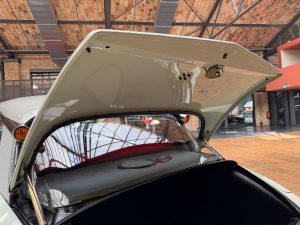
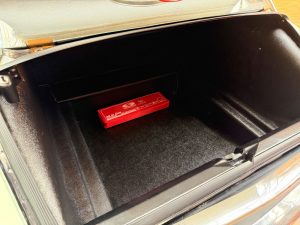
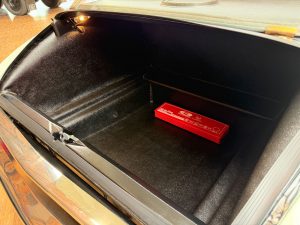
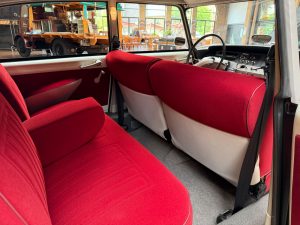
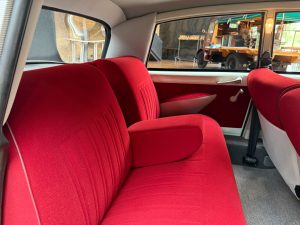
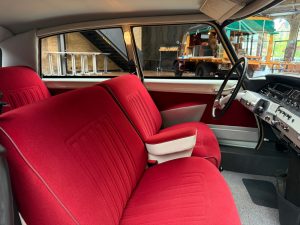
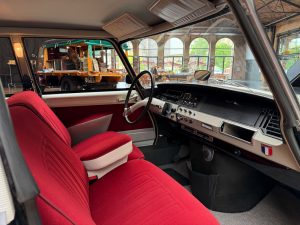
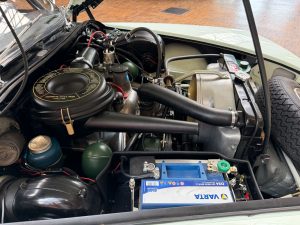
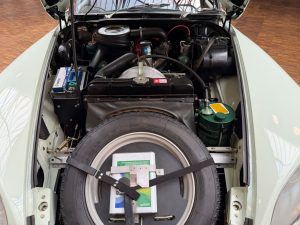
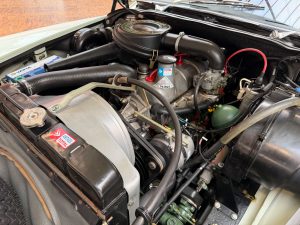
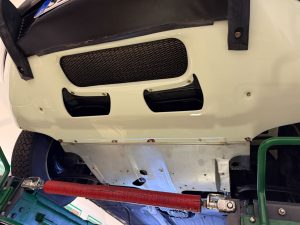
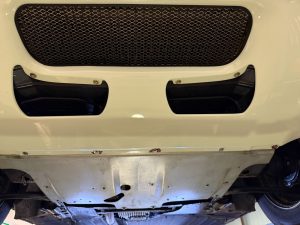
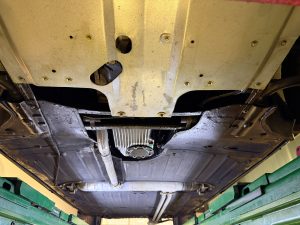
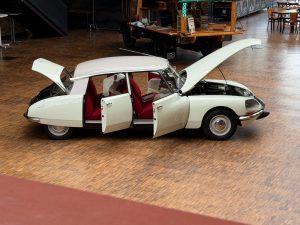
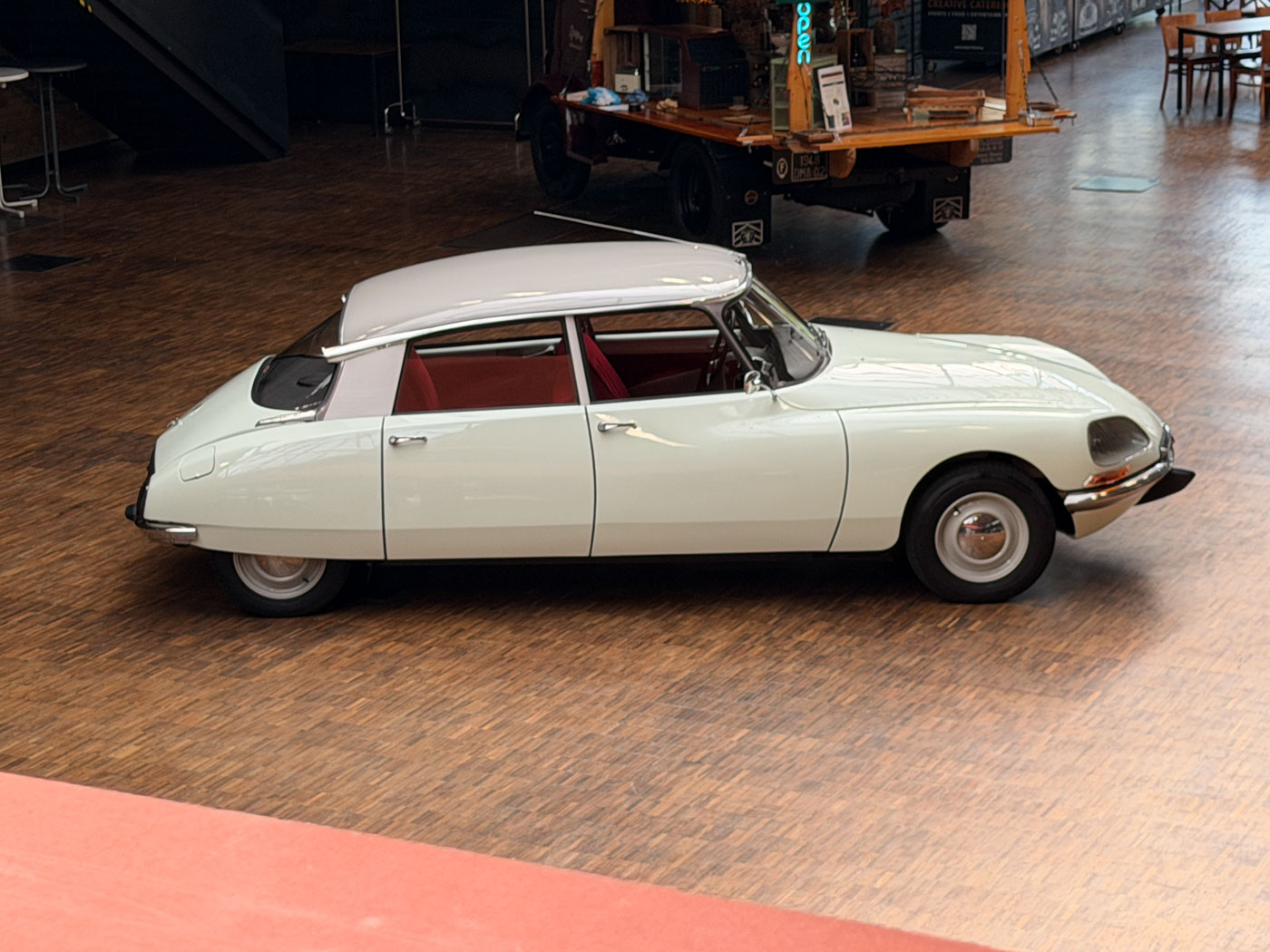
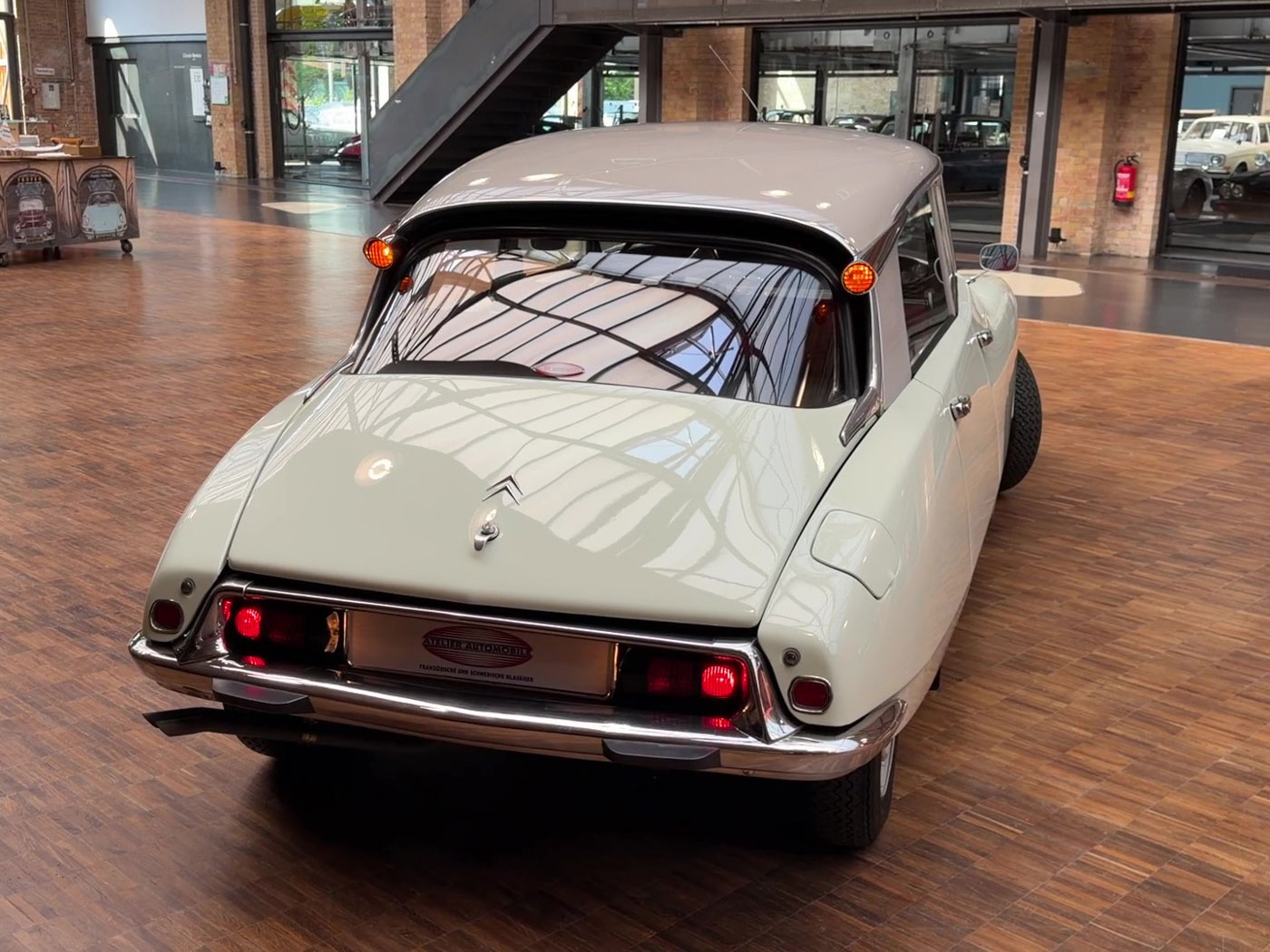
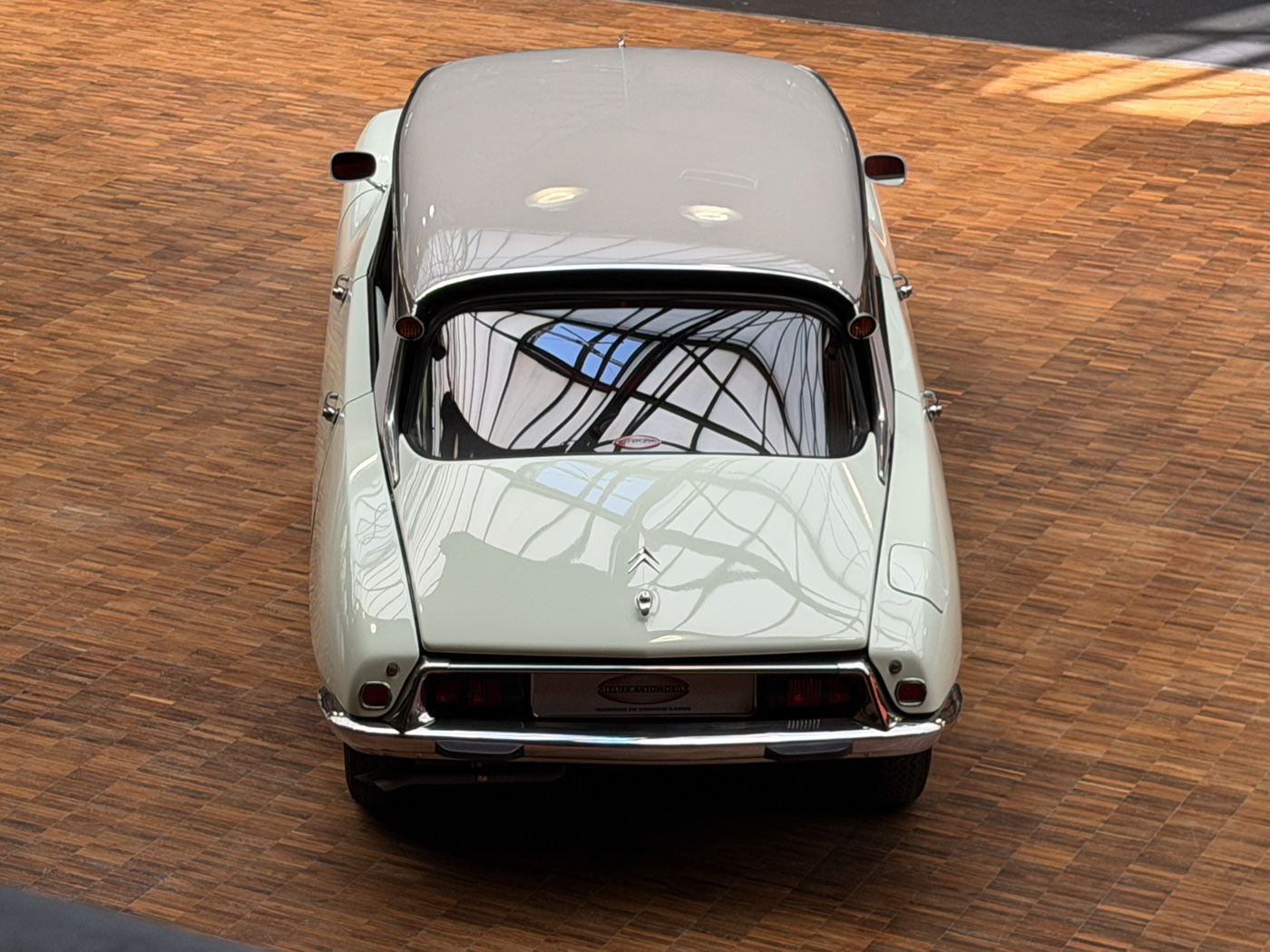
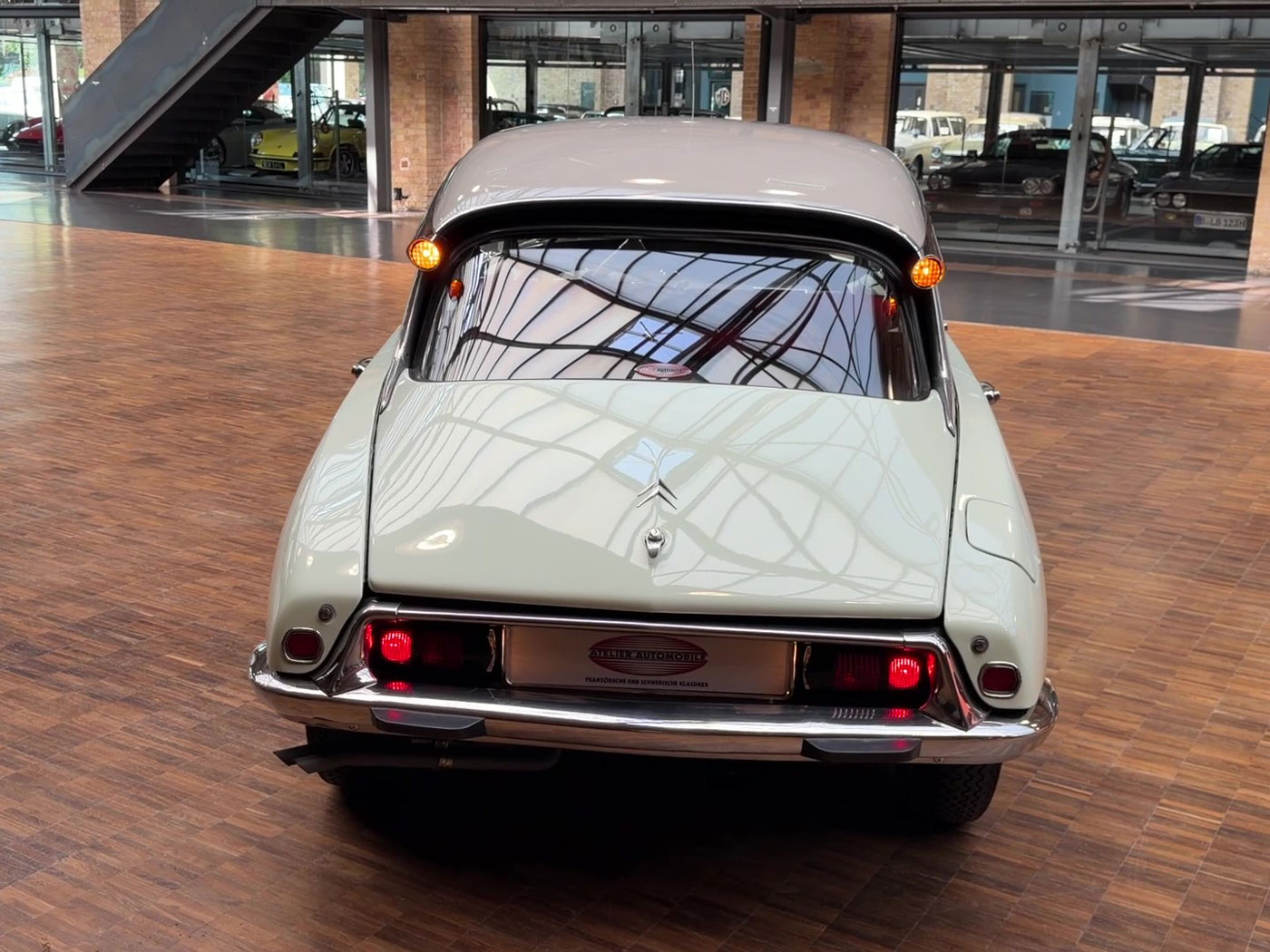
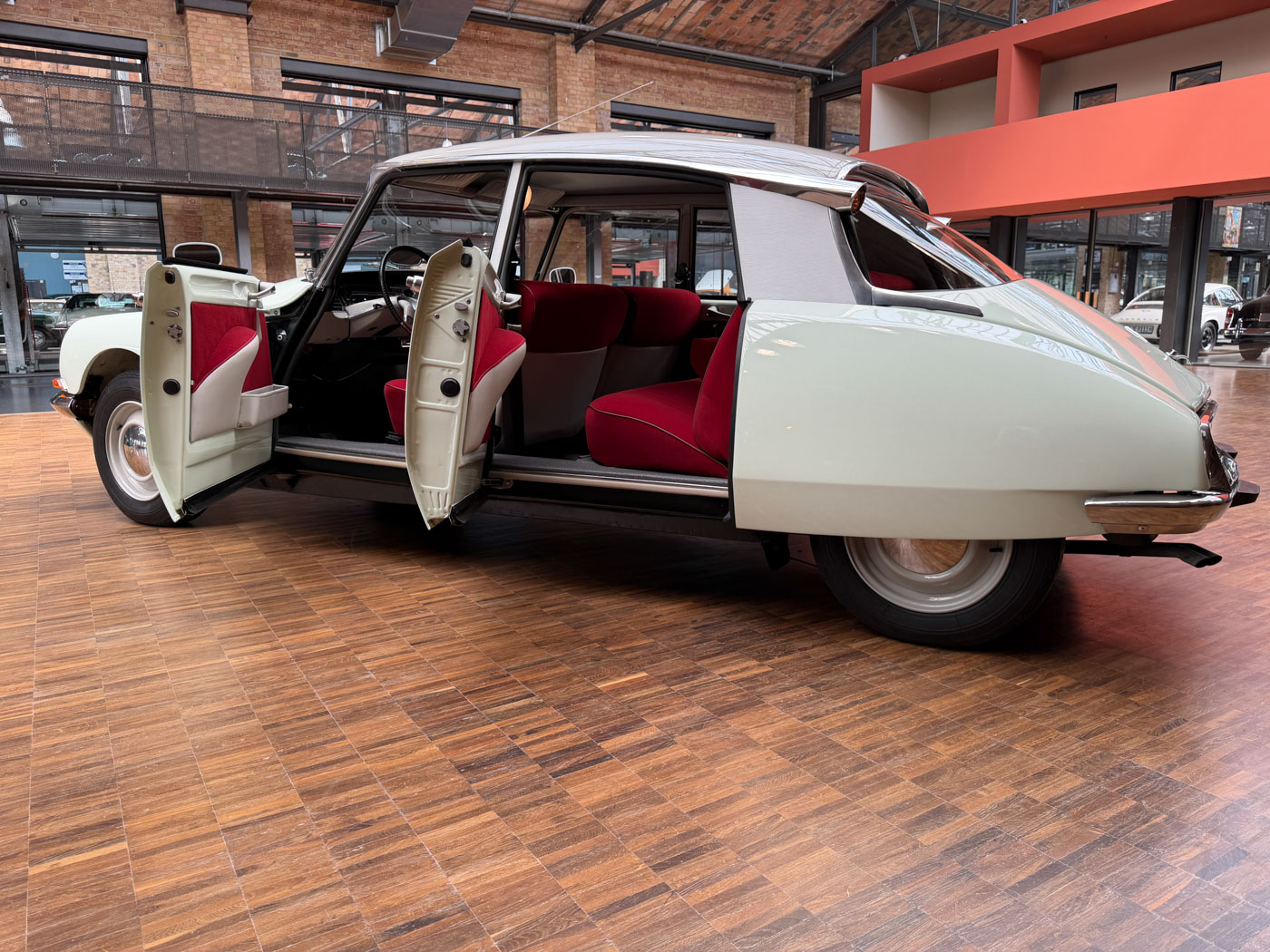
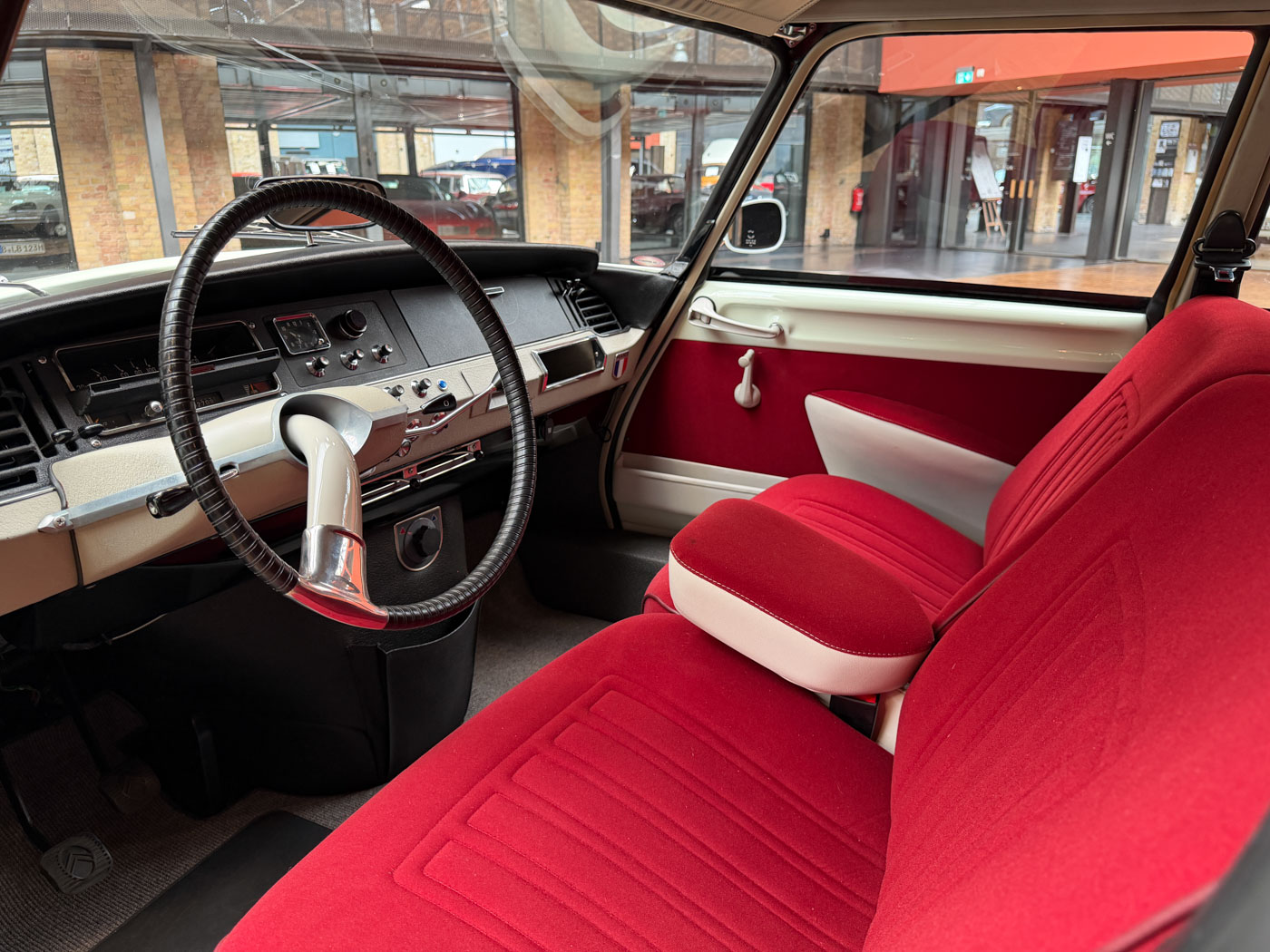
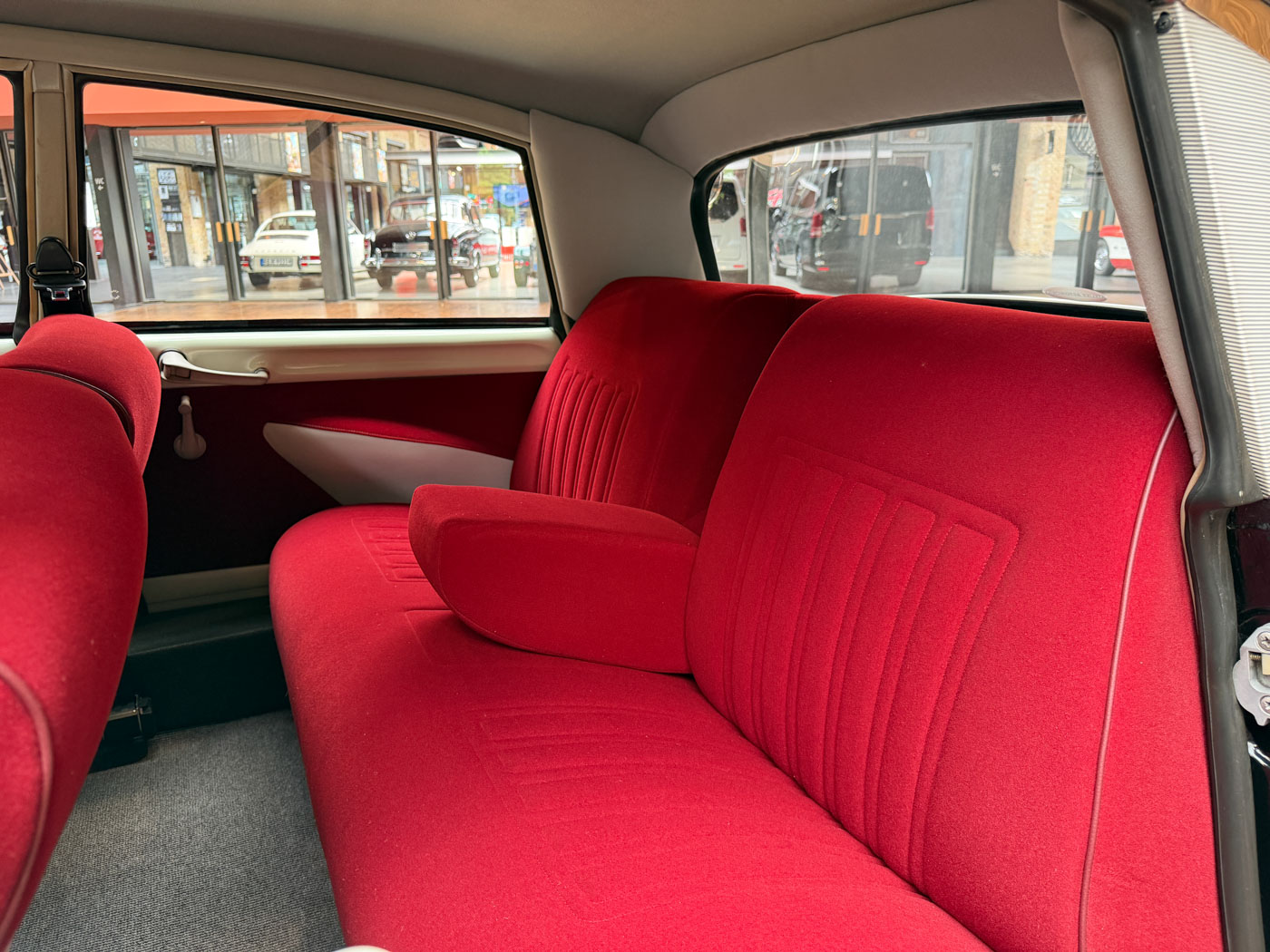
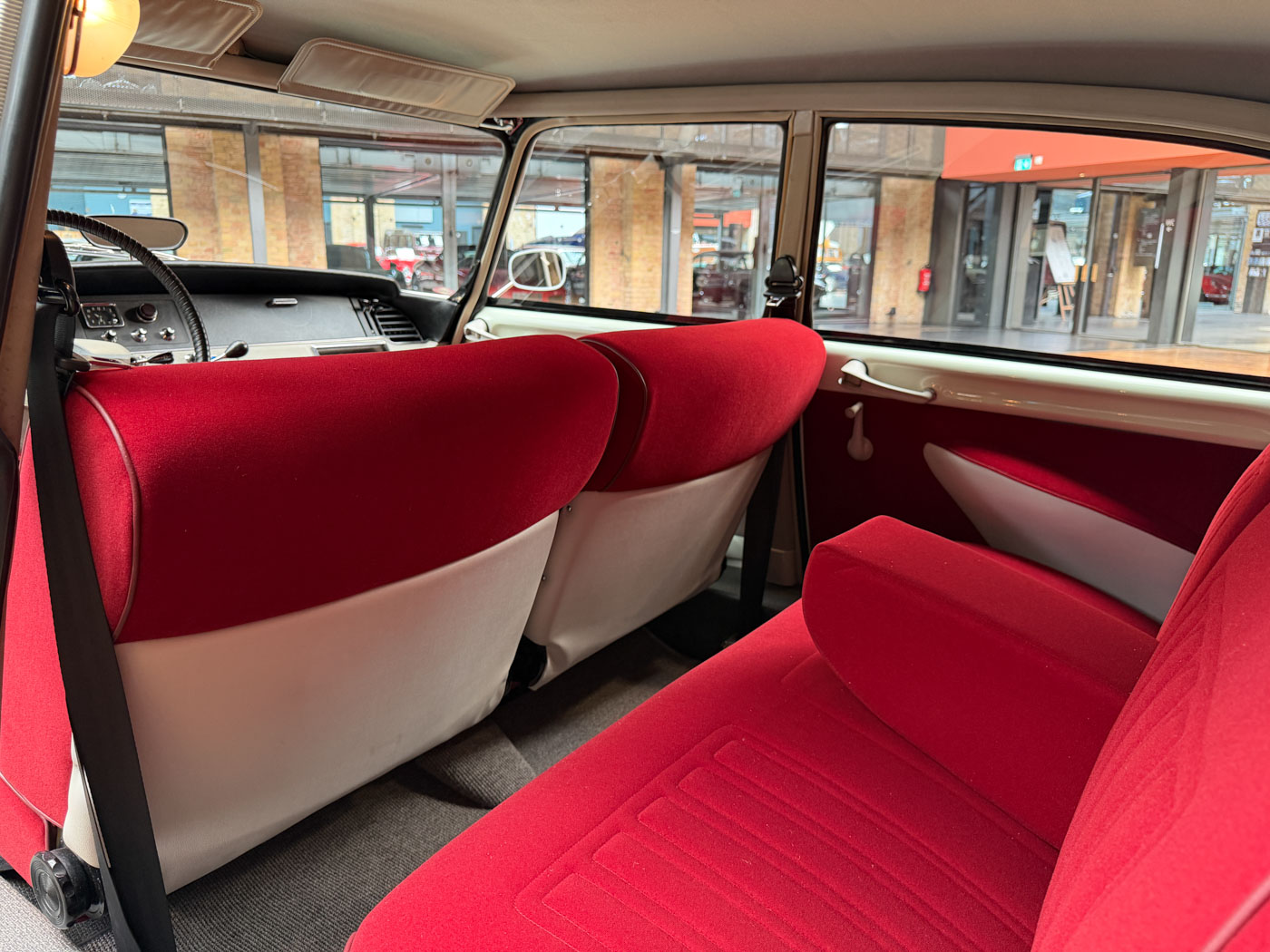
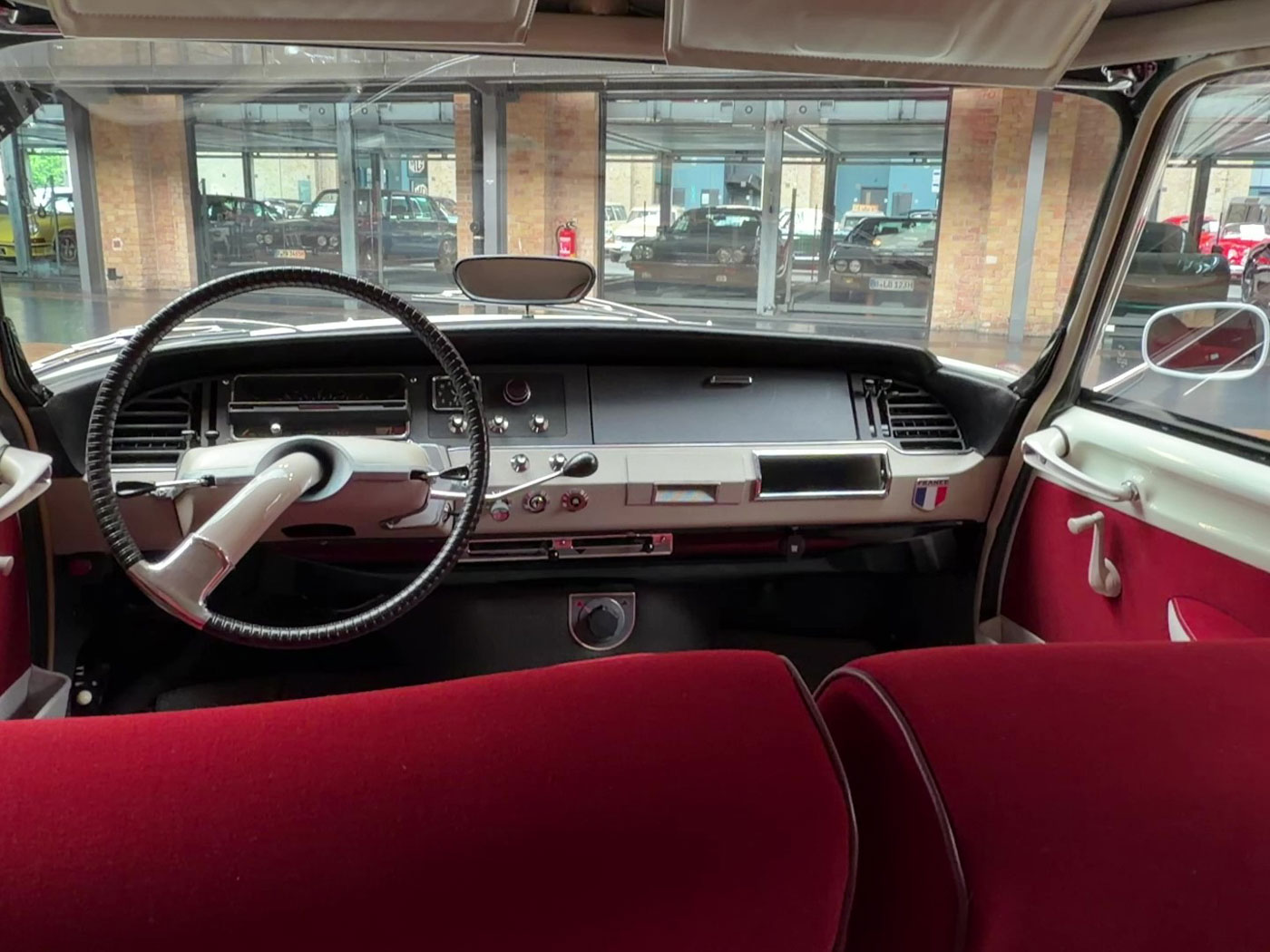
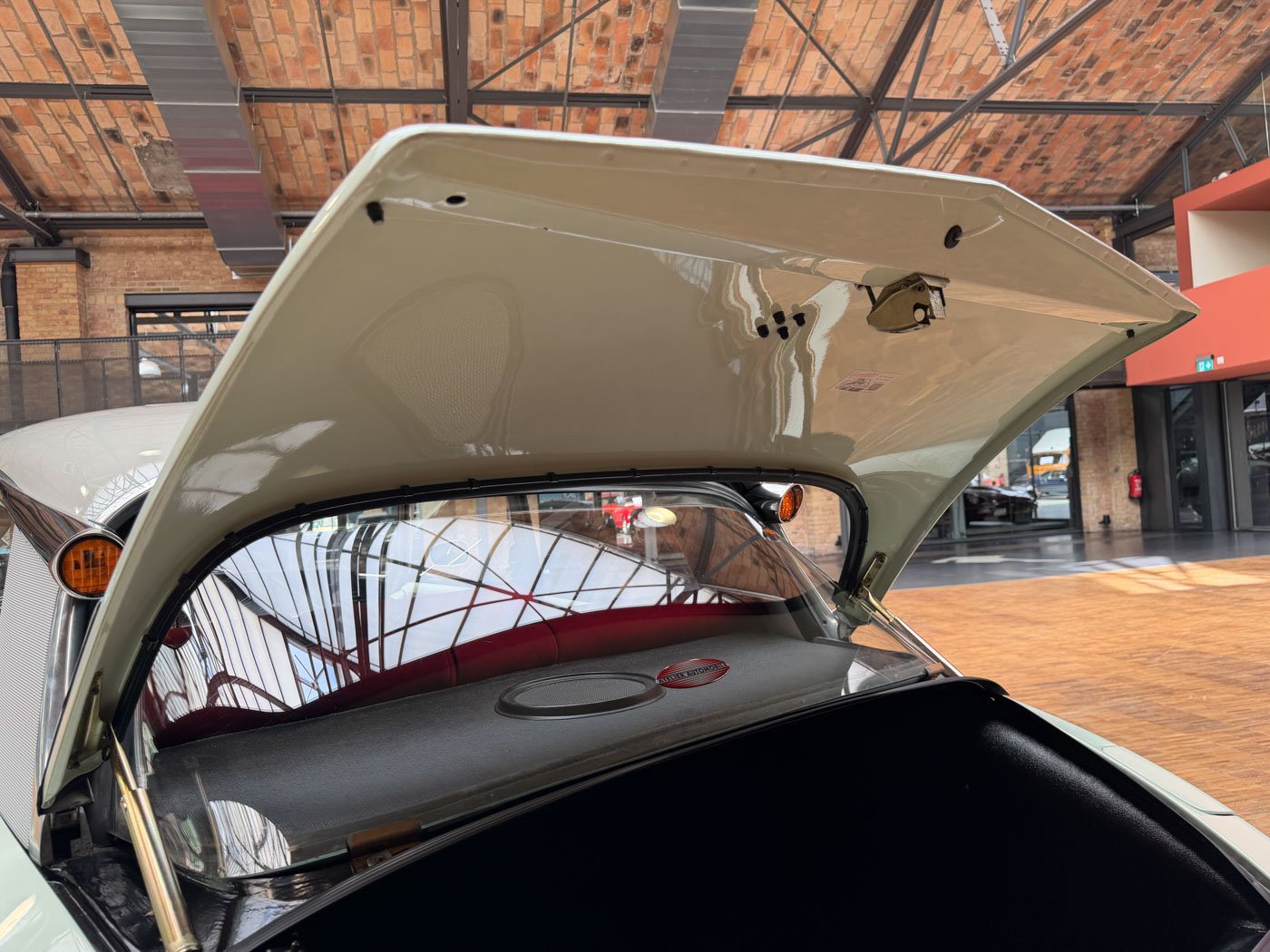
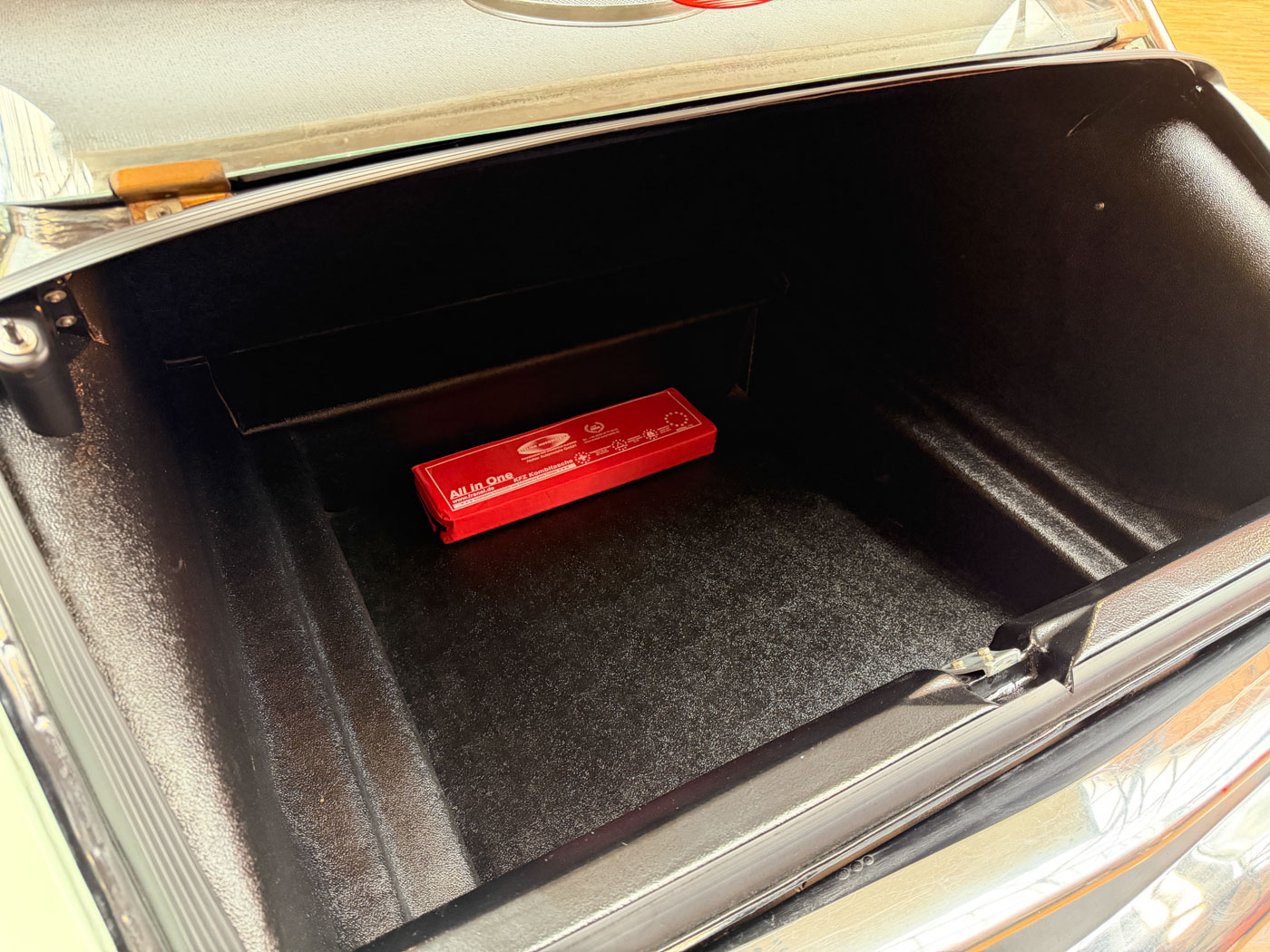
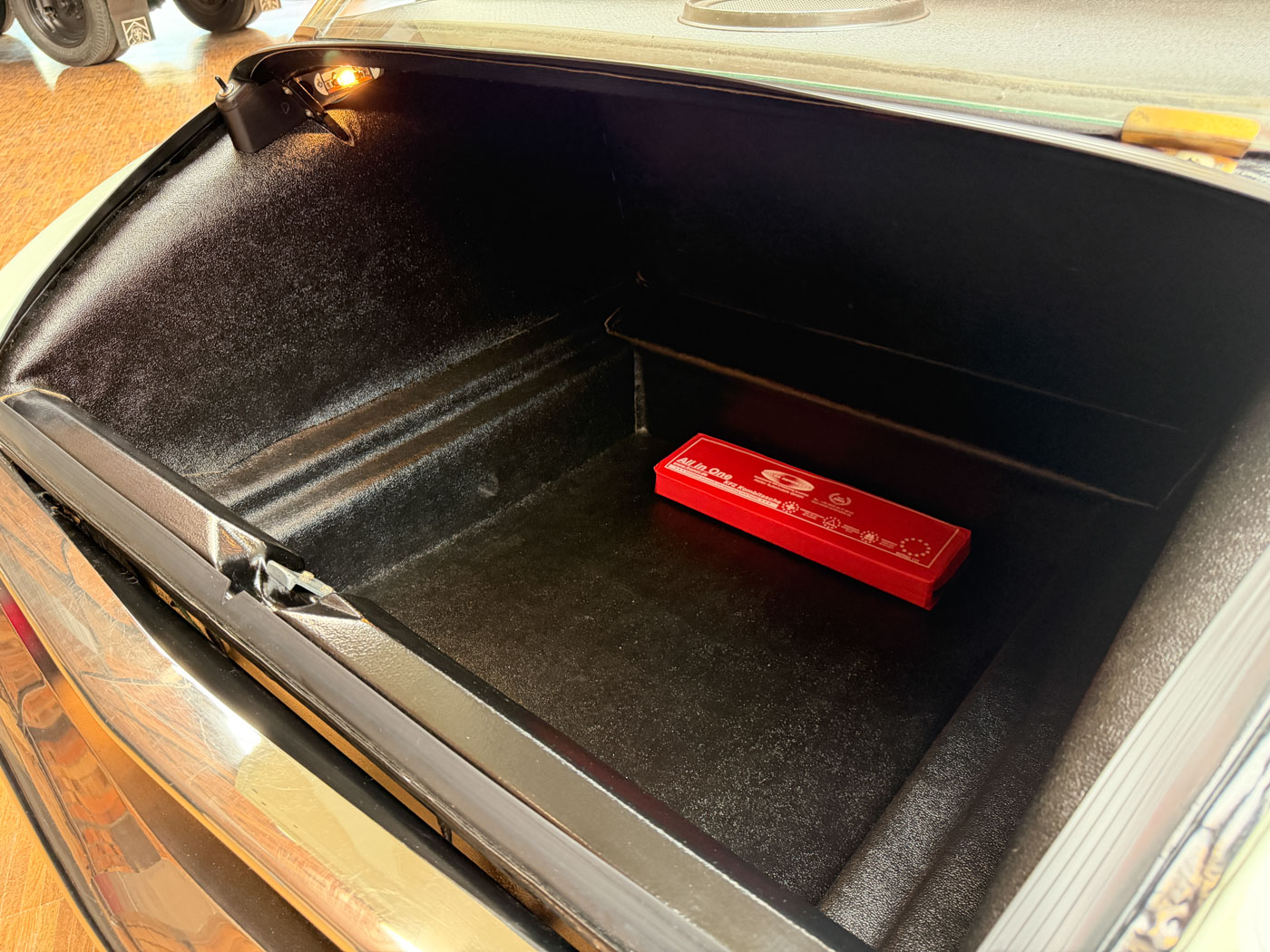
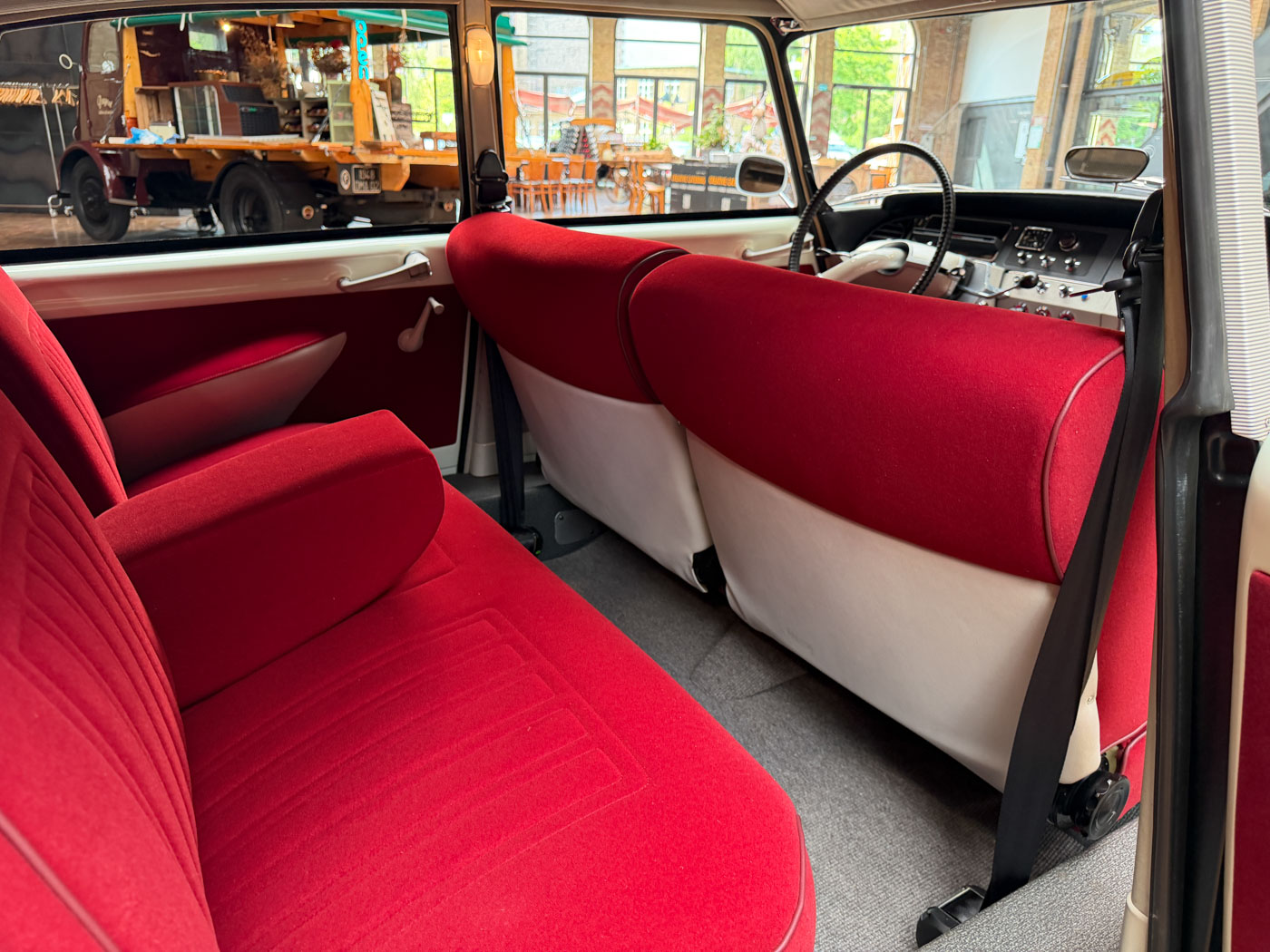
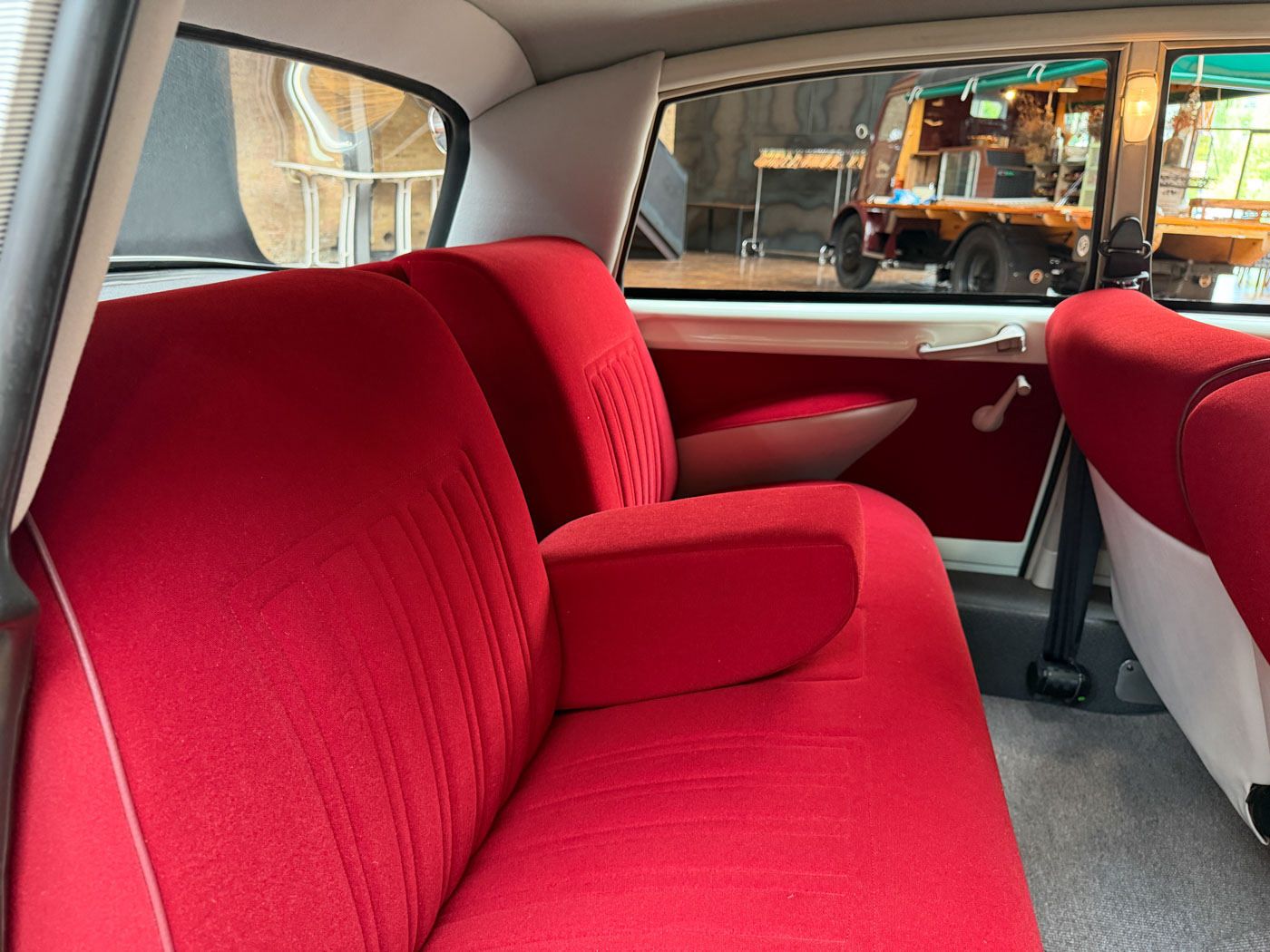
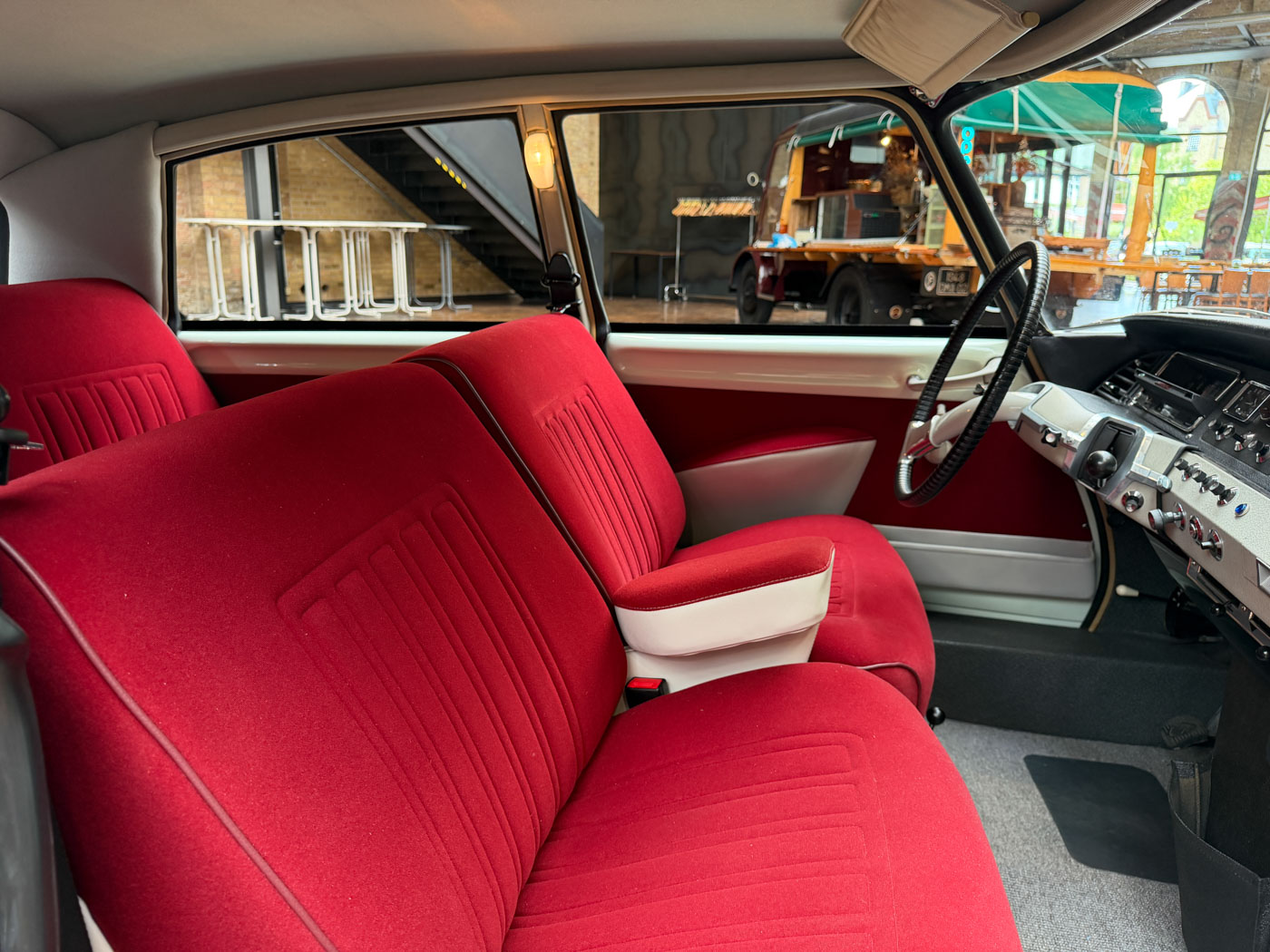
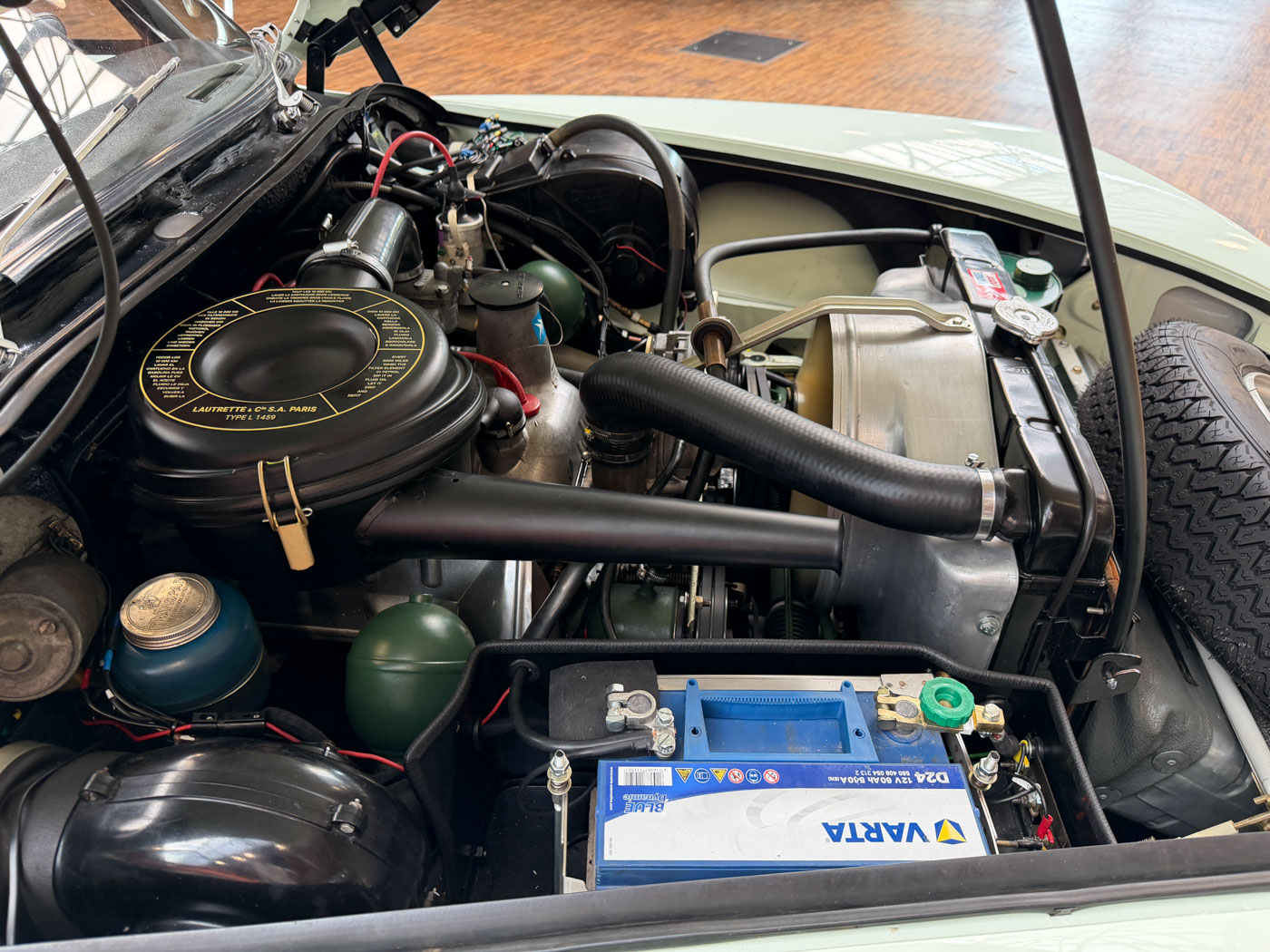
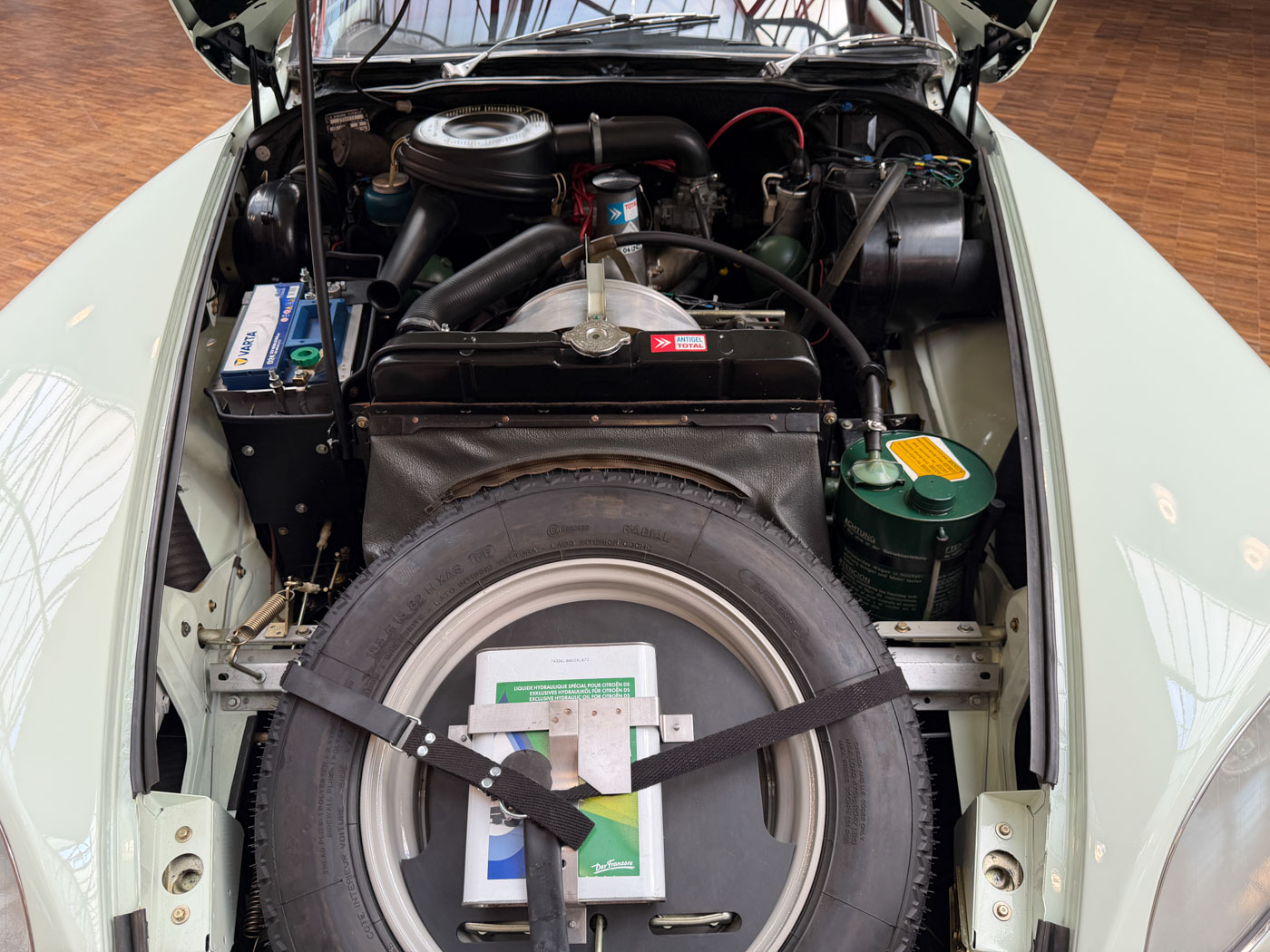
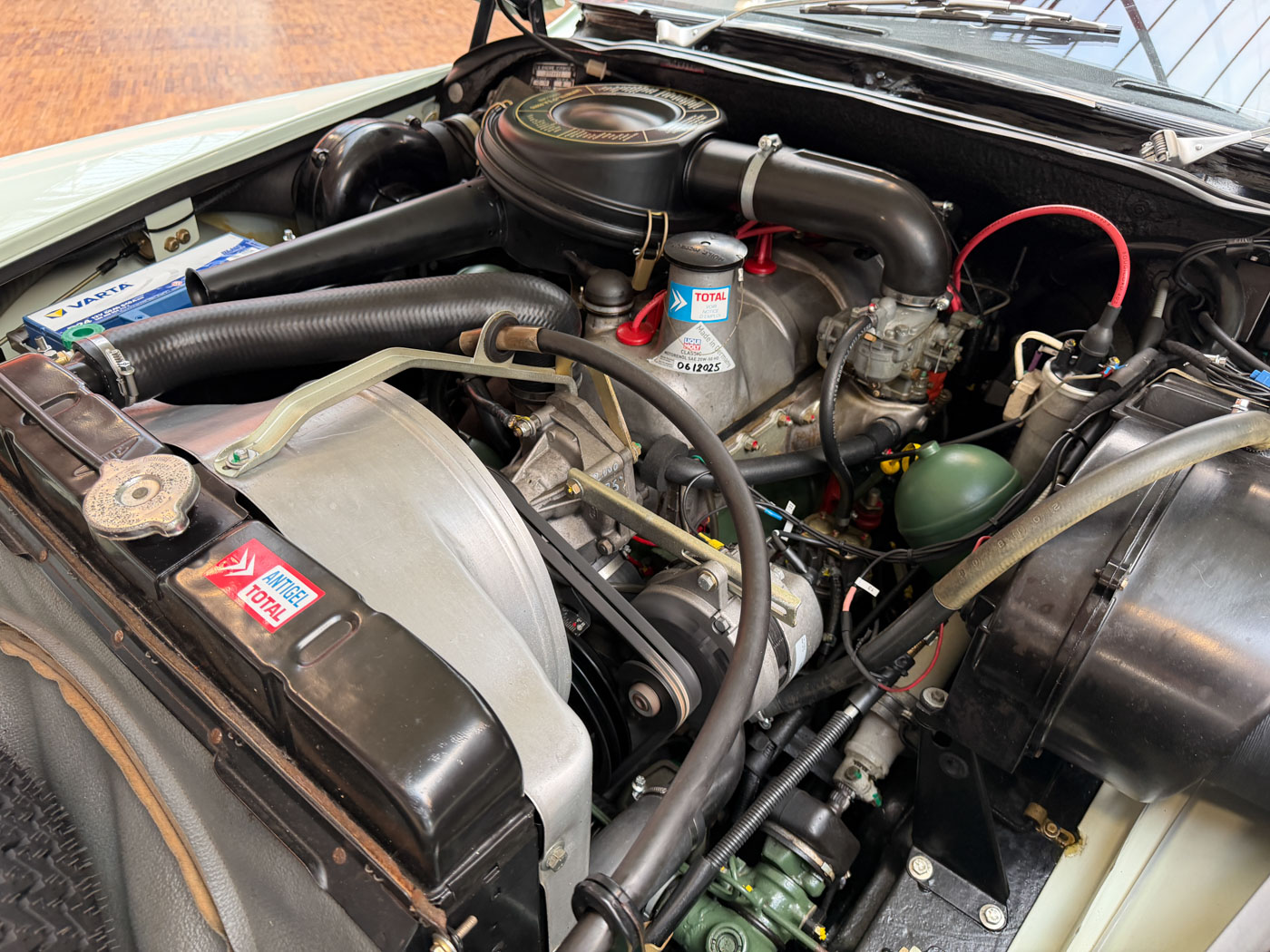
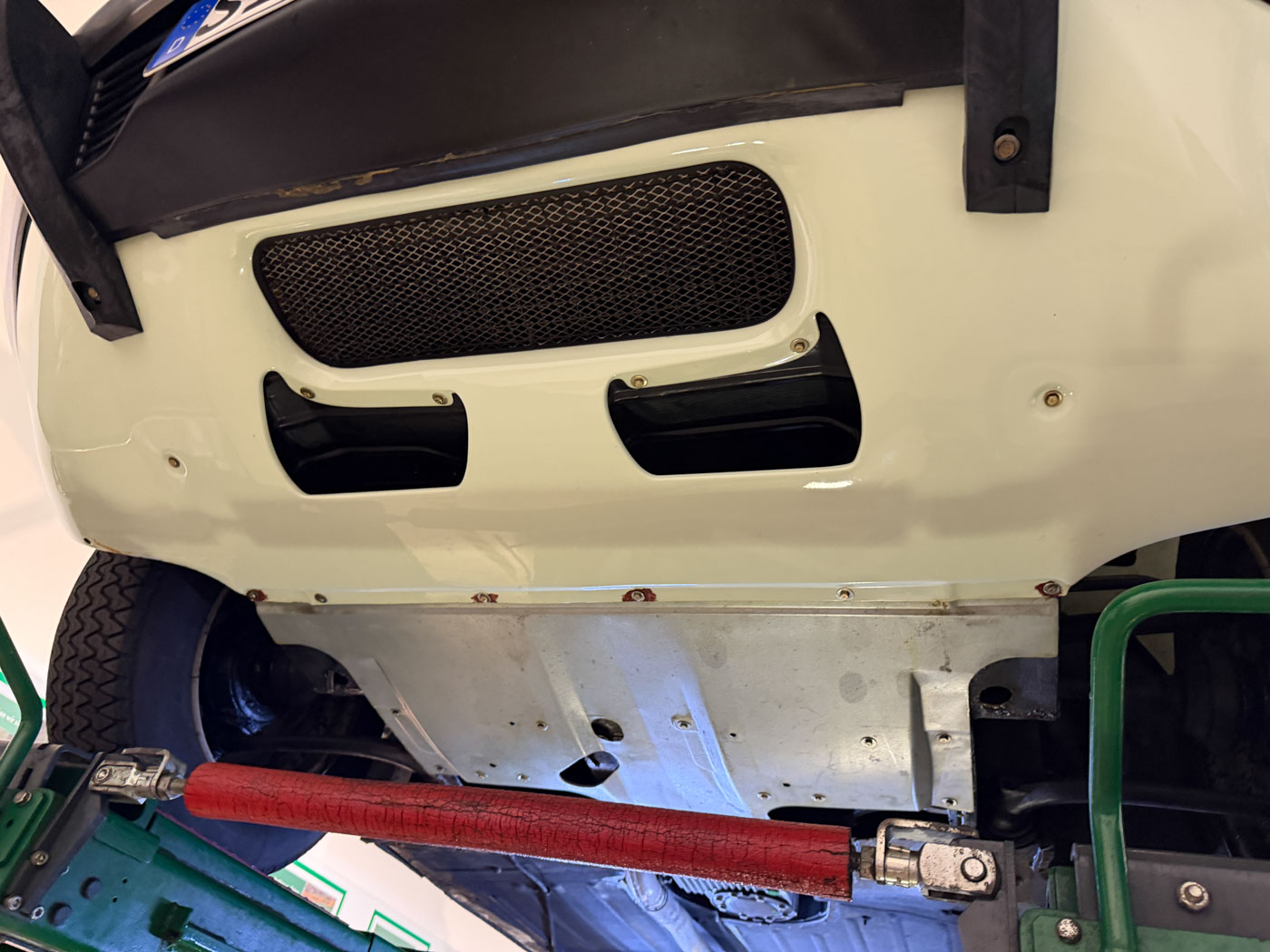
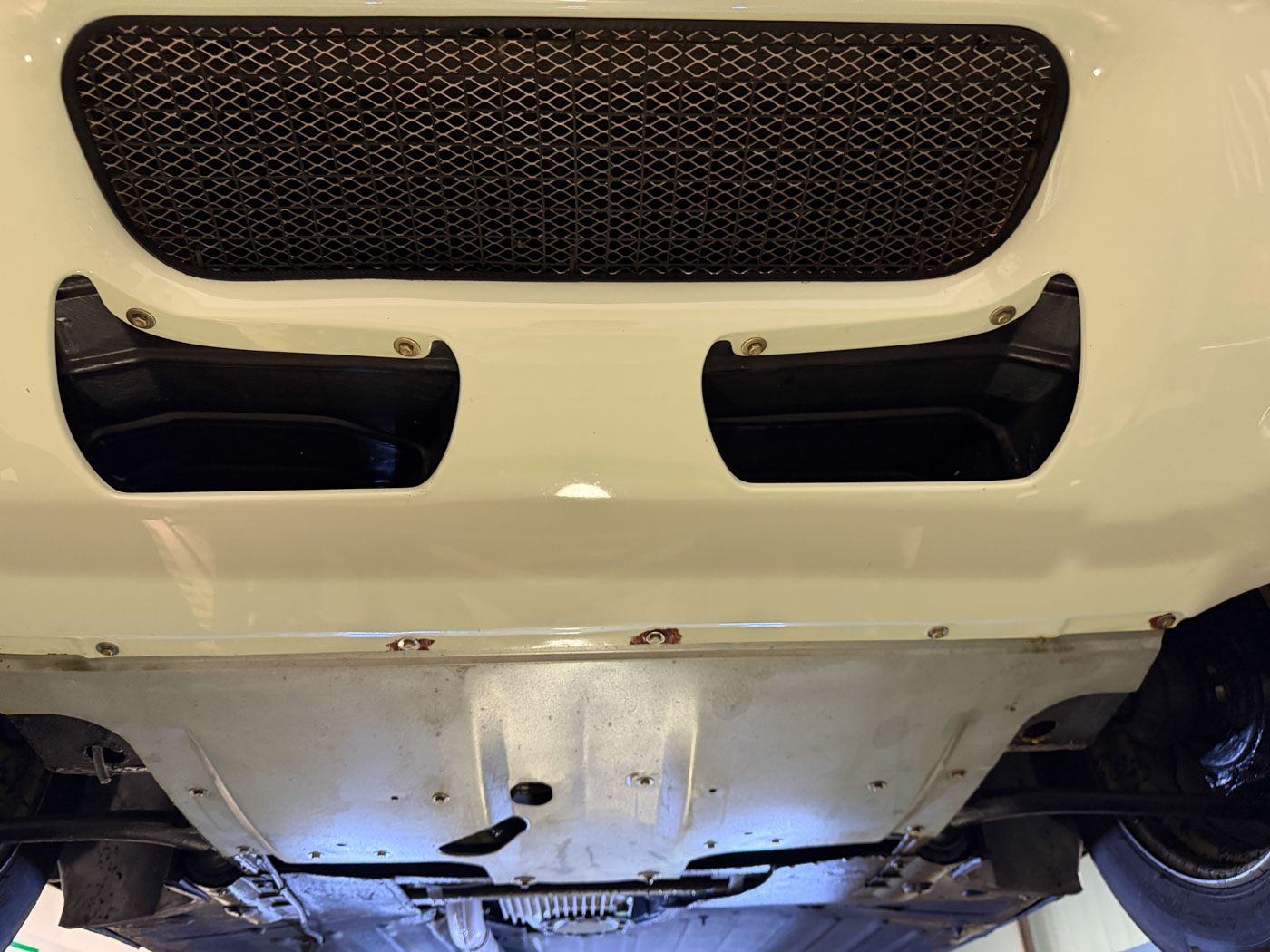
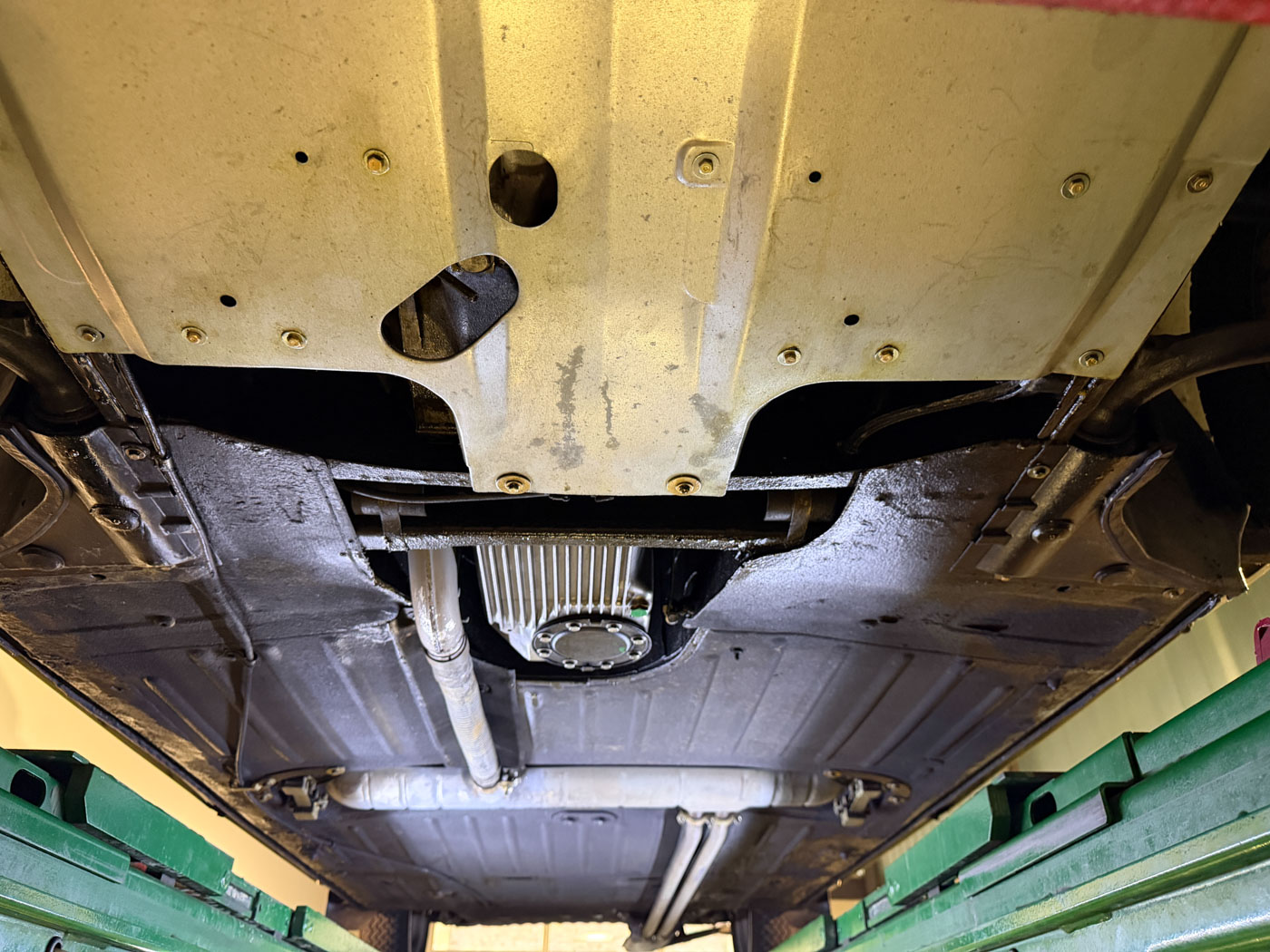
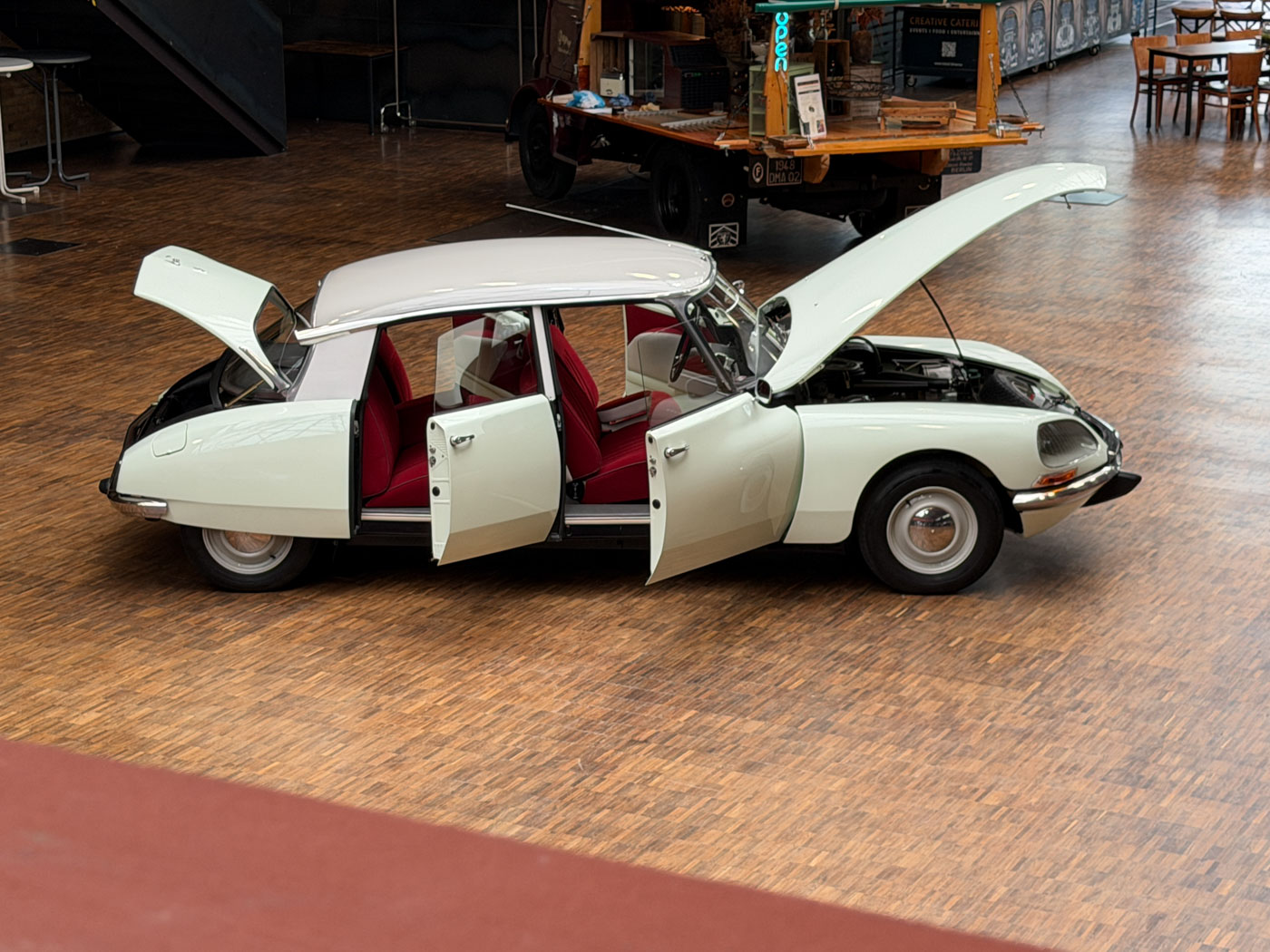
This particular ID 19 P—models featuring the dual headlights from the 1968 model year onwards carry the internal suffix “P”—was first registered in France on August 16, 1968. From the factory, the vehicle was ordered with the following optional extras: cornering lights, power steering, and an auxiliary interior fan for the passenger side. The chosen body color was *blanc carrare* AC 144 (Carrara Marble)—a shade of white with a very subtle greenish tint. At that time, the plastic roof on an ID model was colored white-grey as standard anyway, while the interior upholstery was ordered in *rouge* (red). In 2007, the car—which had remained entirely original up to that point—was imported into Germany by Falk Lehmann of Wiesloch, one of the most renowned DS specialists, and subsequently sold to an American GI stationed in Heidelberg. In 2019, the car was purchased by an independent automotive appraiser from the Siegerland region. At that time, the ID had a recorded mileage of 48,964 kilometers. The appraiser registered the vehicle—which remained in remarkably good and original condition—and drove it until 2021, at which point the odometer read 49,313 kilometers; this mileage progression is fully traceable through the vehicle’s TÜV inspection reports. An engineer by profession and a dedicated Citroën enthusiast, the appraiser had already restored several Citroën vehicles for his own personal use; in 2021, he embarked on a project to completely disassemble this car and execute a full, ground-up restoration. As a qualified automotive engineer, he encountered no technical difficulties during this process; on the contrary, he found it a true pleasure to devote his retirement to restoring this vehicle to the absolute highest standard of perfection. Photographic documentation of this restoration work is available, as are images capturing the vehicle’s condition prior to the commencement of the project. The restoration process revealed that the entire bodywork was completely free of corrosion damage, meaning that absolutely no welding work was required. Although the engine had good compression and functioned flawlessly, it was opened up as well. Essentially, however, the engine was merely cleaned and fitted with a new timing chain, a refurbished oil pump, and new seals. The transmission was also opened, inspected, reassembled, and resealed. During the reinstallation of the drivetrain, a new clutch and new engine mounts were, of course, installed. The inboard brake discs did not require replacement; indeed, the original discs remain installed to this day—further clear evidence of the vehicle’s low mileage. A new steering box was installed, and the entire hydraulic system was overhauled. Even the car’s original bolts were reused, albeit after being cleaned and re-plated. Many other small parts were also re-plated. Upon the completion of the restoration, only three elements were not restored in strict adherence to originality: the original white-grey tinted plastic roof was painted; stainless steel housings—rather than plastic ones—were fitted for the rear turn signals; and modern retractable seatbelts were installed for the front seats. The appraiser has just purchased a smaller home for himself and his wife to serve as their retirement residence, and he is now only able to garage three of his classic cars there. As we have known him for a good two years, he has entrusted us with the sale of this ID—a vehicle that is in absolutely fantastic original condition and has been restored even more fantastically. The current odometer reading stands at 52,709 kilometers, meaning that 3,396 kilometers have been driven since the restoration was completed in 2024. Consequently, any necessary post-restoration adjustments have already been carried out. The engine starts instantly, and the Citroën drives as perfectly as a car possibly can. A brilliant ID—an *Idée Géniale*.
We subject every vehicle to a systematic inspection—covering everything from the bodywork and engine to the electrical system. Based on this assessment, we have prepared three distinct package options. You decide which offer best suits your needs.
Économie – €44,900
A fully operational and roadworthy vehicle with absolutely no deferred maintenance, including a “Historic Vehicle” certification (*H-Gutachten*) and a valid technical inspection (*TÜV*) through April 2028.
Standard – €46,500
Includes everything in the *Économie* package, plus a major service, an oil change, and a brand-new technical inspection.
Suprême – €47,750
Includes everything in the *Standard* package, plus a fresh wax-based rustproofing treatment for the vehicle’s cavities and underbody.
We would be happy to send you the detailed specifications for these three package options. Alternatively, simply give us a call, and we will be pleased to explain everything to you personally.
E-fuels as an alternative fuel for climate-friendly use in classic cars.
Let us inform you as soon as new vehicles arrive!
Liebe Kundinnen und Kunden,
am Dienstag, den 14. Januar 2025, befindet sich das Team des Ateliers Automobile ab 14 Uhr auf einem Betriebsausflug. Aus diesem Grund bleibt unsere Werkstatt nachmittags geschlossen.
Ab Mittwoch, den 15. Januar 2025, sind wir wie gewohnt wieder für Sie da. Vielen Dank für Ihr Verständnis!
Ihr Team von Atelier Automobile