

4 cylinders
1,493 cc
44 hp
105 km/h
110.000 €
After the Second World War, the Volkswagen factory in Wolfsburg came under the control of the British military government and was temporarily renamed Wolfsburg Motor Works. Production of the Volkswagen, which had first gone into production before the war in 1938, resumed as early as the late summer of 1945. Until 1950, the VW Type 1, popularly known as the Beetle, was the only model to roll off the production lines in Wolfsburg. Its subsequent success is now legendary.
For internal transport duties at the factory, a number of so-called “Plattenwagen” were built, with the seat and controls at the rear above the engine and an open load platform at the front. In 1947, Ben Pon, who would later become Volkswagen’s general importer for the Netherlands, saw these vehicles and proposed a commercial version. However, the Dutch authorities would not approve a vehicle in which the driver sat behind the load. During a meeting with Colonel Charles Radclyffe of the British military administration’s Trade and Industry Division, Ben Pon drew a sketch of an enclosed van based on the Beetle, with the steering wheel positioned ahead of the front axle. This sketch, which would later become world-famous, is now held at the Rijksmuseum in Amsterdam. Heinrich Nordhoff, appointed managing director in 1948, initiated the development of the VW Type 2, or first-generation T1 Transporter, on the basis of this drawing. Around 1.8 million T1s were built in Wolfsburg and Hanover between 8 March 1950 and its replacement by the T2 in 1967. In Brazil, T1 production continued until 1976.
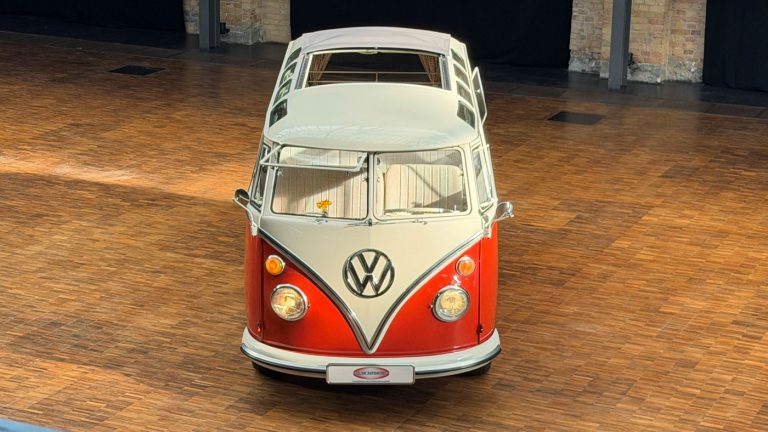
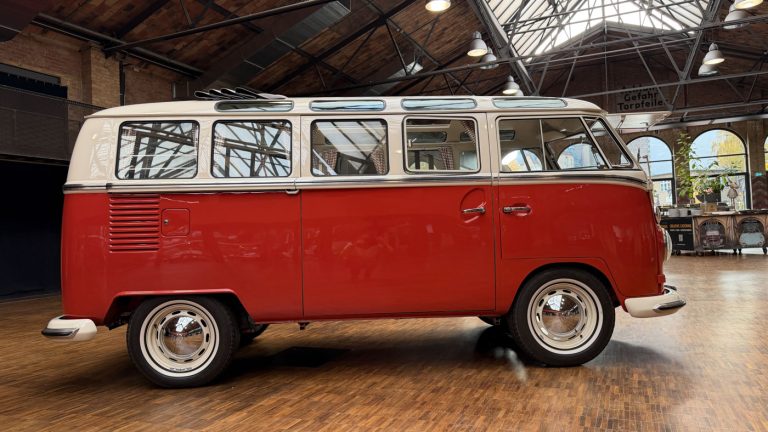
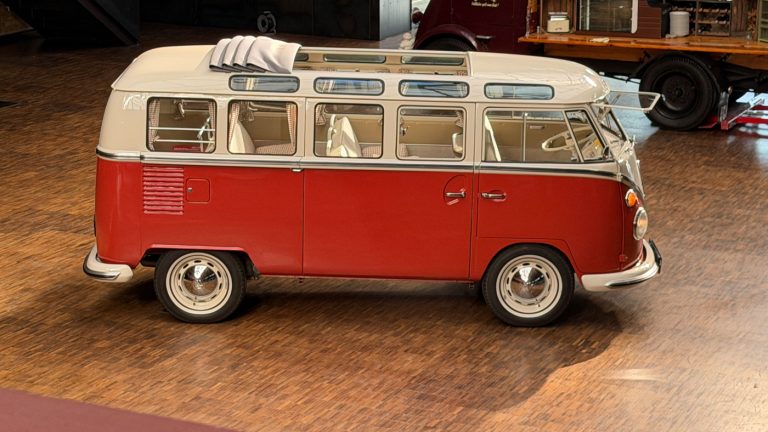
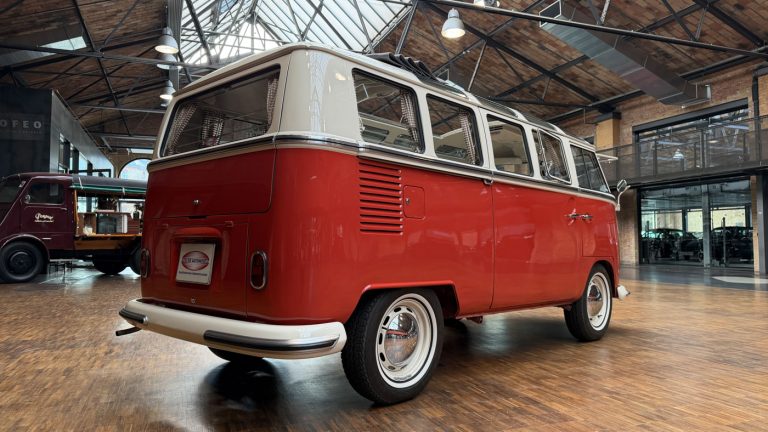
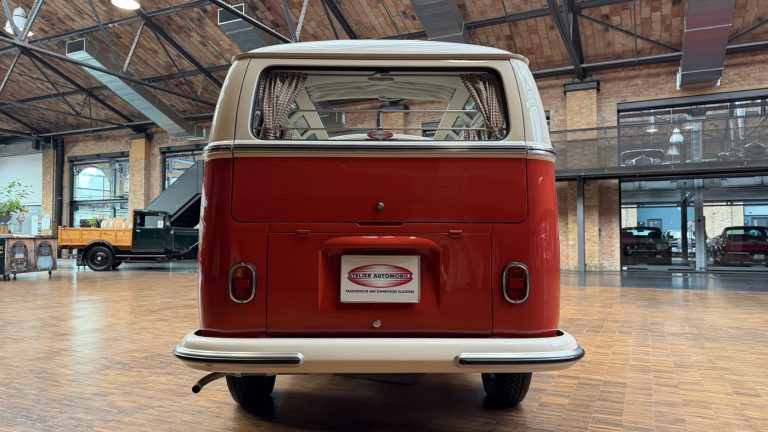
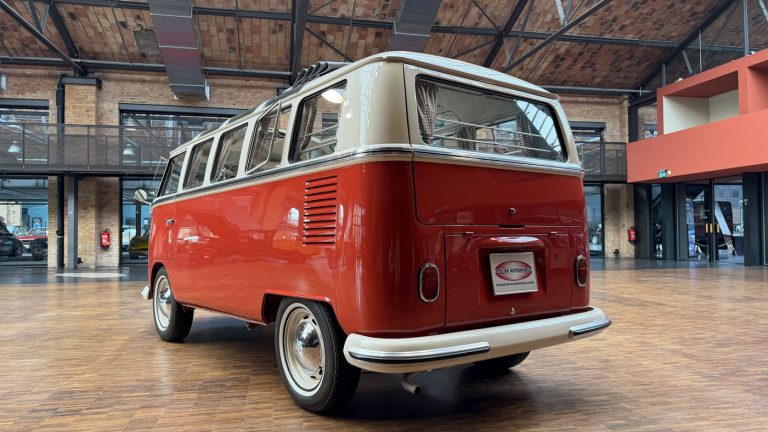
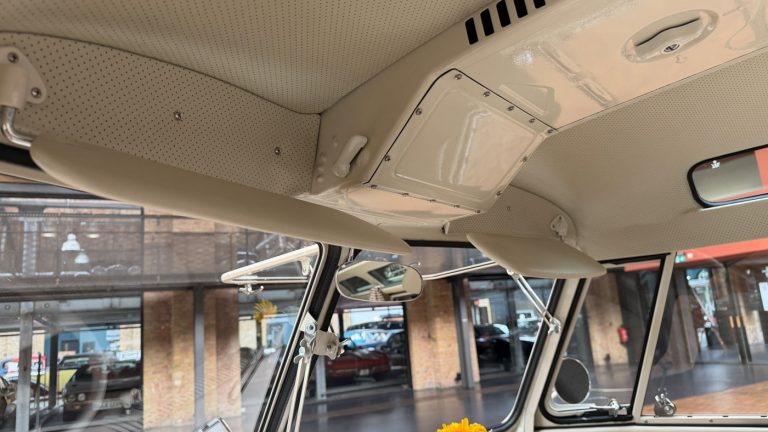
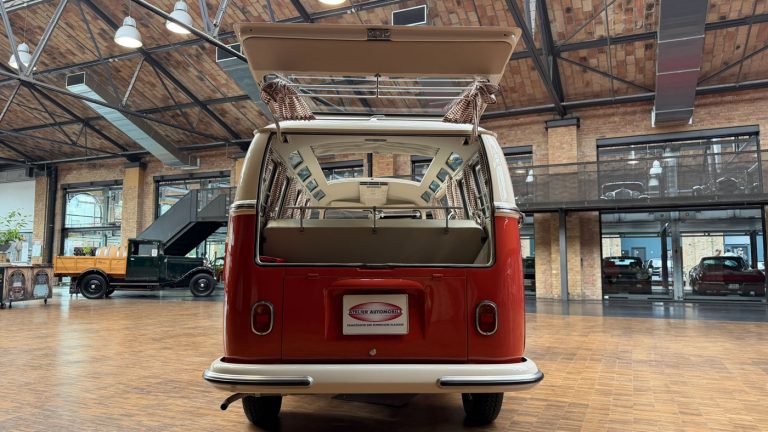
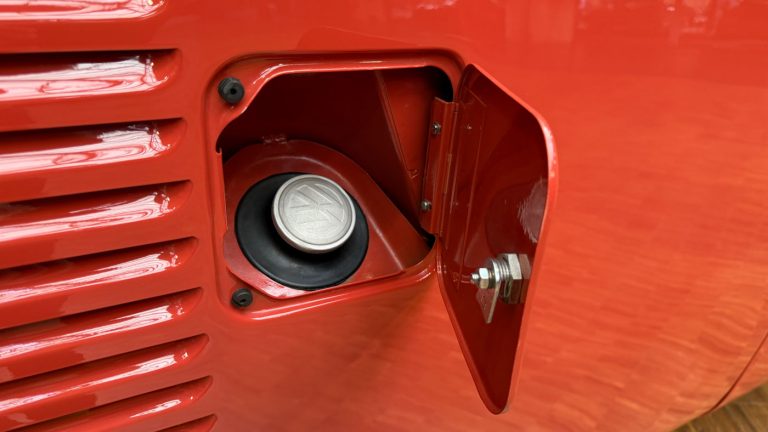
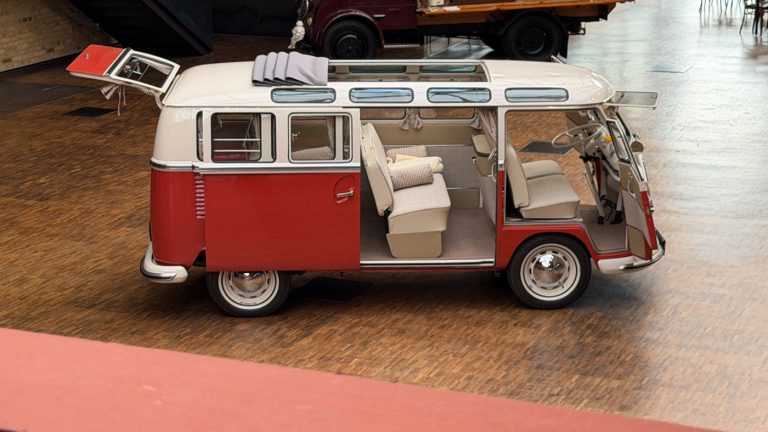
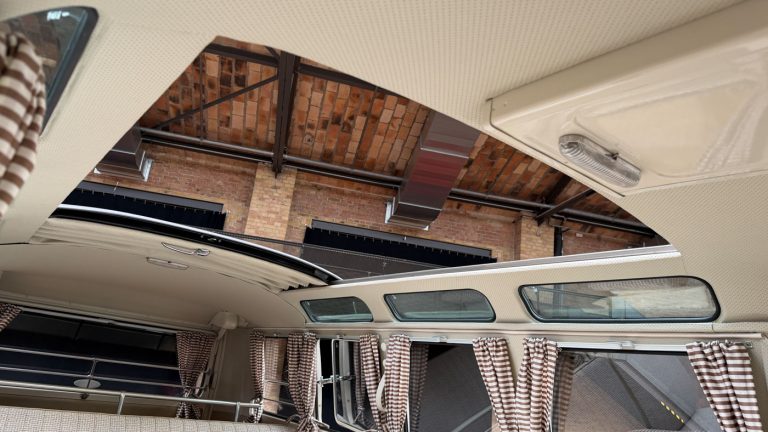
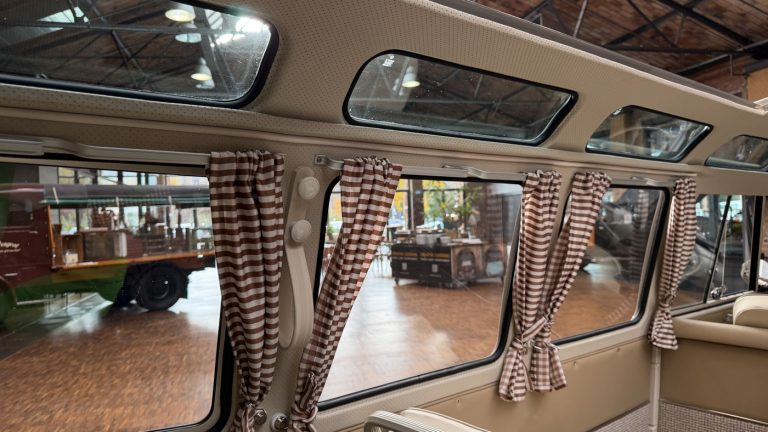
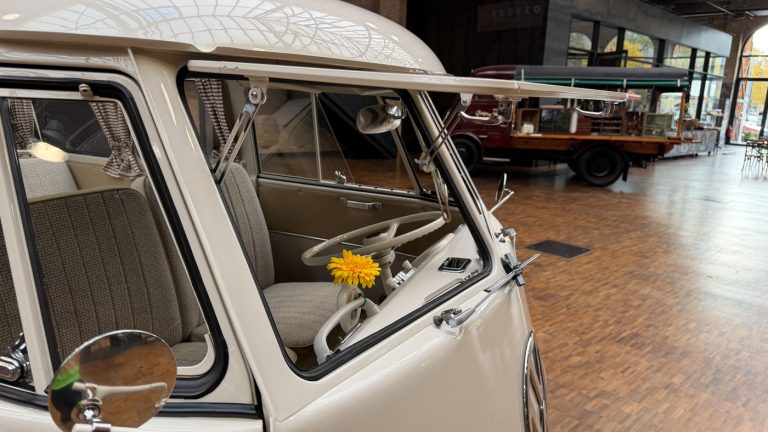
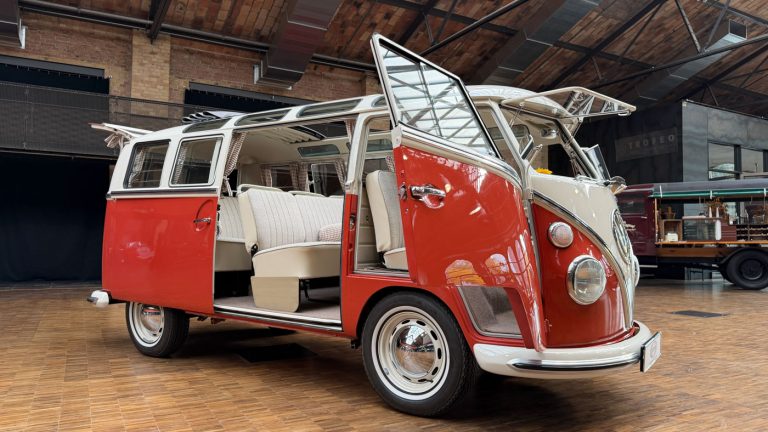
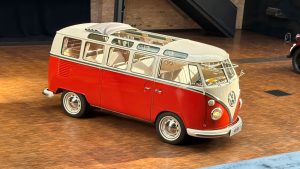
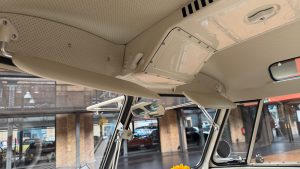
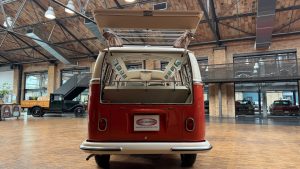
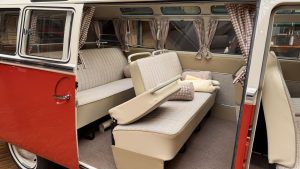
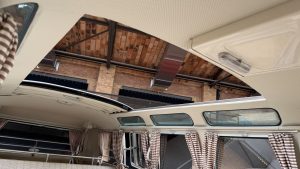
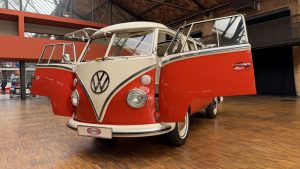
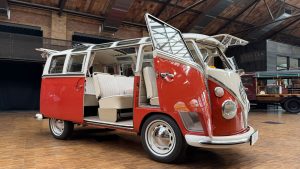
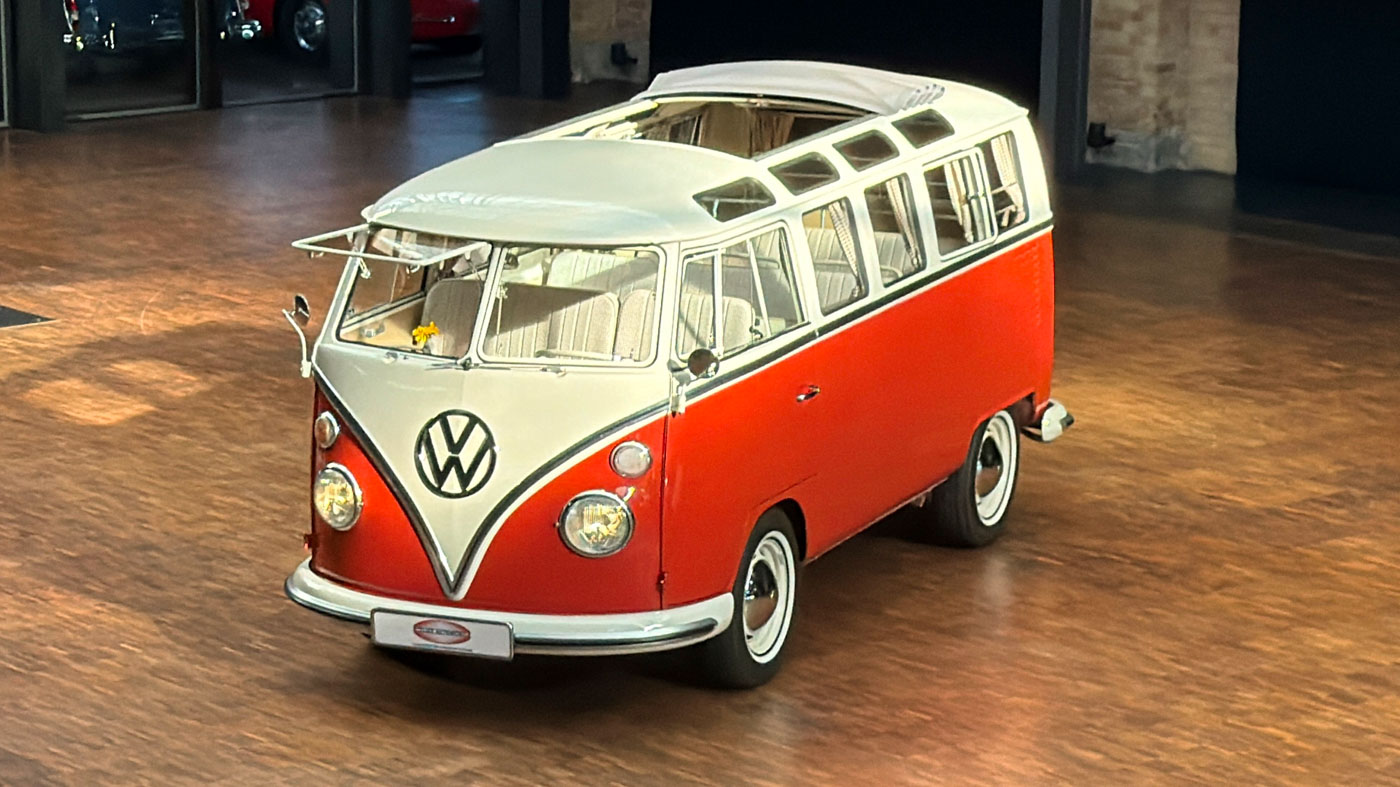
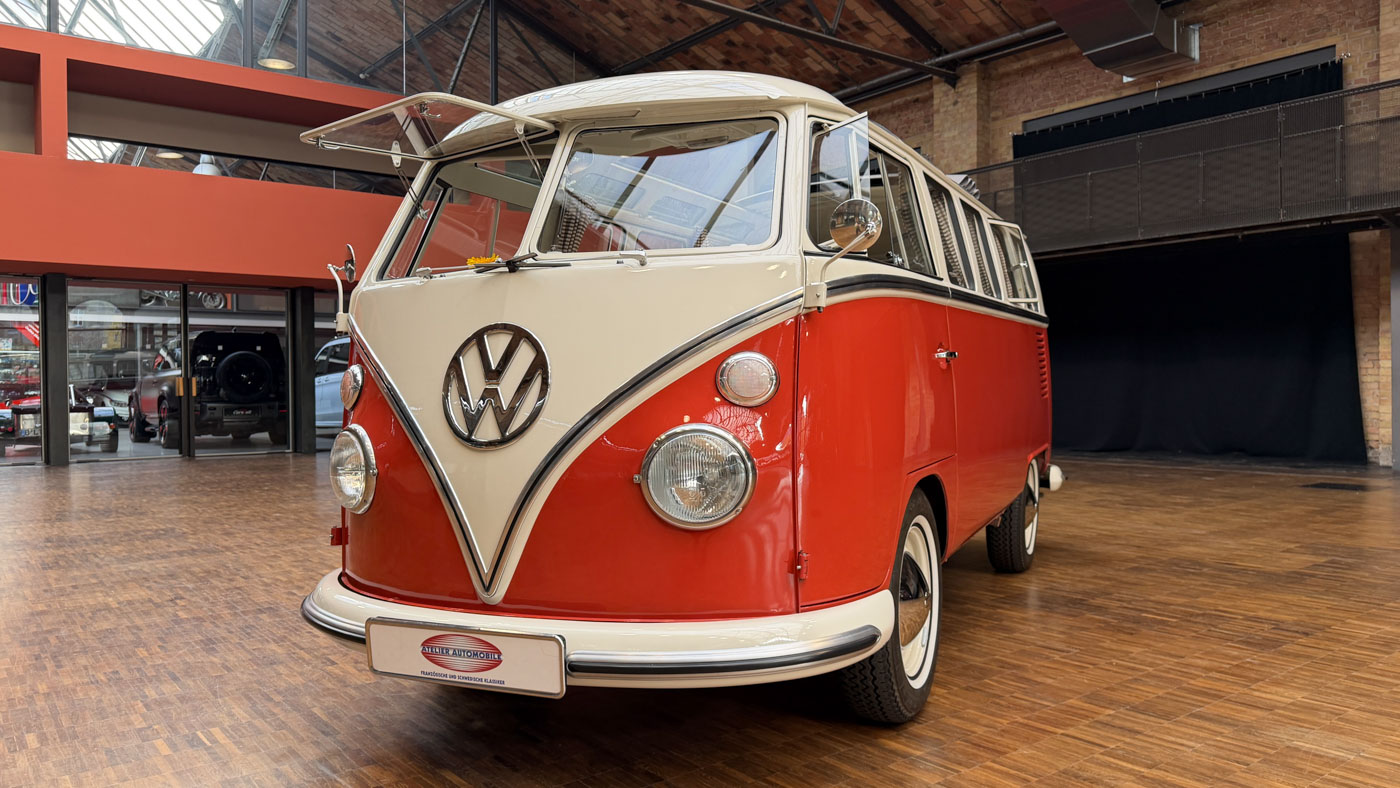
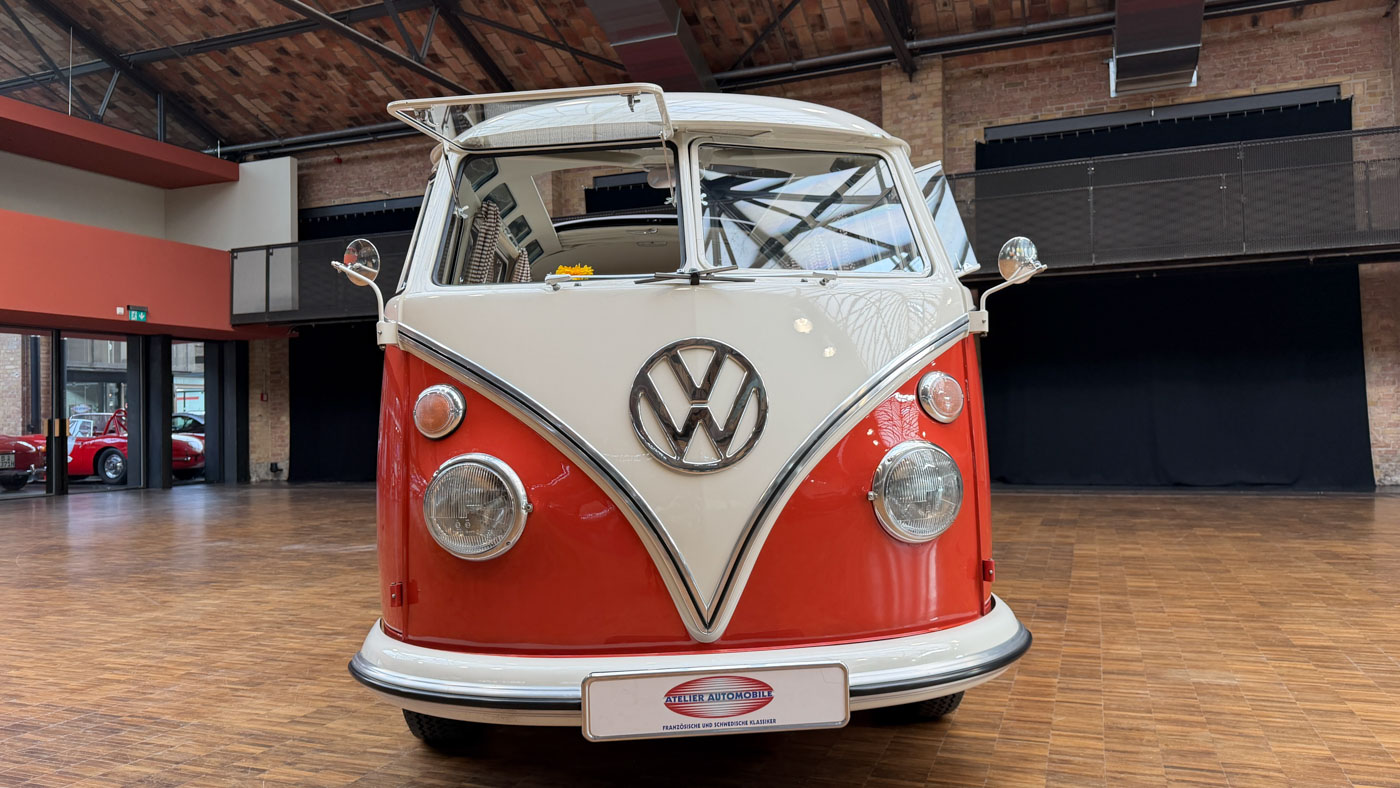
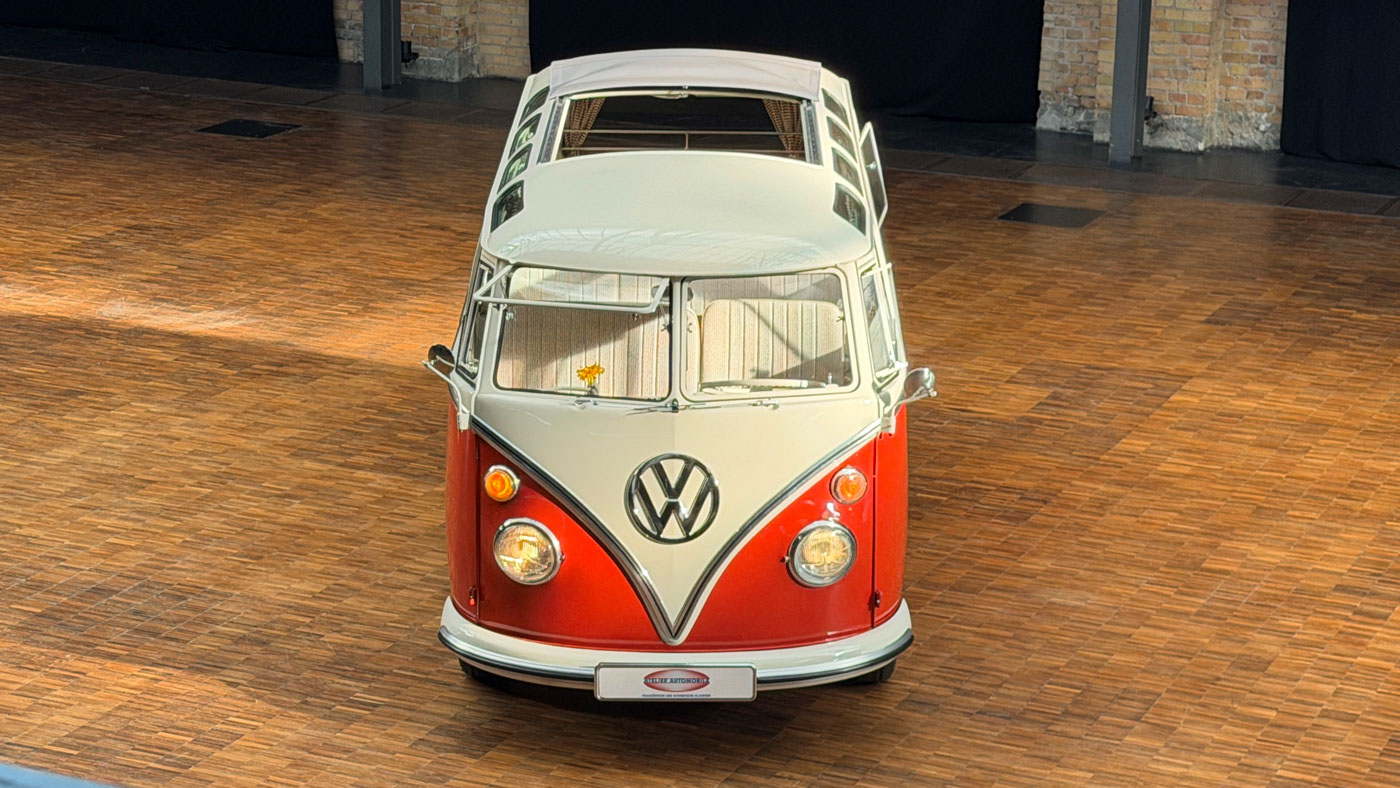
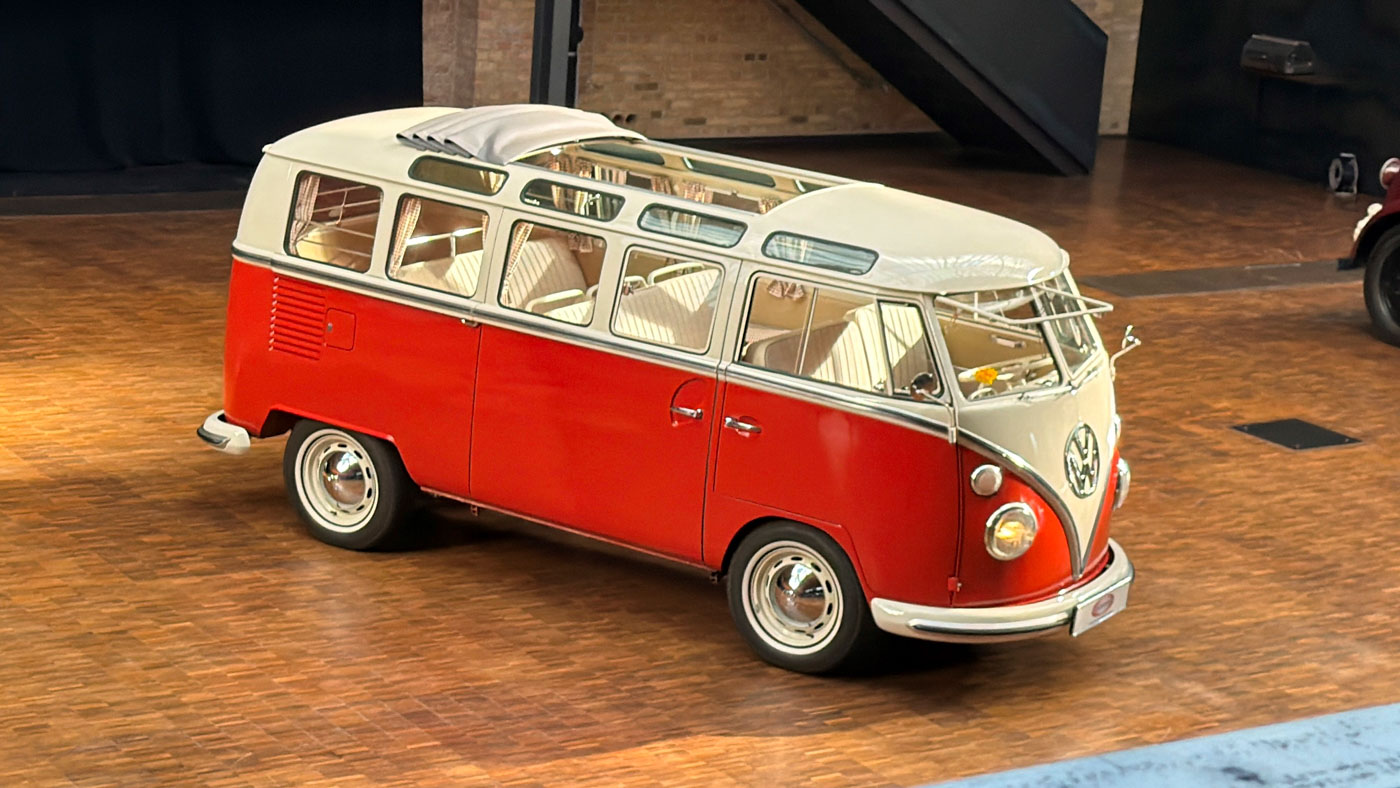
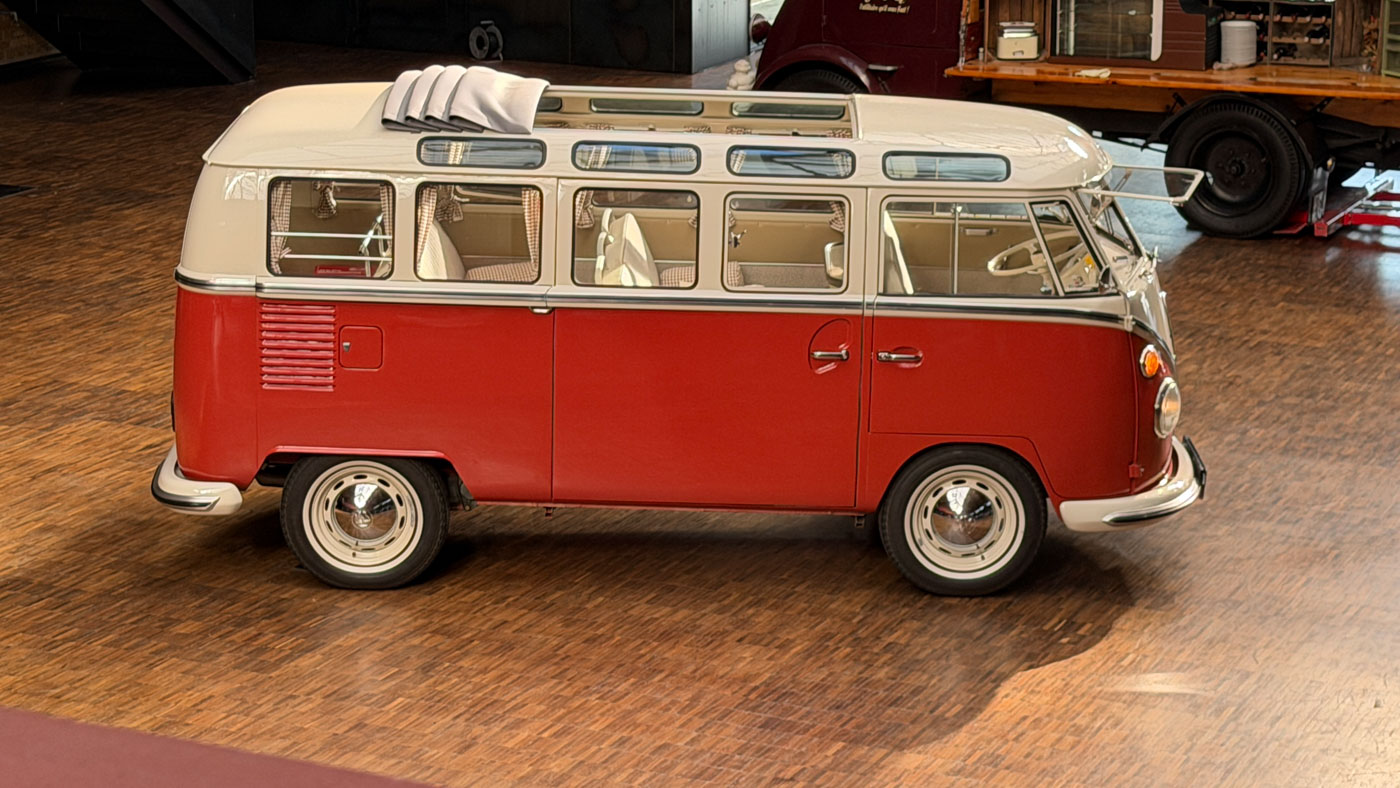
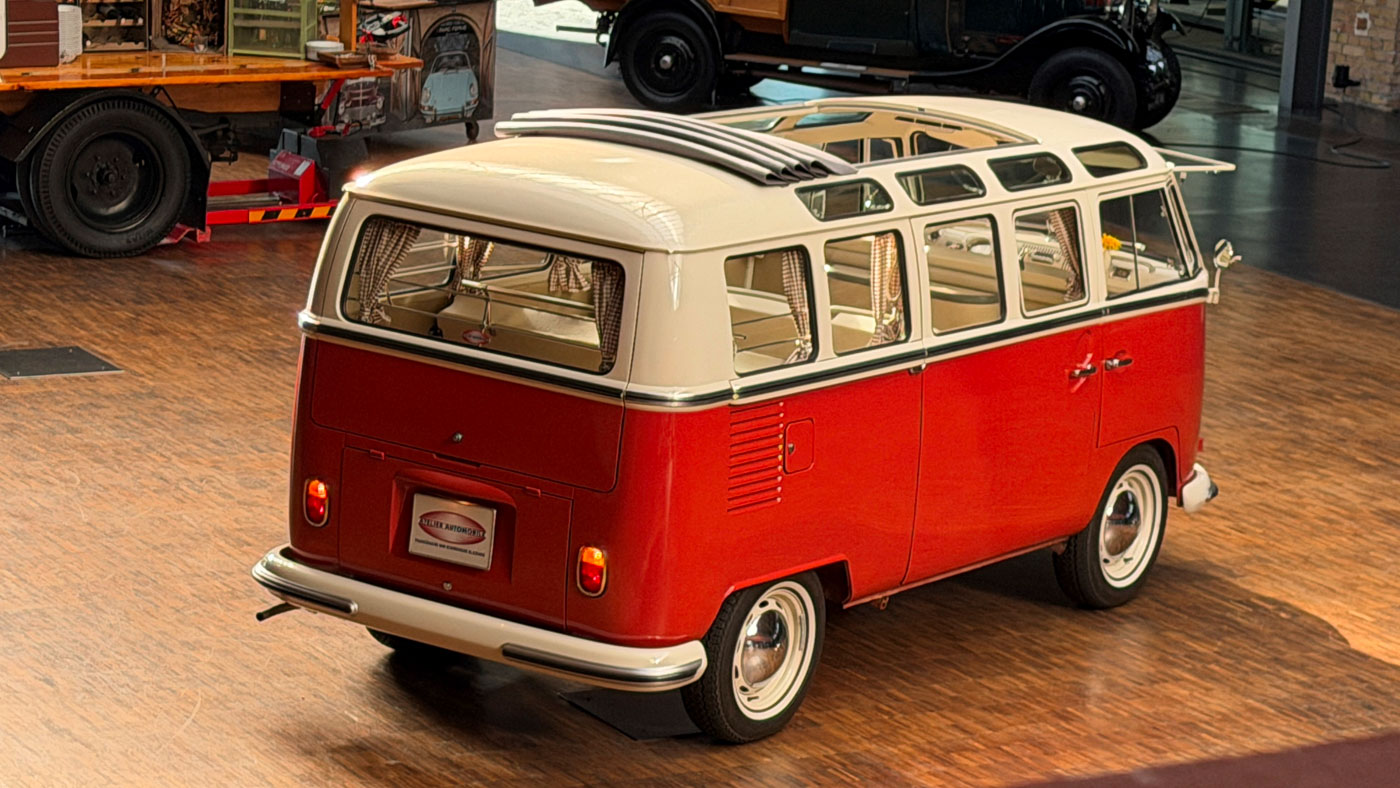
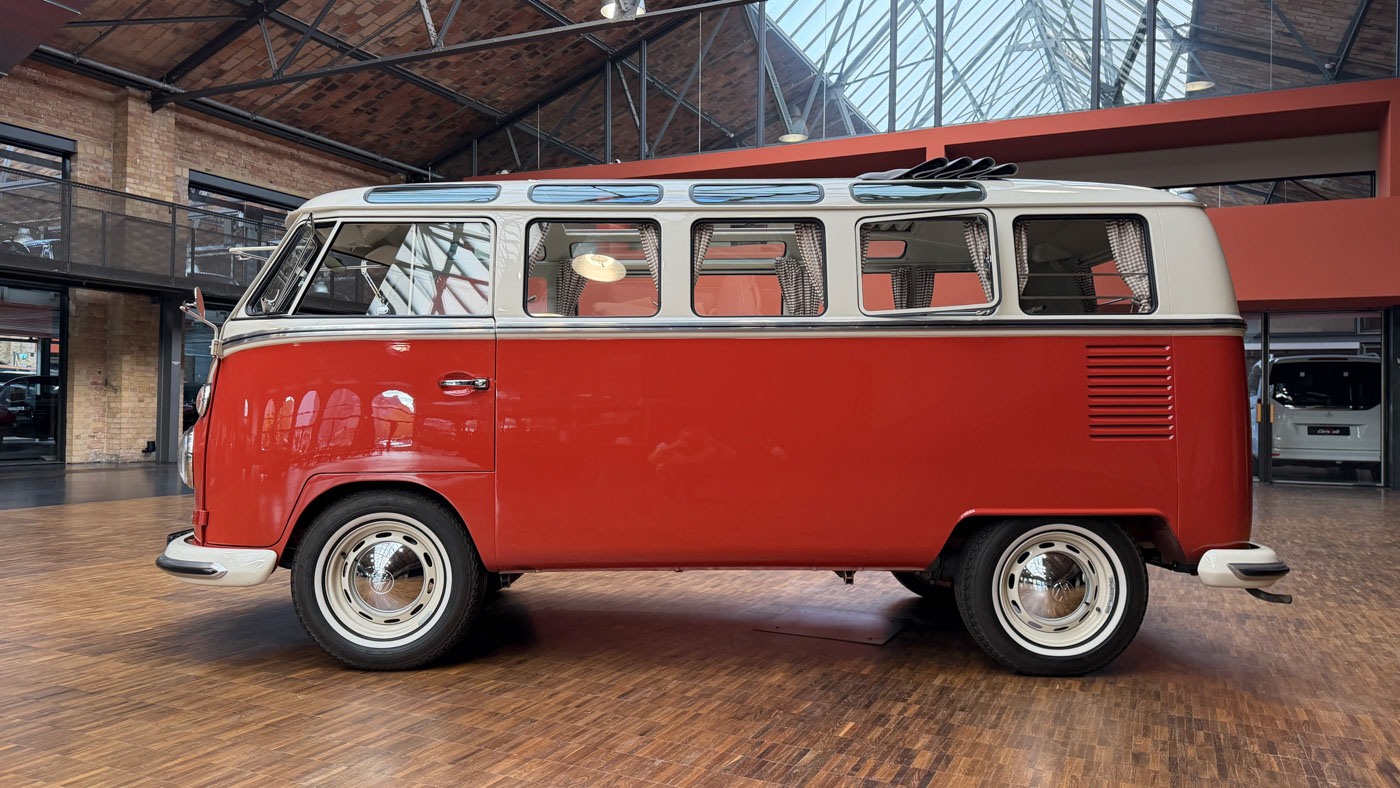
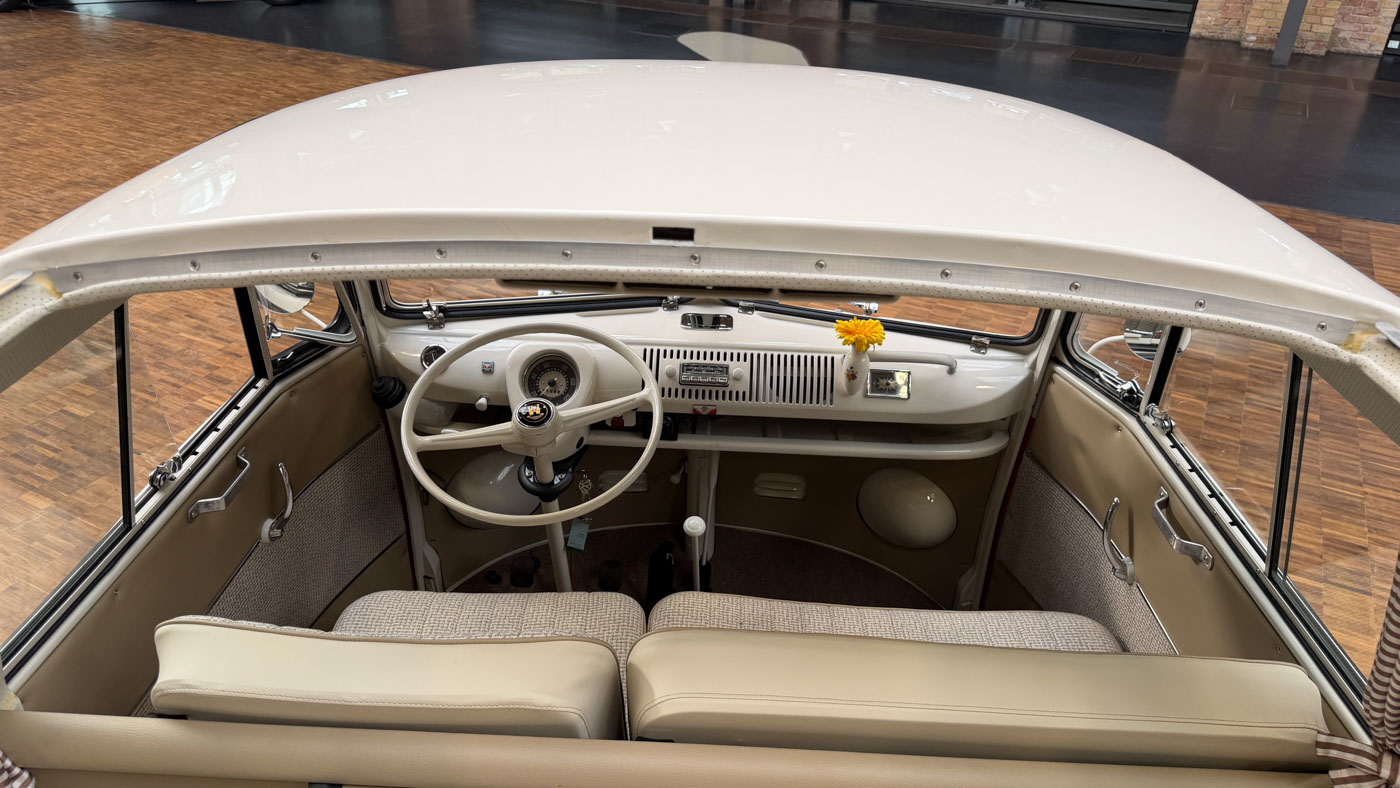
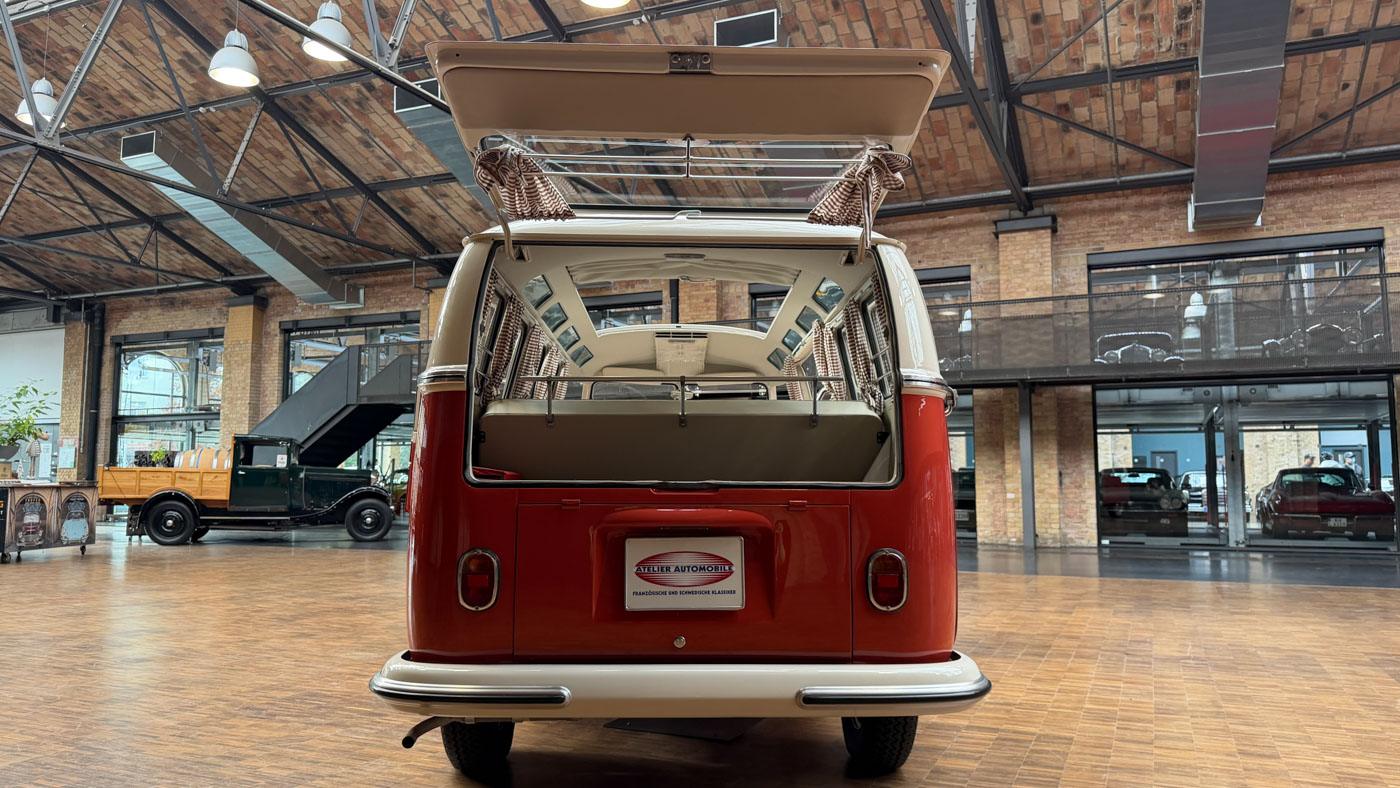
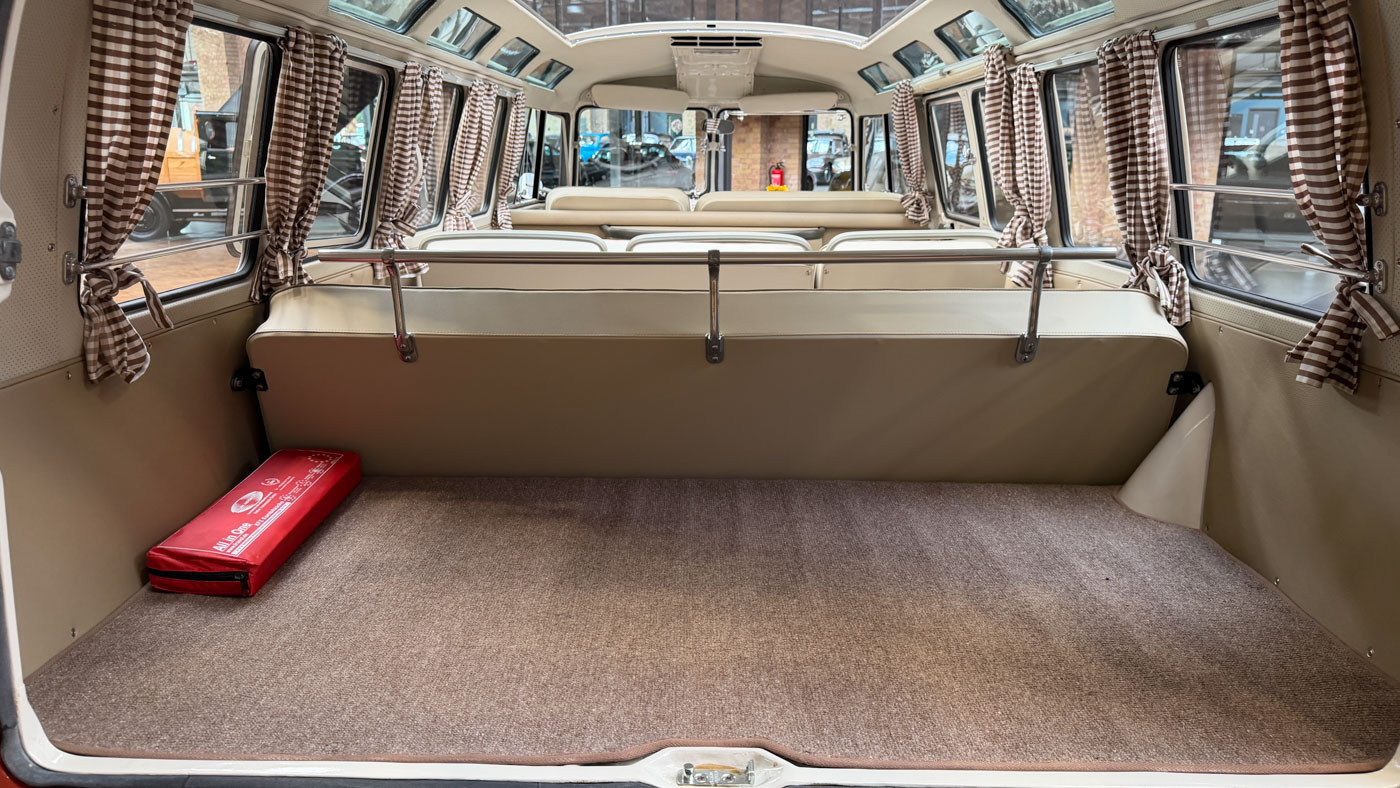
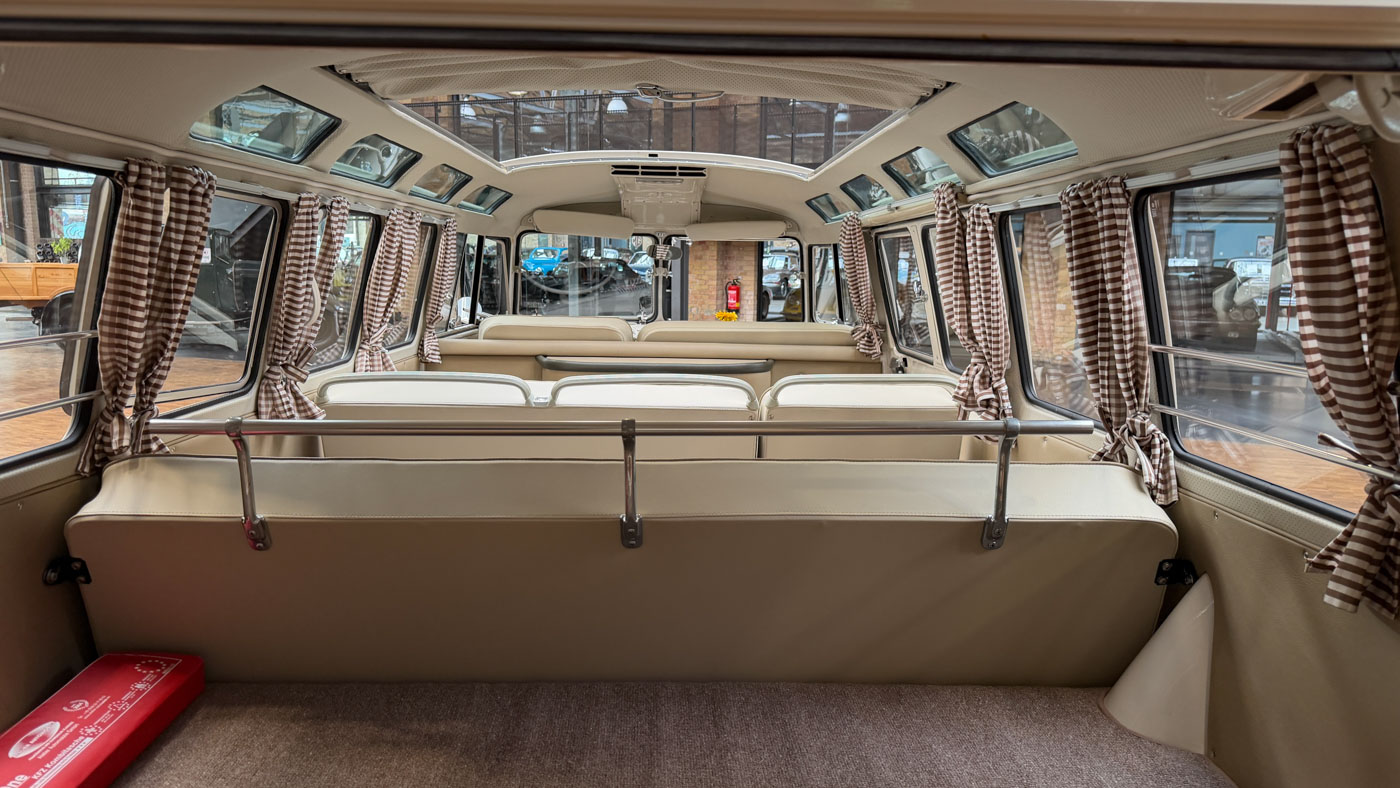
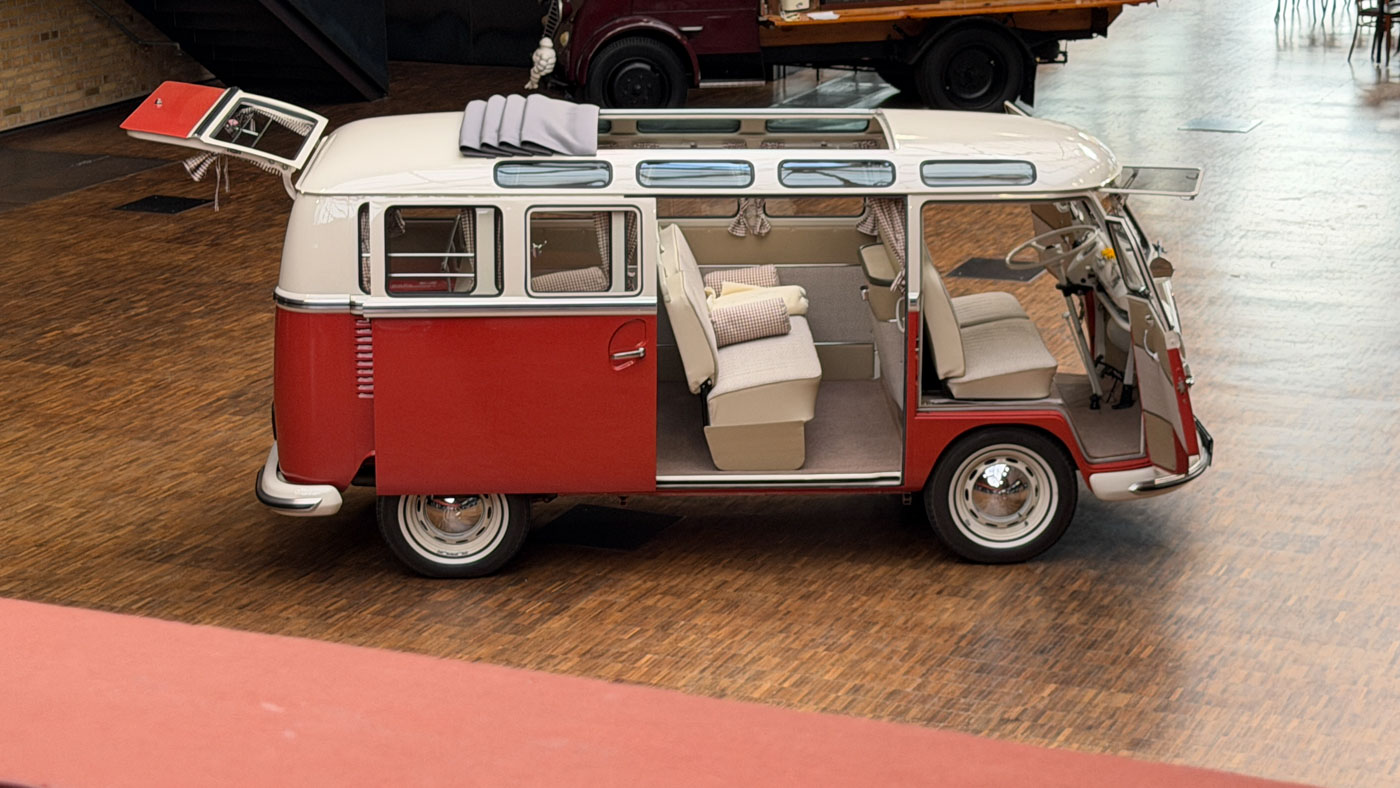
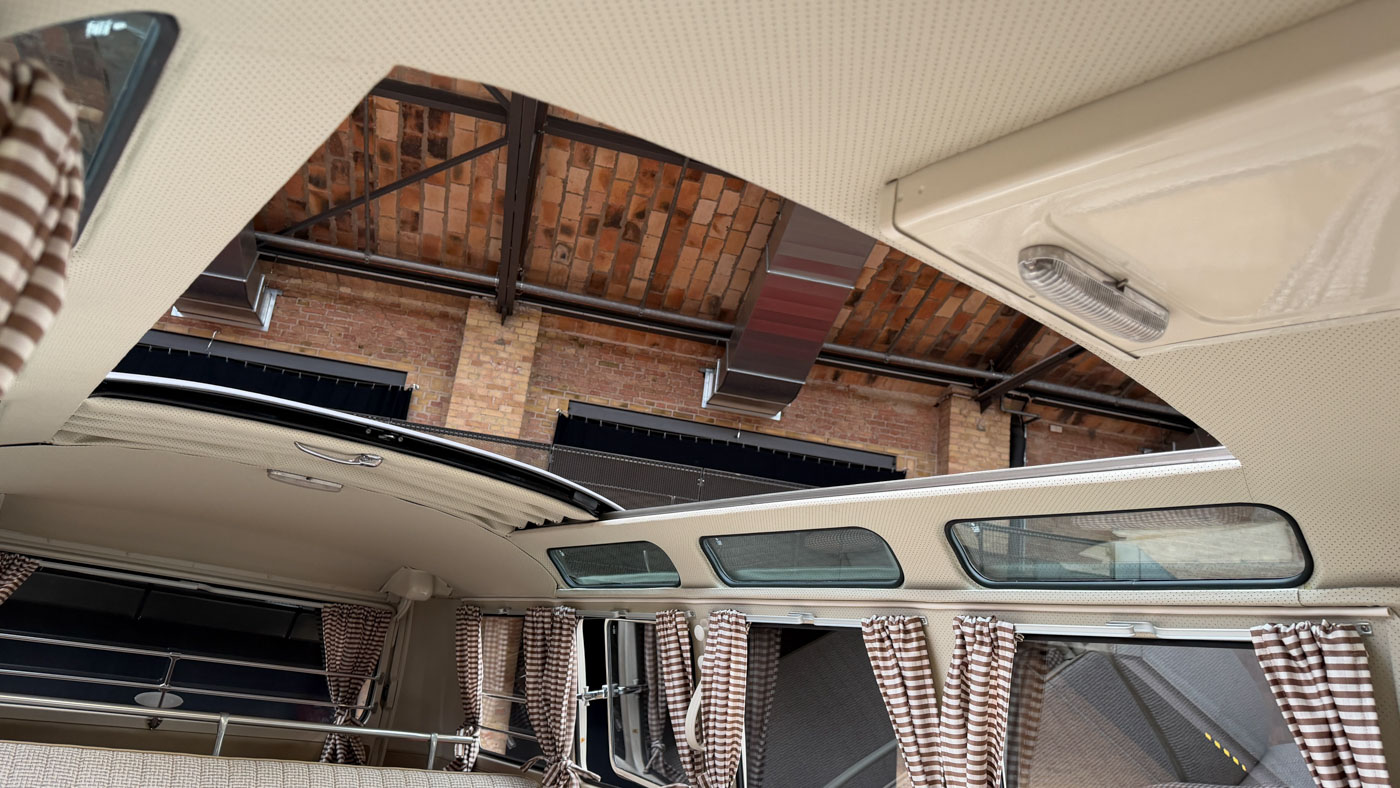
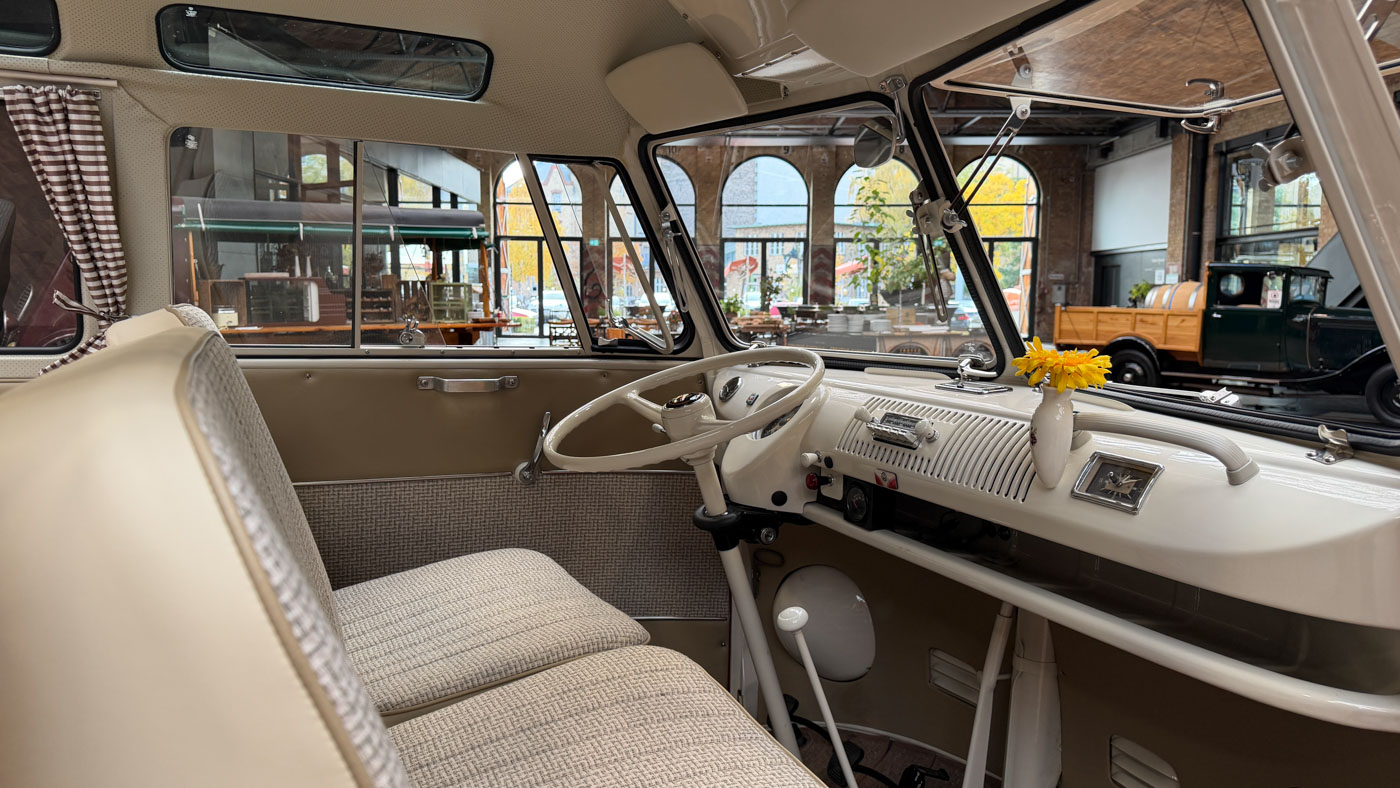
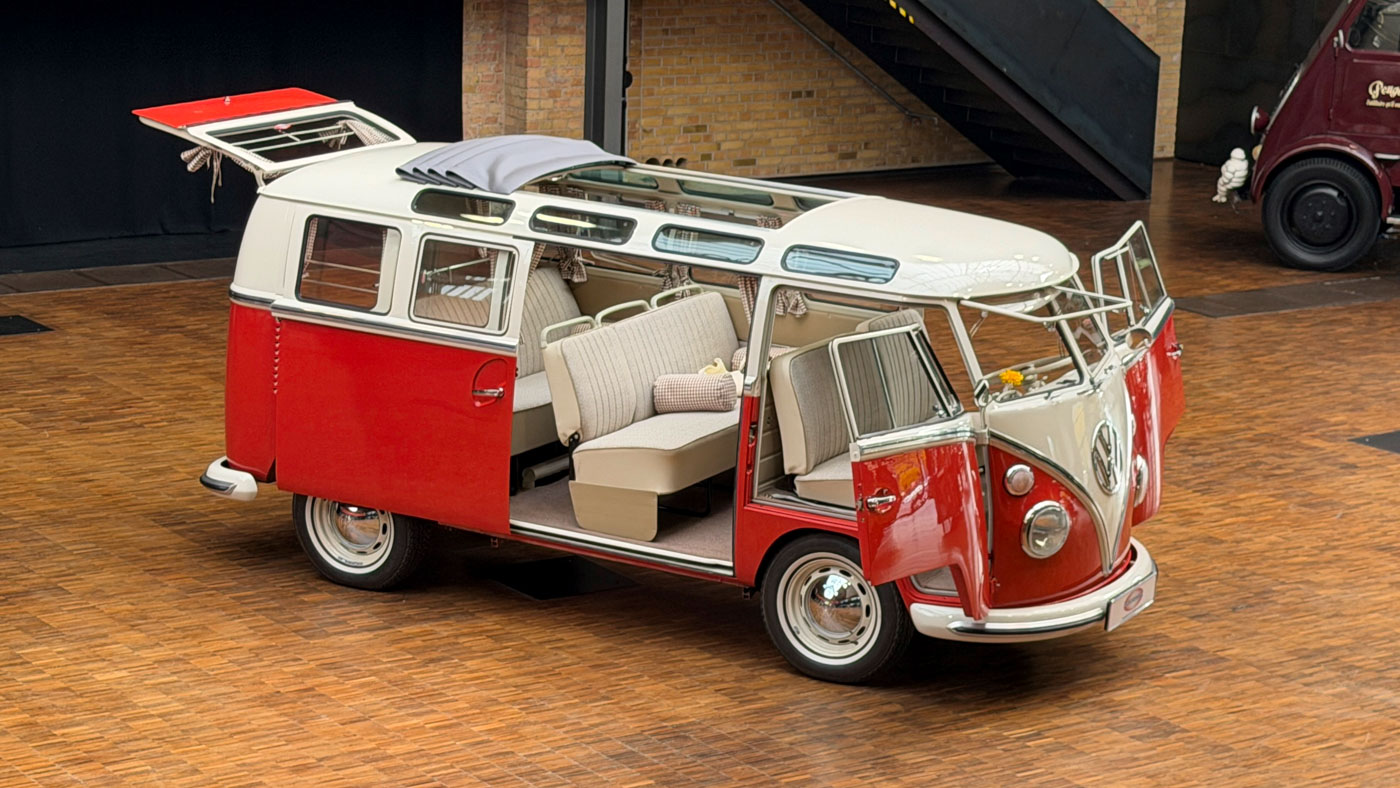
While the Beetle still had cable-operated brakes, the Transporter already featured hydraulic brakes because of its higher gross weight. The first T1 versions had a 1.1-litre engine producing 25 hp, allowing a top speed of 85 km/h. Officially, both the panel van and the pick-up were sold simply as the VW Transporter, while the version with side windows and additional rows of seats was called the VW Bus. From 1951, a special Deluxe version was available, later popularly known as the Samba Bus. The Samba’s distinguishing features include skylight windows in the roof, a large folding fabric sunroof, two-tone paintwork, additional decorative trim, a large chrome VW emblem on the nose and a more elaborate interior that was luxurious by the standards of the time.
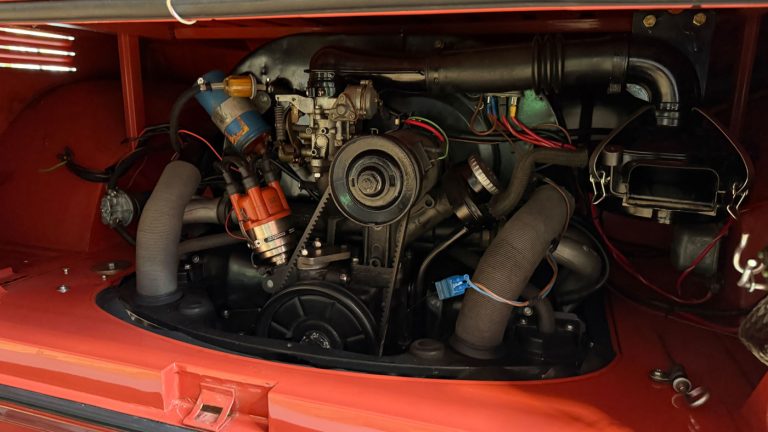
From 1963, a 1.5-litre engine was available at extra cost alongside the standard engine, which had by then grown to 1.2 litres. The larger engine produced 42 hp and gave the vehicle a top speed of 105 km/h. From 1965, output increased to 44 hp. Whatever the engine, however, a T1 was always a rather leisurely vehicle. Thanks to its rear-mounted engine and the resulting relatively quiet atmosphere in the front rows, long distances could be covered in considerable comfort. This focus on the essentials brought the vehicle tremendous popularity in the USA, where it became something of a social counterpoint to the huge, fuel-hungry American land yachts. The VW Bus, referred to as the Bulli in the USA, even became a status symbol of the hippie generation during the Flower Power era of the 1960s. To this day, it remains associated with the legendary 1969 Woodstock music festival in Bethel, New York State. Between 95,000 and 100,000 Samba models were built up to 1967; the exact number is unknown.
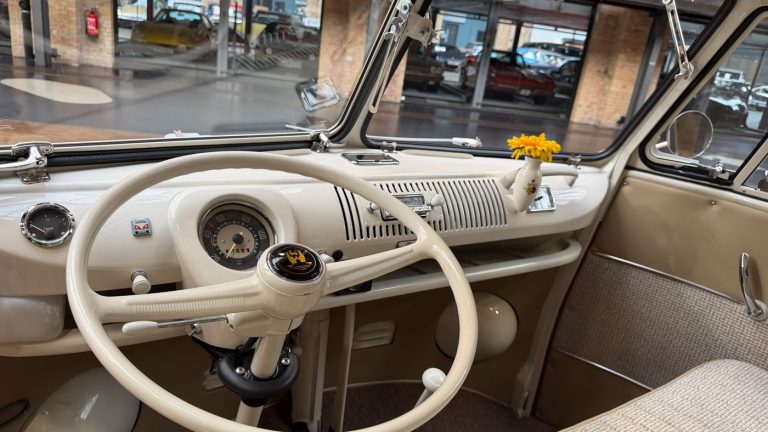
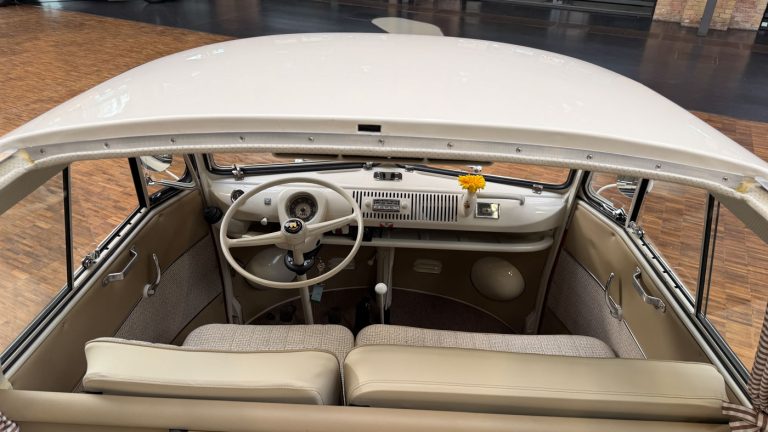
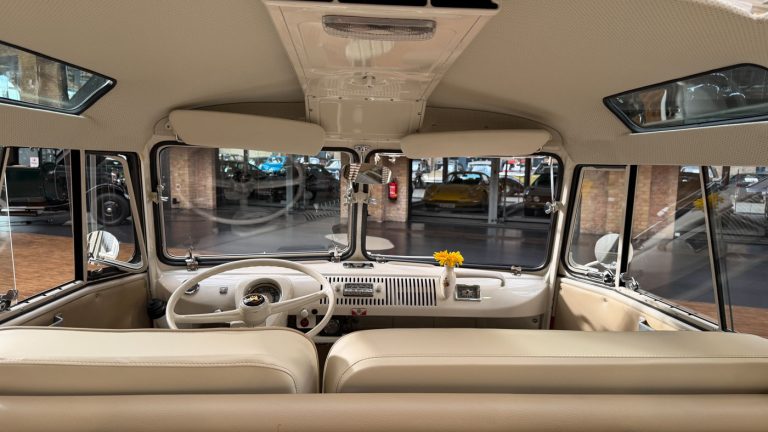
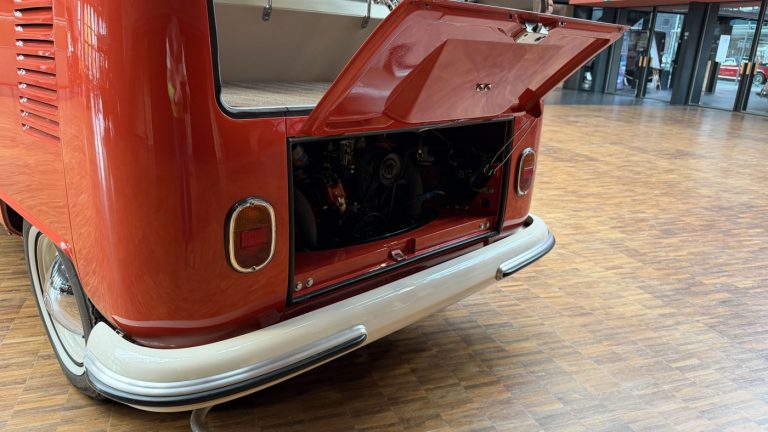
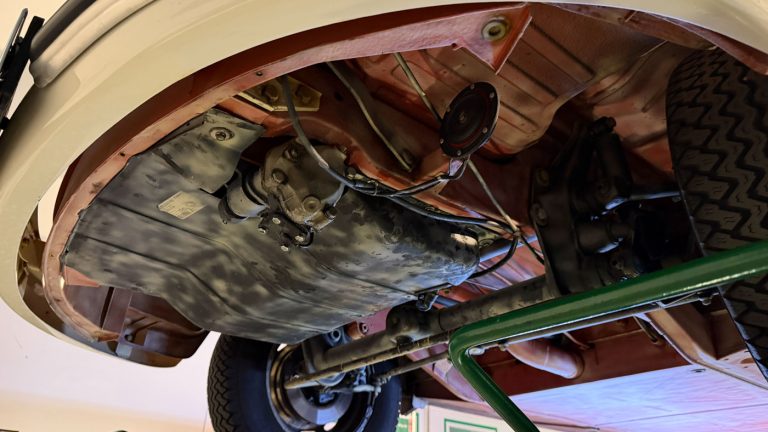
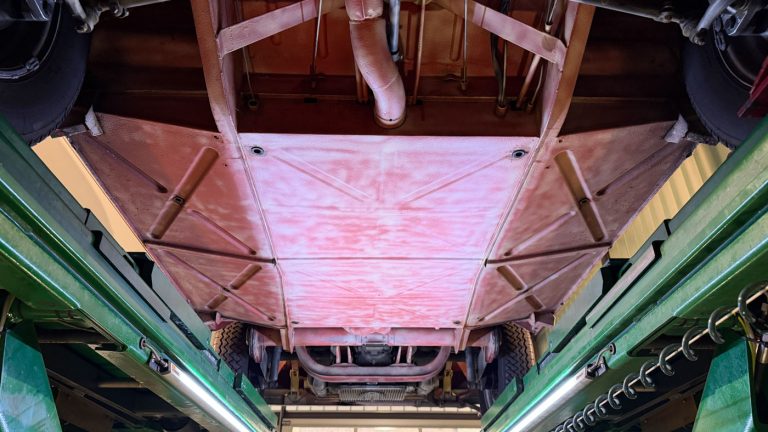
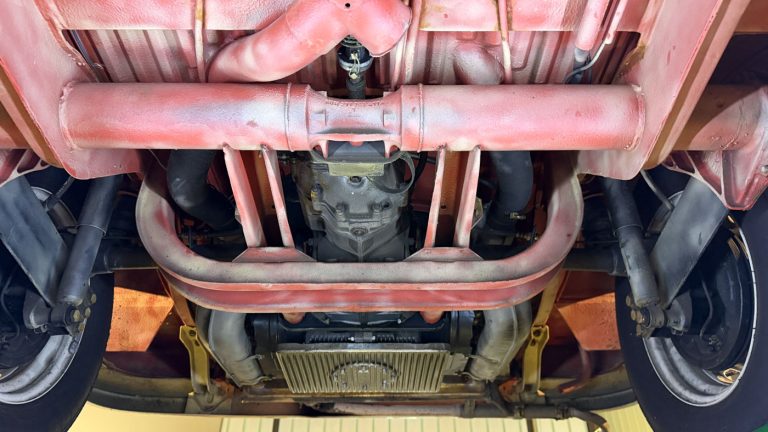
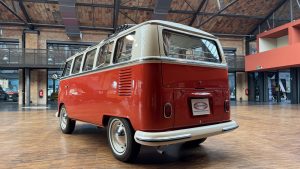
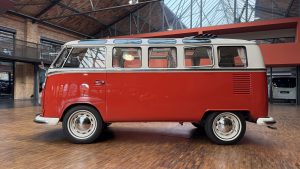
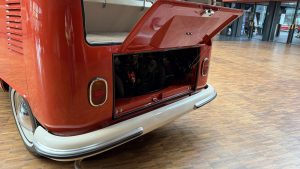
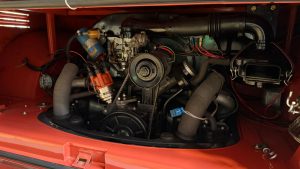
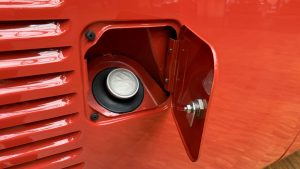
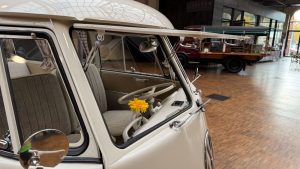
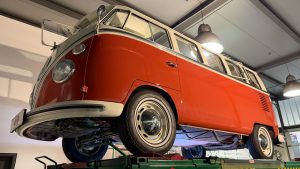
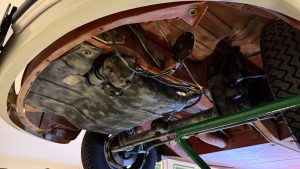
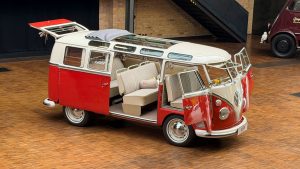
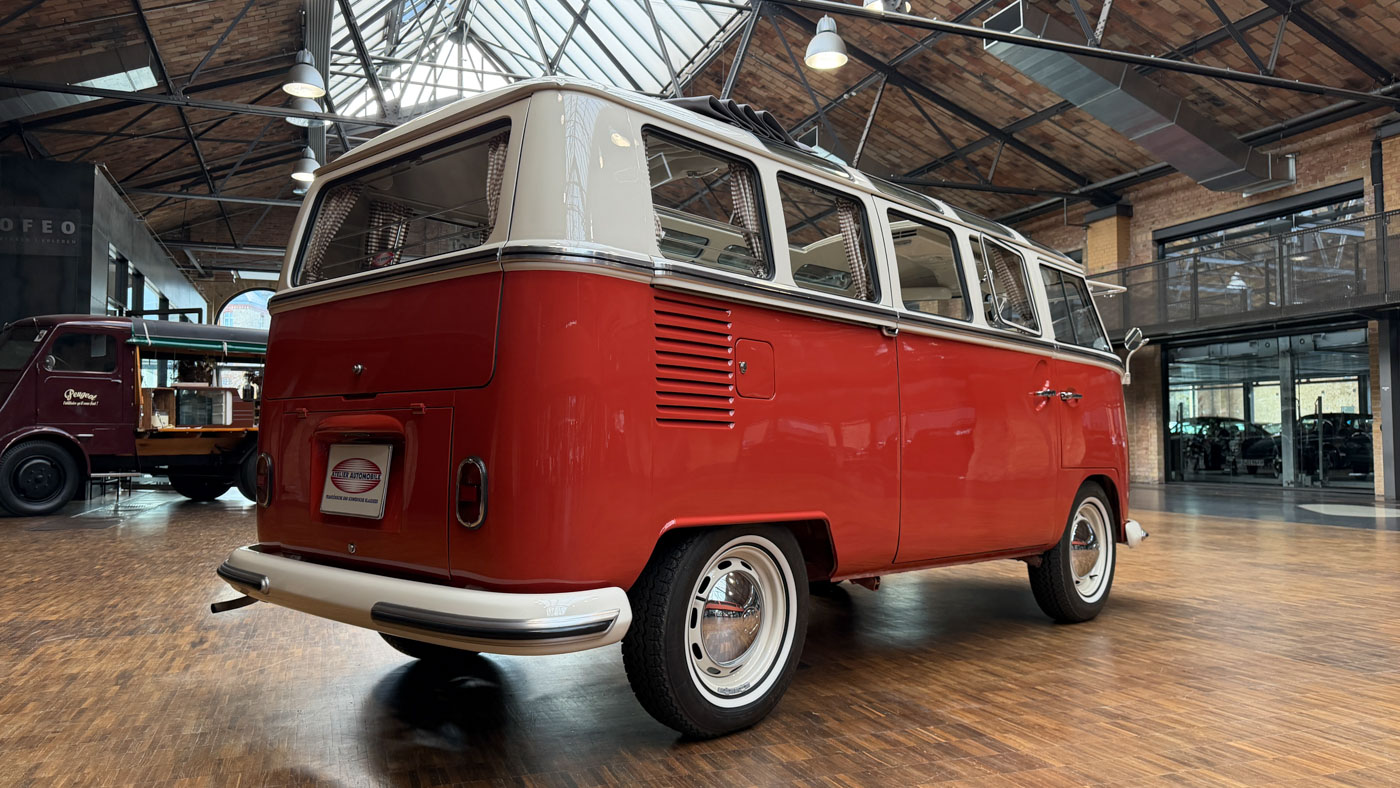
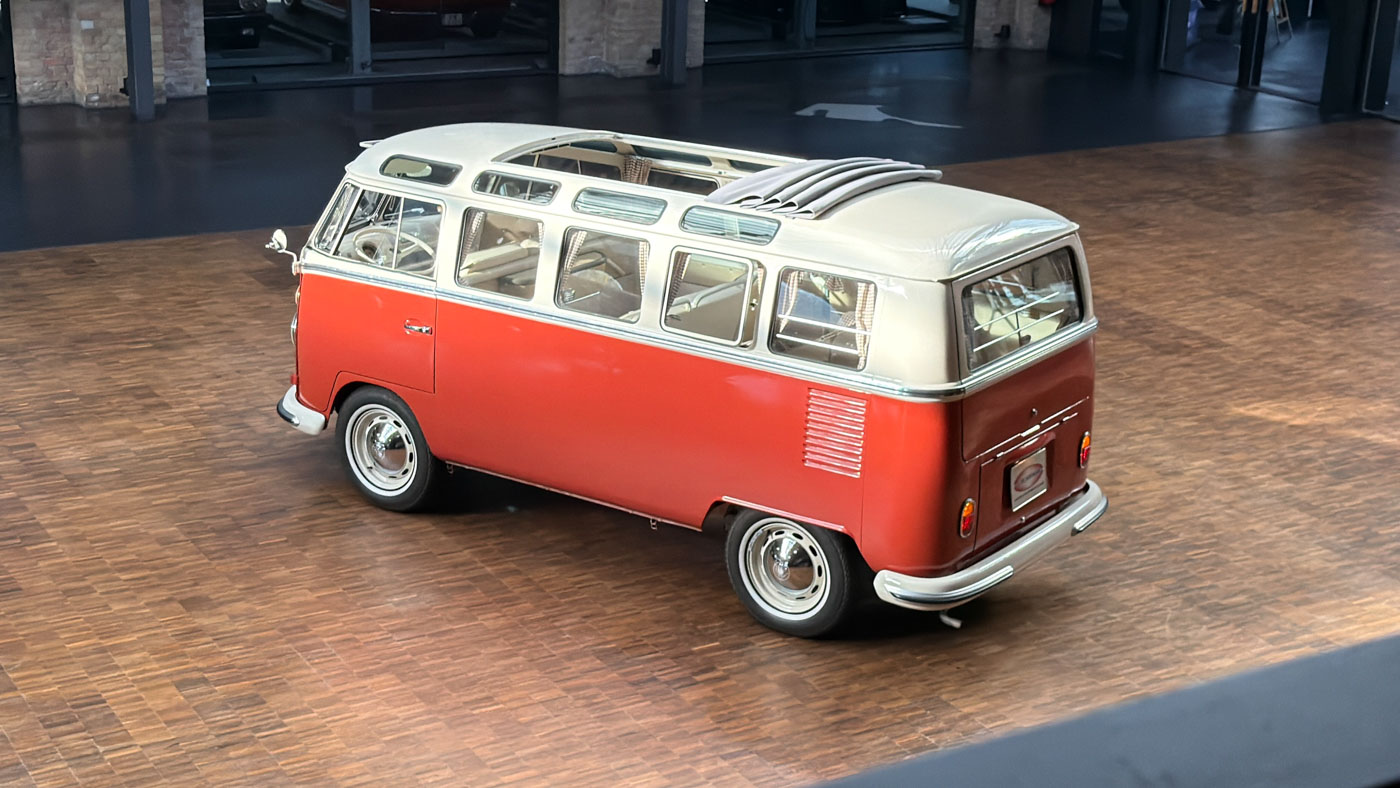
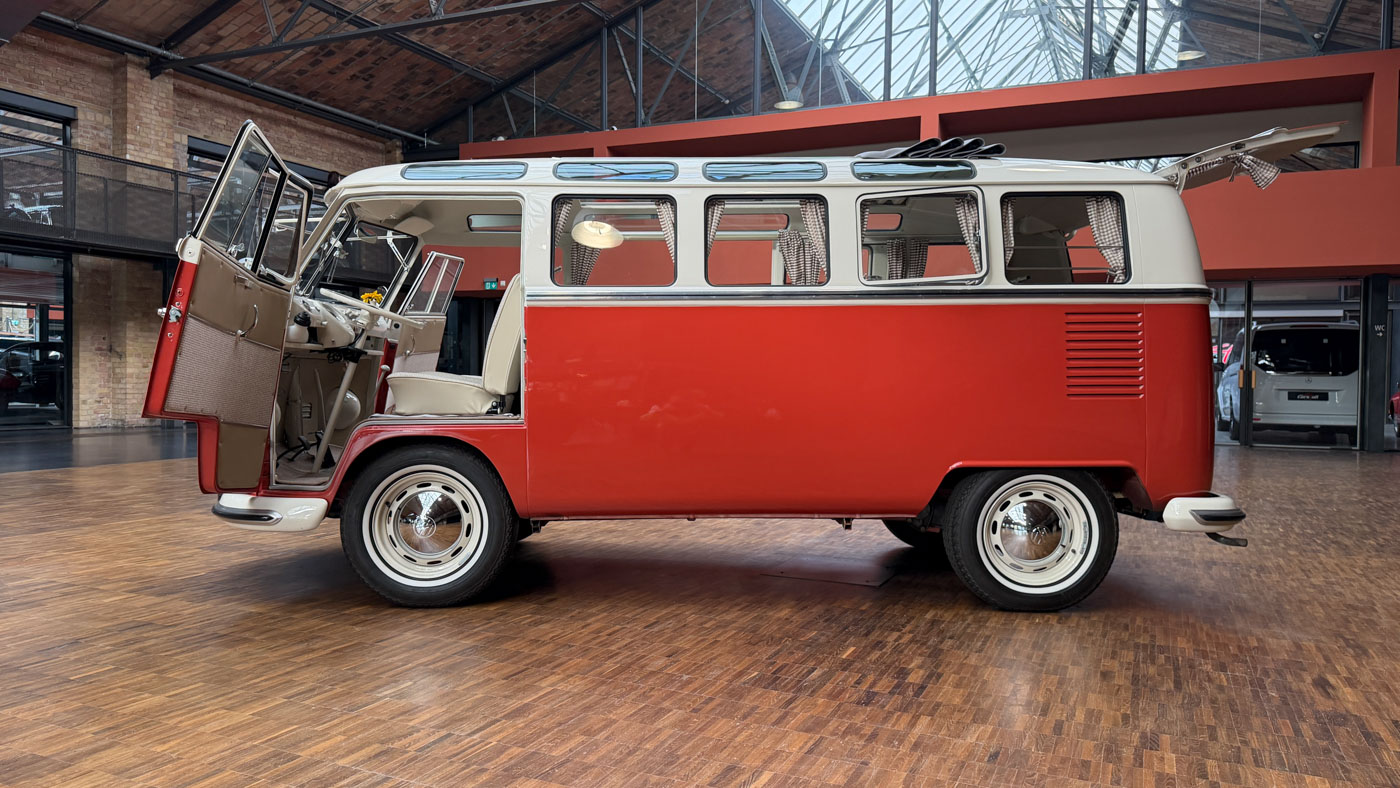
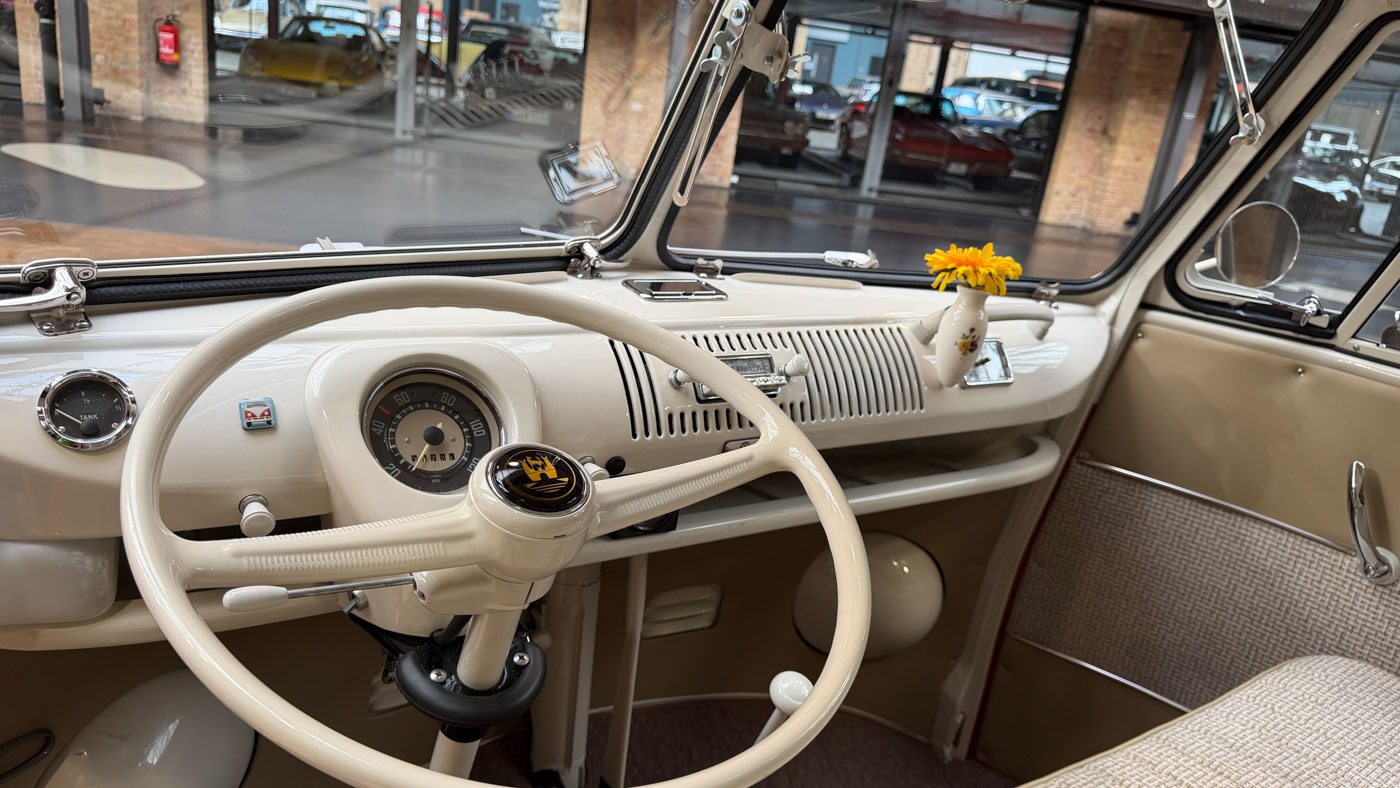
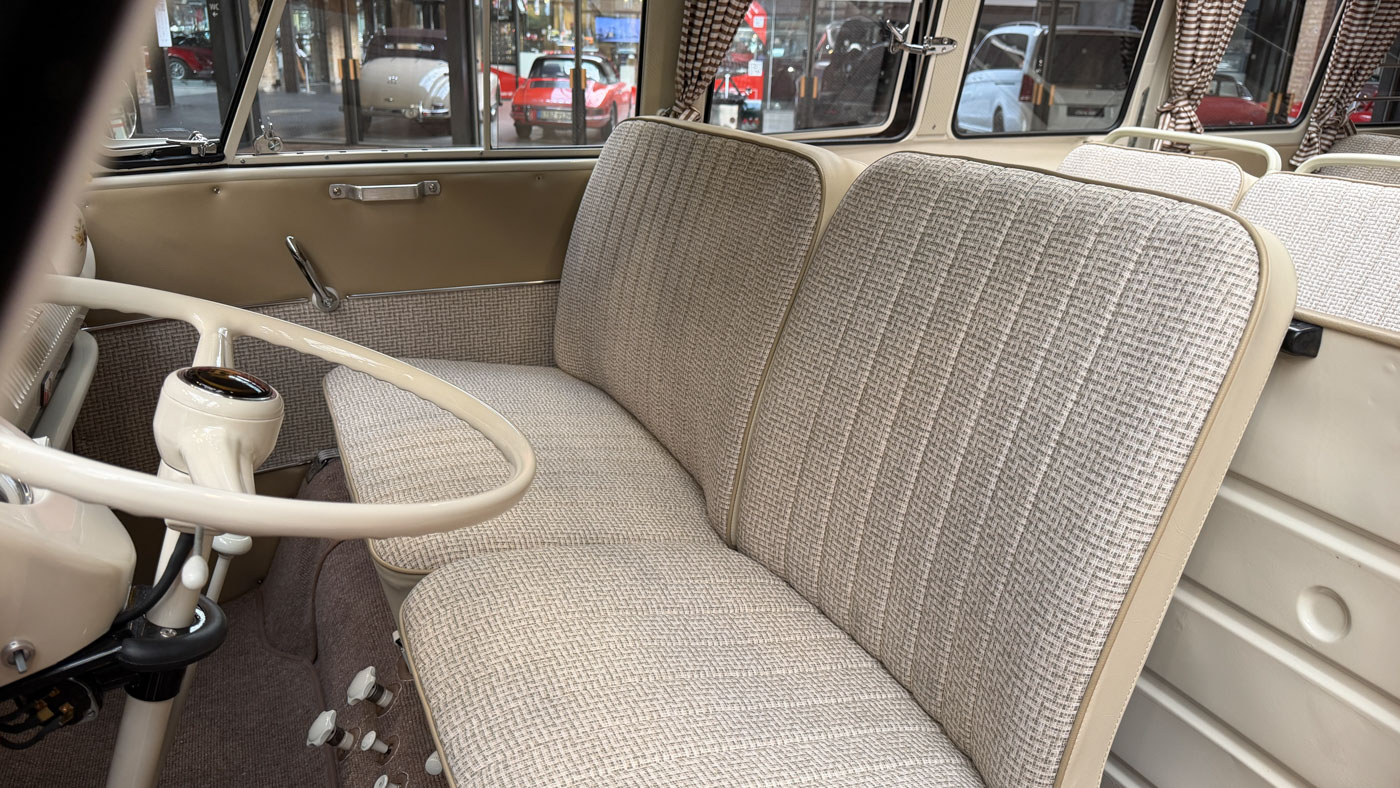
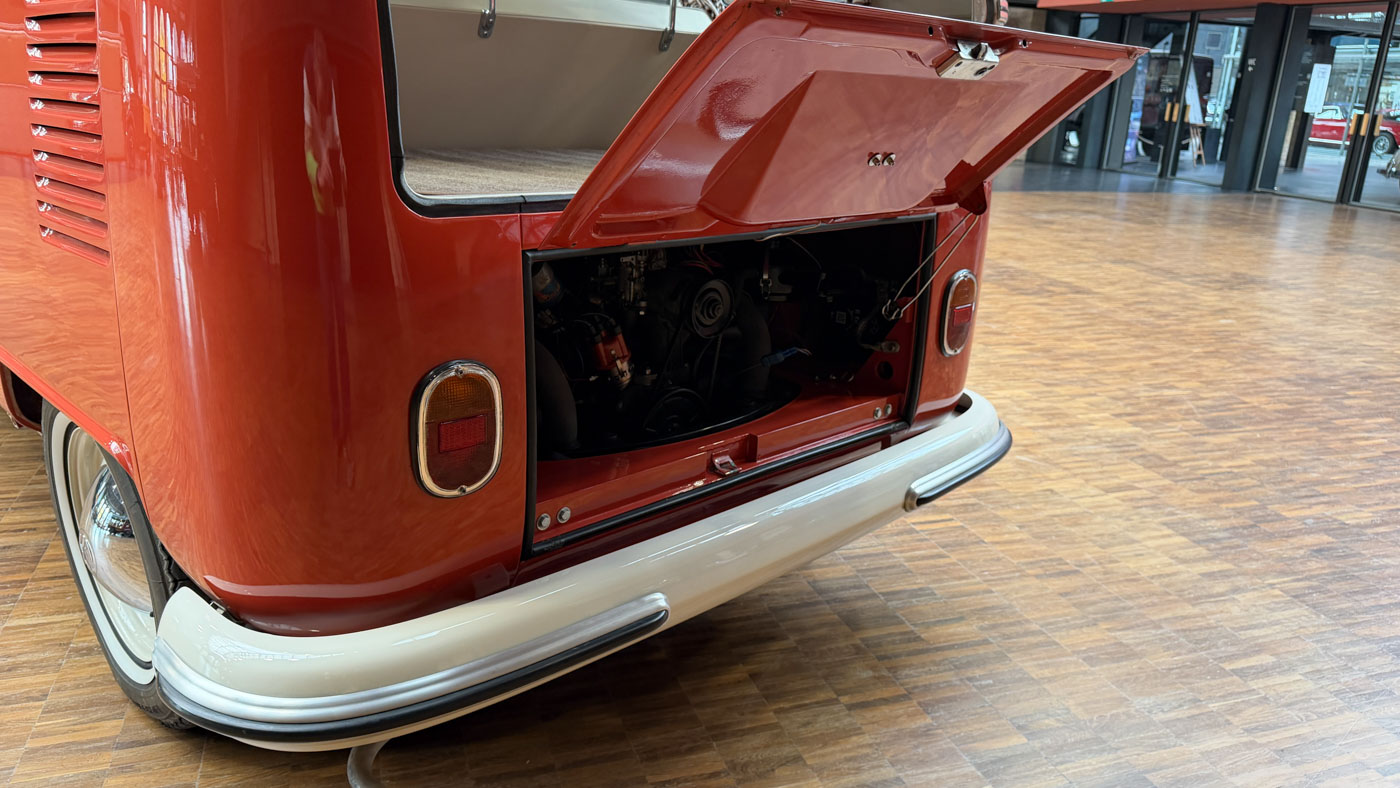
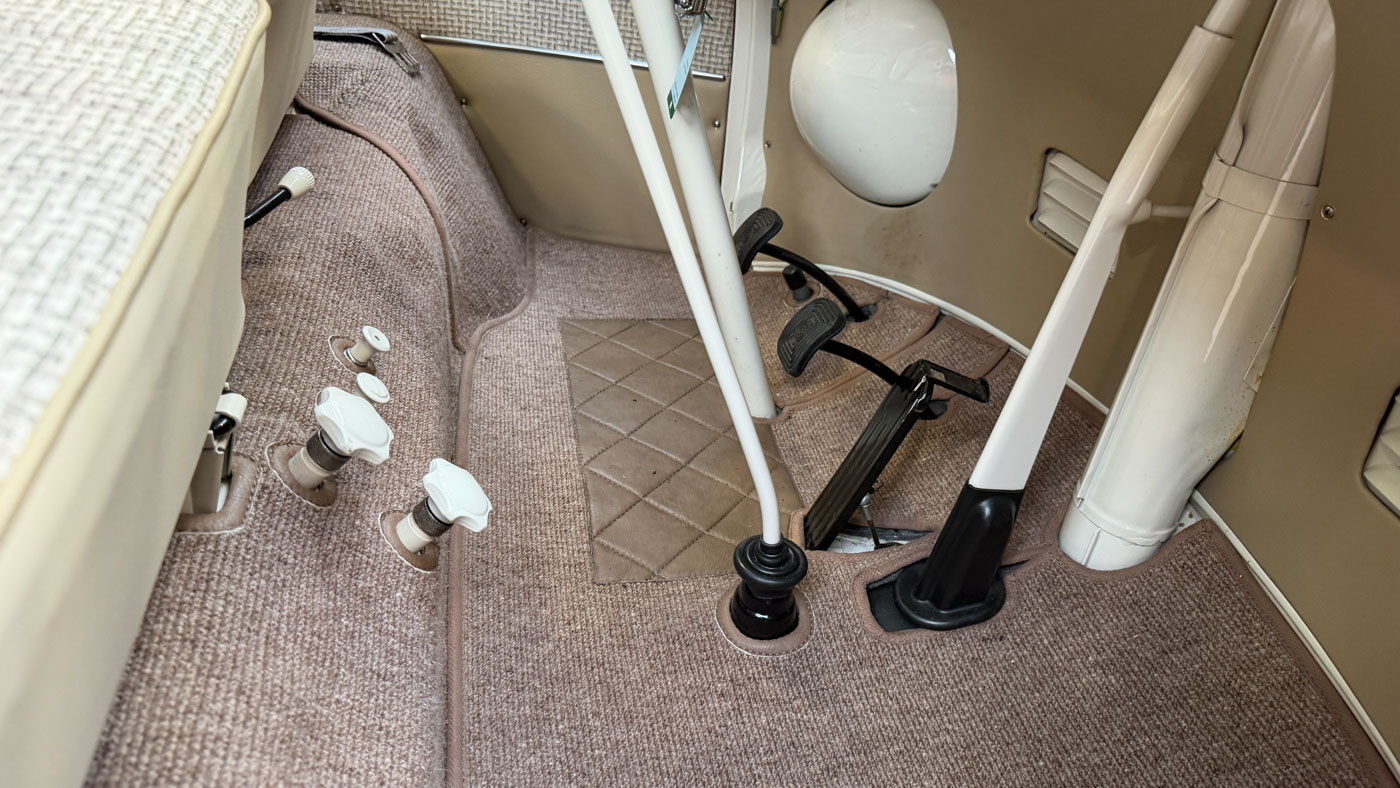
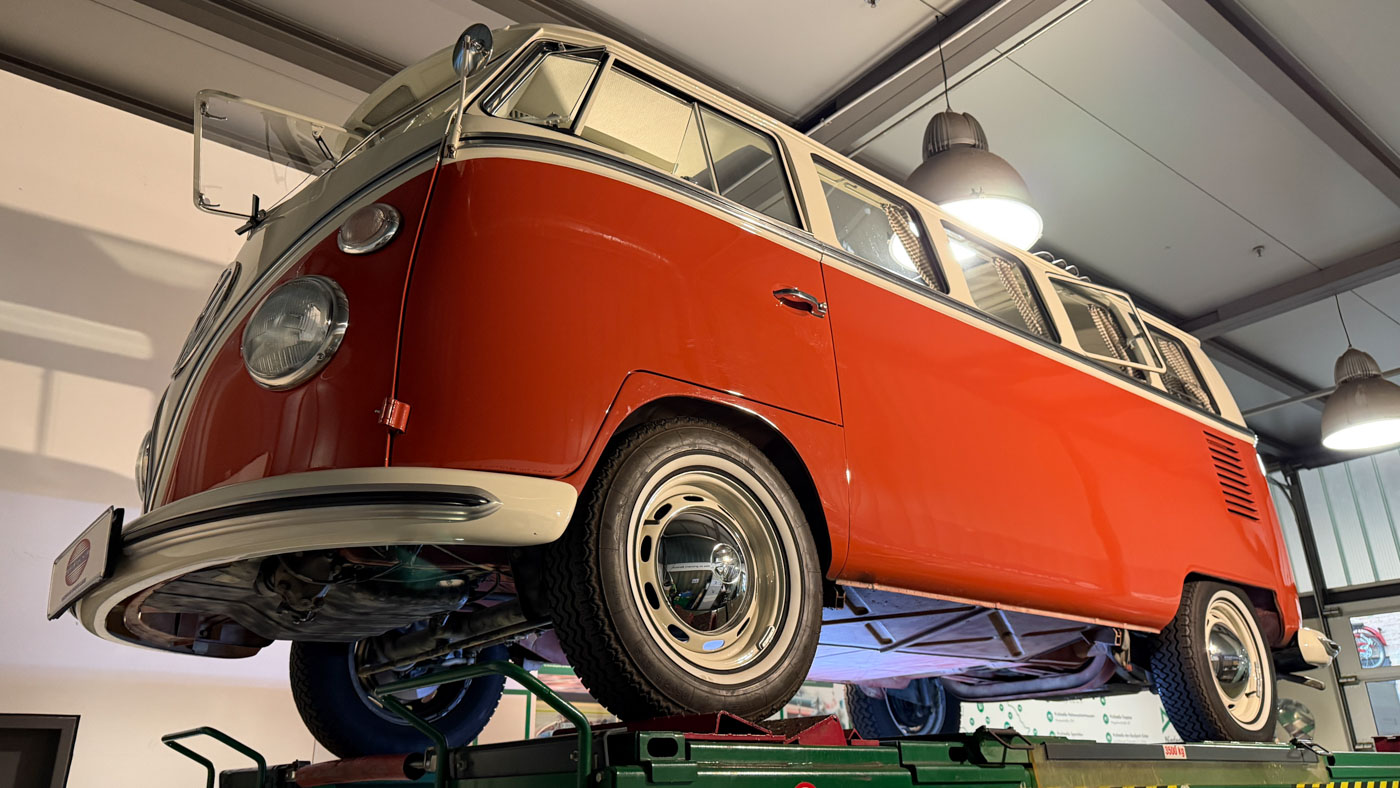
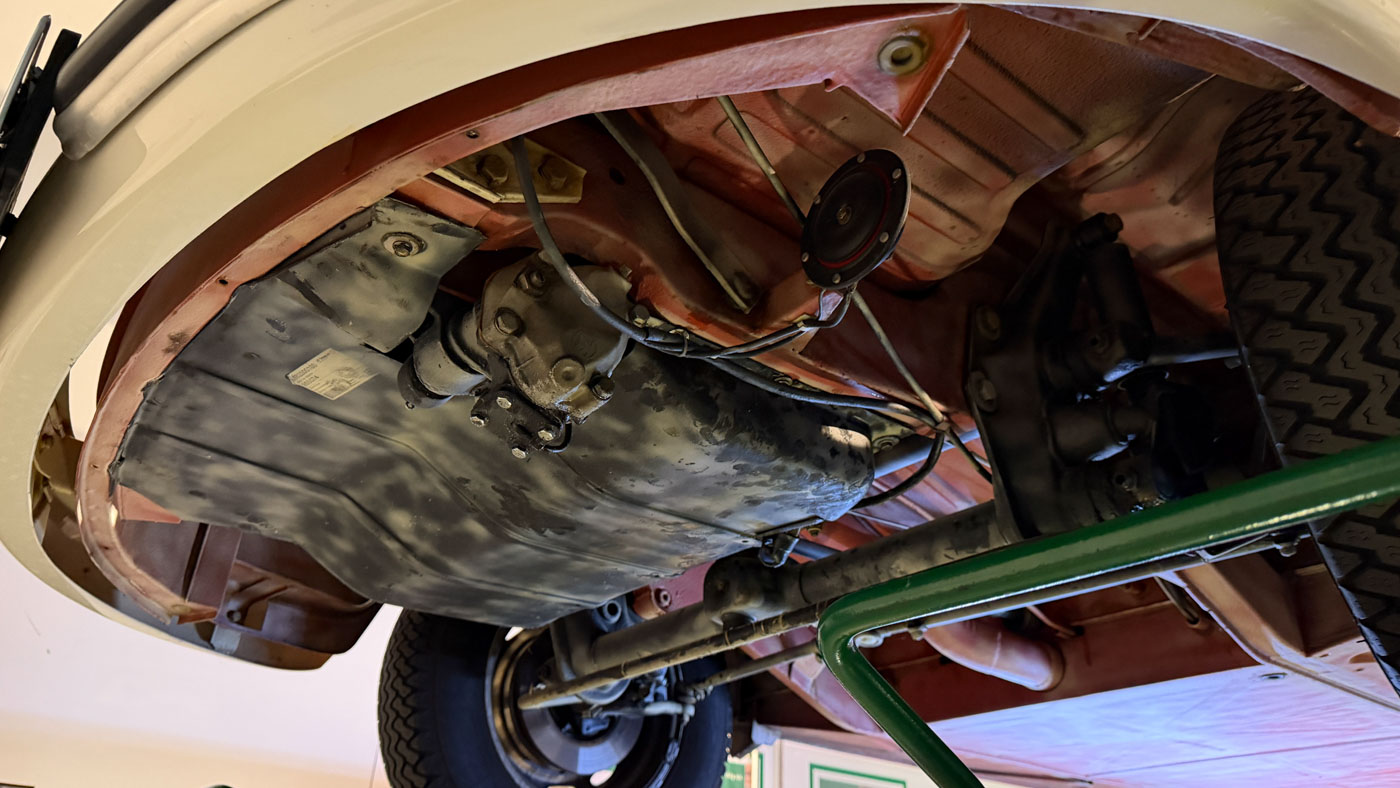
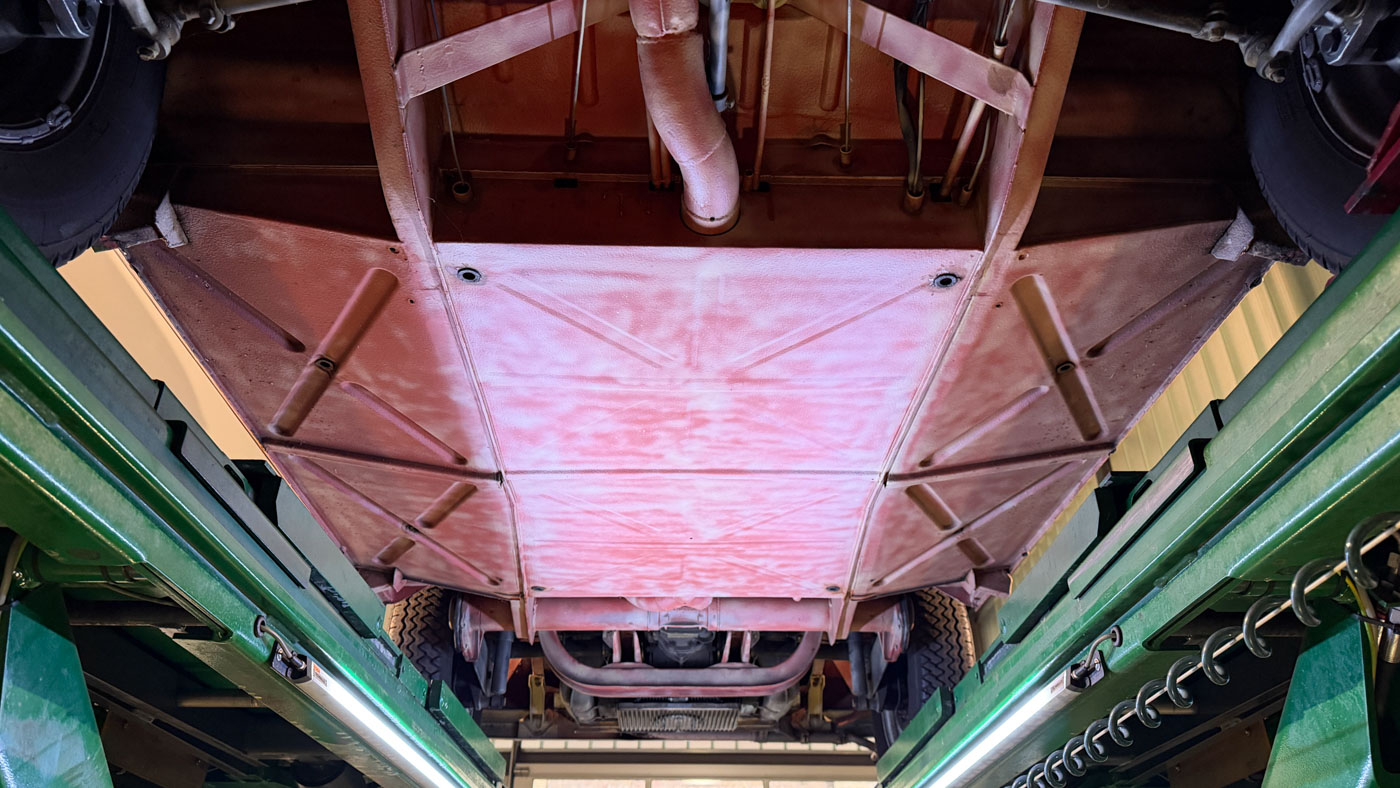
This Samba Bus was first registered on 31 May 1965 in Pegnitz, near Nuremberg, and its original registration document still survives. On 14 November 1967, the vehicle was sold to Schwabach. On 23 February 1970, its second owner treated it to a new 44 hp Volkswagen replacement engine, which was even recorded in the old cardboard registration document. On 11 August 1982, the second owner took the vehicle off the road. In 2014, the bus was purchased by its third owner, who commissioned a complete restoration between 2015 and 2017. The vehicle was entirely dismantled and rebuilt from the ground up. The bodywork underwent extensive repairs and received cathodic electrocoating before painting. A rebuilt 1.6-litre, 50 hp engine from a T2 was fitted, and the front brakes were converted to discs. Deep-dish wheels with slightly wider tyres were also installed, and the suspension torsion bars were adjusted to give the vehicle a slightly lower stance. All of these changes are so discreet that they are barely noticeable, yet they improve the handling. An electronic, contactless ignition distributor, an engine oil temperature gauge and two static two-point seat belts in the front were also fitted.
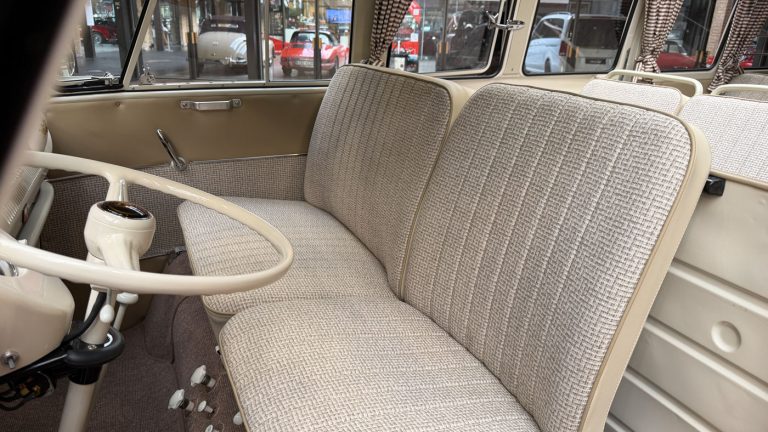
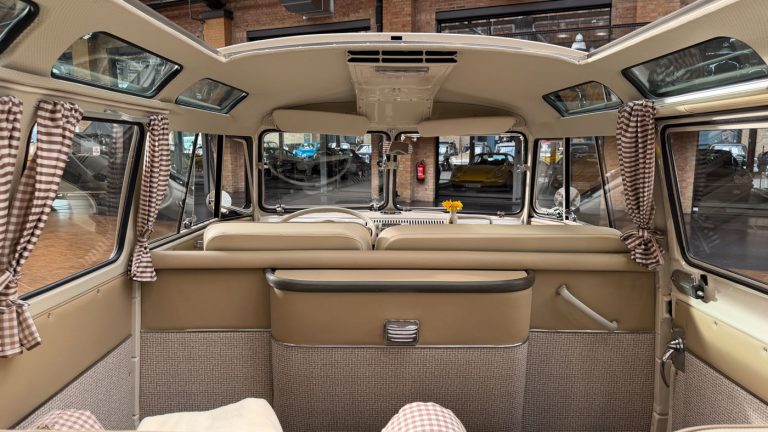
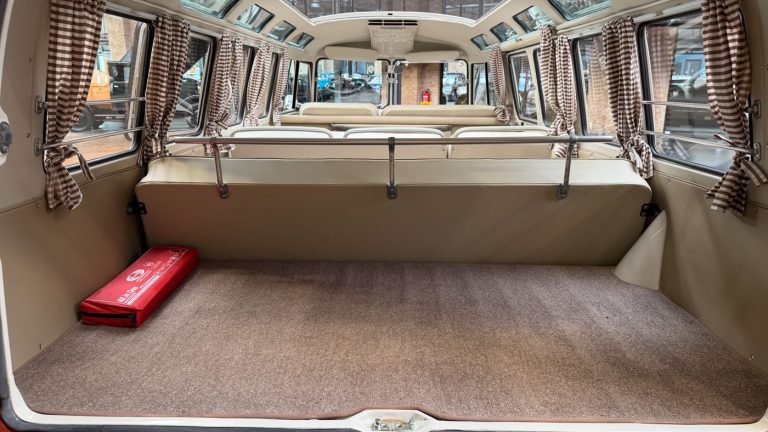
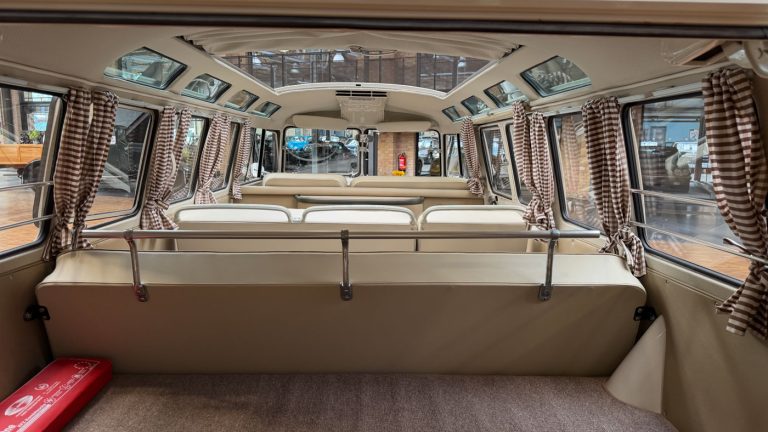
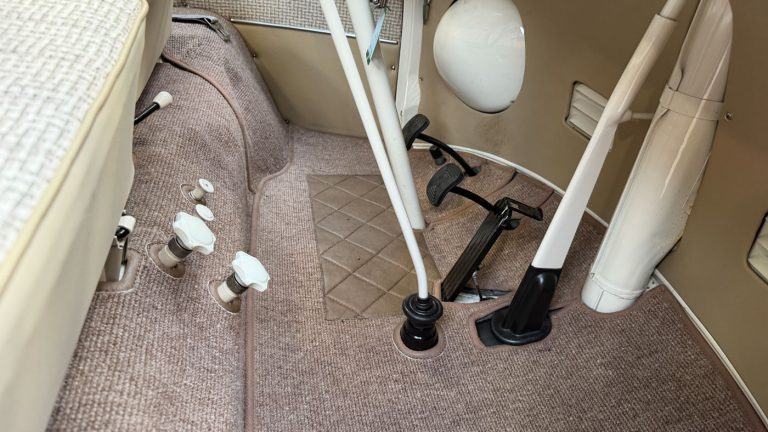
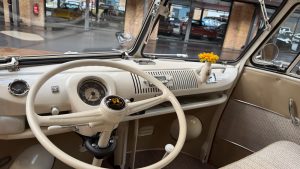
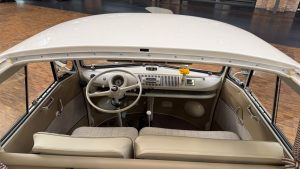
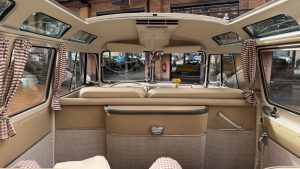
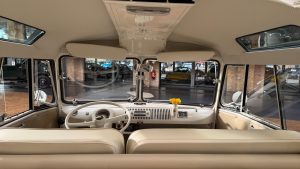
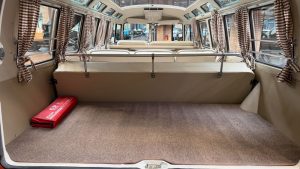
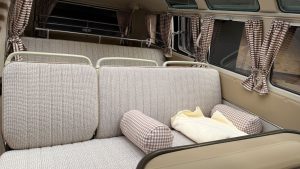
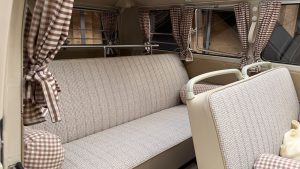
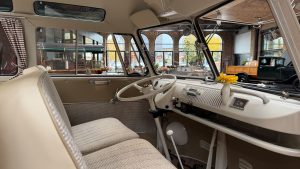
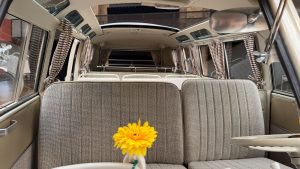
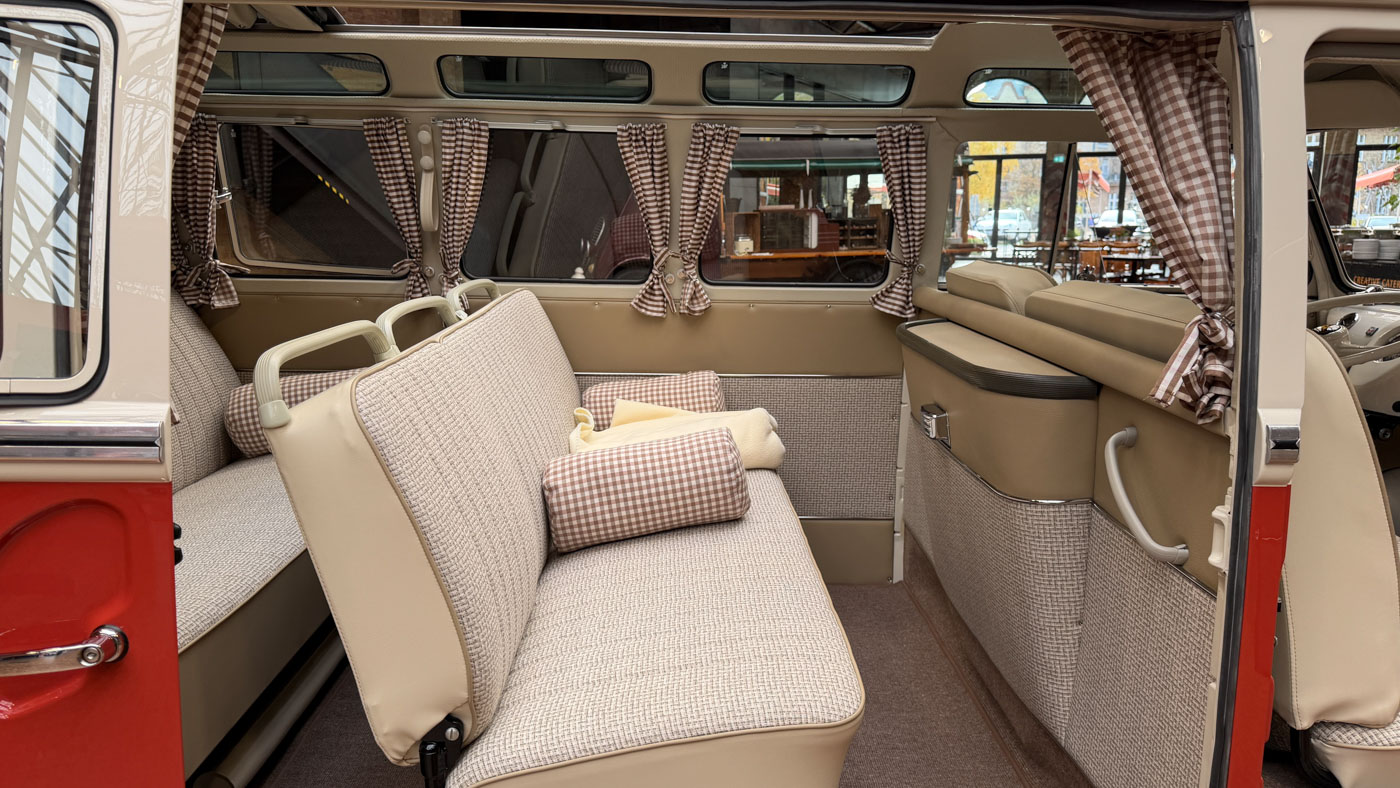
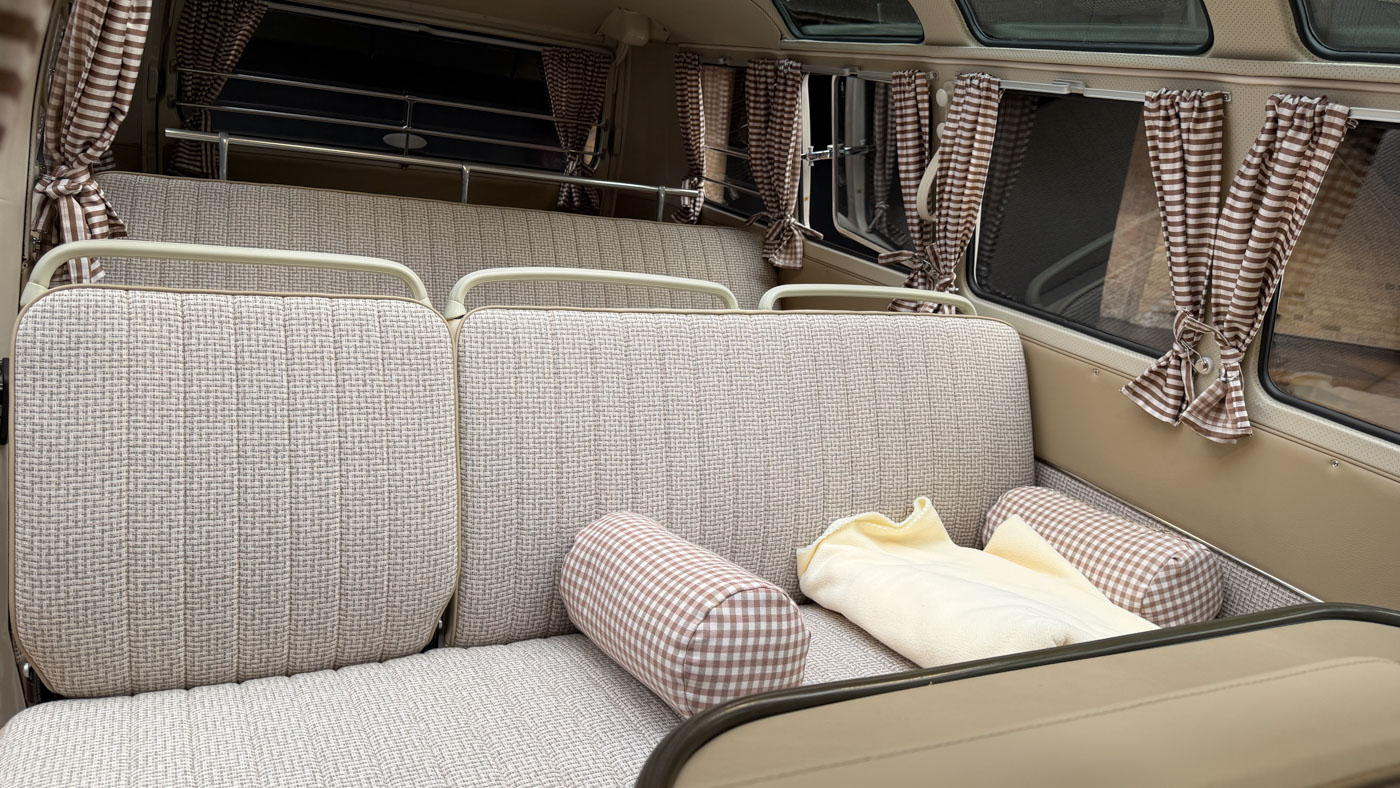
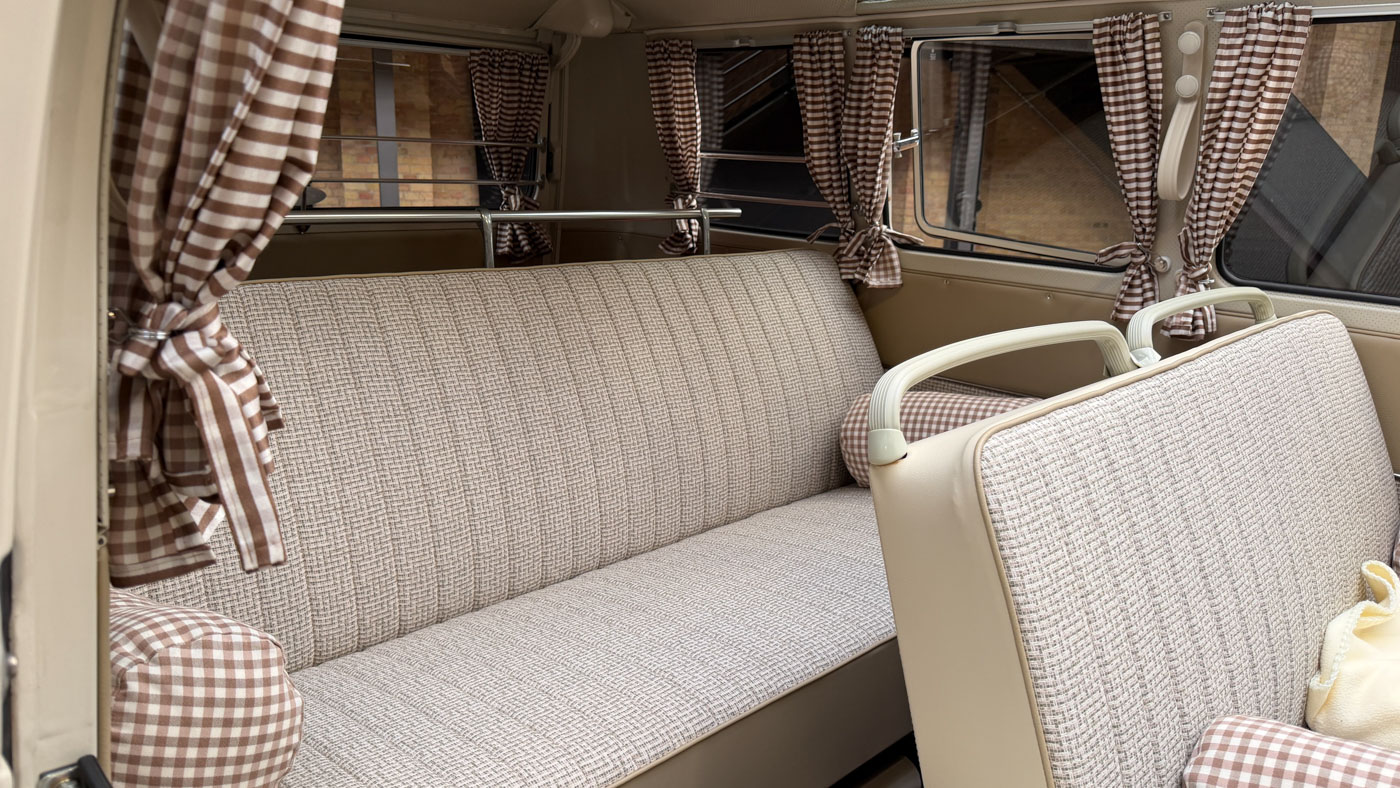
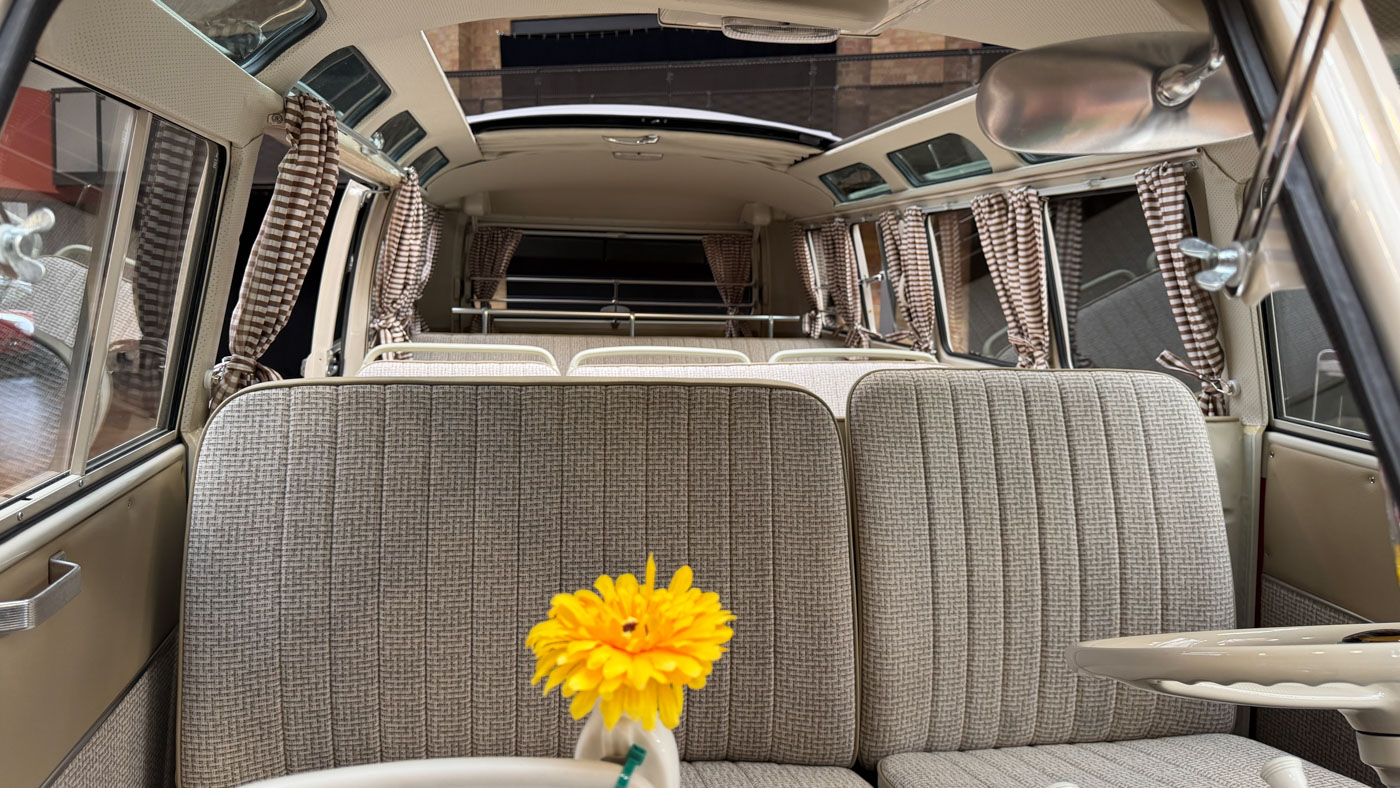
Particular attention was paid to the interior. The seats were reupholstered in a special new fabric that echoes the pattern of the original vinyl. Matching curtains were fitted to the windows, complete with practical tie-backs. A few bolster cushions in the same design complement the interior, and a period radio is also on board. The restoration is documented not only in photographs but also in 59 minutes of video footage. On 22 March 2017, the vehicle was registered for road use again, 35 years after it had been taken off the road. Since this return to life, the VW has covered 4,721 kilometres.
When the owner recently decided to sell the vehicle, our company was recommended to him, and we collected the Samba on our vehicle transporter. This Samba Bus has such wonderful presence that it attracted plenty of attention on the motorway even while being transported. Seeing it today, most people immediately feel the urge to take it on holiday. So, how about it — made any plans for your summer holiday in 2027 yet?
We subject every vehicle to a systematic inspection, covering everything from the bodywork and engine to the electrical system. Based on our findings, we usually prepare three offer options. You decide which one suits you best. As this particular vehicle is in such good condition, however, we have limited the choice to two options.
Standard – €110,000
An inspected, roadworthy vehicle with a German historic-vehicle assessment report qualifying it for H registration and a German roadworthiness inspection valid until April 2027. Cavity wax and underbody protection have already been applied.
Suprême – €112,500
Additionally includes a new 6-volt battery, a major service with an oil change, and a new German roadworthiness inspection, including the official amendment of the recorded engine output to 50 hp.
We will be happy to send you details of the three offer options. Alternatively, simply give us a call and we will explain everything personally.
E-fuels as an alternative fuel for climate-friendly use in classic cars.
Let us inform you as soon as new vehicles arrive!
Liebe Kundinnen und Kunden,
am Dienstag, den 14. Januar 2025, befindet sich das Team des Ateliers Automobile ab 14 Uhr auf einem Betriebsausflug. Aus diesem Grund bleibt unsere Werkstatt nachmittags geschlossen.
Ab Mittwoch, den 15. Januar 2025, sind wir wie gewohnt wieder für Sie da. Vielen Dank für Ihr Verständnis!
Ihr Team von Atelier Automobile